What Happened
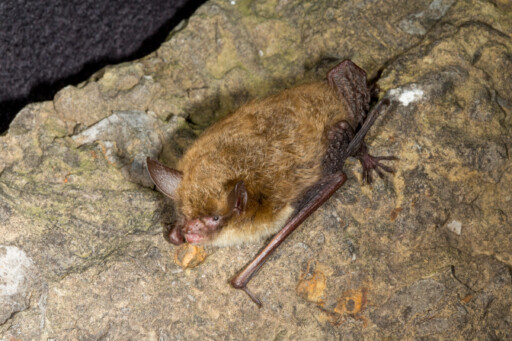
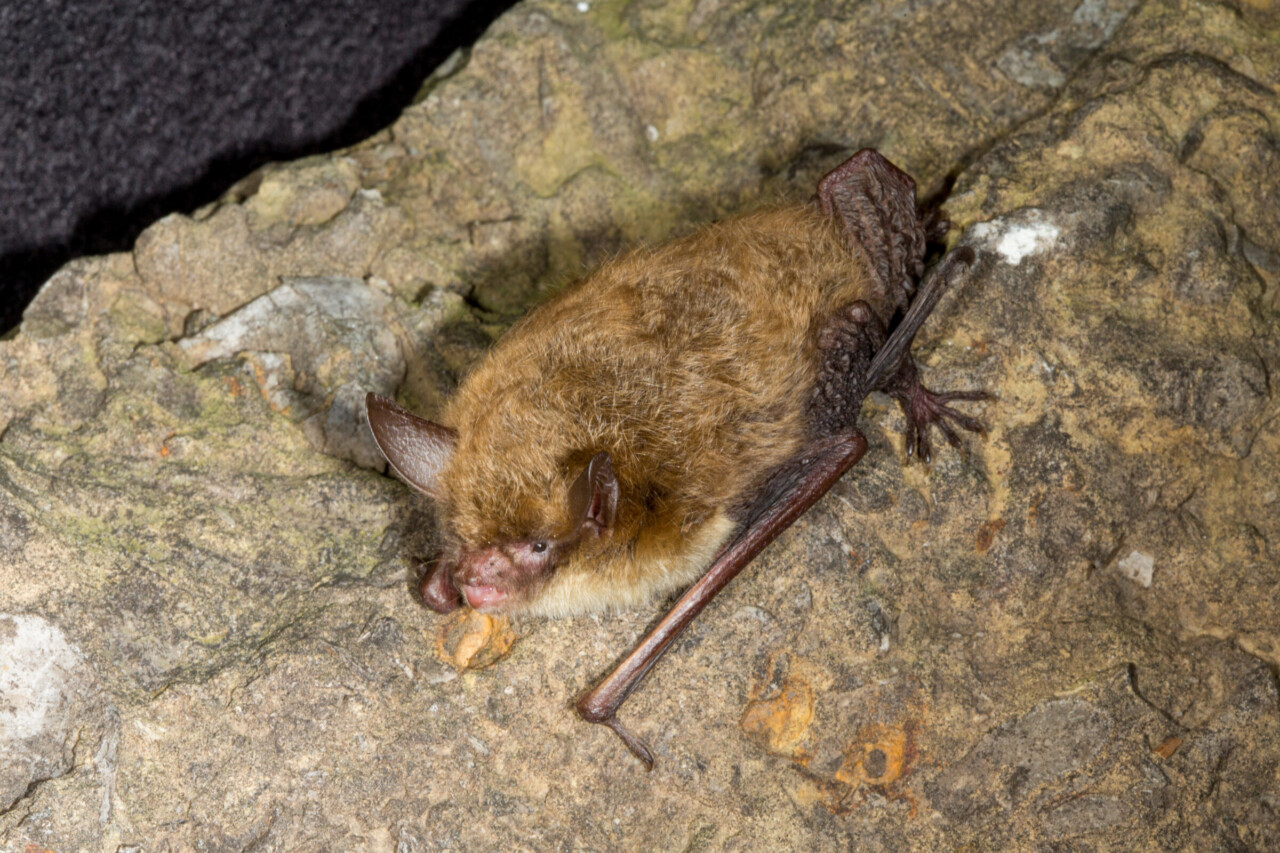
Northern Long-eared Bat
The U.S. Fish and Wildlife Service (USFWS) has published a final rule reclassifying the northern long-eared bat (NLEB) from threatened to endangered status, citing white-nose syndrome as the primary factor influencing the species’ viability. This up-listing eliminates the NLEB 4(d) rule, which to date had narrowed the scope of take prohibition to certain specific circumstances. For example, the 4(d) rule allowed tree clearing without the need for USFWS take authorization unless that clearing occurred within 150 feet of a known roost tree June-July or 0.25 mile of a known hibernaculum. These and all other components of the 4(d) rule would no longer apply once the reclassification takes effect. The rule is set to become effective 60 days after publication. USFWS states that during that time they will be finalizing consultation tools such as determination keys and an interim consultation framework. They also plan to provide a recovery outline within 30 days of rule publication.
Northern long-eared bat range map
SWCA Lens
If your project is within the range of the NLEB and requires forest clearing, or if your project carries an ongoing risk of take (e.g., an operational wind energy generation facility), the 4(d) is no longer an option for Endangered Species Act (ESA) compliance. You may need to conduct NLEB surveys and/or determine…