

Skip to content
Expert Insights
In the News

Partnering on Environmental Compliance

Construction Superintendent

SWCA’s Compliance Services Director, Michelle Logut, authored a guest column in Construction Superintendent magazine highlighting best practices for environmental compliance and team collaboration to keep construction projects on track.
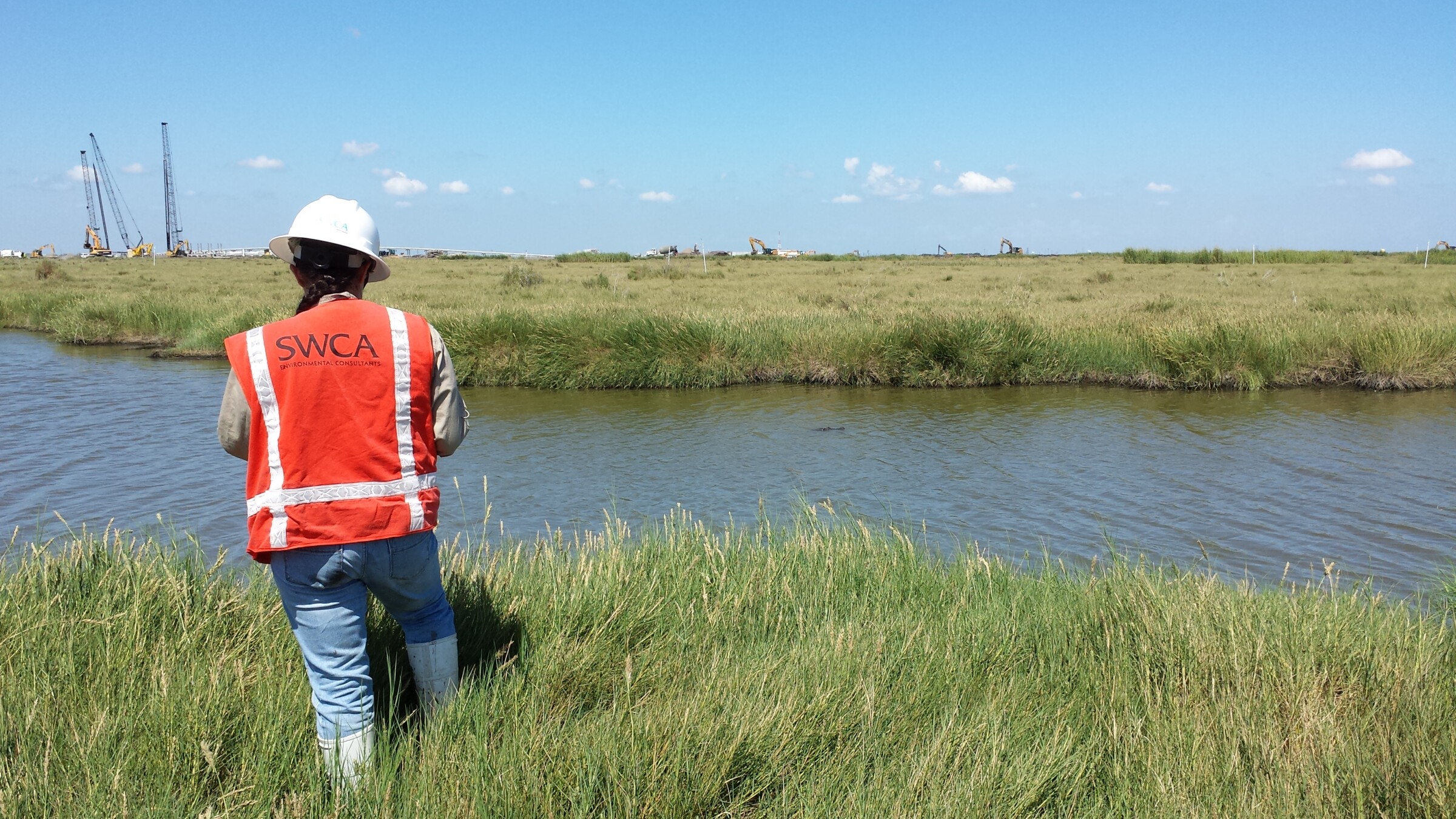
Staff member in jeans and an orange safety vest standing in grass at the edge of wetlands.

Written By

Posted

August 20, 2025

Share

One of the most critical decisions to project success comes before designs are developed or shovels break ground, and that is the selection of the complete project team, including environmental consultants, subcontractors and everything in between. From economic and pricing uncertainty to continued supply chain and labor issues, construction teams have their fair share of challenges keeping schedules and budgets intact for projects of every size. Navigating environmental compliance regulations poses another challenge.

And while project teams can get creative in some parts of the job, such as trade sequencing or project phasing, to make up time or mitigate potential issues, environmental compliance is not one of them. One hiccup can affect every activity that follows, so superintendents must know the compliance regulations, potential issues and proposed solutions up front to help avoid unforeseen delays and costs. Projects cannot move forward if environmental compliance issues arise, so remaining fluid and adaptable to adjust, sometimes on the fly, is critical.

Staff member in an orange safety vest standing on the bank of a river in front of heavy construction equipment for a dam removal project.

Common compliance challenges

Staying up to date with, and ahead of, changes to environmental regulations is a challenge for teams in and of itself, but the complexity doesn’t stop there. Common challenges project teams and environmental consultants face include a number of factors.

Physical environment

  • Biological species: Some project sites have additional restrictions due to work in and around sensitive species. These may limit times of year work can be done, so careful planning of buffer zones or resequencing work help alleviate these issues.
  • Dust, erosion and sediment control: Rain, wind and other weather conditions can cause migration of sediment and impacts to resources outside the project site, so regular inspection and maintenance of silt fence and other erosion-control devices is a must.

Team construction + collaboration

  • Team structure: Clear, effective communication is critical to keeping all parts of the job running smoothly. Siloed communication, an unclear chain of command and clunky processes and programs can significantly impact efficiency, and ultimately, project schedules. Outlining, posting and socializing working groups and reporting structure ensures all team members know where to go for help when needed and increases communication efficiency.
  • Gaps in training: A robust, structured training program directly correlates to successful compliance, and any lack of clarity, whether when addressing environmental or other project issues, can result in project delays. Tailoring meetings, training and access by role and project function ensures team members are educated and compliant and maintains the integrity of the jobsite as a whole, particularly in sensitive and at-risk areas.
  • Personality differences: Construction is a fast-paced industry, and project teams are comprised of people with different talents, roles and working style; there is no time for personality conflicts. Successful project leaders identify potential clashes and manage around them by constructing teams based on strengths and personalities.

Permitting

  • Changes in rules and restrictions: Regulations are changing rapidly, at times from one day to the next, so not having both scheduled and on-demand inspections when needed is a miss by project teams. Environmental professionals can help adjust an approach or complete permit modifications to accommodate constructability and ensure projects remain compliant from beginning to end.
  • Rushed modifications: Permits can require modifications throughout the life of the project, so rushing the process or not exploring all options can result in further rework and re-permitting, potentially impacting the project schedule and budget.

Staff member in an orange safety vest standing in front of a trench with a pipe at the bottom.

Best practices for compliance success

  • Streamline data collection and communication. Data not only enables better decision-making, but it also offers insight into what works and what doesn’t, historically and currently. Utilizing data and real-time reporting in the field significantly increases efficiency of communication and provides documentation of activities, permits and other critical information, while also delivering another layer of liability protection.
  • Maintain a full-time inspection crew during constructionAs conditions change, so do regulations; they don’t care about project schedules. Having an onsite, full-time inspector on the project means potential issues can be dealt with swiftly, no matter when they arise. A successful environmental compliance program should include someone who is always available, present and able to maintain flexibility as the construction schedule dictates.
  • Create a culture of accountability. Construction is a tough business and one that can be unforgiving when it comes to mistakes. Creating a culture of accountability from top to bottom not only breeds trust among all team members, but it also encourages and enables problem-solving rather than finger-pointing.
  • Commit to team transparency. Along with accountability, transparency is critical to instilling trust and creating solutions to issues before they impact the project schedule. Transparent, honest communication ensures potential issues don’t become a reality.

Original Article Link (may require registration):
https://consupt.com/2025/08/partnering-on-environmental-compliance/

See How We Can Address Your Needs