
2025
Comparably’s Best Company Outlook
* Providing engineering services in these locations through SWCA Environmental Consulting & Engineering, Inc., an affiliate of SWCA.


From the experts we hire, to the clients we partner with, our greatest opportunity for success lies in our ability to bring the best team together for every project.
That’s why:
At SWCA, sustainability means balancing humanity’s social, economic, and environmental needs to provide a healthy planet for future generations.
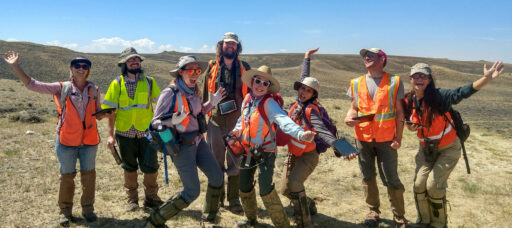
SWCA employs smart, talented, problem-solvers dedicated to our purpose of preserving natural and cultural resources for tomorrow while enabling projects that benefit people today.

At SWCA, you’re not just an employee. You’re an owner. Everyone you work with has a stake in your success, so your hard work pays off – for the clients, for the company, and for your retirement goals.
Community Engagement Turns Larimer County Water Master Plan into Action
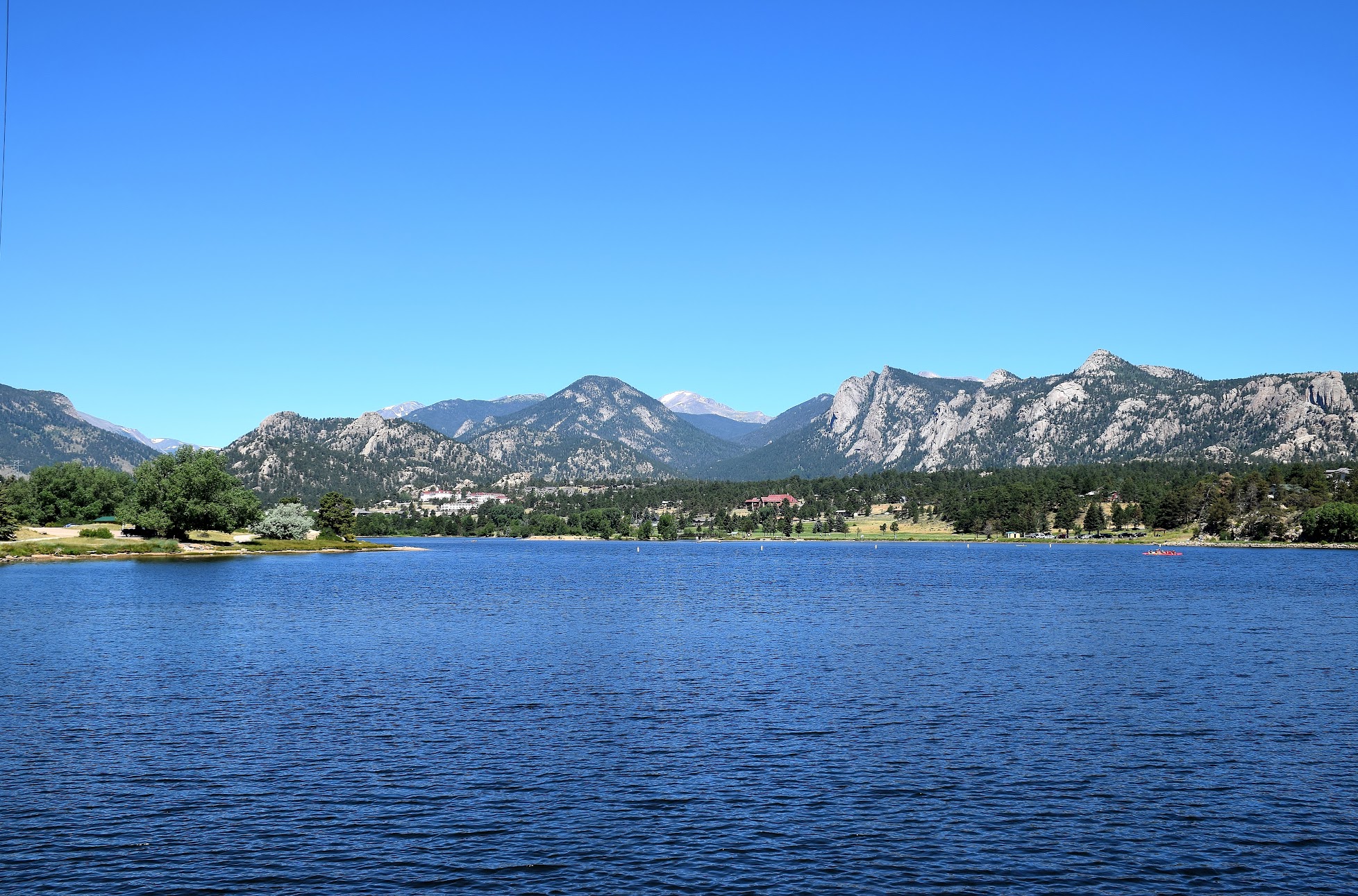
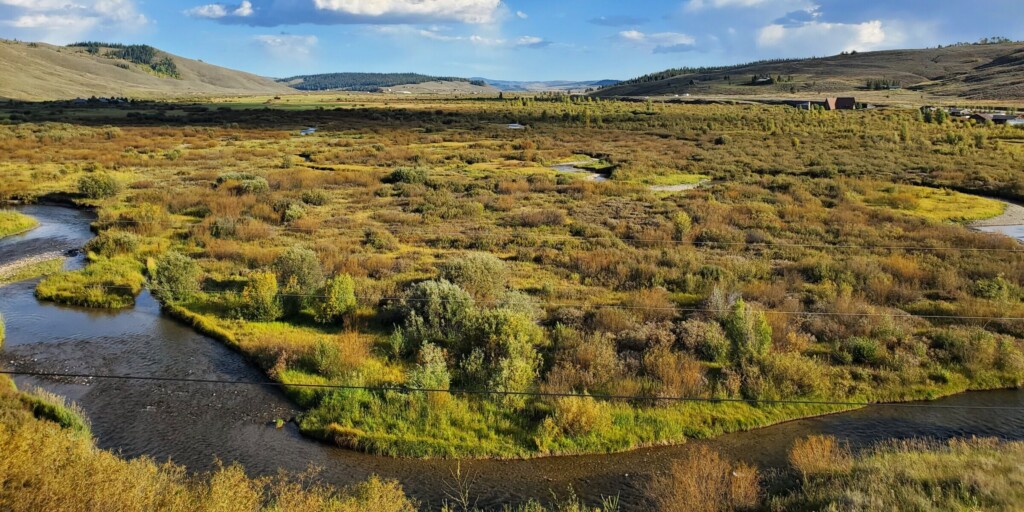
Located in northern Colorado, Larimer County is bounded in the west by the Continental Divide and Rocky Mountain National Park and in the east by I-25, Fort Collins and other northern Front Range municipalities. Home to over 350,000 people, the county is projected to grow 56% by 2040. This growth along with an uncertain future related to climate—including increasingly frequent droughts, severe weather events and wildfires—has created new challenges for the county’s watersheds.
To better understand and address these challenges, the County enlisted the help of SWCA Environmental Consultants and our partner, the water engineering consulting firm, AE2S in developing the Larimer County Water Master Plan.
The plan, which recently won a Growing Water Smart Award from the Colorado Chapter of the American Planning Association, is distinguished by its extensive community engagement effort.
“It was very important to the county that this plan did not just come from a small group of people working behind closed doors,” explains Chloe Lewis, senior restoration ecologist at SWCA. “Stakeholders needed to feel that they could contribute to the decision-making process on what the right goals, priorities and strategies for the plan were, especially in cases where they would be the ones responsible for implementing them.”
“That’s how we ensure that people continue to consult the plan years down the line, as they develop more formal policies, programs, and partnerships,” Lewis says. “If that’s not happening, the plan is not doing its work.”
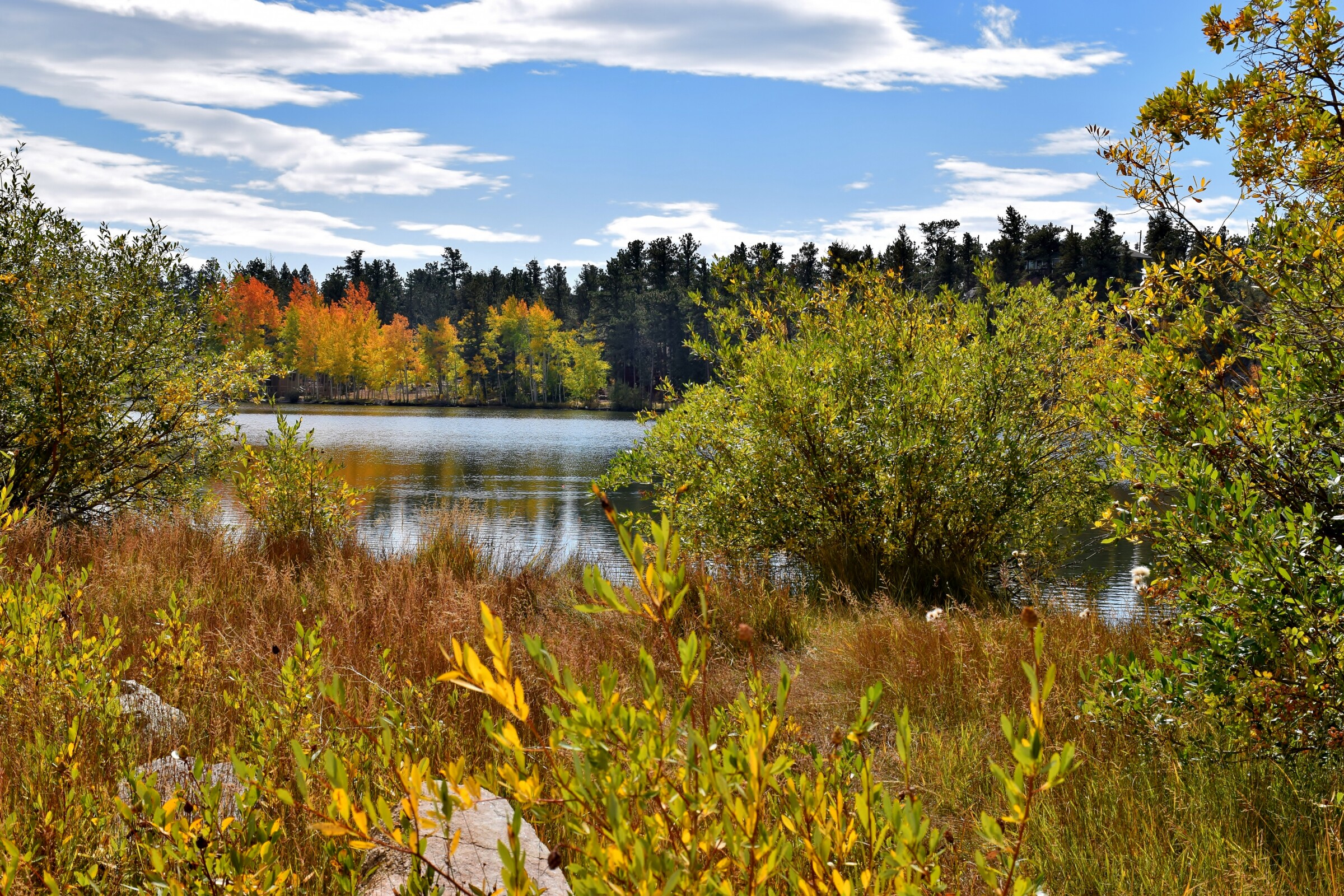
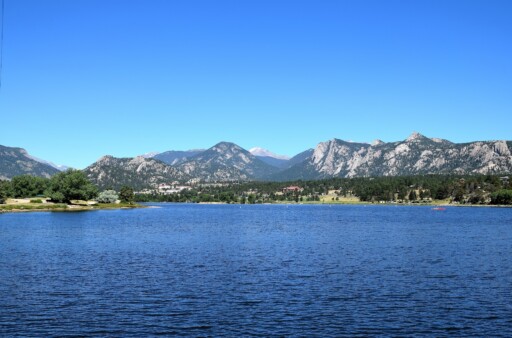
Lake Autumn; Photo by Alisha Jeffers
“The community itself made the process work,” says Sarah Lupis, part of SWCA’s Stakeholder Engagement Team. “Our governing bodies and local agencies hold meetings all the time, but what mattered so much with this effort is that the people showed up.”
Early in the process, SWCA worked with Larimer County to develop an extensive list of interested parties to recruit to participate in planning. This was followed by a robust outreach effort to make sure that people knew how they could get involved.
The project team fostered effective stakeholder engagement by structuring its efforts around different types of questions.
Technical Advisory Group (TAG): For questions that required domain-specific expertise (in hydrology, engineering, water rights, etc.), a Technical Advisory Group was formed. This small, focused group consisted mostly of water managers and staff from Larimer County and larger municipalities. It was critical in helping SWCA and its partner, AE2S, gather the data needed to develop a map-based model of the risks and opportunities for action across the county. This group also devised strategies to mitigate the risks they identified.
Water Advisory Group (WAG): The Water Advisory Group harnessed a different kind of expertise. Consisting of interested parties from across the county, it addressed more experiential and values-based questions, like “What do you value about your community? And what water issues concern you the most?” This group’s meetings could be observed by the broader public, who were also invited to a series of interactive open houses, where they could get updates and provide feedback on the plan as it came together.
Acting as a conduit between these groups, SWCA and the County promoted a dialogue that benefited from the technical expertise of the TAG while ensuring that its insights reflected the concerns and priorities of the larger community.
“The process encouraged community ownership of the plan,” by engaging a larger swath of the community in its development, says Lupis.

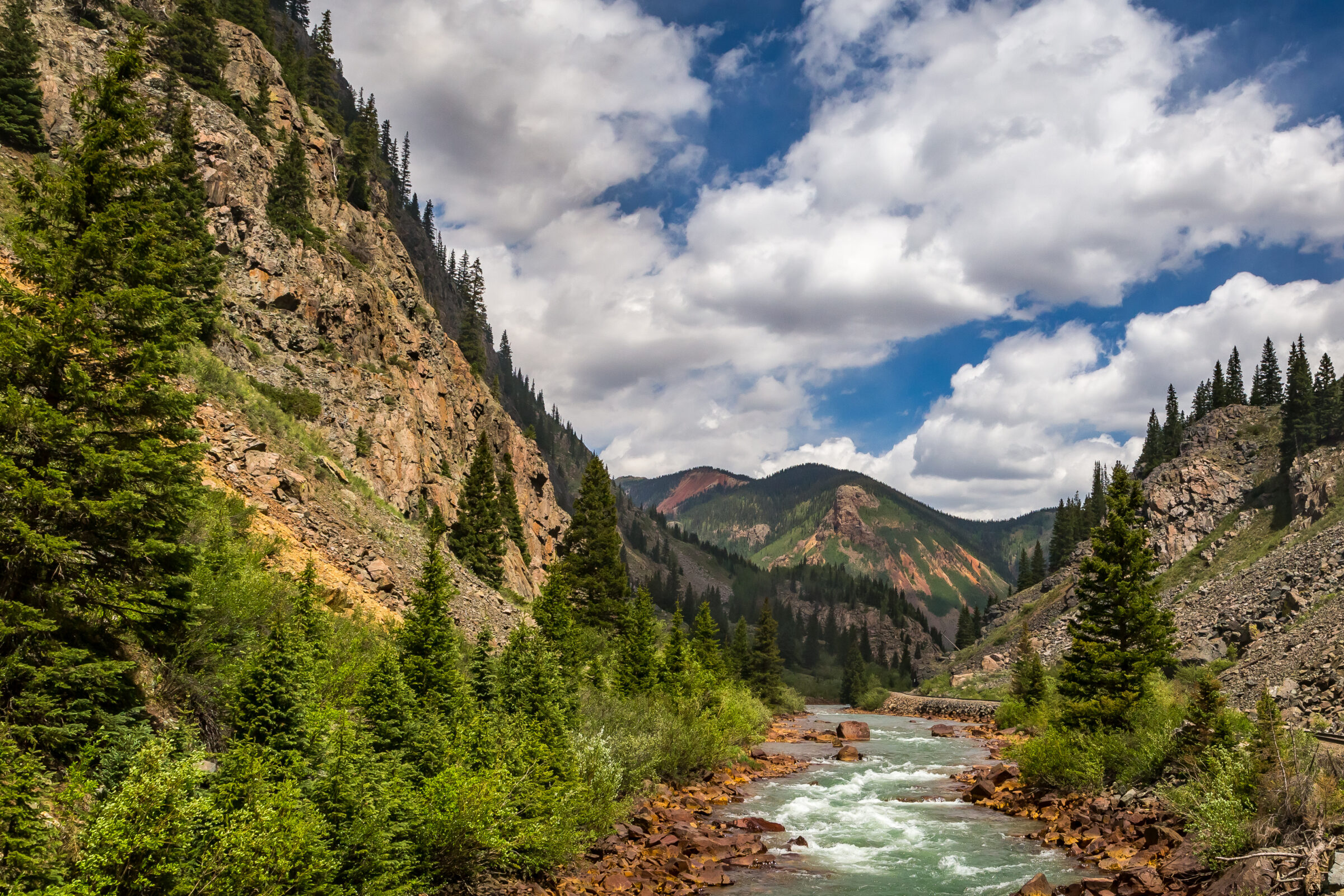
Snowy Poudre, Photo by Alisha Jeffers
Though securing stakeholder buy-in is important, community engagement is about more than that. The process also enabled the team to take stock of where the county is: What are different governmental and non-governmental groups already doing in terms of sustainable water practices? What initiatives are underway that the county can reinforce? What watershed stressors are motivating people to act?
“There are a variety of ways for a county to improve its water management,” Lewis says, “it was essential to figure out which strategies were a reasonable place to start. Careful thought was put into which strategies are the best fit for Larimer County’s culture, regulations, current and projected land use, its existing initiatives, and the pressures on its watersheds.”
“Master plans are often more ambitious than they are effective,” Lewis reflects. “It’s easy to dream up solutions to a county’s water challenges, but there’s only so much the county directly controls – which underscores the importance of engaging stakeholders.” Most of the steps an effective water master plan can take are collaborative. They involve working in partnership with other municipalities, utility providers, nonprofits, residents, and partners in industry and agriculture.
According to Lewis, the community engagement effort reshaped the plan’s goals multiple times in a way that left them more collaborative than before. “It’s subtle,” she says, “but if you look at the plan’s goals, you can see how collaborative they are. For instance, among other goals, they stress ‘communication… to support water sustainability,’ ‘aligning water planning efforts,’ and ‘promoting water literacy.’”
Larimer County is not dictating a set of solutions but is instead enlisting a broad array of partners to care for a shared resource. Ten key strategies for safeguarding the local and regional water system, aligning future land use with available water resources, and building resilient communities and ecosystems emerged from stakeholder discussions. The final plan captures these strategies and identifies supporting actions, potential partners, and funding opportunities for each.
The full-length Plan and appendices are publicly available on Larimer County’s website.
To learn more about the value of community engagement in watershed restoration projects, visit Chloe Lewis’s guest blog at the Poudre Heritage Alliance.