
2025
Comparably’s Best Company Outlook
* Providing engineering services in these locations through SWCA Environmental Consulting & Engineering, Inc., an affiliate of SWCA.


From the experts we hire, to the clients we partner with, our greatest opportunity for success lies in our ability to bring the best team together for every project.
That’s why:
At SWCA, sustainability means balancing humanity’s social, economic, and environmental needs to provide a healthy planet for future generations.
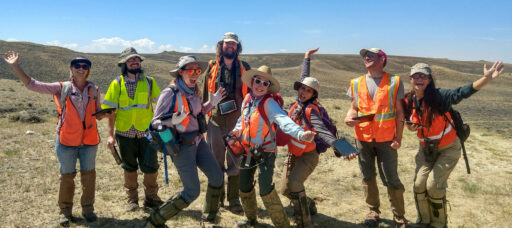
SWCA employs smart, talented, problem-solvers dedicated to our purpose of preserving natural and cultural resources for tomorrow while enabling projects that benefit people today.
At SWCA, you’re not just an employee. You’re an owner. Everyone you work with has a stake in your success, so your hard work pays off – for the clients, for the company, and for your retirement goals.
Middle Fork Coquille Falls Project: Improving Fish Passage Through Innovative Design and Implementation
Russell Bartlett, a licensed Professional Engineer in Oregon and Idaho, has over 17 years of experience leading dam removal, fish passage, and river restoration projects across the Pacific Northwest. He supports all phases of project planning and design, including project management, client coordination, field data collection (bathymetric and topographic surveys), terrain modeling using AutoCAD Civil 3D, and both 1D and 2D hydraulic modeling. He makes extensive use of hydraulic models to evaluate how habitat enhancements affect site-specific hydraulic conditions. His restoration work spans Oregon, Washington, California, Montana, and Idaho.
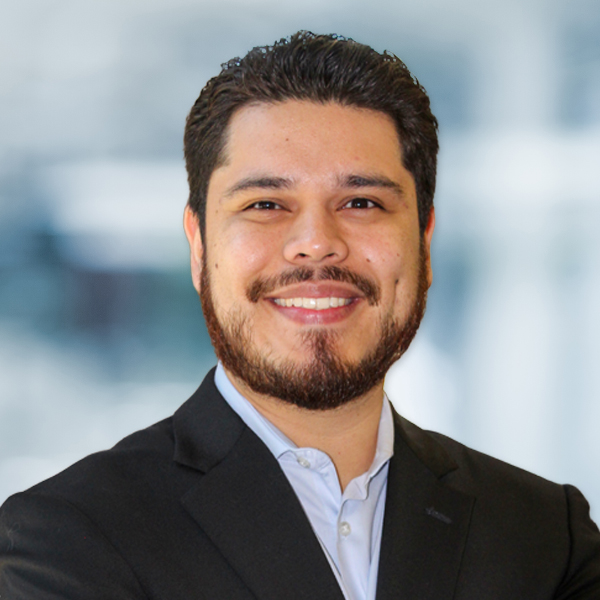
Anthony has been a member of SWCA’s Marketing Team since 2020. As a digital marketing professional with over five years of experience, he specializes in maintaining a strong and accurate online presence for the organization. In his current role, Anthony manages and optimizes SWCA.com, working closely with senior leadership, HR, and technical teams to ensure key pages are always up to date and aligned with company goals. Certified in Digital Marketing and Content Strategy, he brings a mix of technical expertise and strategic thinking to every project.
Anthony graduated from the University of Houston with a B.B.A. in Marketing and a minor in Sales. He lives in Houston, TX, where he enjoys exploring the city’s incredible food scene, catching a game, and taking in the museums and theaters.
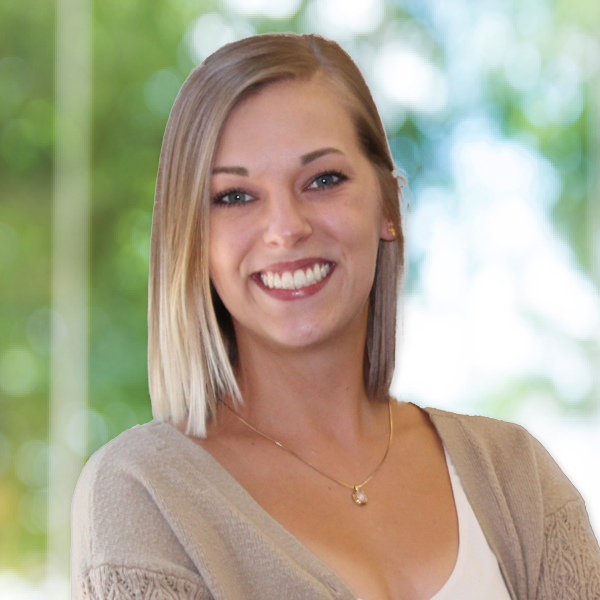
Emily Ochs is the Marketing Coordinator for SWCA’s Pacific Northwest region, where she brings strategic energy and collaboration to every project. Since joining SWCA in 2022, Emily has coordinated proposals, led business development and capture planning, and supported industry conferences—helping teams forge meaningful connections with clients and partners.
A proud University of Colorado Boulder Buffalo, Emily graduated in 2019 with a degree in political science. Her passion for creative problem-solving and relationship-building drives her to embrace SWCA’s core values in every aspect of her work and life. Whether she’s connecting with clients or supporting her colleagues, Emily is dedicated to making a positive impact across the Pacific Northwest and beyond.
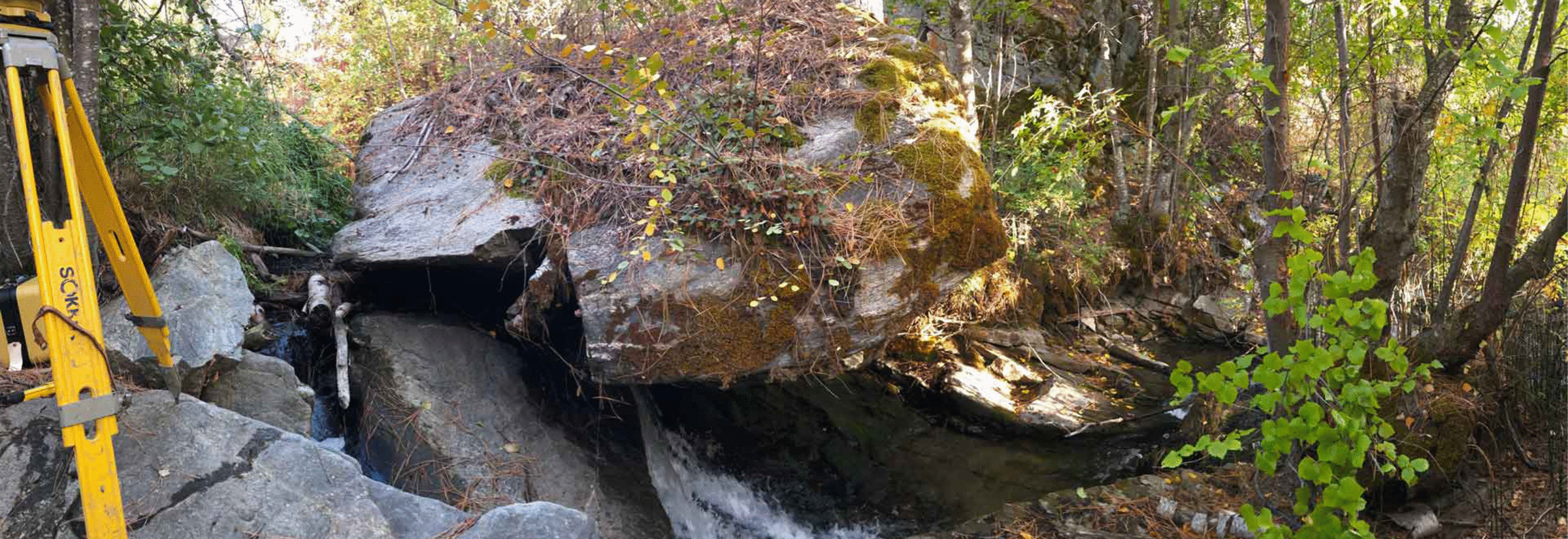
The Middle Fork Coquille Falls Project targeted a critical barrier to fish passage on the Middle Fork Coquille River in Oregon, where steep hillsides and the proximity of Oregon Highway 42 created formidable challenges. Beginning in 2022, River Design Group (RDG), now a part of SWCA, pioneered engineering strategies to overcome site access constraints, restore the channel to improve passage conditions, and meet regulatory requirements. After SWCA acquired RDG in 2024, our combined team provided on-the-ground technical expertise during the project’s implementation phase to ensure design intent compliance; driving pre-construction coordination, construction services, and successful closeout.
The need to restore fish passage at this site was urgent. Physical channel conditions, including large boulders within the channel, demanded immediate action. SWCA’s involvement ensured cohesive project partner coordination, creative engineering design, and high-quality deliverables to move the project from design to reality.
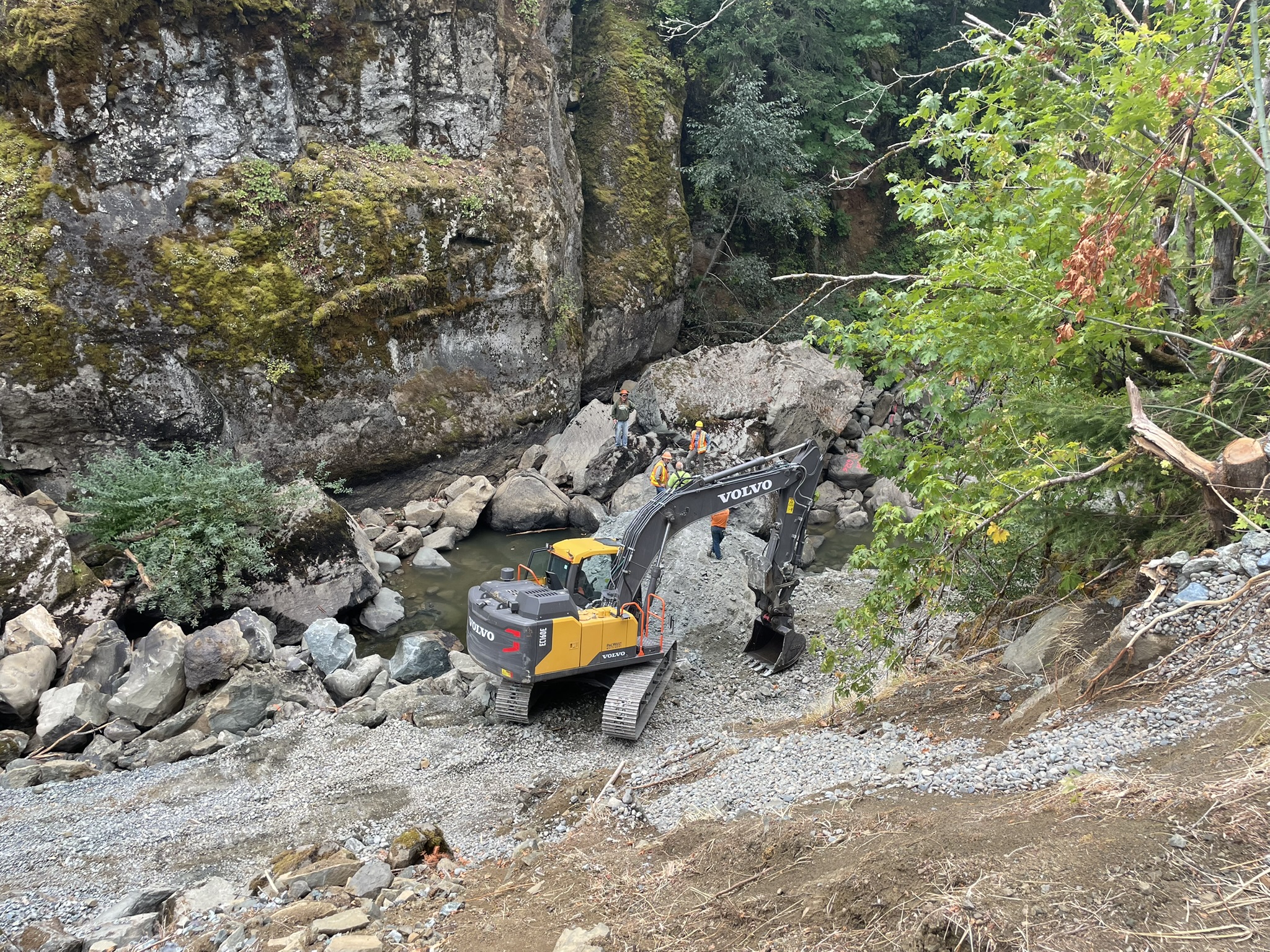
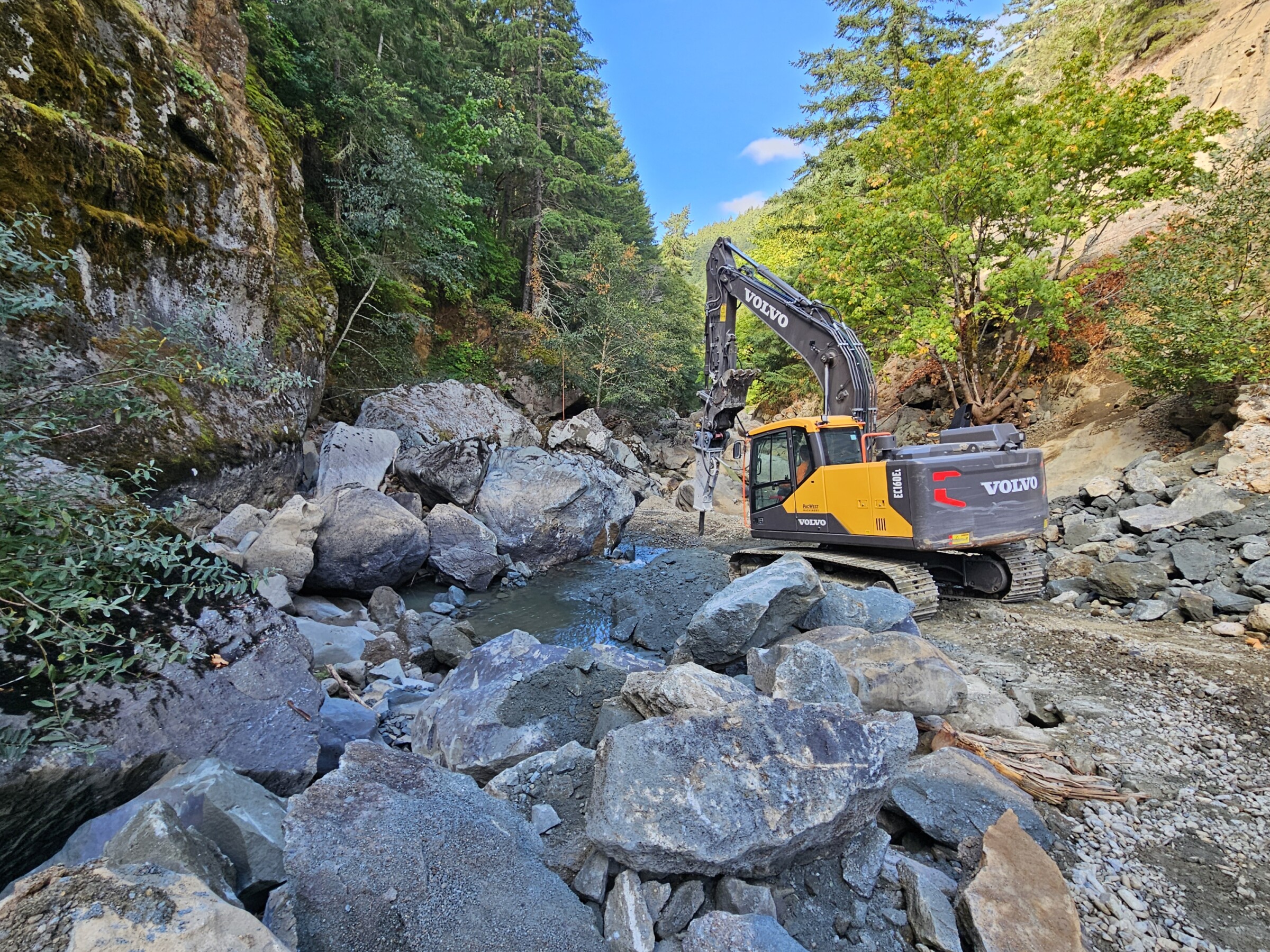
Heavy earthwork equipment entering the Middle Fork Coquille River canyon channel.
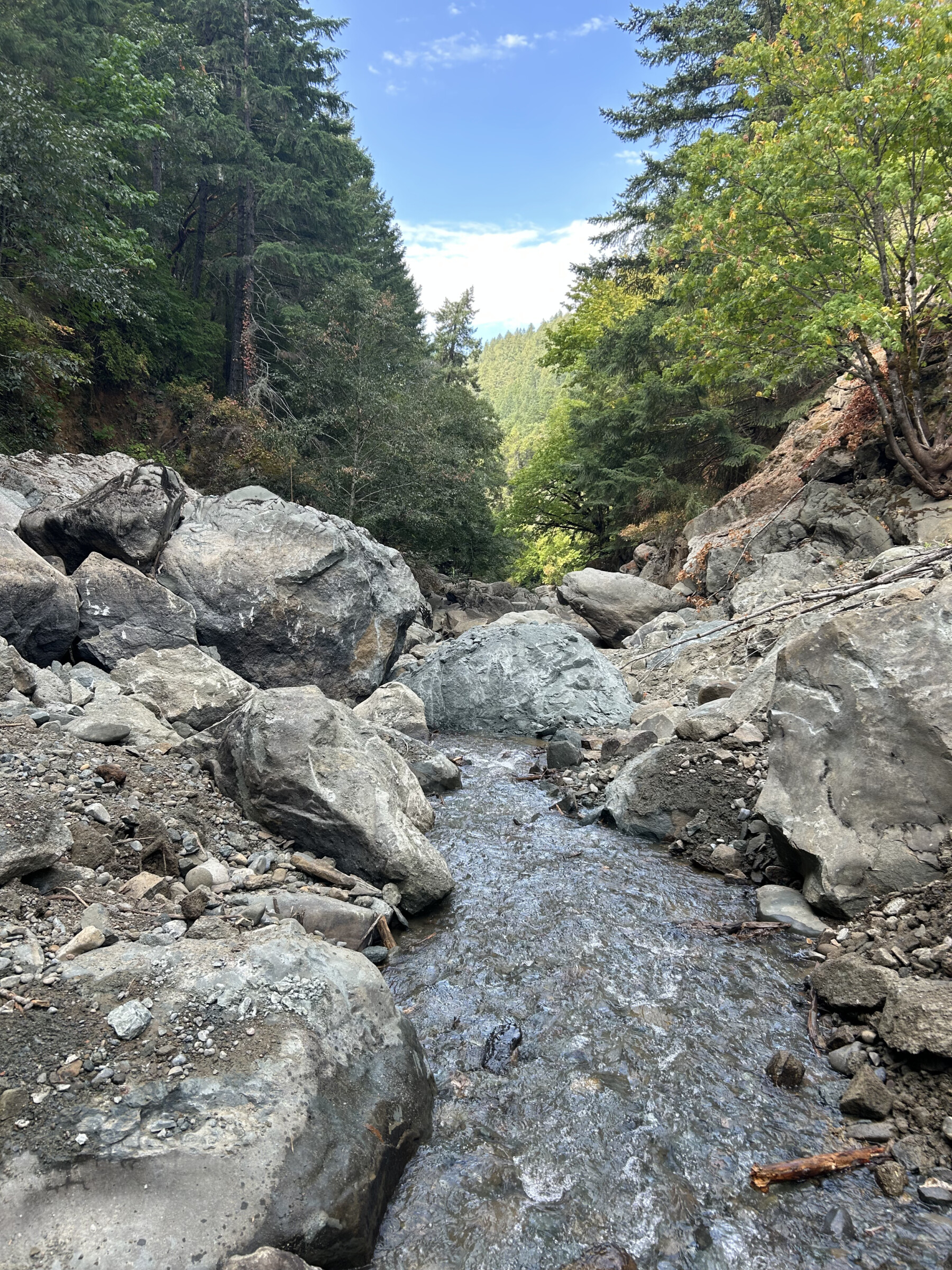
Post-project channel conditions showing a gravel low-flow channel with strategically exposed boulders to enhance hydraulic complexity.
The Falls location between steep terrain and the adjacent highway made access and in-channel work exceptionally complex. SWCA’s team navigated stringent environmental regulations and applied best management practices to safeguard the river’s ecosystem throughout construction by proposing work area isolation measures, site access methodologies, and construction techniques. These challenges mirrored those faced by clients working in sensitive habitats, where ecological stewardship and regulatory compliance are essential.
The project was part of a holistic effort to improve fish passage, habitat connectivity, and habitat quality in the Middle Fork Coquille watershed in partnership with the Coquille Watershed Association (CoqWA) and Oregon Department of Fish and Wildlife (ODFW). Eliminating the anthropogenic fish passage barrier allowed for the restoration of approximately 9.5 miles of spawning and rearing habitat for Oregon Coast coho salmon, Chinook salmon, winter steelhead, and pacific lamprey. The project will also benefit populations of coastal cutthroat and freshwater mussels that reside in the Coquille sub-basin.
SWCA provided construction administration services for the project, including pre-construction planning, contractor submittal review, project stakeout, and onsite construction observations ensuring all work conformed to the project design intent. Given the project’s complexity, including selective boulder reduction (jack hammering), relocation, and removal to establish a passage channel, SWCA facilitated near-daily coordination with project partners and the contractor to maintain alignment with design objectives.
Throughout construction (August to September 2025), SWCA conducted multiple site visits to observe key milestones in the construction sequence and document progress. The final as-built survey with aerial imagery provided stakeholders with detailed, reliable documentation of final site conditions. SWCA staff built upon an 8-year relationship with the project partners, allowing the team to feel confident in the technical input provided by our engineers.
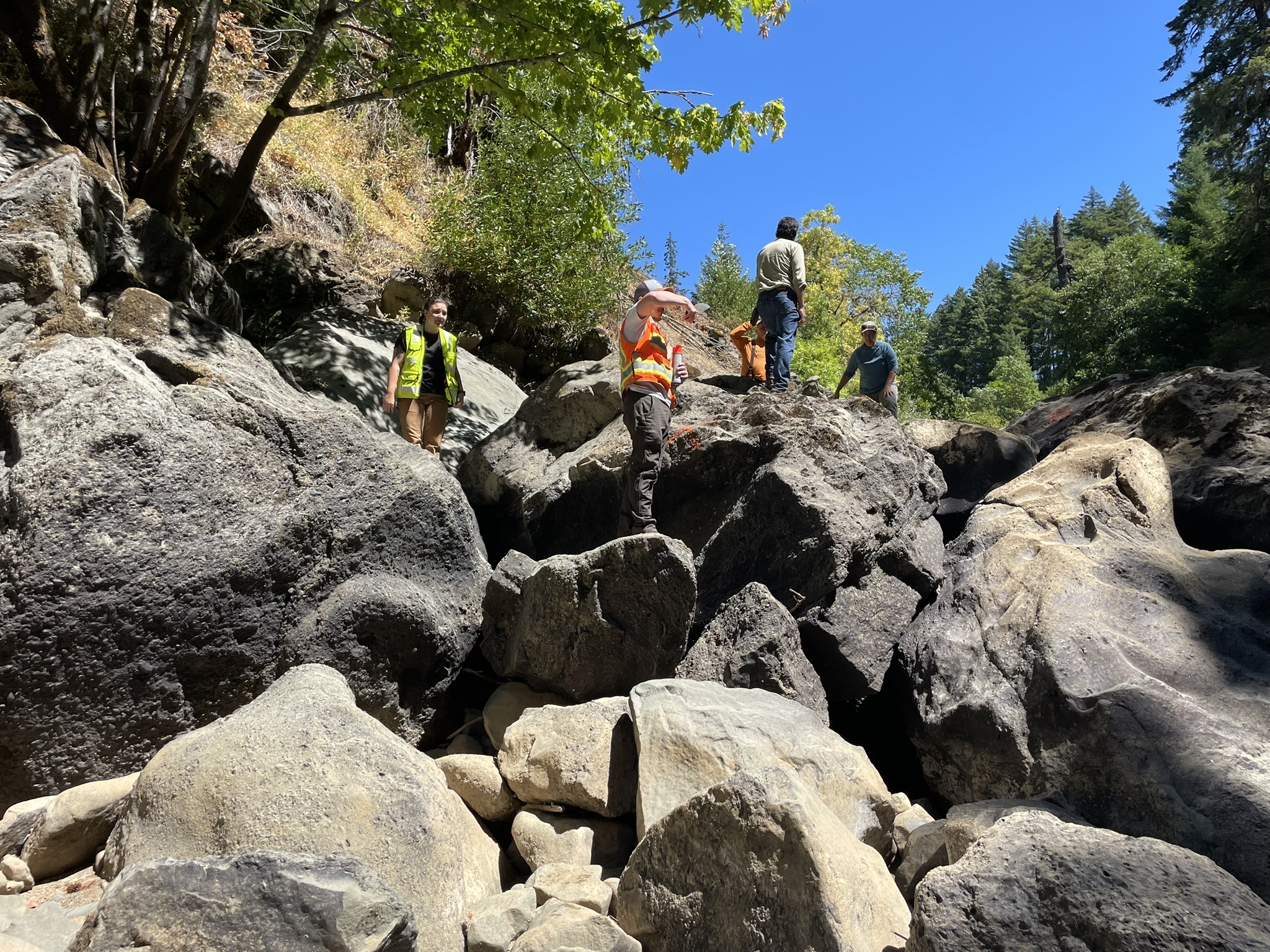
Project partners (Oregon Department of Fish and Wildlife, Coquille Watershed Association, SWCA, and Blue Ridge Timber Cutting) accessing site conditions during the pre-construction meeting.
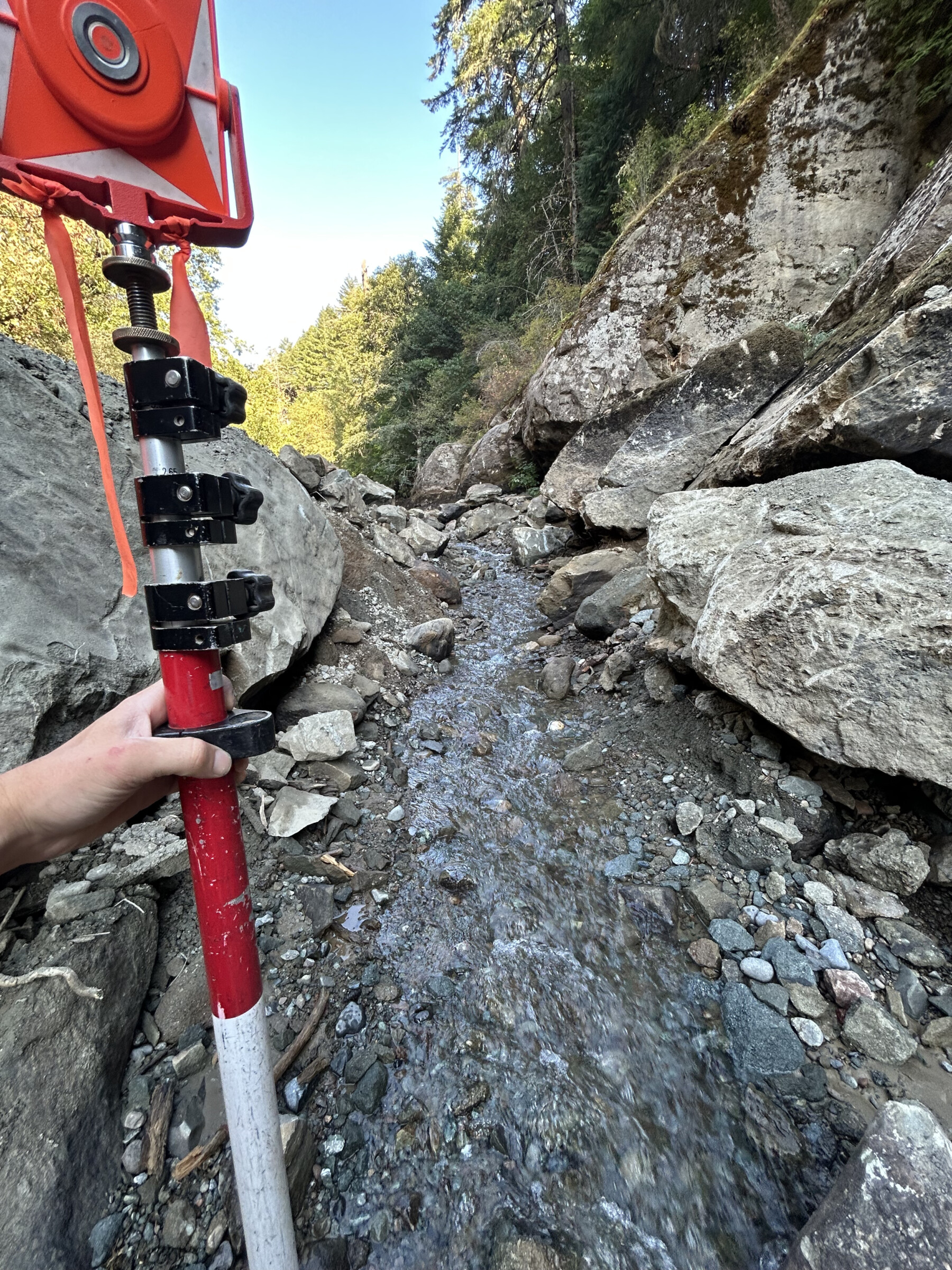
SWCA staff conducting a total station as-built bathymetric survey of the newly developed passage channel.
Through Sound Science, Creative Solutions, and a commitment to technical excellence, the Middle Fork Coquille Falls Project has significantly improved fish passage and advanced the broader goals of ecological restoration in the watershed. SWCA’s transparent and collaborative oversight, from conceptual design through post-construction documentation, ensured that every project milestone was met with precision and accountability. Our rigorous approach not only satisfied regulatory requirements but also instilled confidence among project partners. The success of the Middle Fork Coquille Falls Project stands as a testament to what can be achieved through expert coordination, innovative implementation, and a shared vision for healthy, connected river systems and reflects SWCA’s dedication to delivering lasting environmental benefits while meeting the needs of partners and stakeholders.