
2025
Comparably’s Best Company Outlook
* Providing engineering services in these locations through SWCA Environmental Consulting & Engineering, Inc., an affiliate of SWCA.


From the experts we hire, to the clients we partner with, our greatest opportunity for success lies in our ability to bring the best team together for every project.
That’s why:
At SWCA, sustainability means balancing humanity’s social, economic, and environmental needs to provide a healthy planet for future generations.
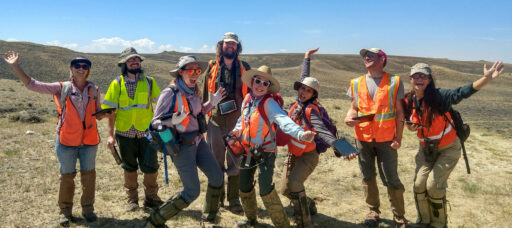
SWCA employs smart, talented, problem-solvers dedicated to our purpose of preserving natural and cultural resources for tomorrow while enabling projects that benefit people today.
At SWCA, you’re not just an employee. You’re an owner. Everyone you work with has a stake in your success, so your hard work pays off – for the clients, for the company, and for your retirement goals.
Preserving the Past & Future of Oregon’s Coquille Watershed
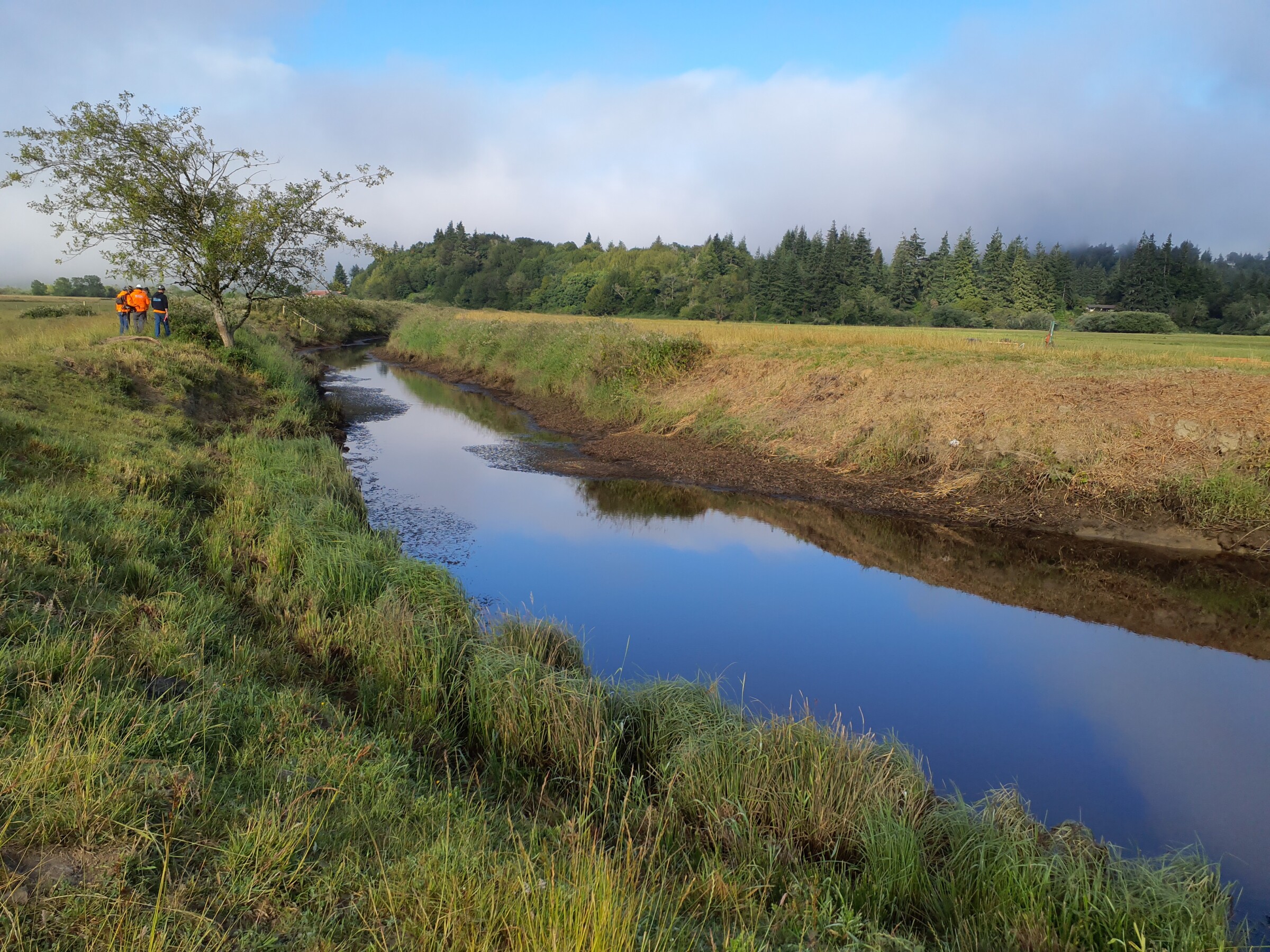
Ashlynn joined SWCA in 2025 as a Marketing Specialist supporting proposal development across the South region. She collaborates closely with technical staff and proposal teams to develop compelling proposal materials that highlight SWCA’s expertise, people, and project experience. Ashlynn is particularly skilled at translating complex technical information into clear, engaging narratives that help proposal teams communicate the value and impact of SWCA’s work. She earned her bachelor’s degree in Environmental Studies and English from Albion College in 2024. Based in Michigan, Ashlynn is passionate about environmental justice and expanding equitable access to environmental knowledge and the outdoors.
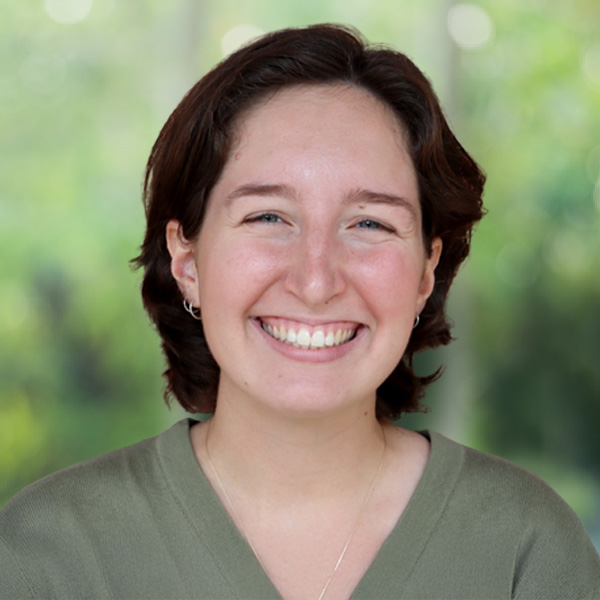

The Coquille Watershed Association (CoqWA) has long been committed to protecting the natural resources and communities of Coos County, Oregon. Supporting native fish species, agriculture, industry, and the people who call this valley home, the Coquille River and its watershed also serve as a living historical record that preserves the stories of past inhabitants. As part of its efforts to restore ecological balance, CoqWA launched the Beaver Slough Restoration Initiative to improve fish passage and habitat connectivity.
SWCA’s Portland, Oregon-based cultural resources team joined the effort to document the historical and cultural significance of the area while contributing to the initiative’s ecological goals. In partnership with the Coquille Indian Tribe, who lived on and stewarded this land for centuries, SWCA helped set a new precedent for how restoration can respectfully integrate Indigenous knowledge, archaeology, and environmental science.
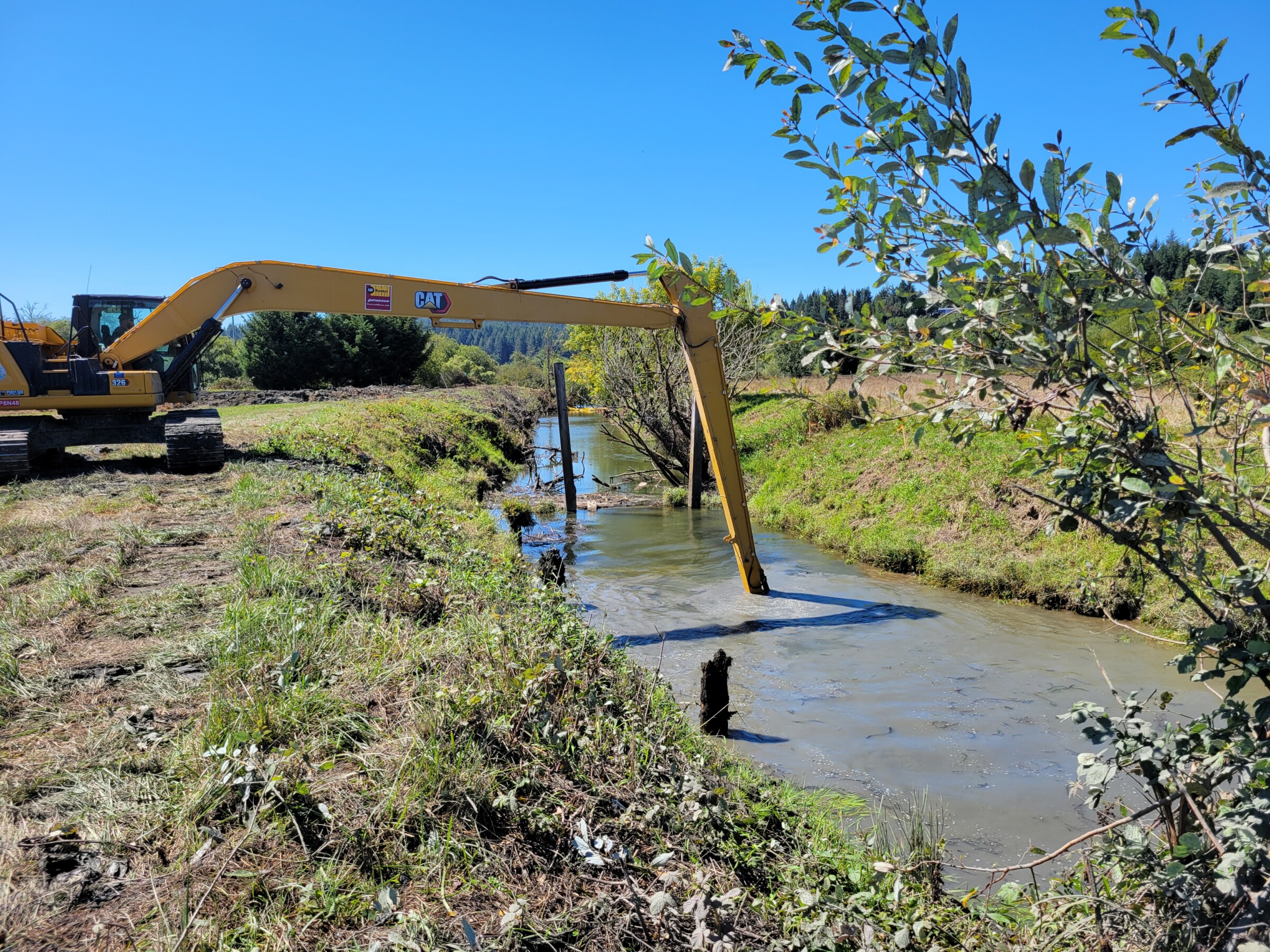
Dredging of Beaver Slough. Artifacts were recovered from the spoils.
Part of the Coquille Tidal Wetland Conservation Project, the Beaver Slough Restoration Initiative aims to improve access for native salmonid species, particularly the Oregon coast coho salmon (Oncorhynchus kisutch) to floodplain habitats of Beaver Slough. This project seeks to restore natural ecological processes to support the health of local fish populations and the surrounding watershed.
However, the project area is also within a culturally sensitive region for the Coquille Indian Tribe, requiring a careful balance between ecological restoration and the preservation of cultural heritage. SWCA’s cultural resources team supported Indigenous relations throughout the project, coordinating archaeological monitoring, engaging in active discussions with the Coquille Indian Tribe, and maintaining a flexible and creative approach.
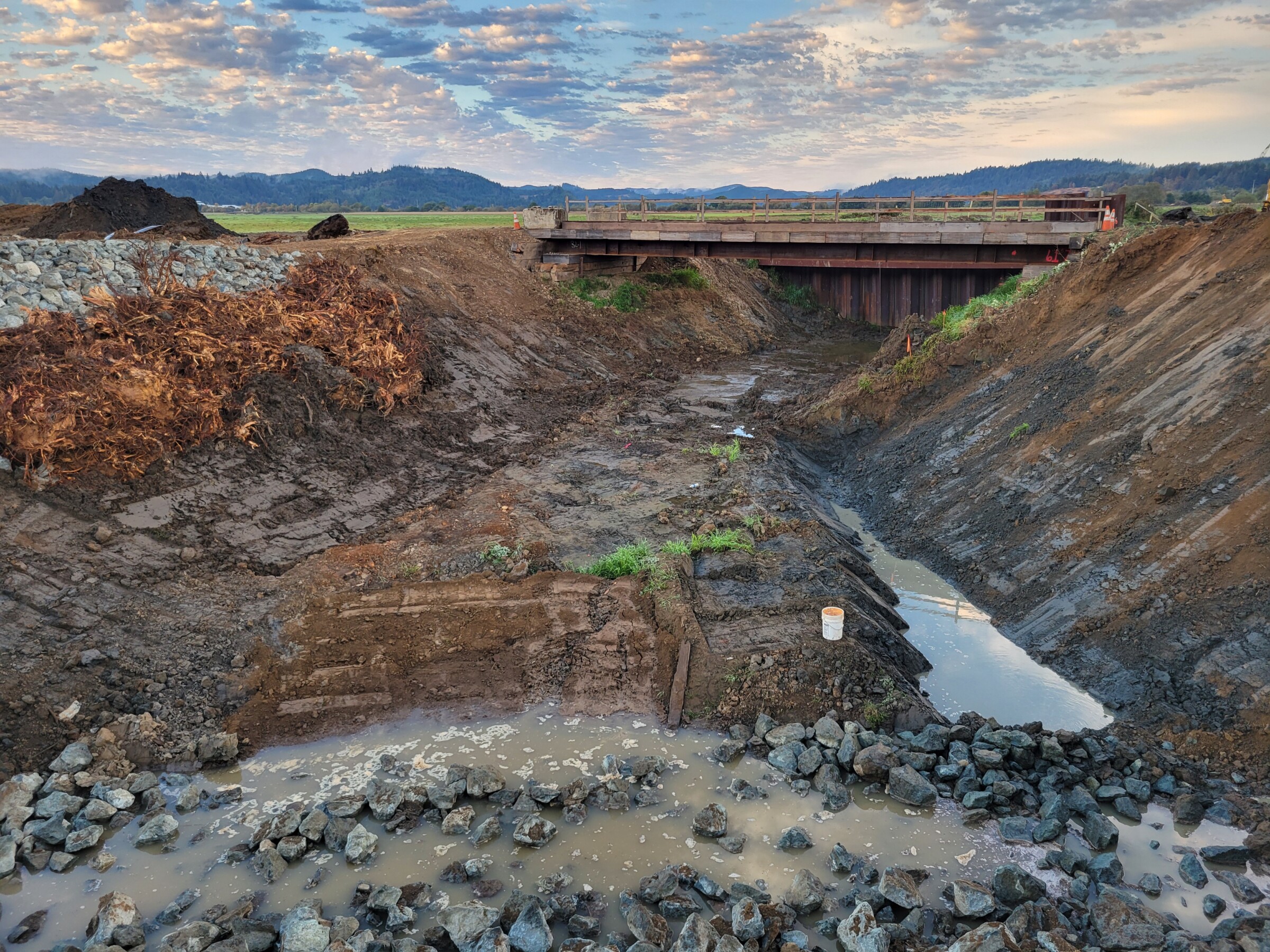
Drained and graded section of Beaver Slough near the new tide gate. This is the northern extent of the archaeological site.
Recognizing the importance of collaboration, SWCA facilitated meetings with the Coquille Indian Tribe to foster open communication and mutual understanding. Through these discussions, SWCA worked alongside the Tribe to identify potential cultural impacts and develop creative mitigation strategies that honored the Tribe’s heritage while enabling the ecological restoration project to move forward.
“During the shovel probe survey (an early phase of the project), a Tribal member joined us through the day-to-day,” shares Caelie Butler, associate project archaeologist at SWCA. “Their interpretation and stories of the landscape were vital to this project. ”
The inclusion of Indigenous knowledge played a key role, not only in understanding the cultural significance of the project area, but also in enriching the ecological restoration process. Generational knowledge about local waterways, salmon behavior, and traditional fishing practices like the use of fish weirs added essential context that might otherwise have been overlooked.
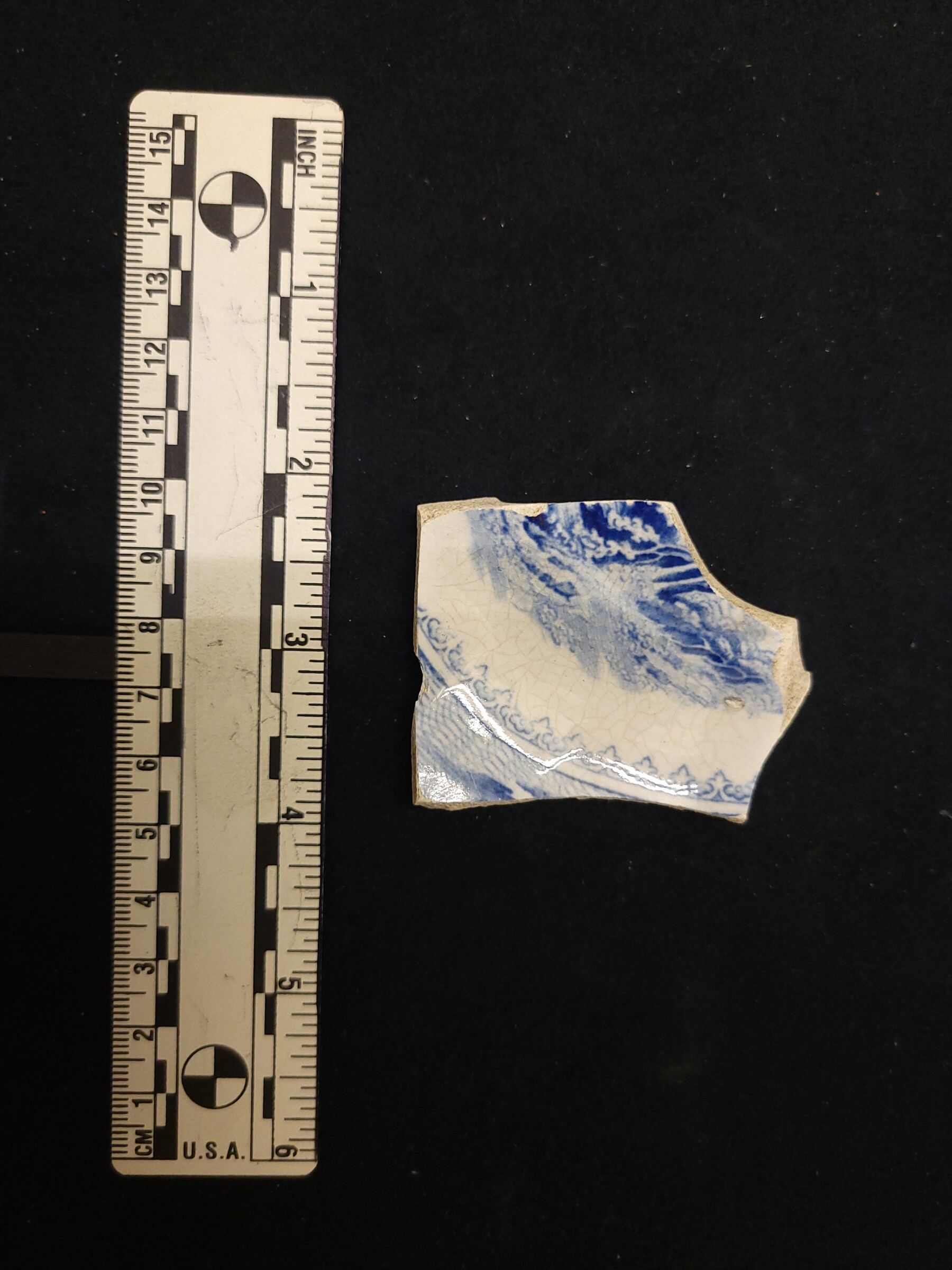
Artifacts from the site include a piece of transfer printed ceramic, likely dating to the late nineteenth century.
While on-site, the SWCA team remained alert to the possibility of identifying pre-contact river constructions known as fish weirs – vertical wooden posts historically installed to direct and trap fish during tidal changes. Recognizing their importance to the Coquille Indian Tribe, SWCA took proactive steps to ensure proper identification and treatment of these archaeological resources.
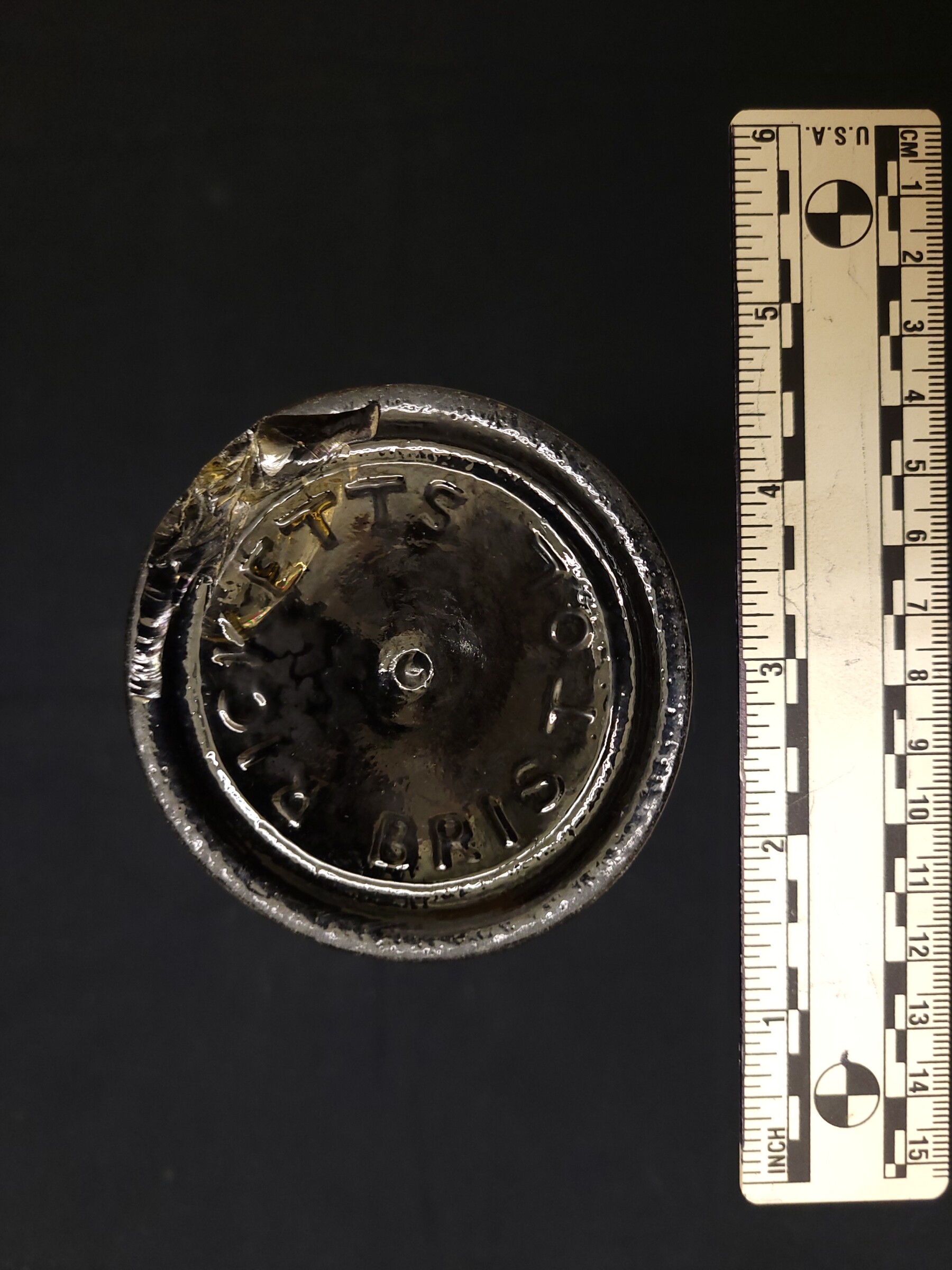
A black, glass liquor bottle dating to the 1840 was found at the site.
Following guidance from Tribal members, SWCA’s cultural resources team received training at the Coquille Indian Tribe’s Archaeological Laboratory on how to detect potential weir evidence within subsurface deposits. The team also visited intact fish weirs with the Tribe, to see them in their original context – examples of how Indigenous perspectives can shape field methodologies and elevate cultural stewardship.
“We are committed to understanding the concerns and the context of where we are,” shares Amanda Carrol, Cultural Resources Director – Pacific Northwest. “Listening to the Tribe’s concerns and learning how to do the best we can if we identify anything significant, was integral to our approach.”
Ultimately, no fish weirs were found, but incorporating Indigenous knowledge led to more culturally sensitive outcomes that strengthened the overall project. By weaving traditional ecological understanding into modern restoration practices, the team helped ensure that both natural and cultural systems could thrive.
The team prepared for the possibility of finding significant Indigenous archaeological resources, but they were surprised by the extent of their actual discoveries. While monitoring the dredging of Beaver Slough, the team found 160 artifacts in its sediments, ranging from 1840s-era bottles and ceramics to items from the 1970s, including shoe leather and domestic goods.
The breadth and depth of the collection intrigued the team, providing a glimpse into the cultural and historical layers of the area while ensuring these findings were appropriately documented and preserved.
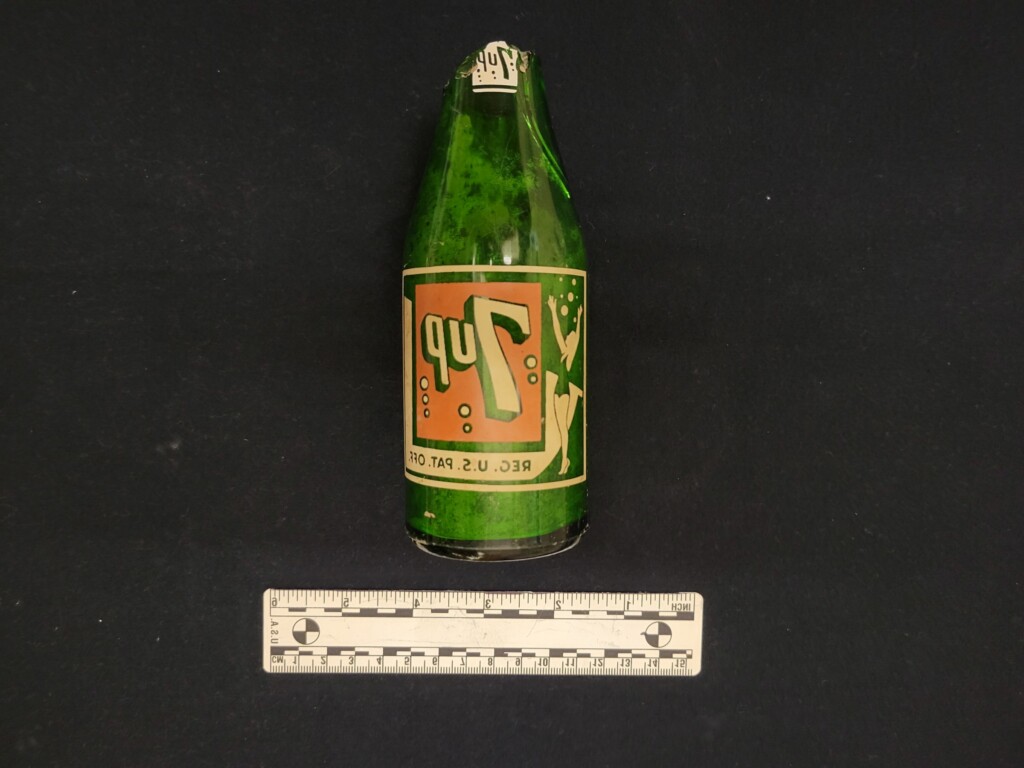
A 7-Up bottle dating from the 1930s-1950s was also recovered from the spoils.
This collaboration between SWCA, CoqWA, and the Coquille Indian Tribe demonstrates what’s possible when ecological restoration is guided by both scientific expertise and cultural respect.
Thanks to early and consistent engagement, the Tribe was able to shape the project’s implementation. Careful consideration of culturally sensitive areas helped ensure that the Coquille Indian Tribe’s heritage is protected for future generations. These outcomes reflect a meaningful step toward honoring the Tribe’s longstanding connection to the land and water.
For CoqWA, the project was a success on multiple fronts. By working with reviewers from the United States Army Corps of Engineers, the State Historic Preservation Office, and the Coquille Indian Tribe, SWCA’s cultural resources team ensured compliance with Section 106 of the National Historic Preservation Act (NHPA) and enabled CoqWA to advance its ecological goals. The removal of tide gate infrastructure and restoration of tidal wetlands have opened fish passages and reconnected floodplain habitats—supporting native salmon populations and enhancing the long-term resilience of the watershed.
SWCA views projects as an opportunity to listen, learn, and grow. This initiative exemplified that mindset, not just internally, but in practice and with real impact. By building trust, honoring heritage, and delivering results, the team helped set a precedent for how restoration work can uplift both ecosystems and the communities who depend on them.