

2025
Comparably’s Best Company Outlook
* Providing engineering services in these locations through SWCA Environmental Consulting & Engineering, Inc., an affiliate of SWCA.


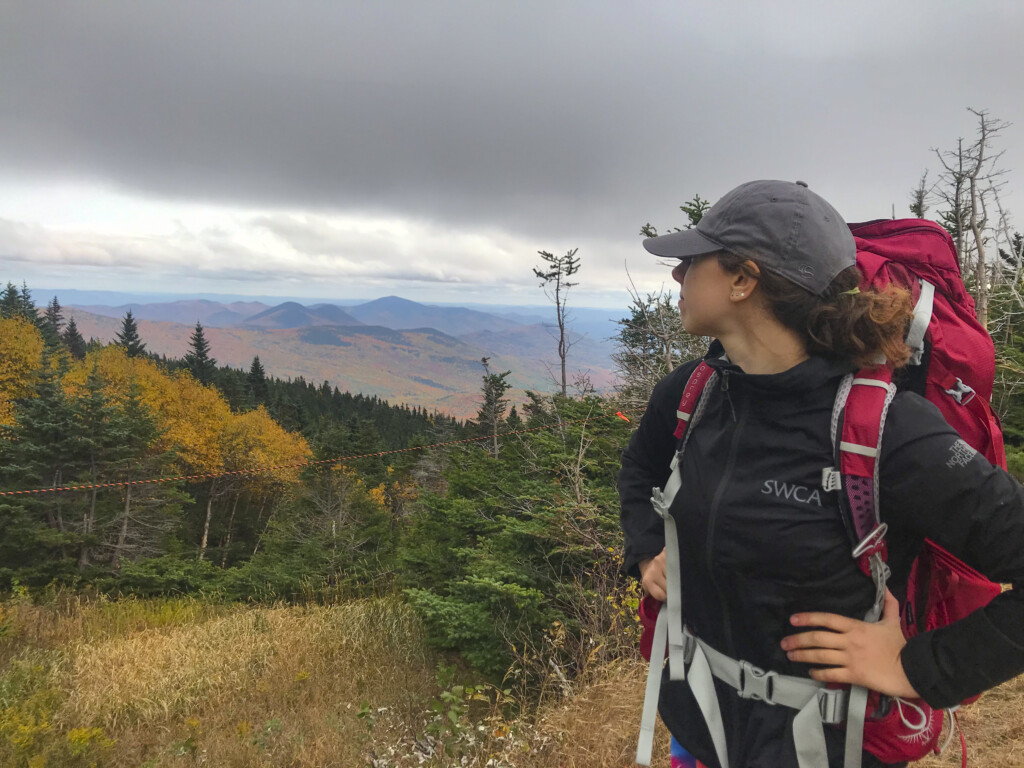
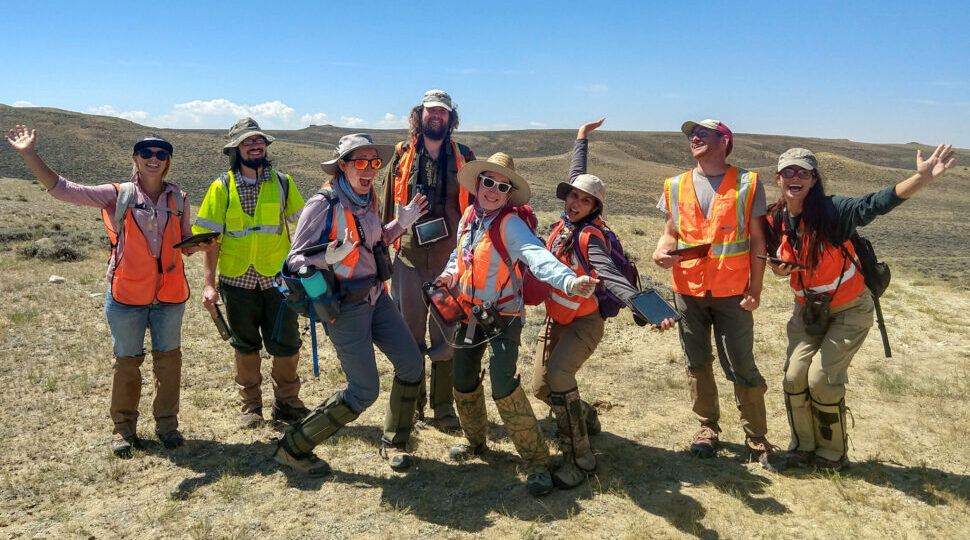
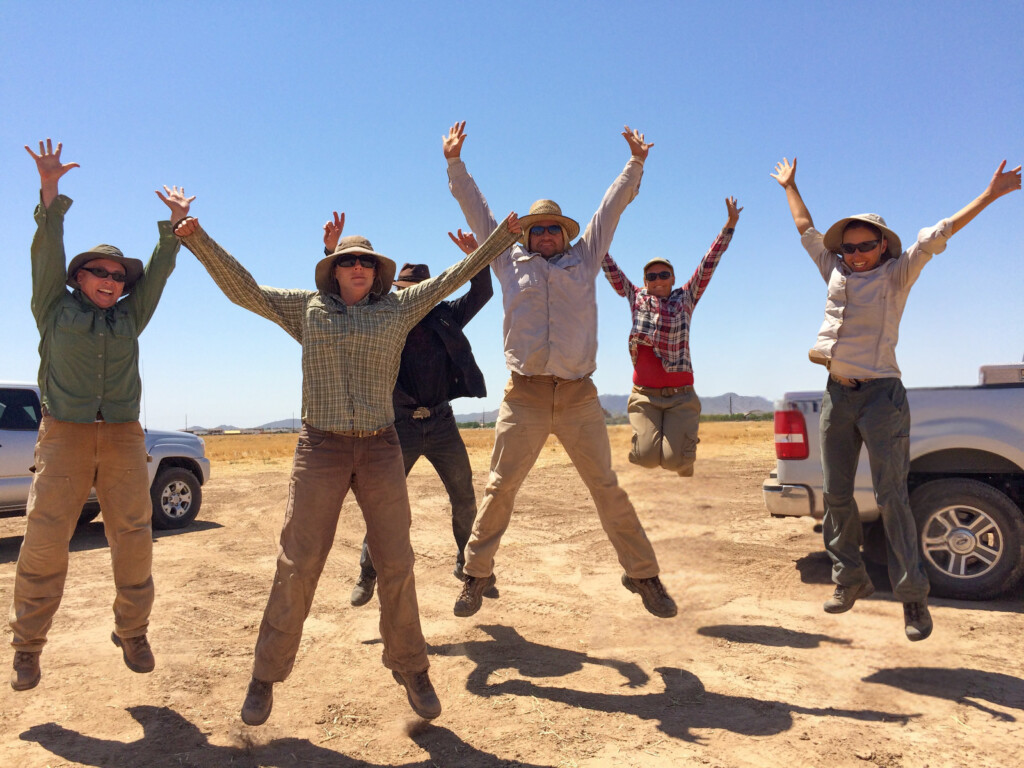
From the experts we hire, to the clients we partner with, our greatest opportunity for success lies in our ability to bring the best team together for every project.
That’s why:
At SWCA, sustainability means balancing humanity’s social, economic, and environmental needs to provide a healthy planet for future generations.
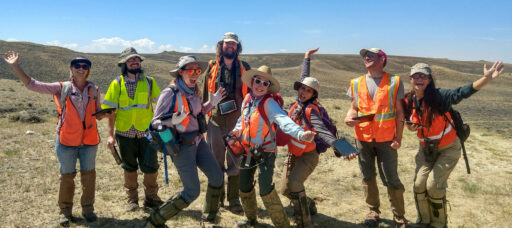
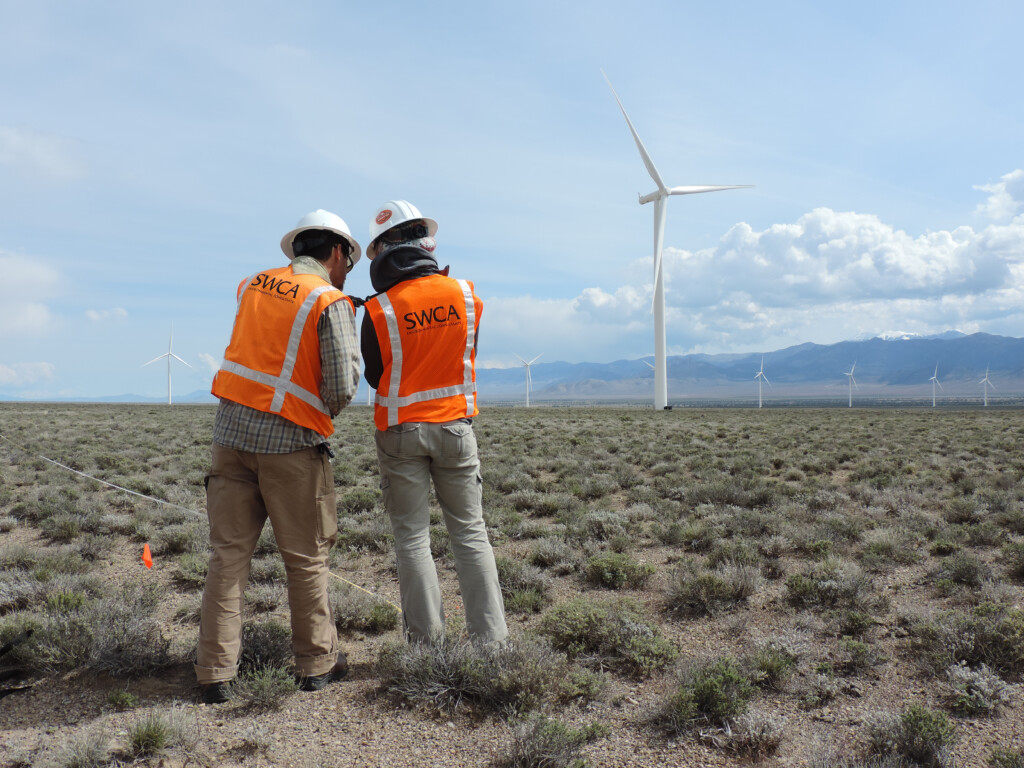
SWCA employs smart, talented, problem-solvers dedicated to our purpose of preserving natural and cultural resources for tomorrow while enabling projects that benefit people today.

At SWCA, you’re not just an employee. You’re an owner. Everyone you work with has a stake in your success, so your hard work pays off – for the clients, for the company, and for your retirement goals.
What You Need to Know in the Rapidly Evolving Landscape of Bat Regulations

Drew is one of SWCA’s Midwest lead project managers specializing in renewable energy projects and Endangered Species Act compliance. He is a federally permitted bat biologist with 16 seasons of field survey experience.

Hannah Foureman-Smith is a marketing professional at SWCA with a passion for strategy, data, and content. She enjoys finding the story behind the numbers and translating complex topics into clear, compelling communication for a range of audiences.



As bat survey season approaches in 2026, project teams across the United States are navigating a regulatory environment that looks very different than it did just a few years ago. The Endangered Species Act (ESA) listings have expanded, guidance documents have multiplied, and agencies continue to refine how they review projects that may affect federally protected bat species.
Our bat biologists and ESA practitioners are seeing these changes play out in real time during consultation. For projects with potential bat habitat, one thing is clear: start planning now. The pace of regulatory change, combined with ongoing uncertainty in implementation, makes early, project-specific strategy essential to managing schedule and compliance risk.
In 2023, the U.S. Fish and Wildlife Service (USFWS) reclassified the northern long-eared bat (Myotis septentrionalis) from threatened to endangered. This action removed the species-specific 4(d) rule and therefore significantly expanded the scope of activities for which take is prohibited . In practice, this reclassification increased scrutiny of potential take and reinforced the importance of early coordination.
The tricolored bat (Perimyotis subflavus) was proposed for listing as endangered under the ESA in 2022, and while a final listing typically follows 12 months after the proposal, to date a final rule has not been published and it is unknown when or if it will be. While take of proposed species is not prohibited, federal agencies must consider them in their permitting processes, so the species’ presence may trigger additional scrutiny and project coordination.
The USFWS released a suite of tools for northern long-eared bat and tricolored bat consultation, including a range-wide Determination Key and other guidance documents, in late 2024. “These tools released in recent years provide important conservation recommendations,” said Drew Carson, Senior Natural Resources Team Lead. “But they do not automatically apply to every project. The key is understanding which elements are relevant to your site and your project.”
These listing and guidance updates have expanded the geographic and seasonal reach of bat-related considerations. Projects that previously faced limited bat constraints may now encounter additional review, documentation requirements, or survey timing challenges.
While these tools aim to provide consistency, our teams often see variation in how they are applied across regions and project types. Updated habitat models, consultation ranges , and seasonal restrictions can influence each project’s compliance strategy. Project teams that engage early and maintain flexibility are better positioned to adapt to these evolving expectations.
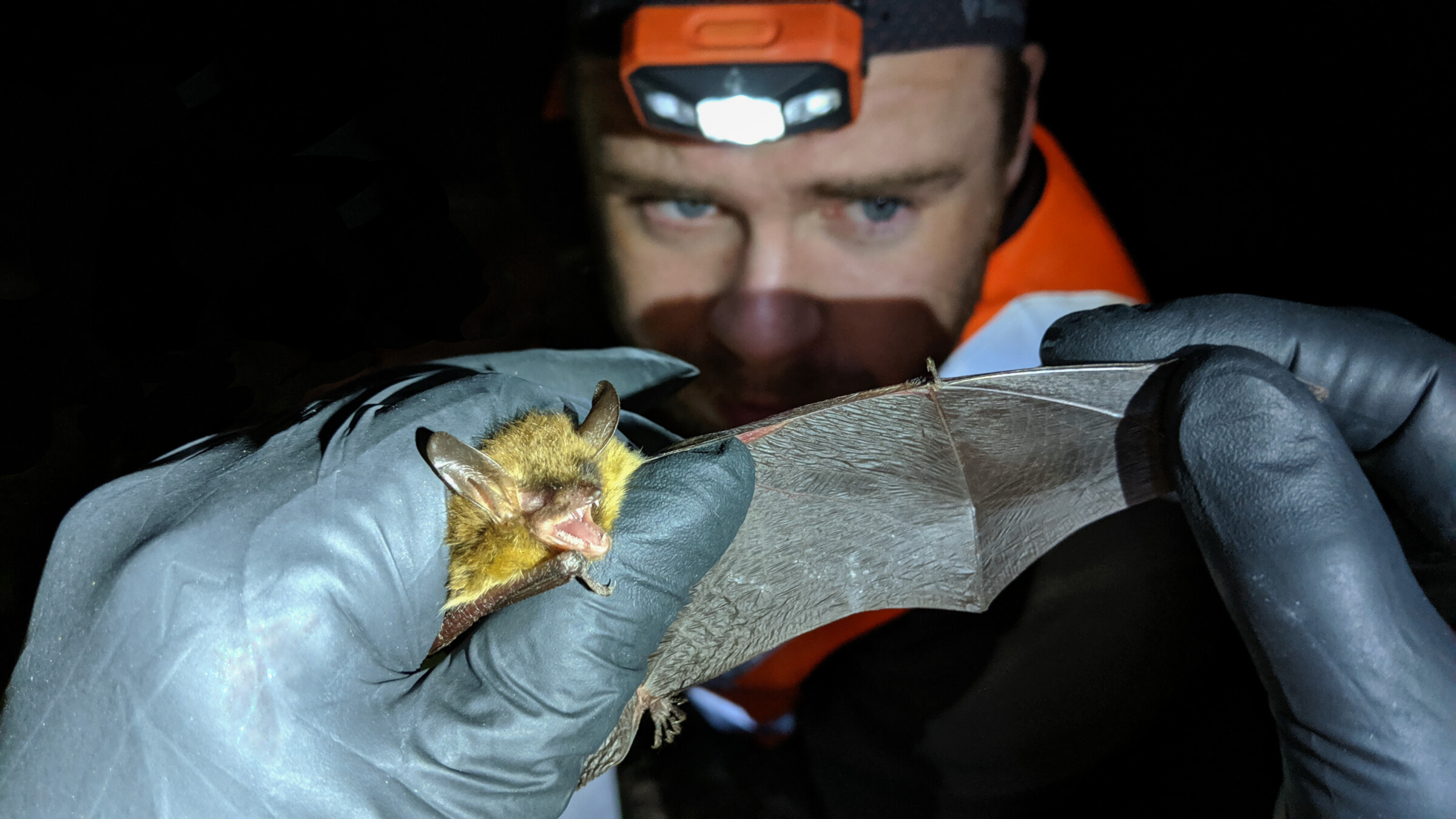
Drew Carson looks on as a northern long-eared bat is processed, West Virginia.
In recent years, the USFWS has updated range-wide survey guidance for species such as the Indiana bat (Myotis sodalis) and the northern long-eared bat. The agency has also refined consultation frameworks, modeling tools, and determination keys. These tools have been updated several times and without advance notice. Presuming species presence and relying on predetermined avoidance and minimization measures leaves a project exposed to the risk of guidance updates and USFWS opinion. Surveying to determine presence or probable absence can eliminate the need for conservation measures—and risk of changing guidance—if probable absence of the target species is documented.
For projects entering siting or early permitting in 2026, survey timing presents a critical risk. Many bat species have narrow seasonal survey windows. If planning begins after those windows close, teams may face delays that extend into the following year.
Our bat specialists increasingly advise clients to evaluate survey timing months earlier than they might have in the past. Waiting until a project is fully scoped can mean missing a seasonal window and adding significant time to a schedule.
SWCA also recommends thoughtful matching of survey methods to site conditions and project objective. Acoustic monitoring is a cost-effective tool to collect a large dataset quickly. However, certain species have significant overlap in call repertoire, meaning there’s a risk of false positive identification. SWCA’s team of expert acoustic analyzers regularly parses acoustic data; however, there is a subset of calls that ultimately may be indistinguishable. Mist-net surveys are more costly, but they offer the benefit of confident and conclusive species identification, as well as the immediate opportunity to attach a radio transmitter and conduct diurnal roost surveys to find a bat’s roost tree. This will yield a 50% smaller conservation buffer than would typically be applied from acoustic data alone. However, not all projects are appropriate for mist-net survey; if there aren’t appropriate mist-net survey sites, then acoustic survey is the best answer. With either method, strong field data help reduce uncertainty and improve project predictability.
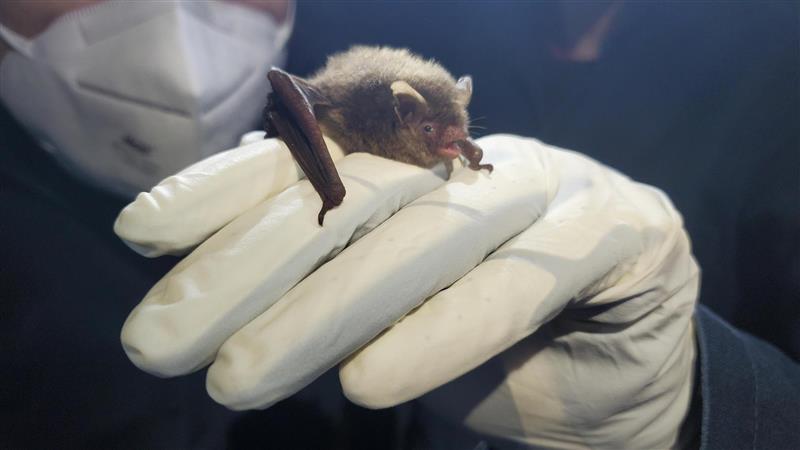
Indiana Bat being processed.
The regulatory framework affecting bat species continues to evolve. Agencies periodically revise guidance, update habitat models, and refine consultation approaches. Regional implementation may differ, and federal policy discussions can influence how agencies interpret existing regulations.
Uncertainty does not eliminate compliance obligations, but it increases the value of preparation. Early data collection, clear documentation, and proactive coordination reduce the likelihood of mid-permitting surprises.
As 2026 survey windows approach, resilient projects will
Bat conservation and project delivery are not mutually exclusive. Thoughtful planning can support long-term population resilience while improving regulatory predictability.
We cannot predict every policy refinement or guidance update. However, projects that invest in early coordination, sound science, and site-specific strategy will be best positioned to move forward efficiently, regardless of how regulatory expectations continue to develop.
If your project may intersect with bat habitat in 2026, now is the time to assess risk and develop a strategy tailored to your location, schedule, and permitting pathway.