
2025
Comparably’s Best Company Outlook
* Providing engineering services in these locations through SWCA Environmental Consulting & Engineering, Inc., an affiliate of SWCA.


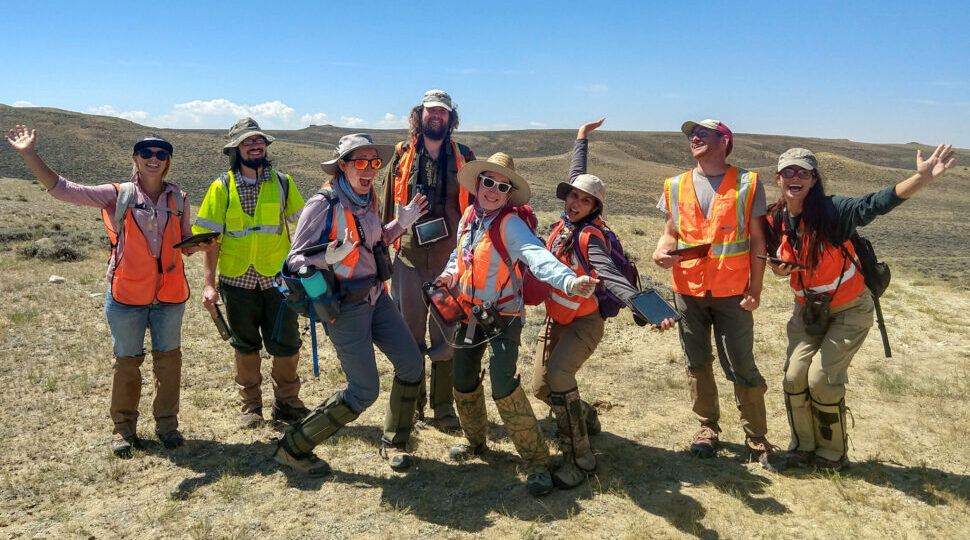
From the experts we hire, to the clients we partner with, our greatest opportunity for success lies in our ability to bring the best team together for every project.
That’s why:
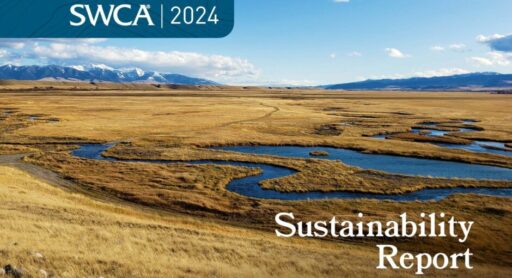
At SWCA, sustainability means balancing humanity’s social, economic, and environmental needs to provide a healthy planet for future generations.
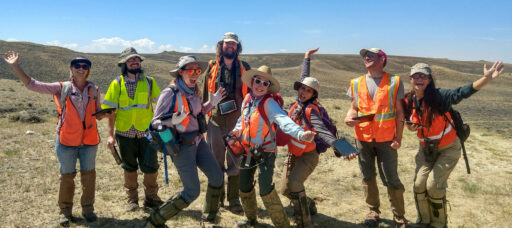
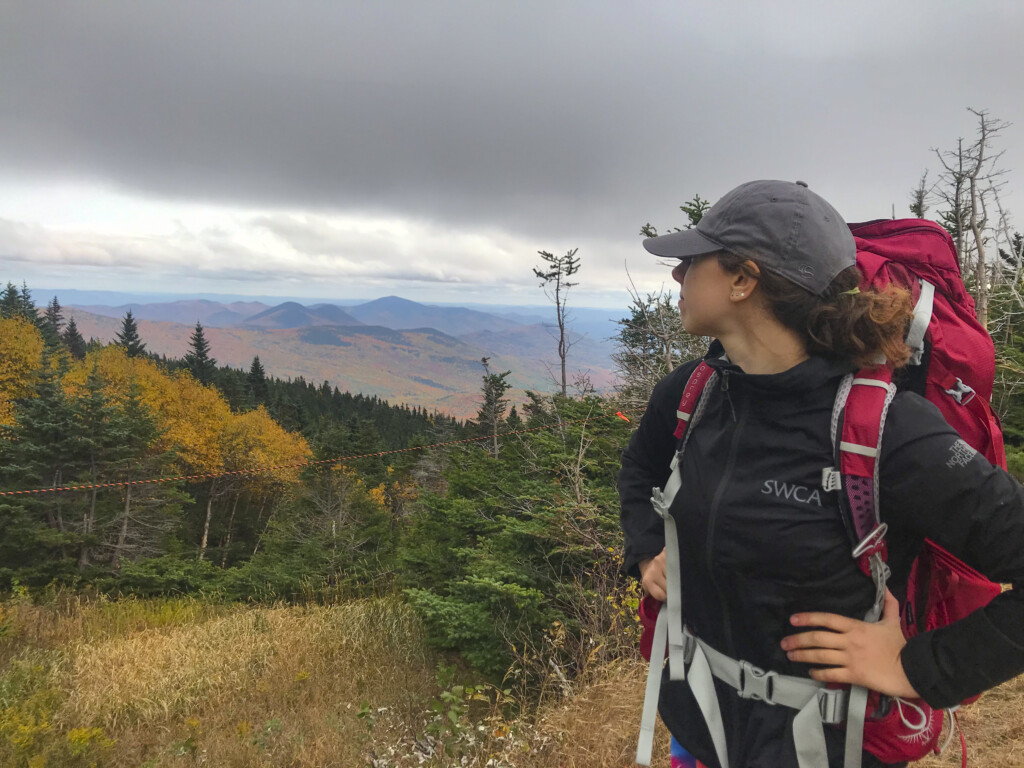
SWCA employs smart, talented, problem-solvers dedicated to our purpose of preserving natural and cultural resources for tomorrow while enabling projects that benefit people today.
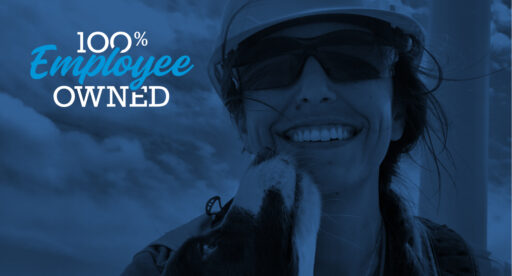
At SWCA, you’re not just an employee. You’re an owner. Everyone you work with has a stake in your success, so your hard work pays off – for the clients, for the company, and for your retirement goals.
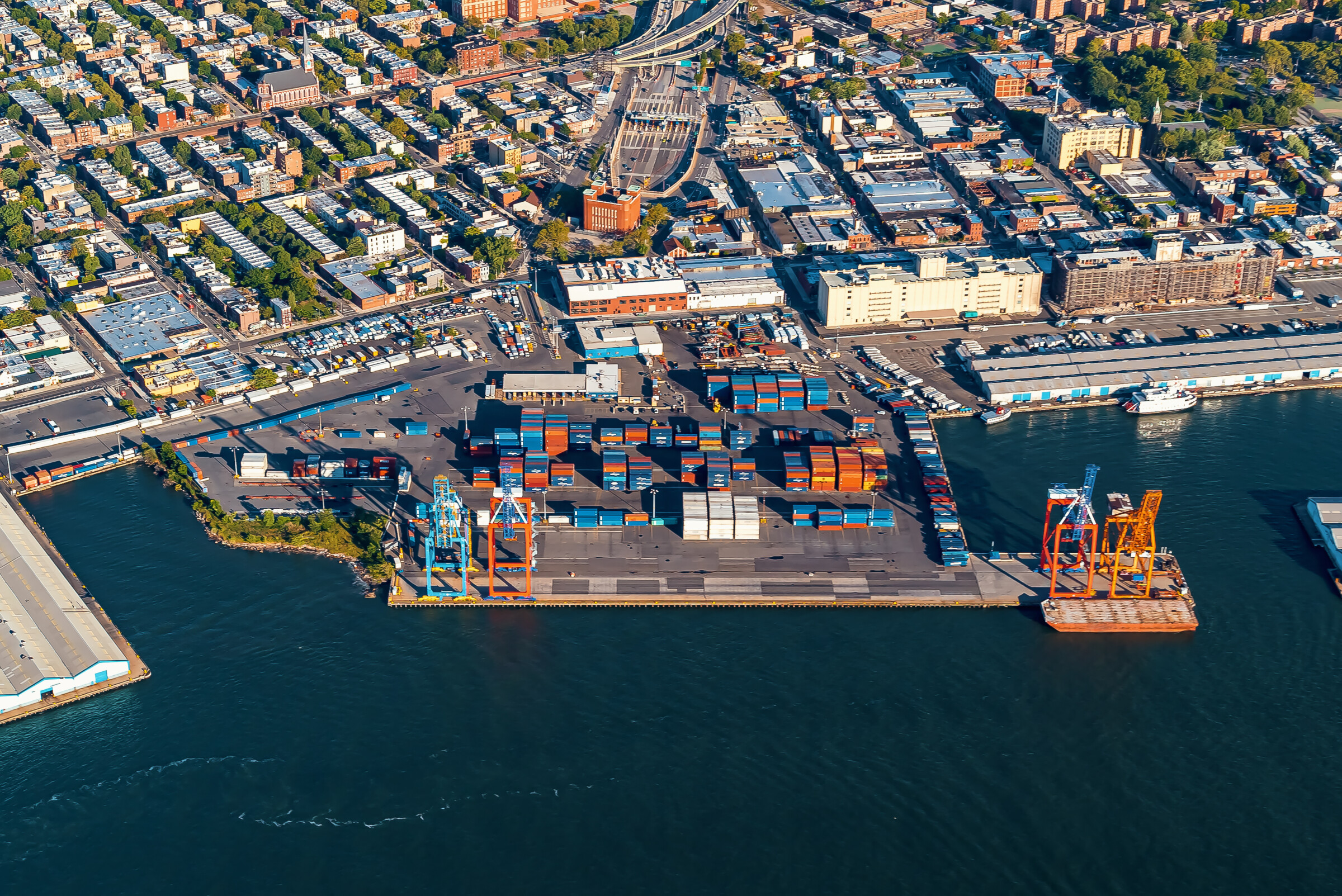
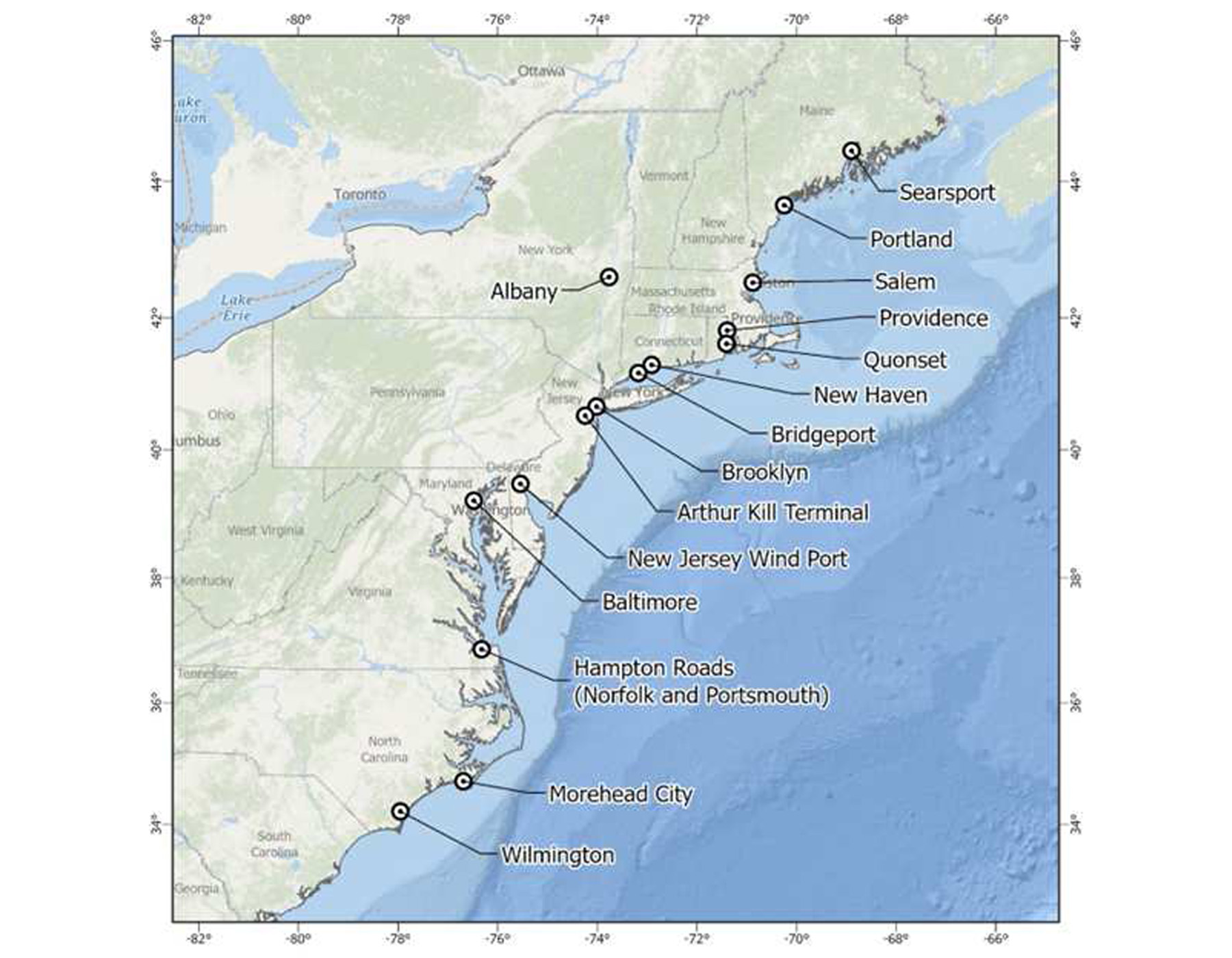
Atlantic Coast Port Modification Study
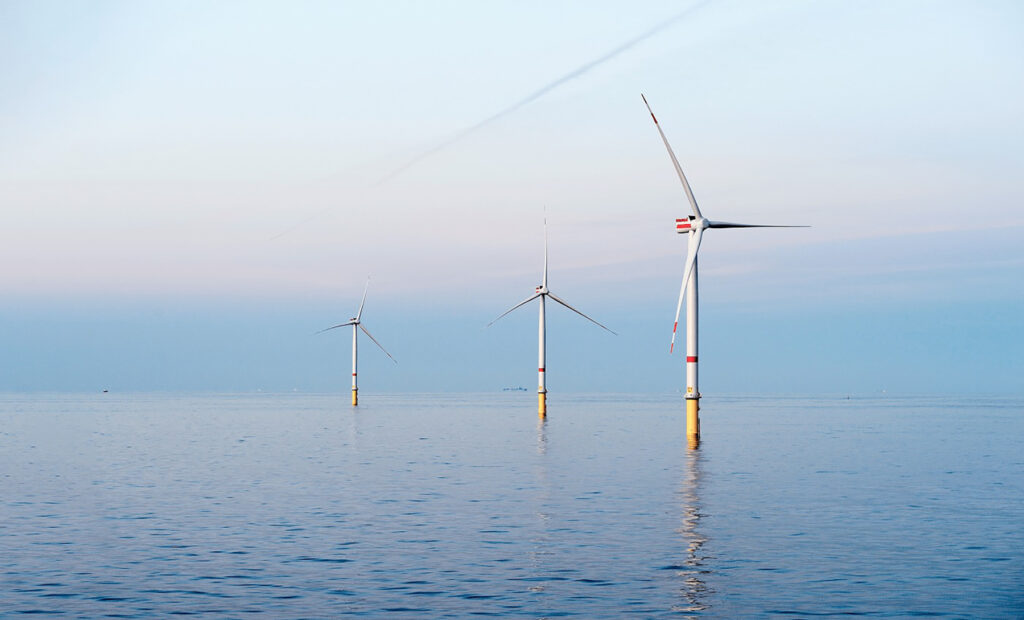
SWCA supported the Bureau of Ocean Energy Management with an analysis of 16 ports, and the impacts of modifications, along the Atlantic coast.
For questions or further information, please fill out the form below.
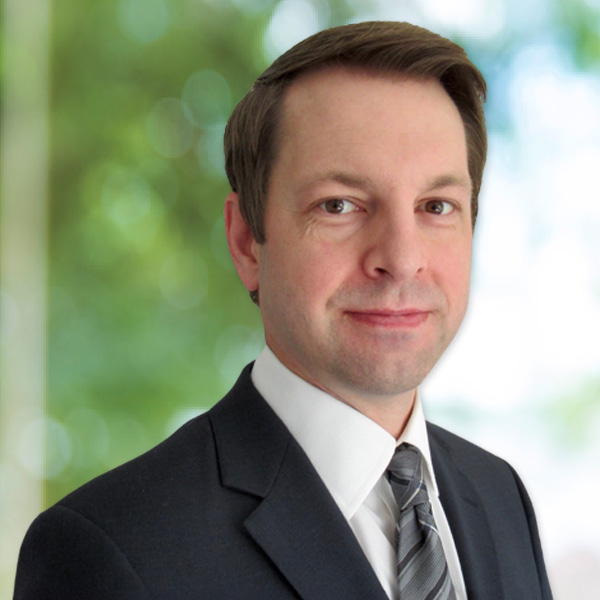
SWCA’s Dr. Jeff Wakefield and Oliver Pahl led a multidisciplinary team to assess the environmental and socioeconomic impacts of port modifications necessary to support offshore wind development. SWCA designed the study to convey a comprehensive understanding of 1) the current capacity of ports, 2) the types of port modifications needed, 3) the potential consequences of port modifications as they apply to air quality, cultural resources, ecological resources, and socioeconomic resources, and 4) the effectiveness of potential mitigation measures.
To complete the study, the SWCA team interviewed a range of industry and regulatory experts to identify future port requirements, coordinated with ports and engineers to develop modification scenarios, and drew on the expertise of colleagues and subcontractors. These efforts resulted in a detailed, in-depth review of Atlantic coast ports and the necessary considerations to accommodate offshore wind developments. SWCA received “exceptional” ratings and positive remarks in the contractor performance assessment reporting system (CPARS).
The generation of electricity using wind turbines that are located offshore is a rapidly growing industry along the Atlantic Outer Continental Shelf (OCS). The Bureau of Ocean Energy Management (BOEM) has approved multiple commercial-scale offshore wind (OSW) generation projects and is reviewing additional proposals for projects that would be located along the Atlantic coast.
The scale of OSW turbine components, towers, and foundation structures limits overland transportation options and creates demand for port facilities that can handle very large loads that not all ports are currently equipped to handle. Therefore, port modifications will likely be required in the future to accommodate the needs of OSW energy developers. As the OSW energy industry develops along the Atlantic coast of the United States, it will be important for federal, state, and local stakeholders to understand the consequences of associated port modifications, including potential effects on air quality, cultural resources, ecological resources, and socioeconomic resources.
Dr. Wakefield is formally trained in economics, marine biology, and biochemistry. He has over 20 years of experience conducting environmental benefit/cost analysis, financial assurance, socioeconomic assessments, and environmental justice evaluations.
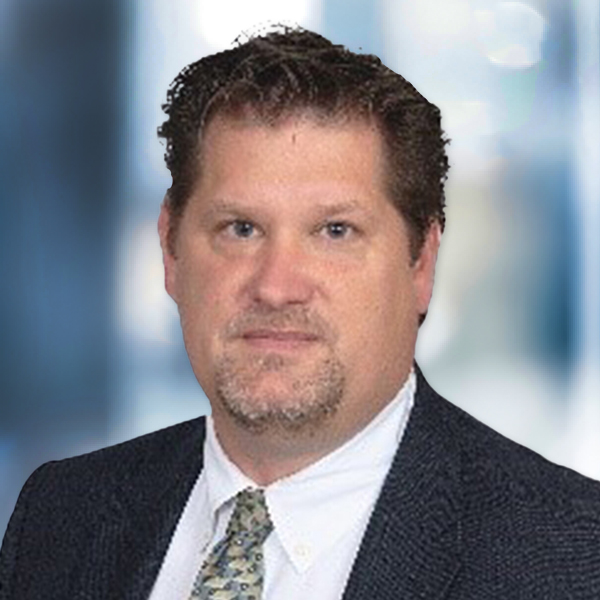
Oliver is an Economist and Environmental Planner with 15 years of environmental consulting experience. He has worked as a project manager on a diverse set of projects ranging from environmental planning to economic impact analysis. Oliver is highly proficient in economic impact modeling and managing large-scale economic and socioeconomic impact studies. His expertise in integrating economic analysis with environmental planning has established him as a trusted advisor in both the government and private sectors.