
2025
Comparably’s Best Company Outlook
* Providing engineering services in these locations through SWCA Environmental Consulting & Engineering, Inc., an affiliate of SWCA.


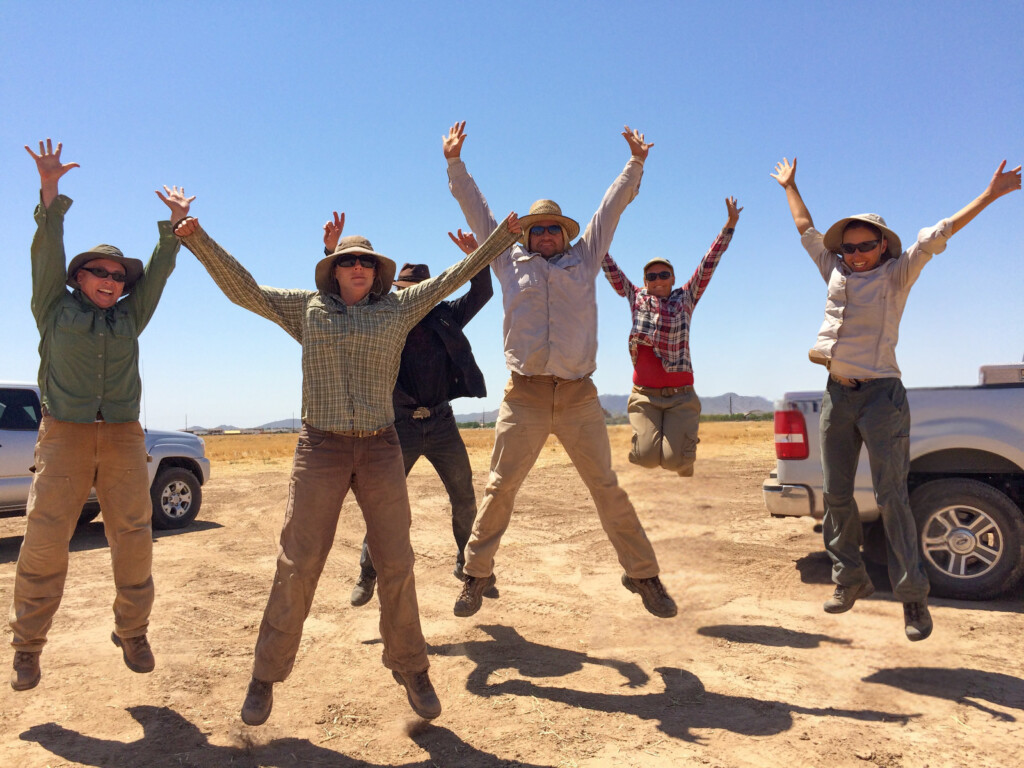
From the experts we hire, to the clients we partner with, our greatest opportunity for success lies in our ability to bring the best team together for every project.
That’s why:
At SWCA, sustainability means balancing humanity’s social, economic, and environmental needs to provide a healthy planet for future generations.
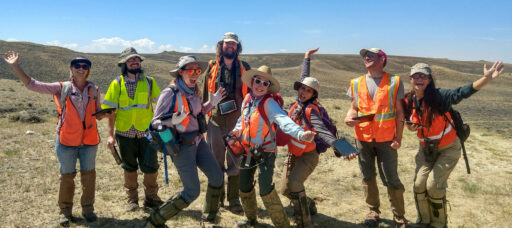
SWCA employs smart, talented, problem-solvers dedicated to our purpose of preserving natural and cultural resources for tomorrow while enabling projects that benefit people today.

At SWCA, you’re not just an employee. You’re an owner. Everyone you work with has a stake in your success, so your hard work pays off – for the clients, for the company, and for your retirement goals.
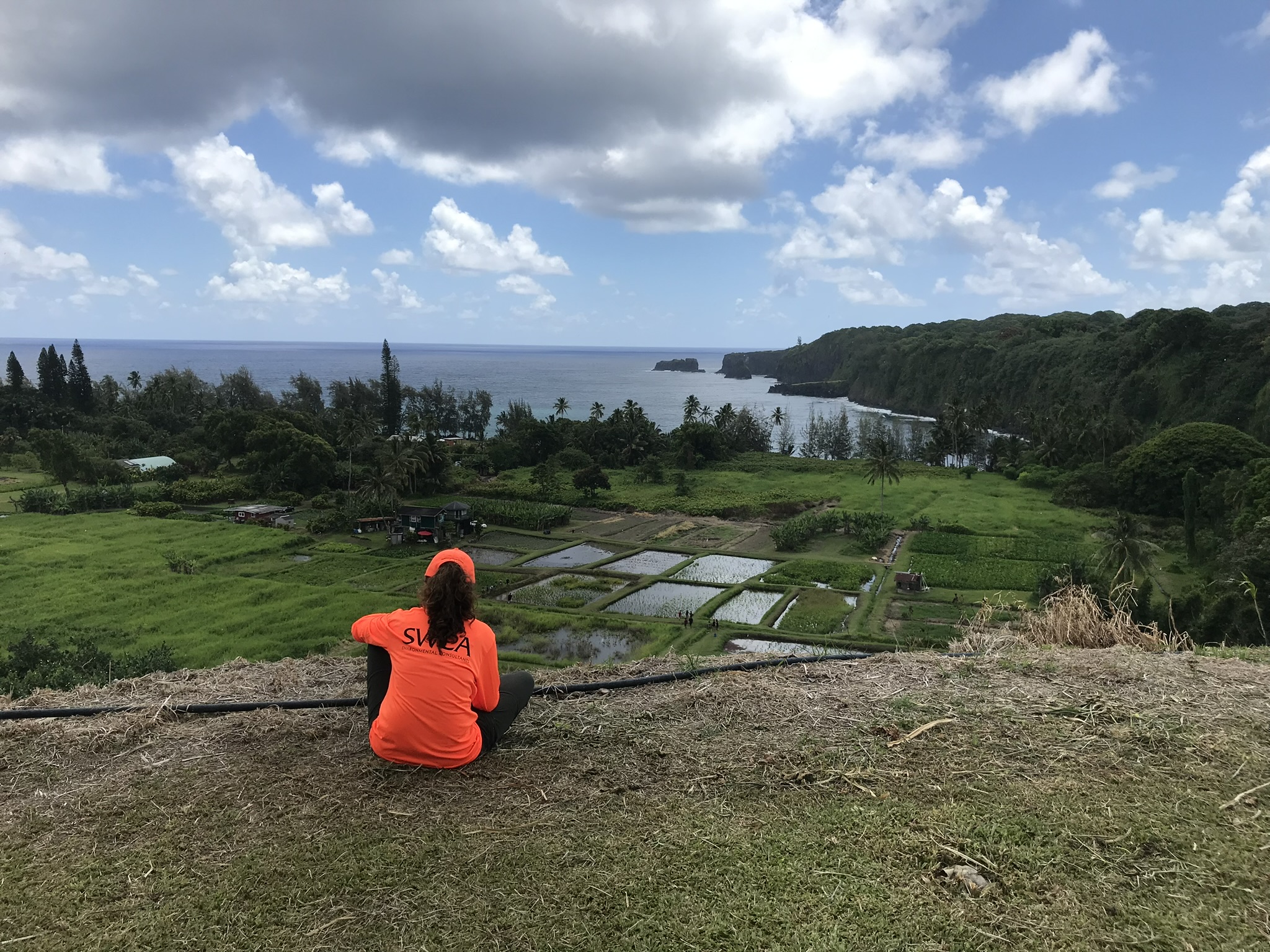
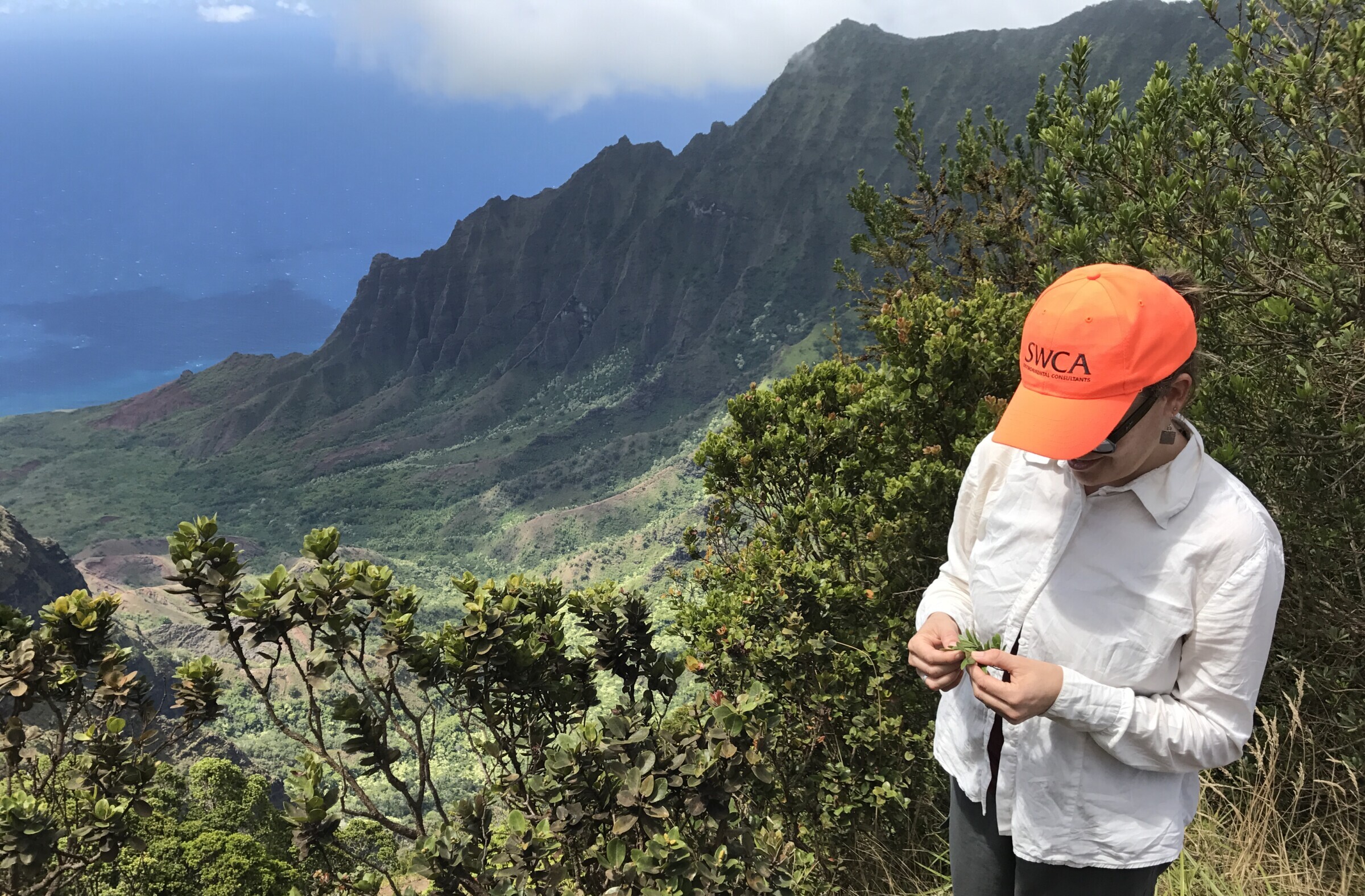
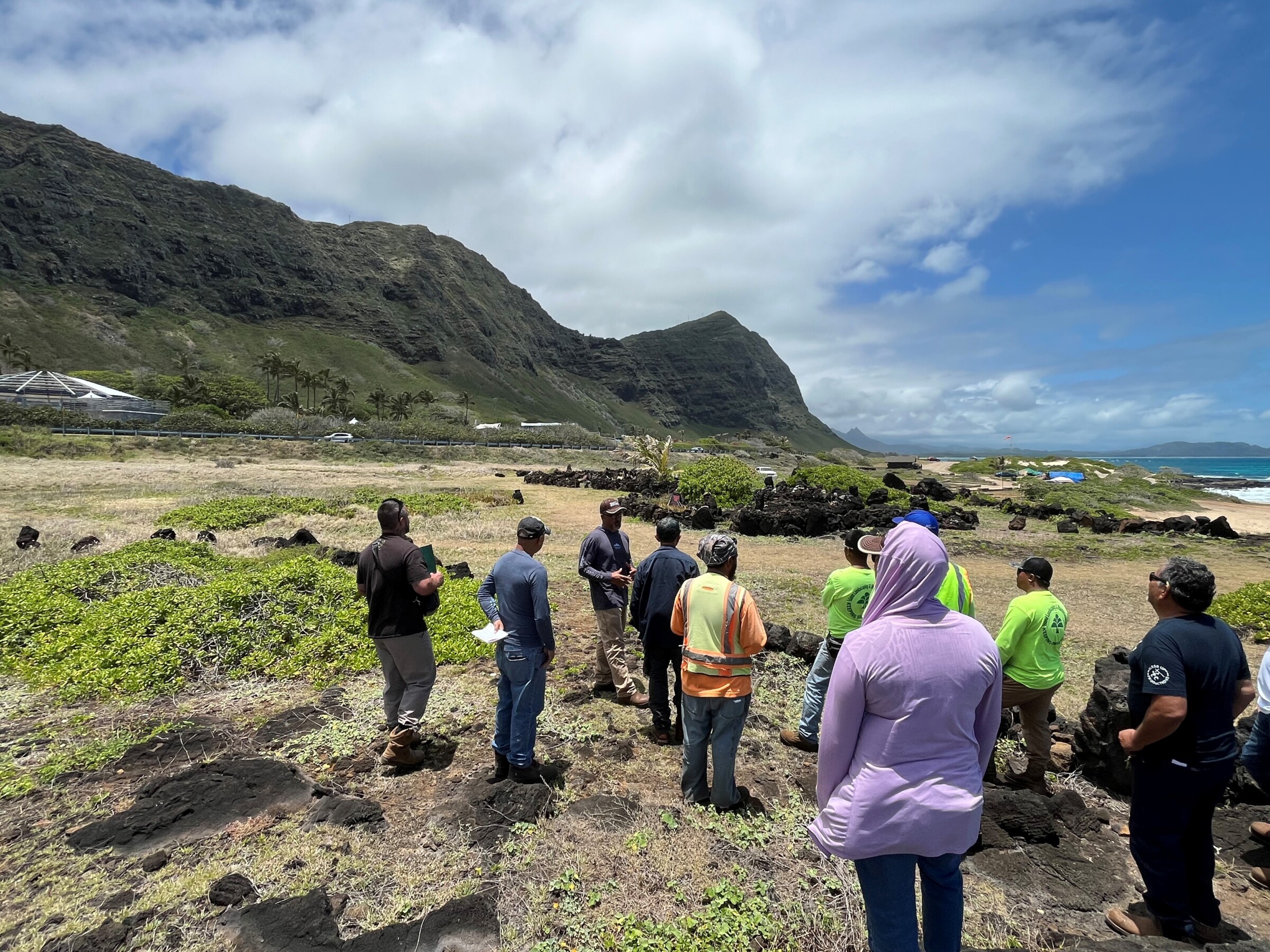
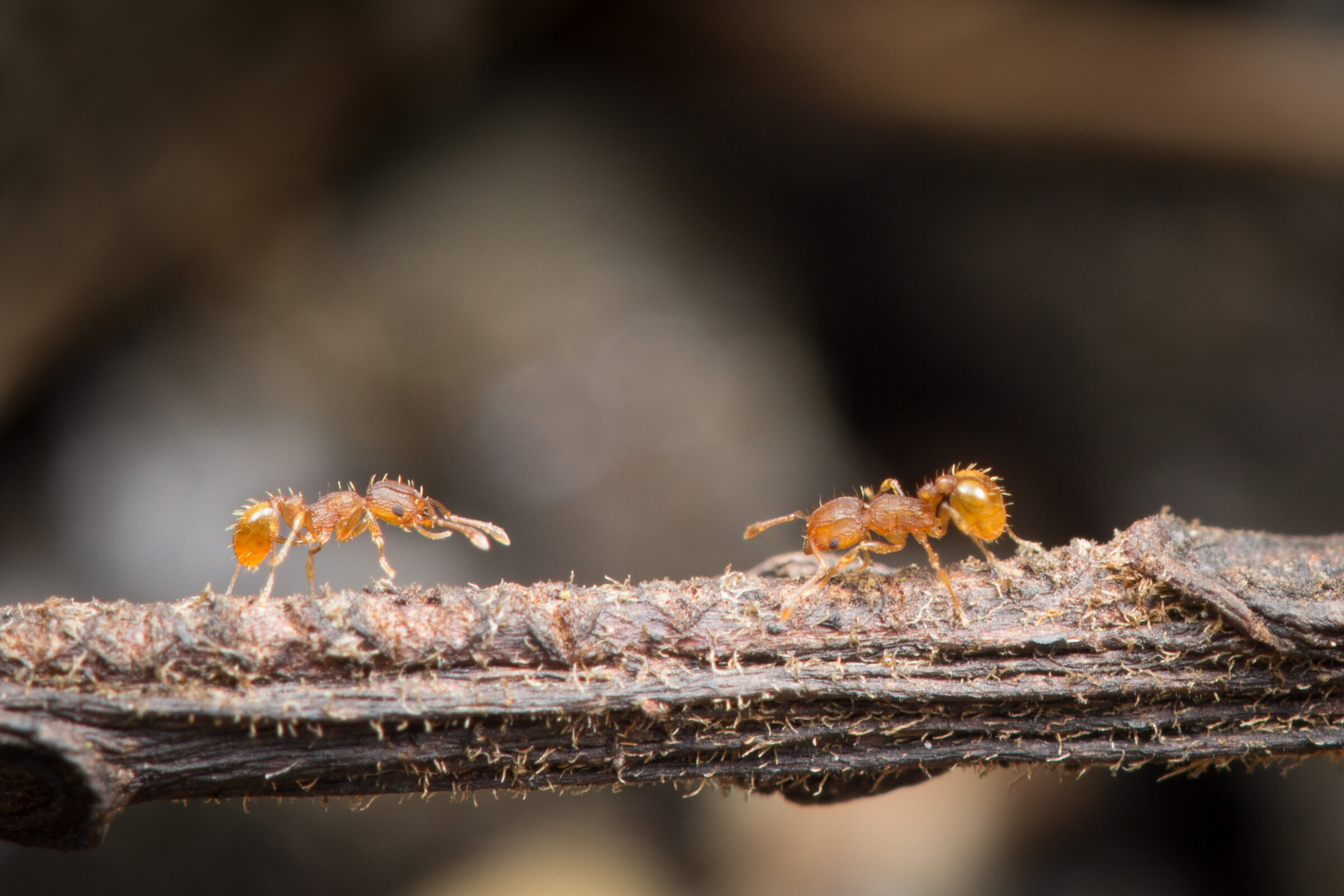
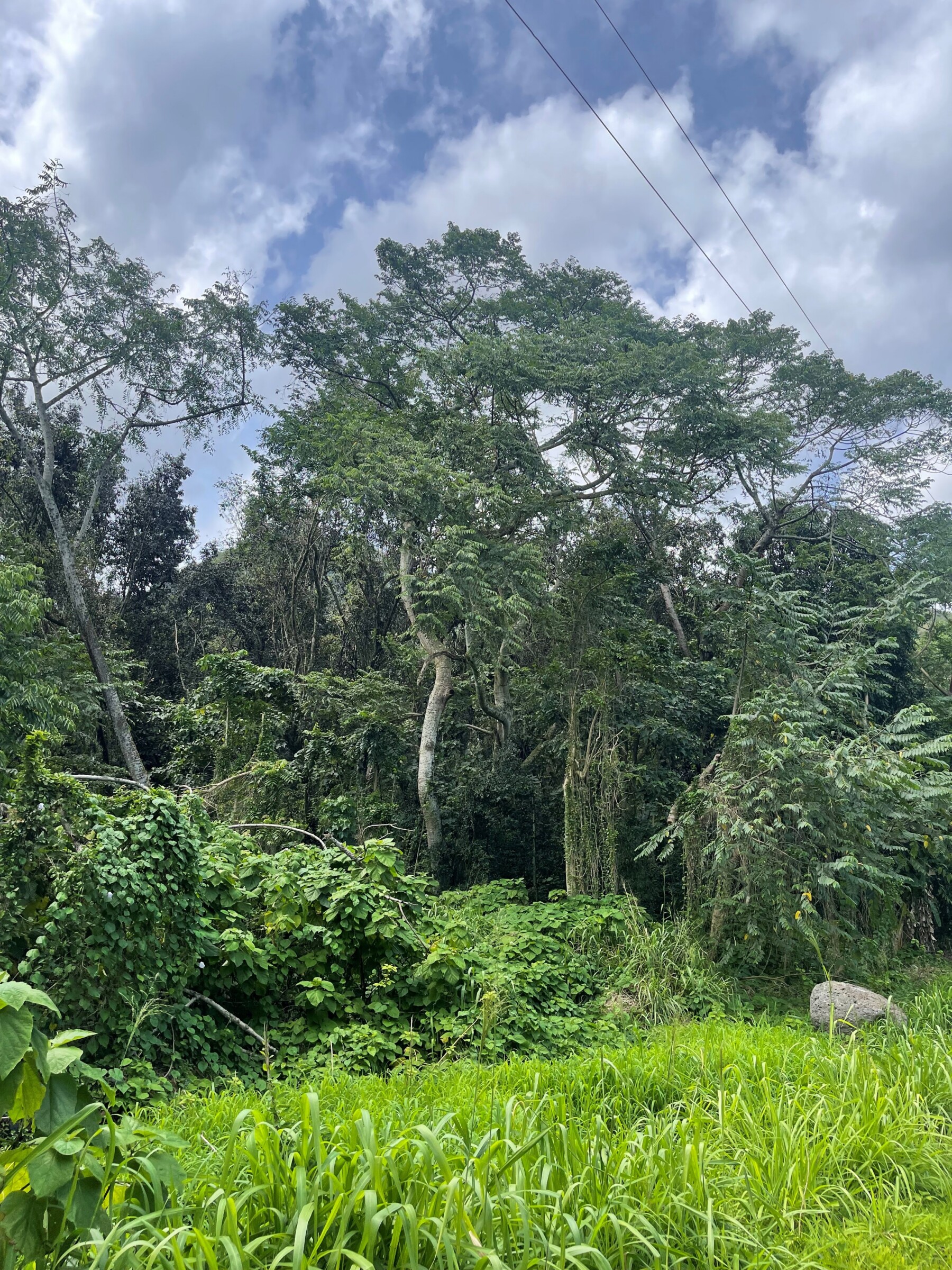
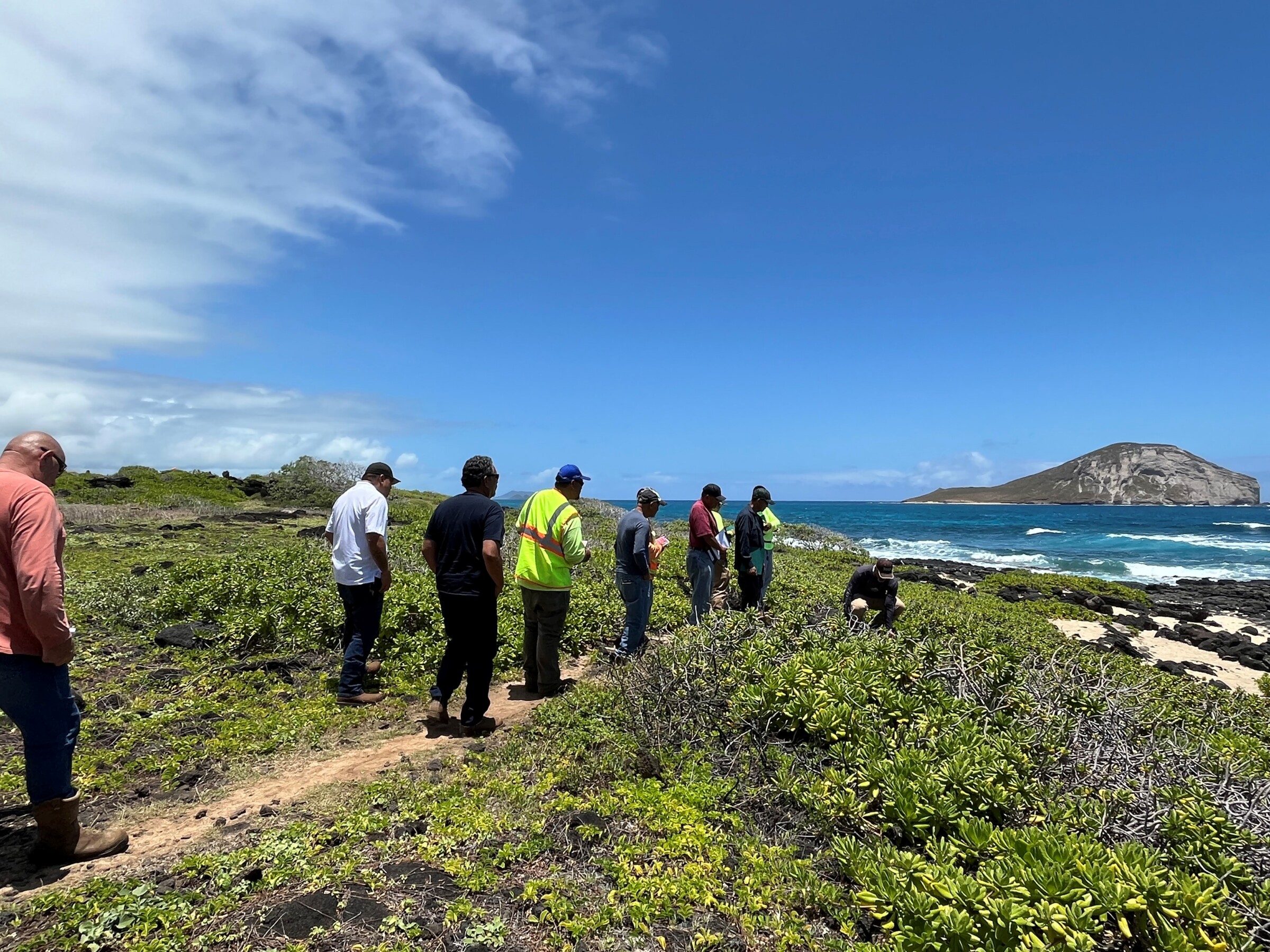
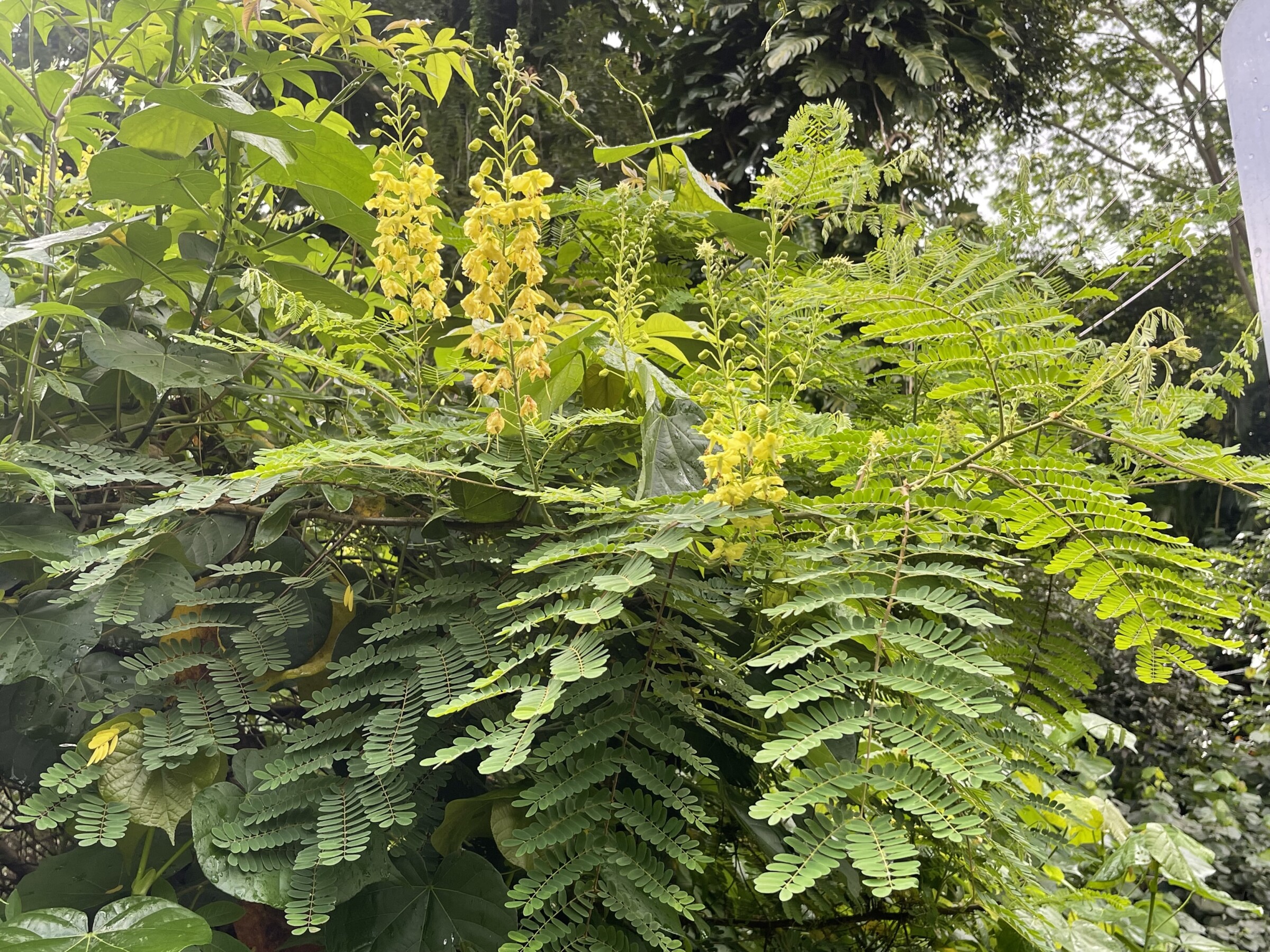
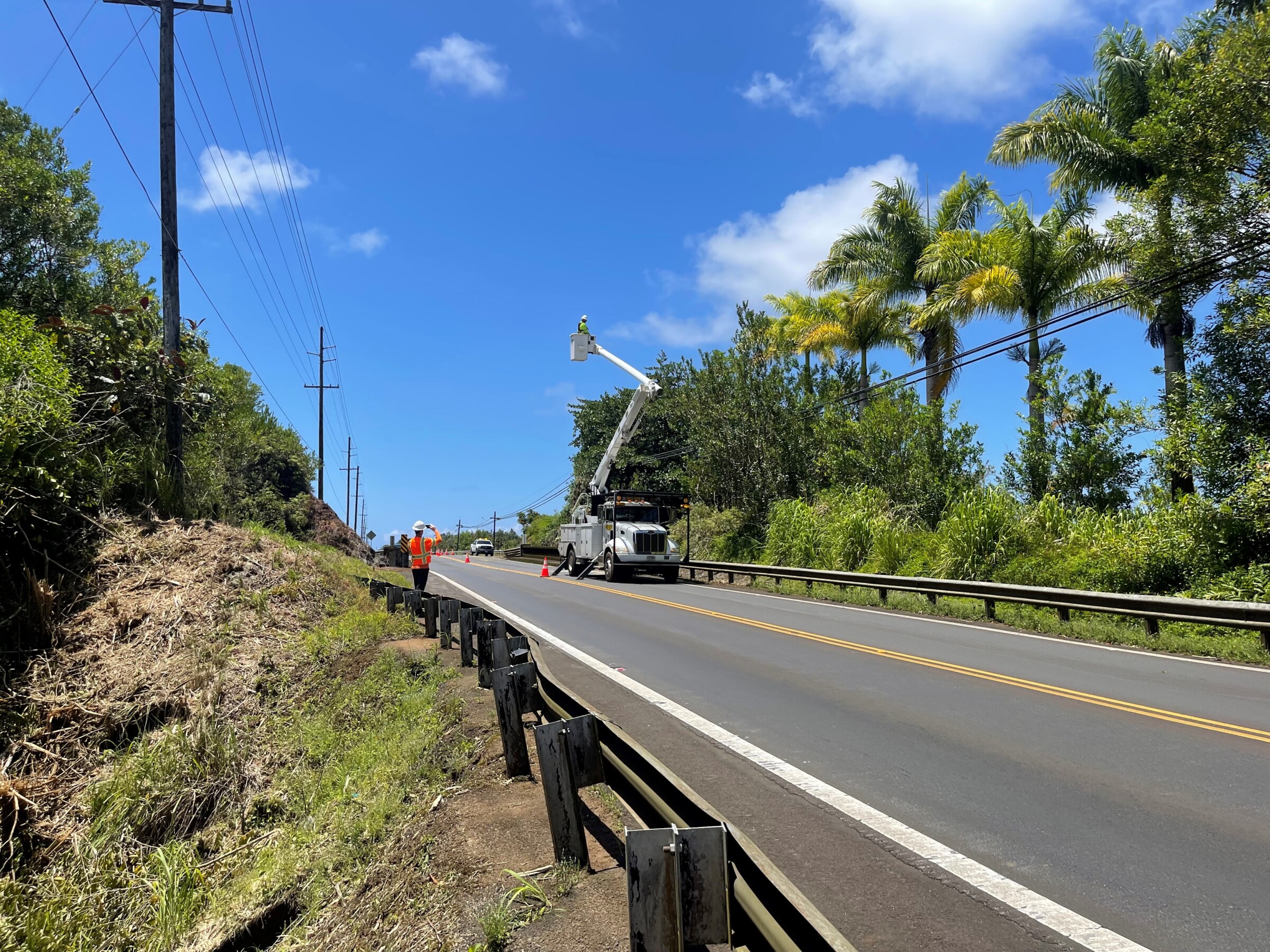
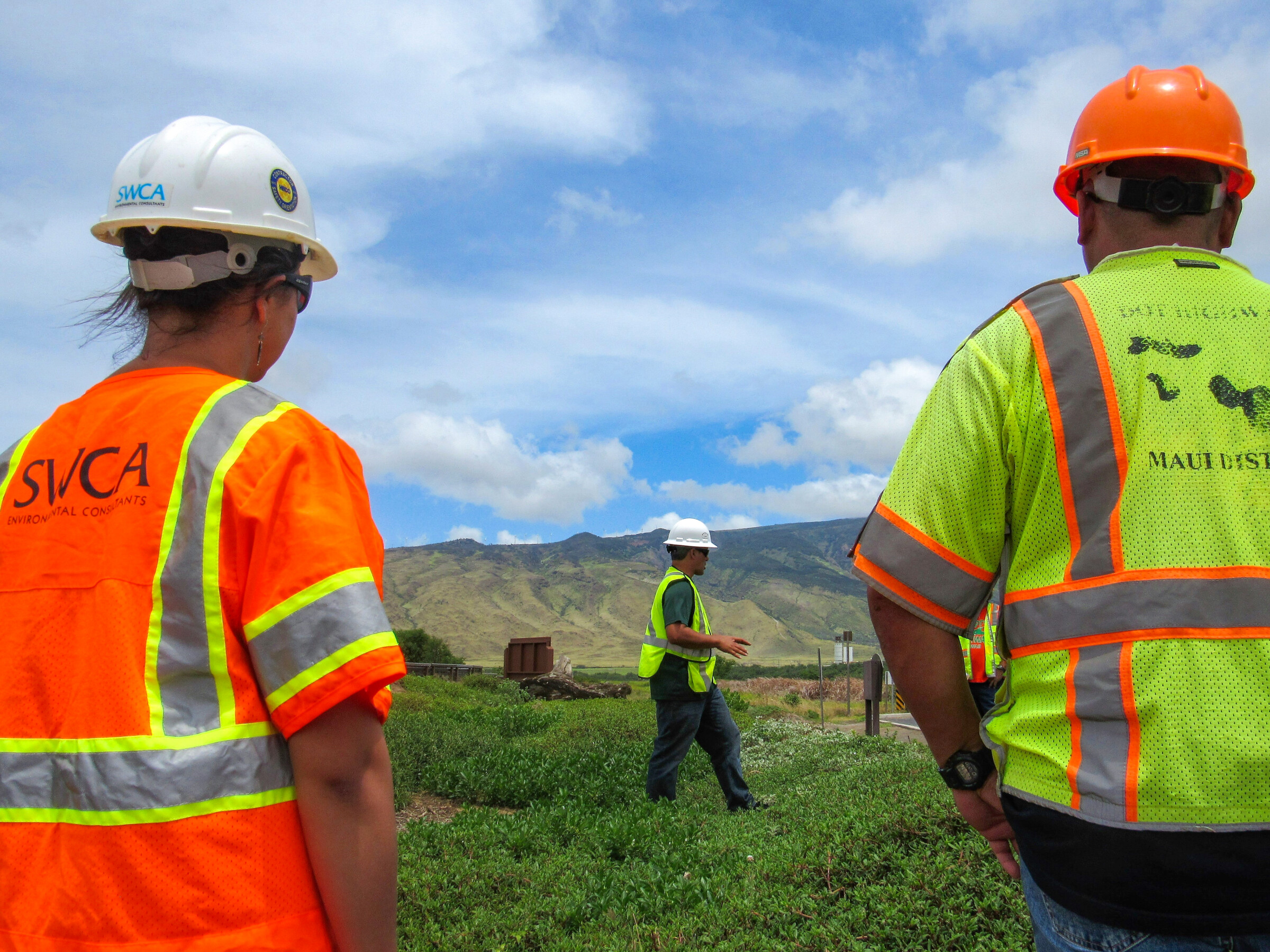
Statewide Noxious Invasive Pest Program (SNIPP)
SNIPP is a multi-decade program built around prevention, early detection, effective management, restoration, and collaboration. SWCA supports every stage of this effort.
For questions or further information, please fill out the form below.
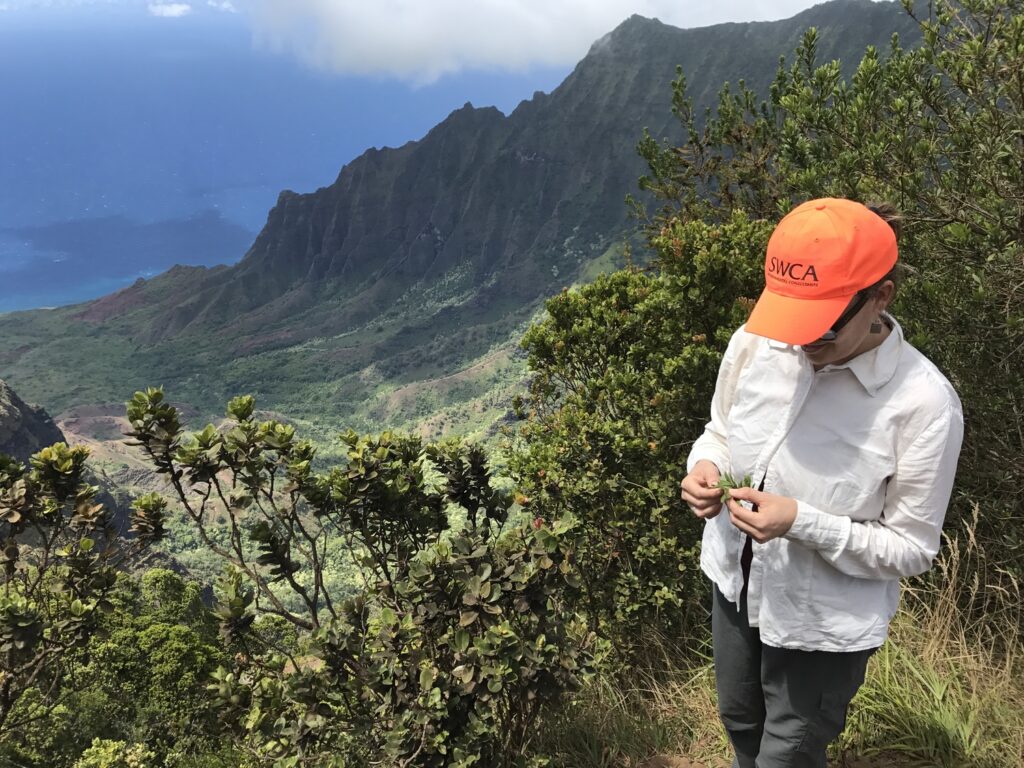
Hawaiʻi’s highways do more than move people from place to place—they also pass through some of the most biologically rich and vulnerable landscapes in the world. Unfortunately, roads are also one of the primary pathways for invasive species to spread. Seeds, plant fragments, soil, and insects can be carried by vehicles and equipment, allowing harmful species to move quickly into new areas.
To address this risk, Hawaiʻi Department of Transportation (HDOT), Highways has contracted SWCA to implement the Statewide Noxious Invasive Pest Program (SNIPP), a long-term biosecurity initiative focused on preventing the introduction and spread of invasive species along state highway rights-of-way and other HDOT-managed lands.
SNIPP is a multi-decade program built around prevention, early detection, effective management, restoration, and collaboration. SWCA supports every stage of this effort, helping translate strategy into practical, field-ready solutions that fit within the realities of highway operations.
Our team brings expertise in invasive species survey and management, ecological restoration, GIS mapping, training development, and regulatory compliance to deliver solutions that are both scientifically sound and operationally feasible. Working closely with HDOT, we help design and implement invasive species and landscape management practices that protect natural resources while maintaining safe and efficient transportation corridors.
What SWCA Delivers
As part of SNIPP, SWCA provides a wide range of technical and implementation support, including:
These efforts are designed to be practical, repeatable, and cost-effective, supporting HDOT’s operational goals while improving environmental outcomes.
By combining technical expertise, field implementation, and strong partnerships, SWCA helps HDOT lead by example. This approach demonstrates how transportation agencies can play a critical role in protecting Hawaiʻi’s ecosystems while delivering safe reliable infrastructure for the public.