
2026
Comparably’s Best Company Outlook
* Providing engineering services in these locations through SWCA Environmental Consulting & Engineering, Inc., an affiliate of SWCA.


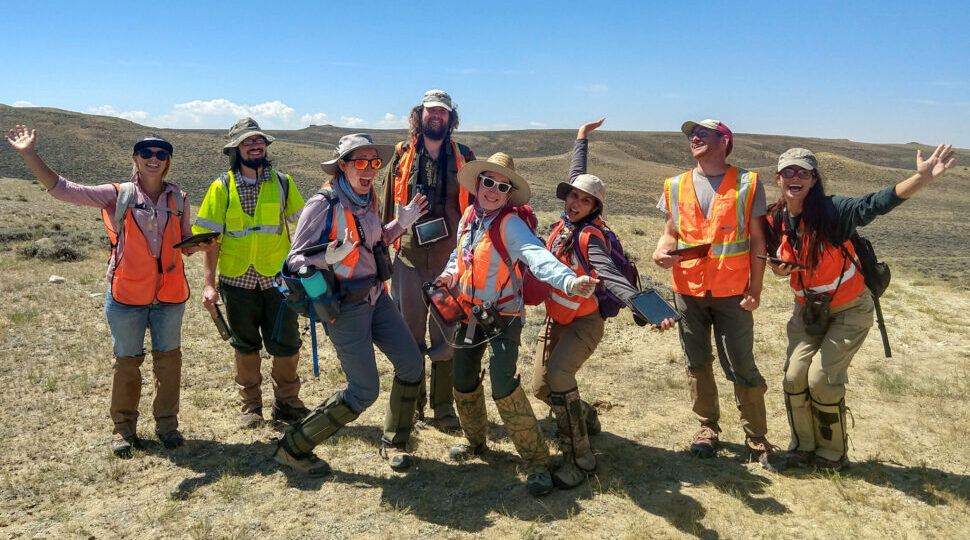
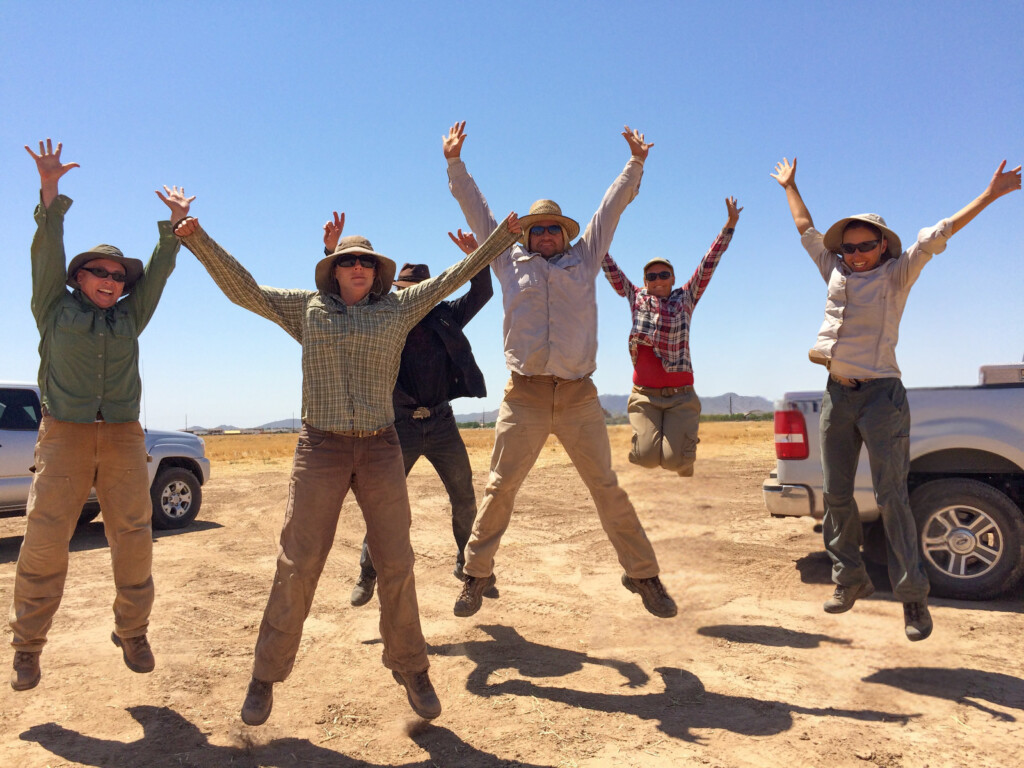
From the experts we hire, to the clients we partner with, our greatest opportunity for success lies in our ability to bring the best team together for every project.
That’s why:

At SWCA, sustainability means balancing humanity’s social, economic, and environmental needs to provide a healthy planet for future generations.
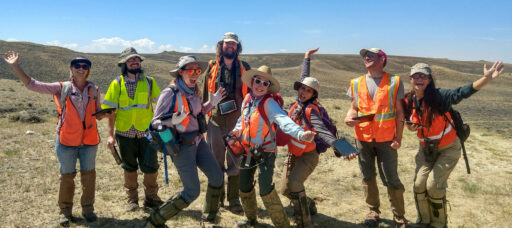
SWCA employs smart, talented, problem-solvers dedicated to our purpose of preserving natural and cultural resources for tomorrow while enabling projects that benefit people today.

At SWCA, you’re not just an employee. You’re an owner. Everyone you work with has a stake in your success, so your hard work pays off – for the clients, for the company, and for your retirement goals.
Duck River Watershed Habitat Conservation Plan
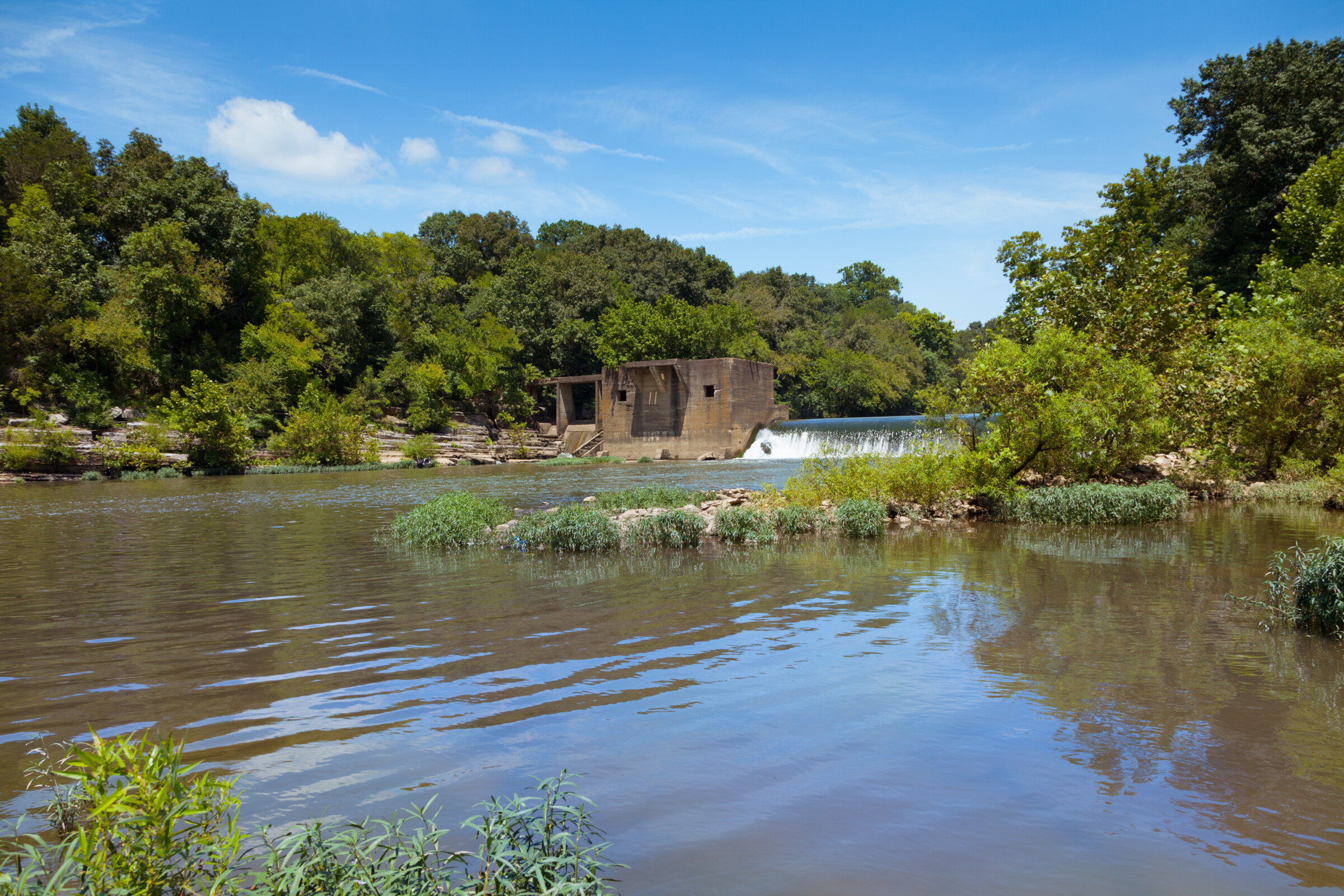
SWCA is developing the Duck River Watershed Habitat Conservation Plan and engaging stakeholders to help TDEC minimize impacts to covered species and support long‑term watershed conservation.
For questions or further information, please fill out the form below.
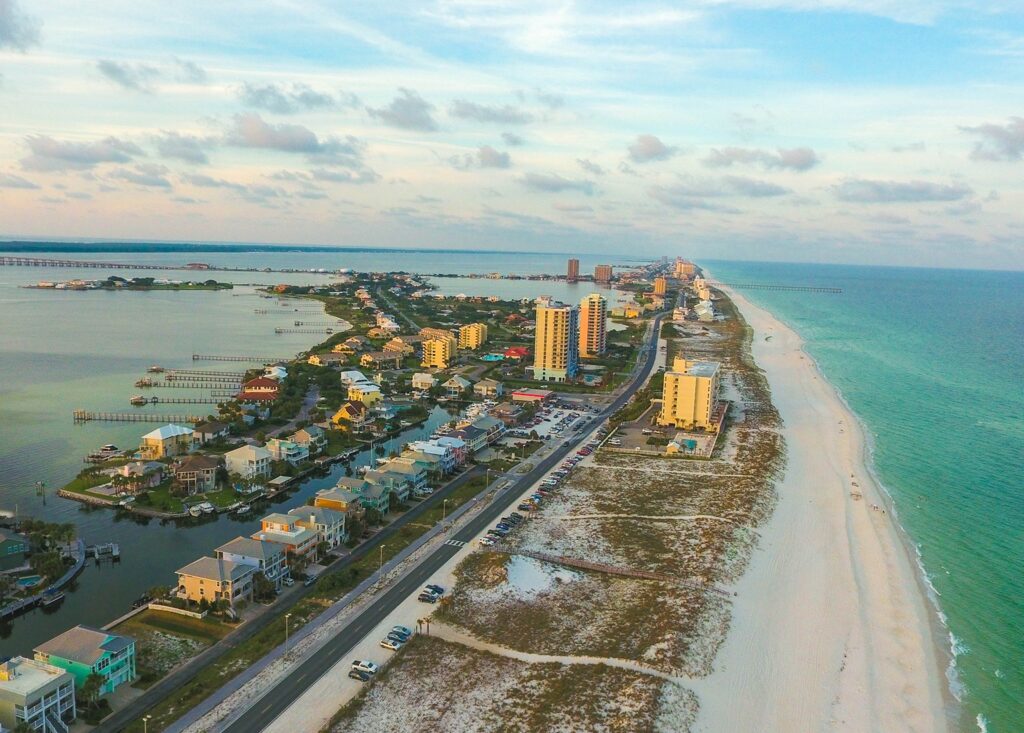
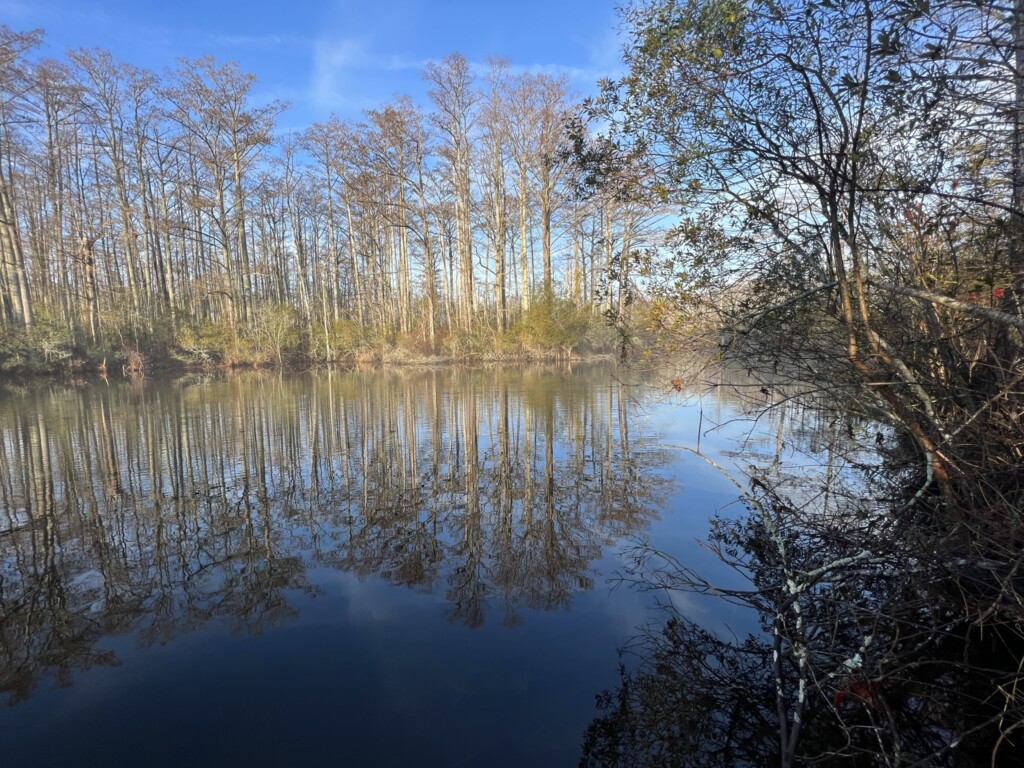
One of the most biologically diverse rivers in North America, the Duck River is home to 150 species of fish and 54 species of freshwater mussels. Located in Middle Tennessee, it winds 284 miles across seven counties before emptying into Kentucky Lake, along the Tennessee River.
In November 2024, the State of Tennessee’s Executive Order 108, “An Order to Conserve the Duck River Watershed,” recognized the river’s importance, not just as a “scenic treasure,” but as an economic engine and a source of water for over 250,000 people. The executive order set out a series of initiatives to conserve the Duck River Watershed’s natural resources while supporting ongoing growth.
As part of this process, the Tennessee Department of Environment & Conservation (TDEC), in coordination with the Tennessee Wildlife Resources Agency, enlisted the help of SWCA Environmental Consultants (SWCA) to develop a Habitat Conservation Plan (HCP) for the watershed. TDEC is the presumptive applicant for an Incidental Take Permit (ITP) under Section 10 of the Endangered Species Act (ESA), and an HCP is required to support that application. The proposed ITP is intended to provide long‑term regulatory certainty while implementing conservation measures designed to minimize and mitigate impacts to covered species. The U.S. Fish and Wildlife Service will review the HCP and associated National Environmental Policy Act documentation as part of its evaluation of the ITP application. The HCP will also describe funding sources and implementation plans for conservation actions.
As part of the development of the HCP, SWCA’s team is conducting extensive stakeholder engagement. Working with state and federal agencies, nonprofits, recreational river users, conservation groups, utilities, and more, the team is taking steps to help the HCP reflect the priorities of those who are connected to the watershed. While this is not strictly necessary to obtain an ITP, it is an important step in cultivating support for the HCP’s long-term goals.
Amanda Glen is SWCA’s senior natural resources technical director for biological services and provides strategic guidance on permitting and compliance for matters involving protected wildlife, plants, and habitats. Currently managing a national practice, she has more than 25 years of consulting experience with an emphasis on the Endangered Species Act (ESA) and how compliance with the ESA influences other regulatory programs. Her wealth of experience pertaining to endangered species issues includes research, permitting, consultations, status reviews, and conservation planning. Her experience includes negotiating compliance solutions for critically imperiled species facing potential determinations of jeopardy or adverse modification of designated critical habitats. She has led efforts to delist species no longer requiring the protections of the ESA when supported by sound science, and has been involved in voluntary conservation planning to help preclude the need to list species. Amanda frequently presents at regional and national conferences on matters related to the ESA, including new listings, regulatory and policy changes, and trends in compliance strategies.

Meg Perry is an experienced facilitator and stakeholder engagement specialist who specializes in water resources and resilience planning. She is trained in multi-party environmental conflict resolution and consensus building and has facilitated over 400 virtual and in-person meetings in the last five years. Meg’s experience with complex planning and stakeholder engagement processes in 17 states includes coastal resilience planning, statewide hazard mitigation planning, and collaborative water management with state and local agencies, U.S. Army Corps of Engineers, and the Bureau of Reclamation. In addition to facilitation expertise, Meg has graduate-level training in hydrology, river processes, ecological resilience, and decision science.

See Beyond Policy Change to What Matters for Your Project
Regulatory Radar is a subscription intelligence service that scans the policy horizon for changes that could affect planning, permitting, schedules, and risk, then turns those signals into clear takeaways and practical next steps.