
It Starts With An Office In A Closet in Flagstaff
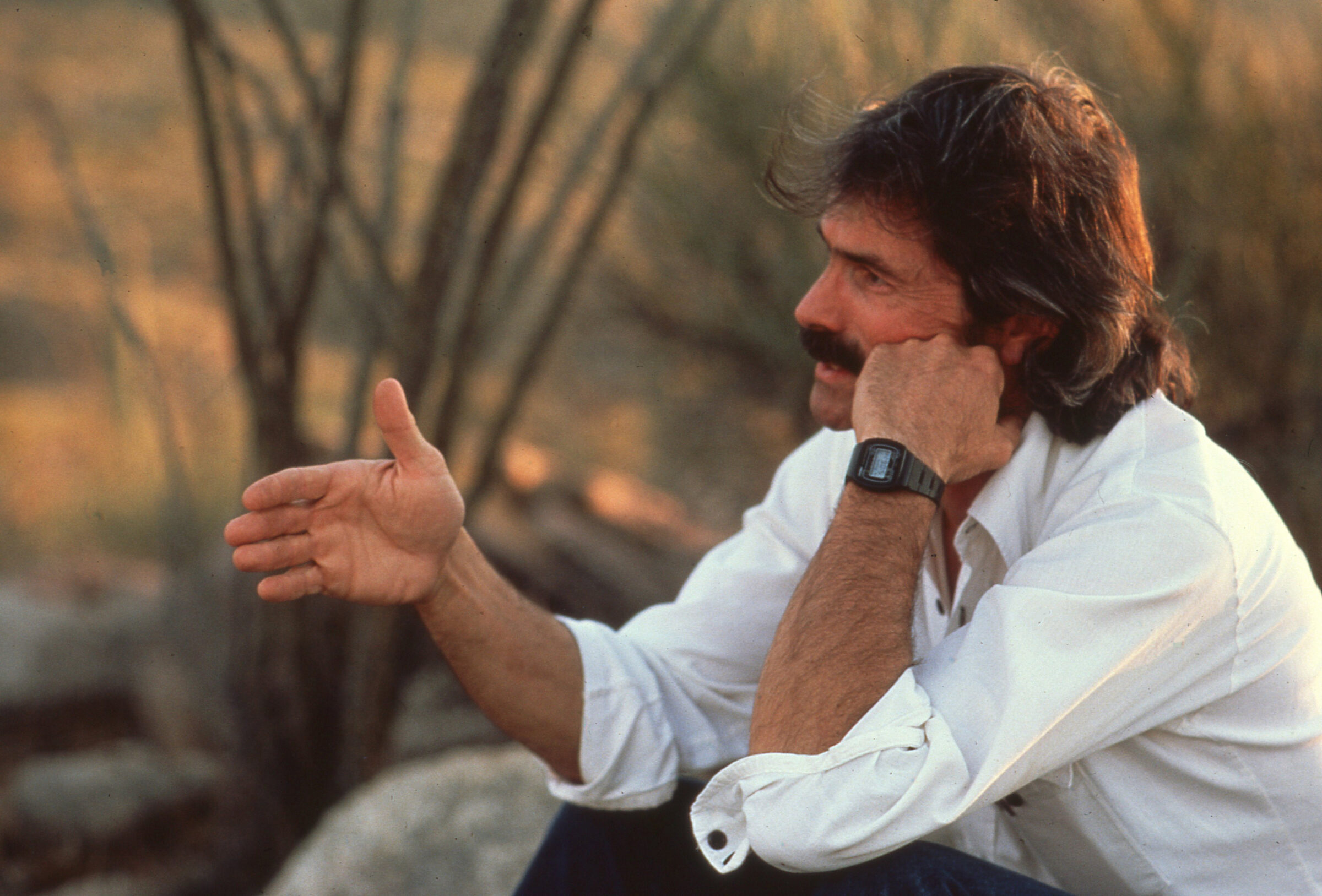
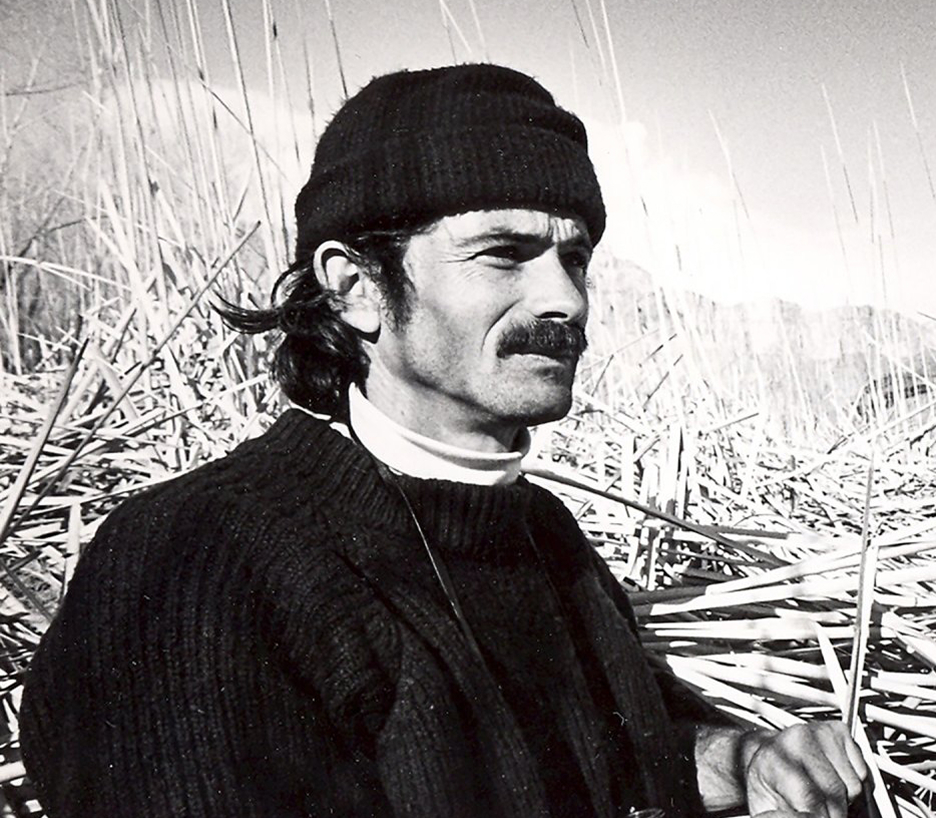
SWCA traces its roots back to 1981. At that time, Dr. Steven W. Carothers (the "SWC" in SWCA), an ornithologist and ecologist in Flagstaff, Arizona, left the Museum of Northern Arizona and started a one-man consulting business above Martanne's restaurant on San Francisco Street. The Martanne's space was initially made available rent-free by renowned photographer John Running, who at the time was leasing quite a bit of space above the restaurant for his studio and dark room. He and Steve were already friends at that time, and John generously made a fairly large closet available to Steve so he could have a place to work. At the Museum, where he had been working since 1967, Steve developed a biological contracting program primarily working with federal land management agencies. While the Colorado River through Grand Canyon National Park was a focus of his research, he also had work from the U. S. Forest Service in Central Arizona, studying the effects of Verde River phreatophyte control projects (cutting down riparian habitat to save water) on bird populations as well as a project on the wildlife of the Gila River in far Eastern Arizona, studying the impacts of the proposed Hooker Dam on downstream environments.
Although the Museum was in full support of Steve's federal contracts and the energy he brought to expanding the Museum's scientific services, it was his interest in the private sector and a consulting contract on a housing development on the west side of Tucson that led to his break with the Museum. During the early 1980s, the Estes Company had several housing projects underway, including the Pusch Ridge project – a high end, gated community that was planned to have more than 100 homes on the west flank of the Catalina Mountains between Pusch Ridge and Oracle Road. This project became the catalyst that eventually split SWC from the Museum.
The Growth of a Business
By 1984, with the business starting to grow, and with several employees in Flagstaff (having moved from above the restaurant to a stand-alone location on Humphreys Street), Steve decided to incorporate his fledgling business as SWCA, Inc. Environmental Consultants. Later that same year, a Tucson office was opened and several additional staff were hired. While the Flagstaff office continued to work on federal projects, the Tucson office was more oriented towards private sector work, primarily biological studies for land development clients (largely as a result of the work at Pusch Ridge). At the time, SWCA was populated with scientists, but our business acumen was not the greatest – other than knowing that we needed to bring in more money than we spent – and the period of 1985-1987 was financially challenging. However, our people knew that there was a good business opportunity in what we were doing, and that we could make a difference in how natural resources were managed on both public and private lands.
One opportunity we identified was in Tucson as a result of large land development. We noted that wildlife values were being lost through the clearing of land; therefore, we sought to quantify the wildlife value of native habitats. This not only led to peer-reviewed publications (something SWCA continues to encourage among its staff), but it also led to the development of an entire industry – the transplanting of mature native desert trees. While this business provided the bulk of our revenues in 1986 and 1987, the business quickly became highly competitive, and some of our competitors were more concerned about transplanting trees cheaply than with keeping them alive in the long term so that they can provide wildlife value in future years. While SWCA prided itself on an exceptionally high survival rate for transplanted native trees, this came at a significant cost; and when low-cost competitors entered the market, SWCA was soon priced out. This was an important business lesson for the young company. Meanwhile, the Flagstaff office continued to provide services associated with federal land management, including compliance with the Clean Water Act, Endangered Species Act, and National Environmental Policy Act. As early as 1988, the basic framework for the modern SWCA was established, with one major exception – cultural resources.
Cultural Resources Joins the Family
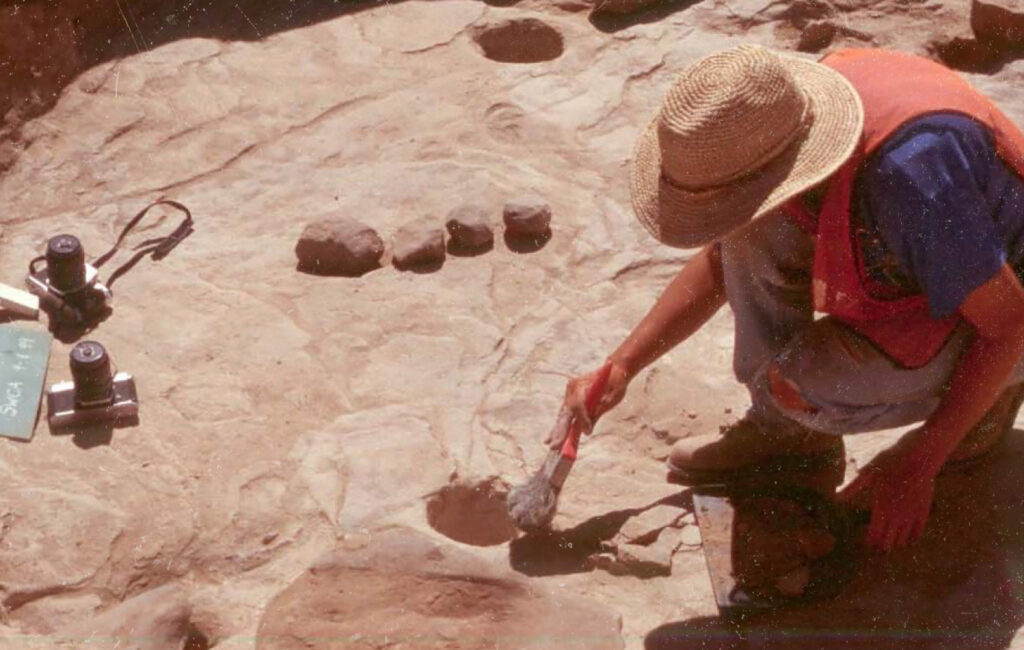
By 1988, the company had grown to approximately 20 employees. While SWCA was offering a suite of natural resource consulting services, we continued to subcontract out cultural resources work to other firms, as we had no cultural resources personnel on staff. Later that year, the opportunity presented itself when the Museum of Northern Arizona decided to terminate its archaeology program, and SWCA quickly hired archaeologists from that program (and others) in both our Flagstaff and Tucson offices. The modern SWCA was complete; and while we hadn't yet developed our tagline of "Sound Science, Creative Solutions," the sentiment and its application were established at that time. We weren't going to be the "low bid" provider of environmental consulting services (as we learned from the tree transplant business), but rather we were going to provide high-quality services to our clients. This set the stage for significant growth, and by 1991, the company expanded to offices in Albuquerque, Austin, and Salt Lake City; and we recorded $5 million in annual revenue – 10 times the revenue we earned just five years before.
The company continued to grow through the 1990s, albeit at a slower pace, and the Principals of the company started discussions with Steve about ownership and management transition. We had grown to approximately 150 employees, adding offices in Denver, Houston, Phoenix, Durango, Las Vegas, and San Antonio. In 1998, after several years of discussion, SWCA became one of the first companies to take advantage of the change in federal laws concerning S Corporations and ESOPs (Employee Stock Ownership Plans), and we initiated the process of buying ourselves from the owners (the vast majority of which was owned by Steve). The company was appraised and took the bold step of incrementally buying all of the stock over the course of the next 18 months. By the year 2000, the company became 100 percent employee-owned. Once again, the company's growth accelerated, both in terms of annual revenues and the number of employees; and we nearly tripled the size of the company in a few short years.
Looking Ahead
SWCA's growth continues, as we have added offices in Bismarck, Sheridan, Honolulu, Guam, Portland, Pasadena, San Luis Obispo, Half Moon Bay, Logan, Vernal, and, most recently, Seattle. While some of these offices were established organically, others were the result of acquisitions. SWCA also added to its Board of Directors; specifically, we added outside directors, who use their unique experiences and perspectives to advise us on how to improve the operations of our company. As we have grown, we have had to change and adapt our corporate systems of information technology and finance, improve our human resources capabilities, and expand our marketing efforts.
But despite all these changes, the company fundamentally adheres to the principles that Steve set forth more than 30 years ago. Whether we are conducting Marianas fruit bat surveys in Guam; wetland surveys for a proposed natural gas pipeline outside of Houston; stream surveys for a timber sale Environmental Impact Statement on Wrangell Island, Alaska; or documenting the architectural history of buildings in downtown Los Angeles, we strive to continue providing Sound Science and Creative Solutions in all that we do.
We invite you to watch a video interview with Steve about our history and achievements: