


2026
Comparably’s Best Company Outlook
* Providing engineering services in these locations through SWCA Environmental Consulting & Engineering, Inc., an affiliate of SWCA.


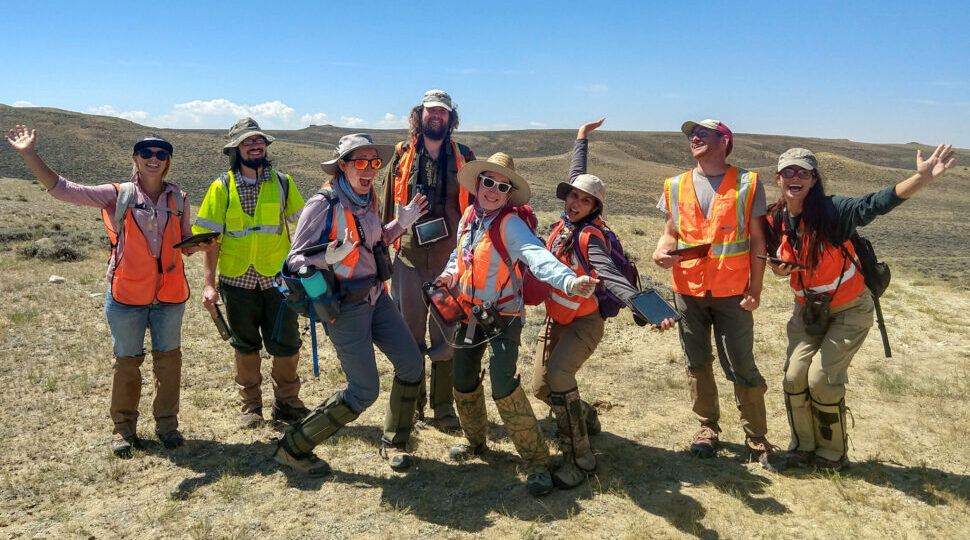
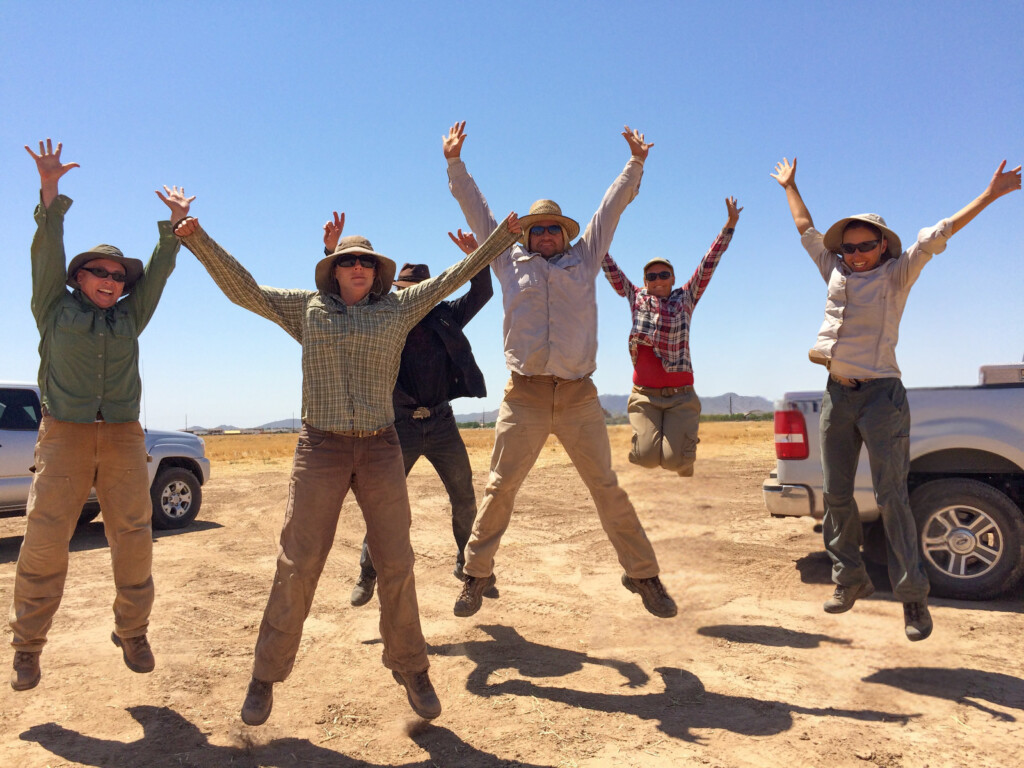
From the experts we hire, to the clients we partner with, our greatest opportunity for success lies in our ability to bring the best team together for every project.
That’s why:

At SWCA, sustainability means balancing humanity’s social, economic, and environmental needs to provide a healthy planet for future generations.
SWCA employs smart, talented, problem-solvers dedicated to our purpose of preserving natural and cultural resources for tomorrow while enabling projects that benefit people today.

At SWCA, you’re not just an employee. You’re an owner. Everyone you work with has a stake in your success, so your hard work pays off – for the clients, for the company, and for your retirement goals.
An Ounce of Prevention, a Pound of Cure: Ports of Entry Play Key Role in Preventing Invasive Species in Hawai'i
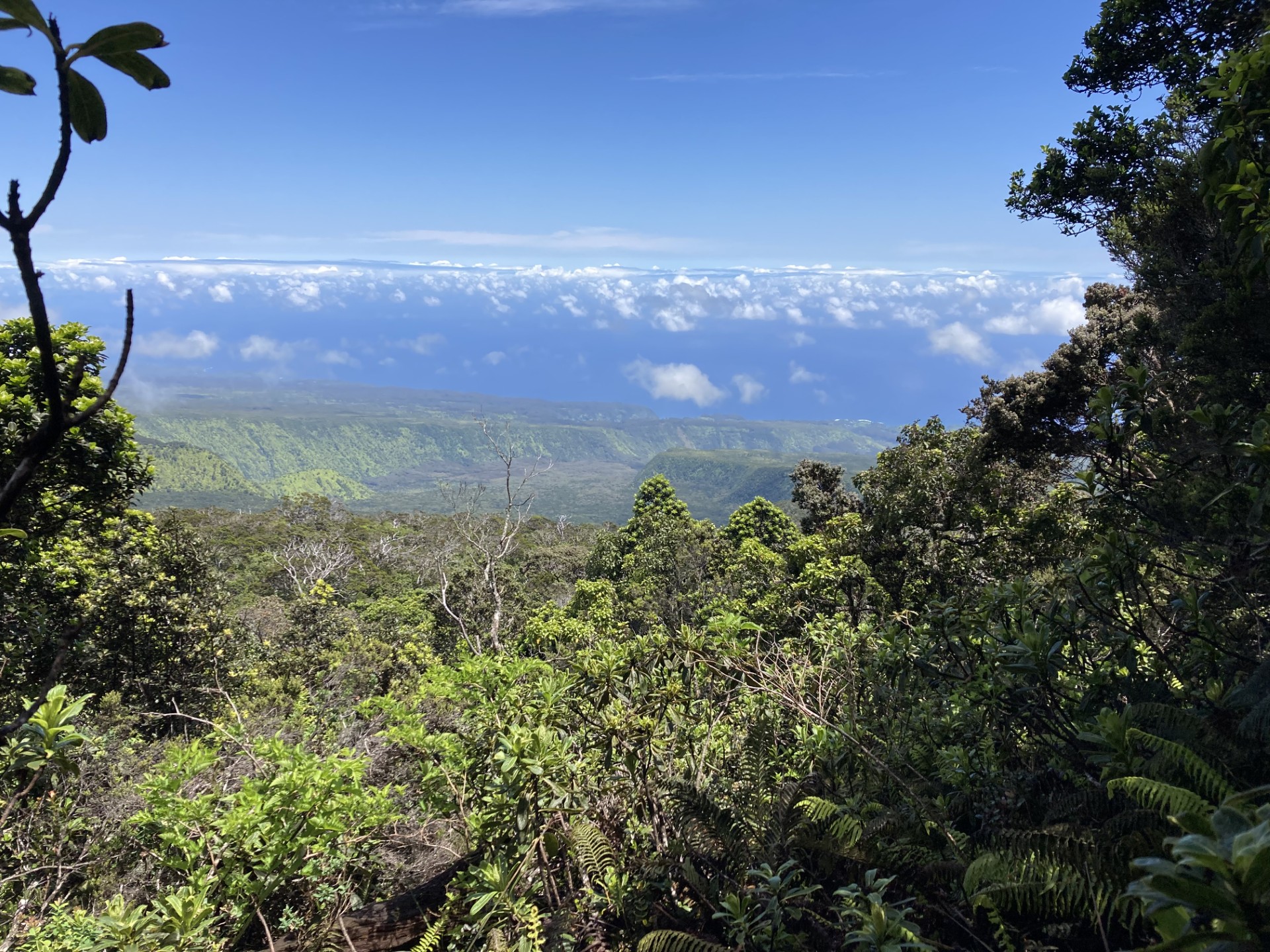
Home to over 25,000 unique species of plants and animals, including 9,164 endemic species, the Hawaiian archipelago is one of the most biologically diverse places on Earth. Unfortunately, it is also one of the most threatened. With 578 threatened and endangered species, Hawai’i is especially vulnerable through its ports of entry. Nine to ten million people visit the islands each year, exposing their unique habitats to invasive species from around the world.
SWCA Environmental Consultants is working with Hawai’i Invasive Species Council (HISC) to address this issue. Growing out of Māmalu Poepoe, an ad-hoc interagency airport monitoring project that was established in 2008, HISC’s Ports of Entry Monitoring (PoEM) Program seeks to identify and bridge invasive species surveillance gaps by enhancing collaboration between federal, state, and local agencies. The 2026-2030 Strategic Plan, which SWCA recently helped develop, will bolster the effort to prevent invasive species in Hawai’i.
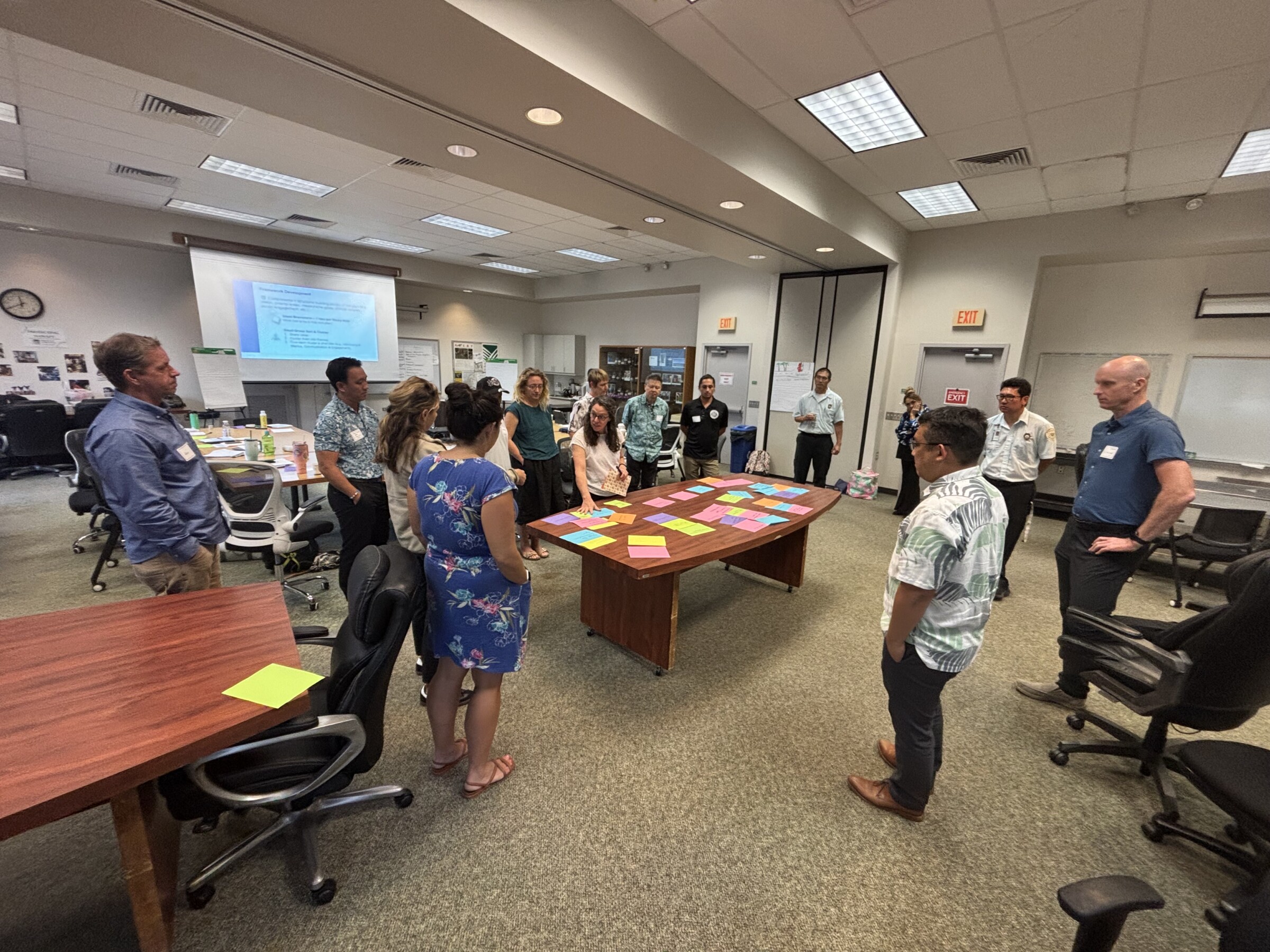
Part of the strategic planning process, SWCA’s Sarah Lupis facilitates an in-person stakeholder meeting alongside SWCA’s Adam Radford and Richard Pender.
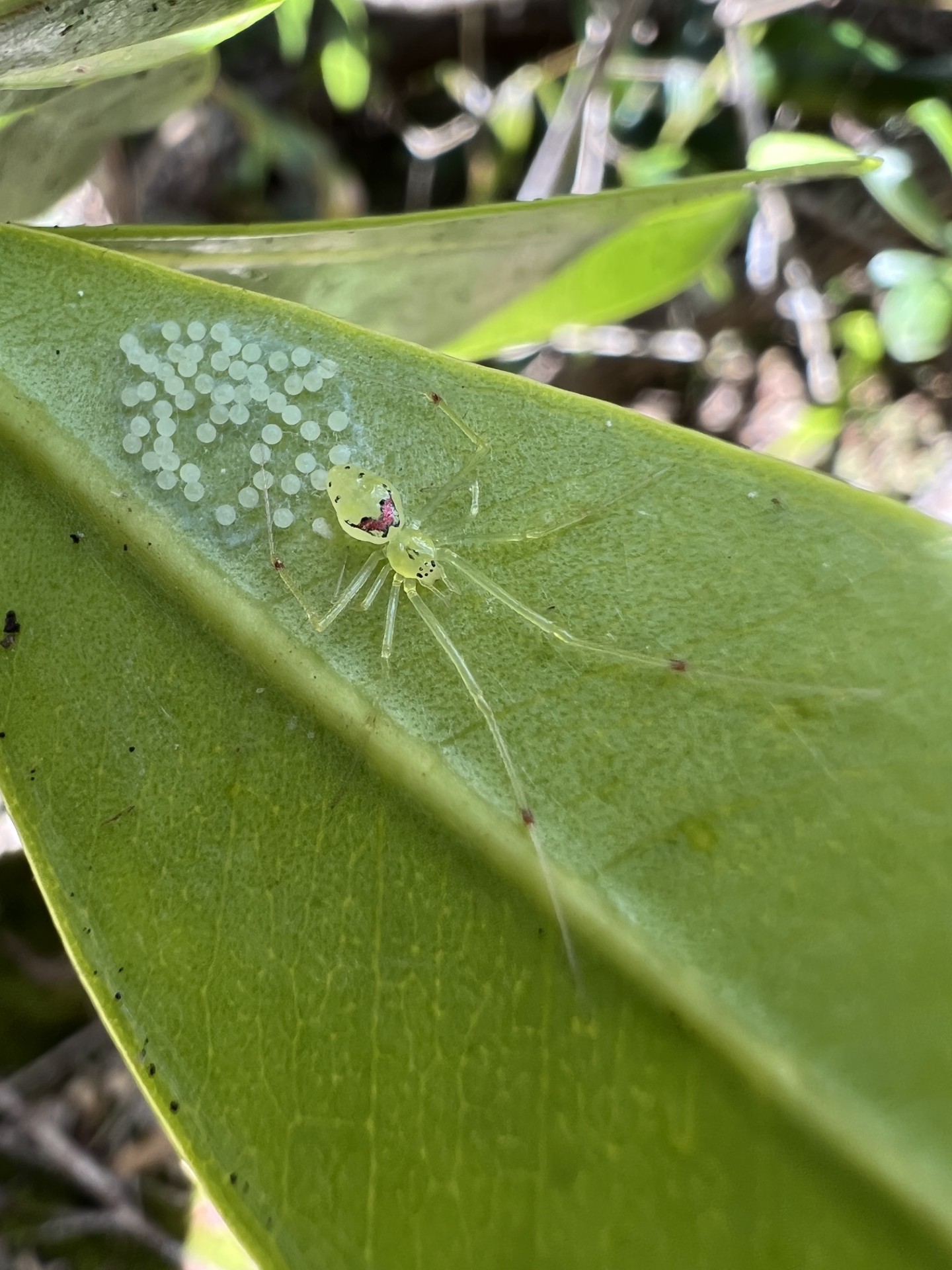
Waikamoi Happy Face Spider (Endemic Species)
A key factor influencing the timing of the strategic plan is an organizational change that will move HISC from a cabinet-level, interdepartmental initiative into the State’s Department of Agriculture and Biosecurity (DAB). In advance of this transition, HISC is proactively positioning the PoEM Program as a core component of Hawaiʻi’s statewide biosecurity framework—formalizing its role, strengthening interagency coordination and partnerships, and aligning it with long-term state priorities.
“With the council moving, HISC wanted to make sure that it preserved and built on the successes of Māmalu Poepoe,” says Adam Radford, project manager at SWCA. “The transition reflects a clear commitment from the state legislature to elevate and integrate invasive species prevention efforts across agencies. By institutionalizing early detection and response at ports of entry, the state and its partners can more effectively prevent the establishment of invasive species and avoid significantly higher long-term containment and control costs. The recent expansion of the PoEM Program from an airport-focused effort to one that includes harbors and other high-risk invasion pathways, demonstrates this broader, statewide approach to biosecurity.”
Over the last two years, SWCA has engaged stakeholders from more than 20 agencies involved in this strategic planning effort: Hawai’i’s Departments of Transportation, Agriculture and Biosecurity, Health, Land and Natural Resources; the U.S. Departments of Transportation, Agriculture, Customs and Border Protection; University of Hawai’i and more.
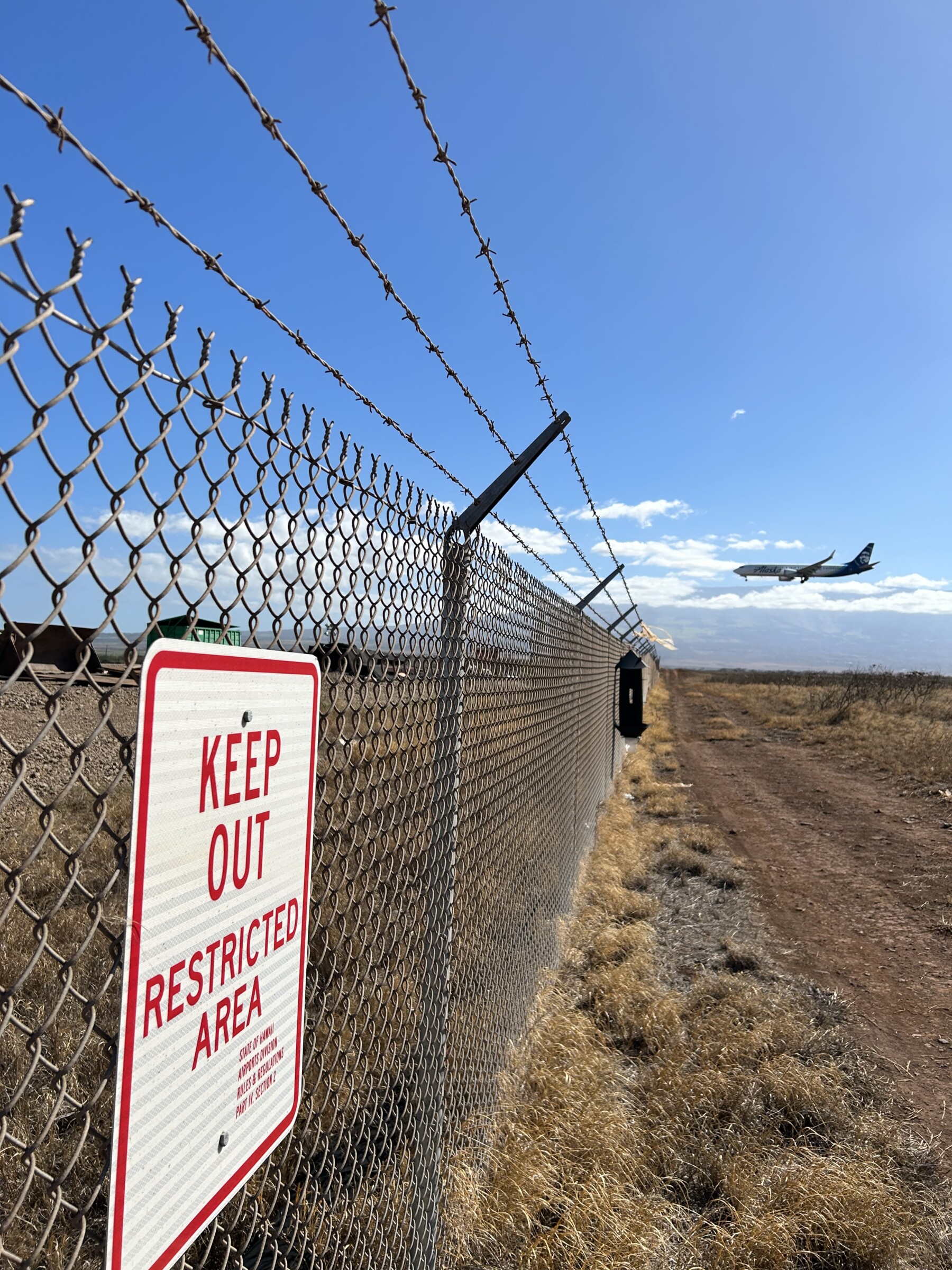
Coconut rhinoceros beetle (CRB) trap on the perimeter fence at Kahului Airport.
Part of the value of the engagement process was that confidential interviews allowed the team to candidly assess what was working (and what was not), so they could find better ways of accomplishing shared goals. As a third party, SWCA’s engagement team also took a global perspective outside the overlapping but differentiated mandates of HISC’s many partners. This enabled the team to weave their individual initiatives together into a more cohesive invasive species prevention effort.
While providing a snapshot of the program’s current state, the plan provides guidance to make HISC’s biosecurity efforts more effective.
“It’s more of a roadmap than a set of policy suggestions,” Radford explains. “The plan outlines how the program can accomplish tasks necessary for success, such as collaboration and communication with partners, data management and sharing, funding and leadership steps needed for long-term sustainability.”
The roadmap also includes benchmarks to help gauge progress, tying specific actions to goals and objectives while making it easier to track the program’s success. From opportunities to improve communications and data management to recommendations for long-term funding and advocacy, the plan will help better protect the islands’ wealth of natural resources.
“I’ve been involved in environmental protection in Hawai’i for over 20 years, so it’s exciting to see sustainable, invasive species prevention-based action happening in a tangible way,” Radford says. “This project feels like a culmination of my career. Hawai’i is on the brink of a much-improved biosecurity system that is taking environmental protection seriously. Institutionalizing the PoEM Program under a state department is an example of this.”
Strategic planning and partner engagement are more than an academic exercise. In this case, they are an outcome-driven effort that will have meaningful results in terms of protecting Hawai’i’s environment as well as the economy and culture that depend on it.
See Beyond Policy Change to What Matters for Your Project
Regulatory Radar is a subscription intelligence service that scans the policy horizon for changes that could affect planning, permitting, schedules, and risk, then turns those signals into clear takeaways and practical next steps.