
2025
Comparably’s Best Company Outlook
* Providing engineering services in these locations through SWCA Environmental Consulting & Engineering, Inc., an affiliate of SWCA.


From the experts we hire, to the clients we partner with, our greatest opportunity for success lies in our ability to bring the best team together for every project.
That’s why:
At SWCA, sustainability means balancing humanity’s social, economic, and environmental needs to provide a healthy planet for future generations.
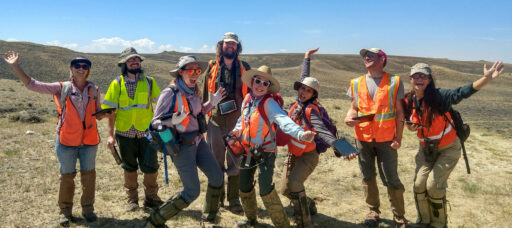
SWCA employs smart, talented, problem-solvers dedicated to our purpose of preserving natural and cultural resources for tomorrow while enabling projects that benefit people today.

At SWCA, you’re not just an employee. You’re an owner. Everyone you work with has a stake in your success, so your hard work pays off – for the clients, for the company, and for your retirement goals.
Combating Wildfires with Nature-based Solutions
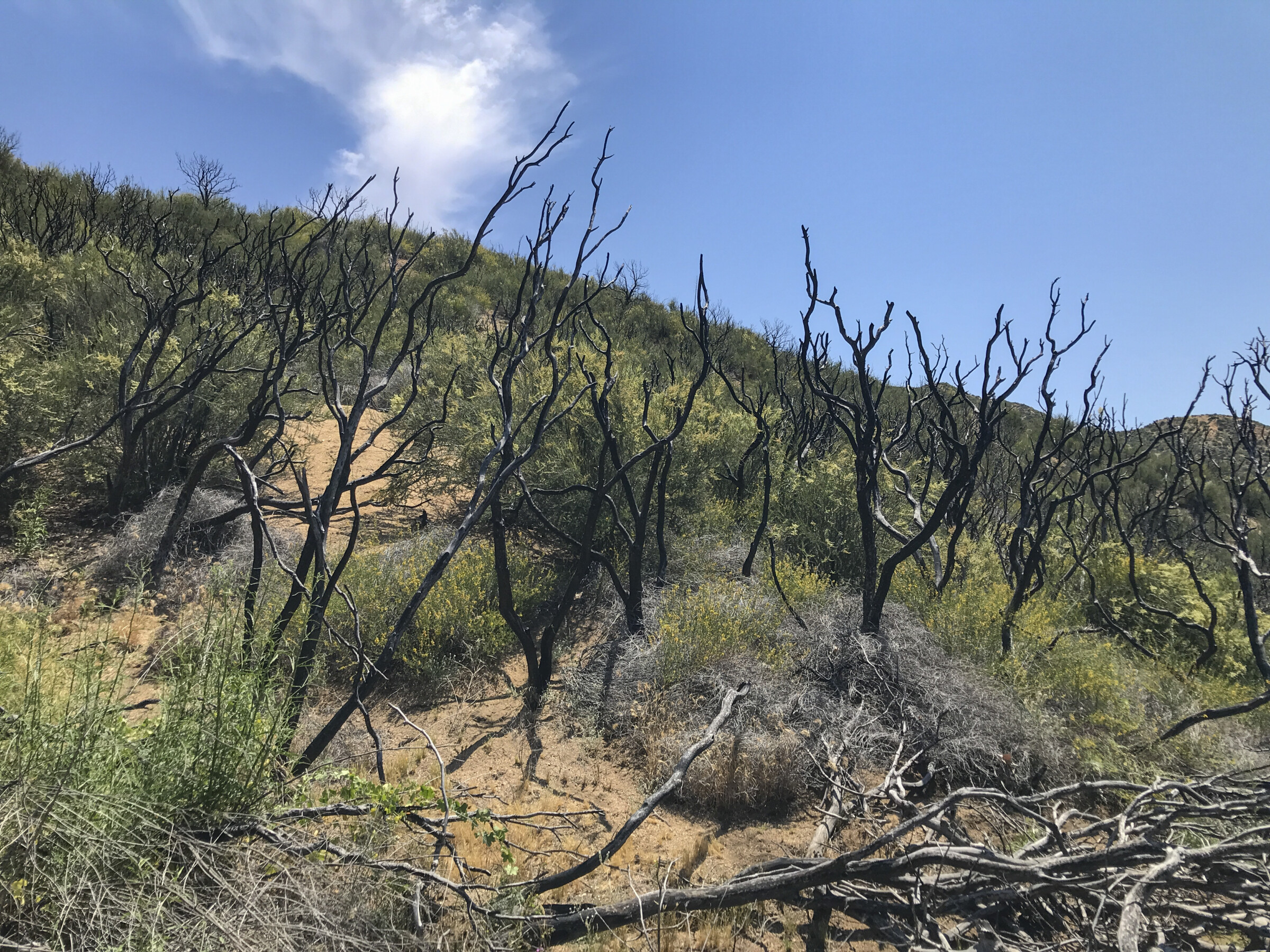
By restoring the health of an area’s ecosystem, Nature-based Solutions deliver substantial primary and secondary benefits. Santa Clara County’s Community Wildfire Protection Plan (CWPP) illustrates this. By restoring the area’s ecosystem, this CWPP not only mitigates wildfire risk, but it obtains a host of ecological, economic, and social benefits.
Victoria has a background in forestry, fire ecology, and natural resource management and has managed and developed over 100 CWPPs and Fire Management Plans. She started with SWCA in early 2007 and now leads the company’s fire and forestry team.
Vince is a content developer at SWCA, where he helps subject matter experts tell their stories. An engaging storyteller and translator of technical information, he loves communicating the significance of his colleagues’ work.



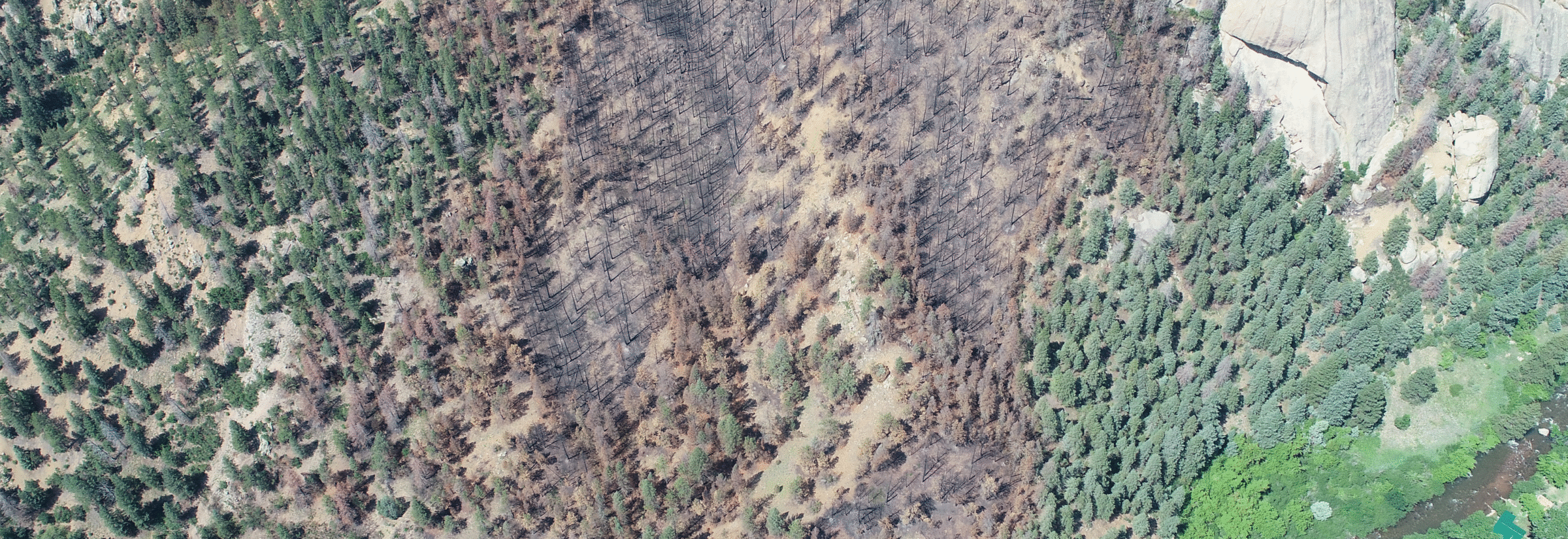
In recent years, wildfires have intensified across California. As of early 2024, the California Department of Forestry and Fire Protection (CAL FIRE) reported a 159% increase in fire starts and a 1,727,729% increase in acres burned compared with the 5-year average. The combination of shifting climate patterns, drought, and increased development in fire-prone landscapes has made wildfire risk one of the most urgent natural hazards in the United States.
Santa Clara County, home to Silicon Valley’s major commercial and industrial infrastructure, is particularly vulnerable. Although historically less affected than the northern and southern parts of the state, its steep terrain, Mediterranean climate, and dense wildland-urban interface have led to increasingly frequent and severe fires in recent years. Events like the 2016 Loma Fire and the 2020 SCU Lighting Complex Fire have underscored the need for a comprehensive, long-term wildfire and resilience strategy.
Building on a long partnership with SWCA, the Santa Clara County FireSafe Council (SCCFSC) drew on SWCA’s technical and stakeholder engagement expertise to organize a broad coalition of partners around an updated community wildfire protection plan (CWPP).
“We engaged federal, state and local agencies, community organizations, nonprofits, utility providers, insurance companies, and other businesses to update the county’s CWPP,” says Victoria Amato, Principal Planner of Fire and Forestry with SWCA. “As a result, we developed a plan that will act as a blueprint for identifying wildfire risks and coordinating mitigation efforts across jurisdictions.”
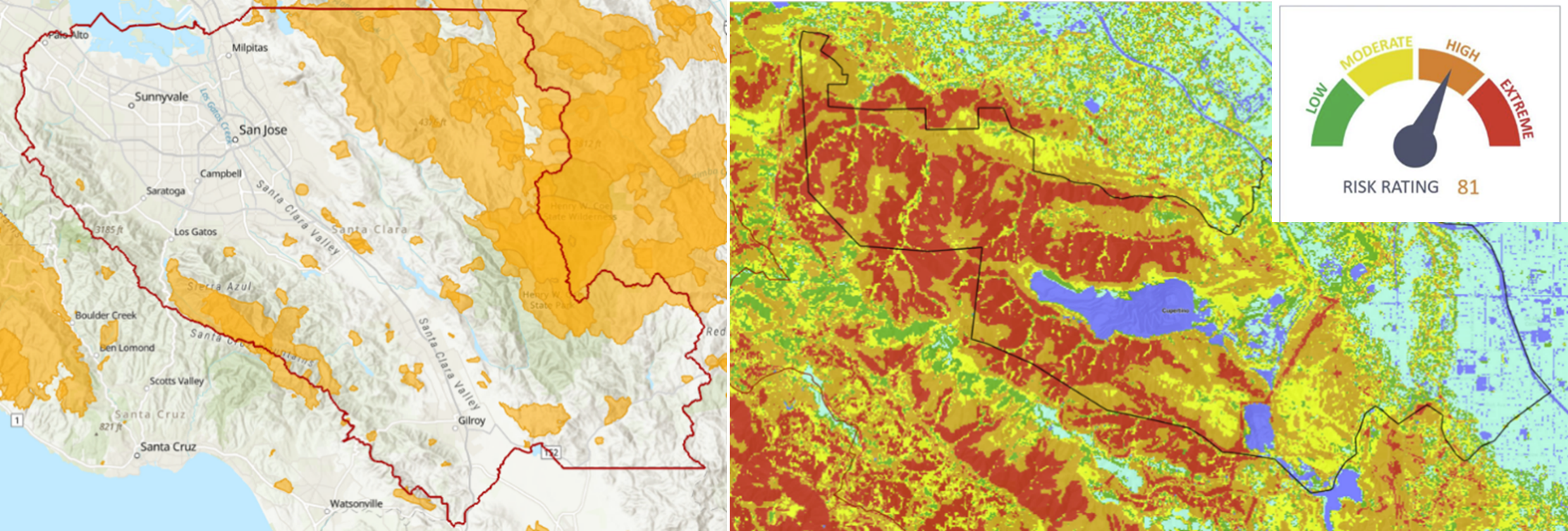
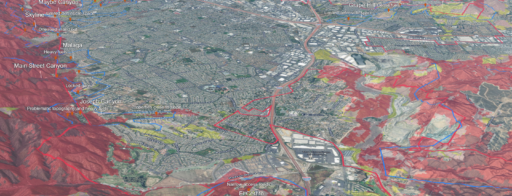
Figure 1: Santa Clara County’s CWPP covers more than 2,000 acres of high-risk land (left). The risk of wildfires is high and increases on a yearly basis (right). Source: The Climate Drive.
“This CWPP’s approach is notable for its emphasis on Nature-based Solutions,” Amato says. “By restoring or enhancing the health of the area’s ecosystem, Nature-based Solutions are enabling SCCFSC and their partners to protect the people, property, and infrastructure of Santa Clara County.” The plan recommends a variety of targeted solutions for SCCFSC to pursue, such as:
These are just a few of the strategies outlined in Santa Clara County’s CWPP, but they provide a sense of how the process of ecological restoration can be harnessed to deliver social goods.
While Nature-based Solutions are pursued in this context to reduce the risk of catastrophic fire, they also produce substantial secondary benefits in terms of climate, ecology, and social and economic impacts.
Climate Benefit. Beyond mitigating wildfire risks, reestablishing woodlands, riparian vegetation, and wetlands strengthens the landscape’s capacity to sequester carbon, creating long-term carbon sinks. By mitigating the risk of large-scale fires, they also prevent the release of large amounts of carbon dioxide and other greenhouse gases that accompany such events.
Ecological Benefit. The same strategies also tend to improve habitat connectivity, soil stability, and water quality across treated landscapes. The reestablishment of native vegetation in riparian zones and upland forests reduces erosion and sedimentation. It also enhances the local watershed’s capacity to absorb and store water, which the ecological community and watershed users rely on during the dry season. The overall effect of these interventions is to create a more diverse, balanced, and resilient ecosystem that supports pollinators, birds, and native mammals throughout the region.
Social Benefit. At the community level, the Santa Clara CWPP has delivered measurable improvements in safety, preparedness, and social cohesion. The creation of 30 Firewise Communities has empowered residents to take ownership of local fire risk management through risk assessment and action plans, defensible space planning, evacuation preparedness, and ongoing fuel reduction efforts. Over 2,000 acres of high-risk land have been treated across multiple jurisdictions, helping to mitigate wildfire threats to homes, businesses, and critical infrastructure. Collectively, these projects can help protect more than one million residents in the greater Silicon Valley area.
Beyond the central aim of mitigating the risk of wildfires, the planning process itself is an exercise in community building. Bilingual workshops, multiagency stakeholder meetings, and direct engagement with Tribes, landowners, and individual residents have fostered a mutual trust and a shared sense of responsibility that cuts across social boundaries.
Economic Benefit. For businesses in wildfire-prone regions like Silicon Valley, building resilience to wildfire risk is more than an environmental necessity. It is an operational imperative. Businesses’ facilities as well as their access to energy, water, and transportation networks—all essential to operations—are vulnerable to wildfire disruption. Strategic vegetation management and the creation of defensible spaces around industrial assets, transportation routes, and utility corridors offer a way of safeguarding their economic future.
These strategies may help companies retain insurance eligibility or lower premiums at a time when increased risks are prompting insurers to withdraw from some regions.
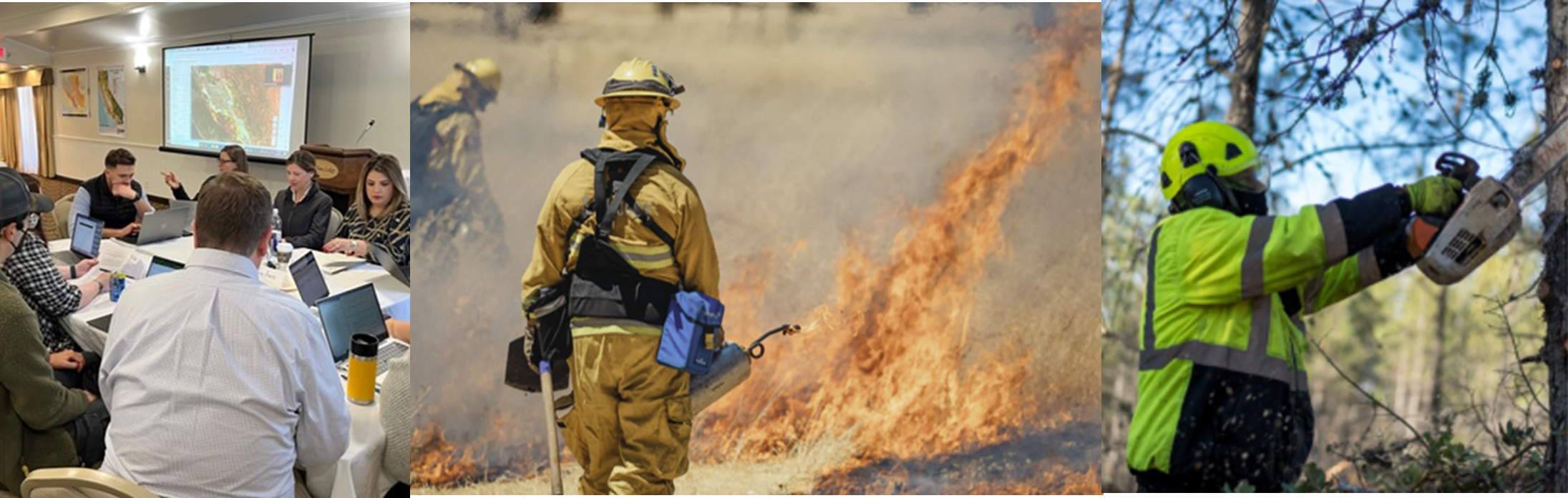
Figure 2: Following the planning phase (left), actions included prescribed fires (middle) and thinning and removal of invasive species (right). Source: The Climate Drive.
“Coordinating the efforts of dozens of partners is a challenge,” Amato acknowledges. Beyond addressing the concerns of diverse stakeholders, it also requires aligning regulatory and funding timelines from multiple state and federal agencies. “But a hazard that does not stop at property lines or jurisdictional boundaries demands a response that goes beyond them as well.”
By engaging such a wide array of partners, the SCCFSC has been able to assemble a more complete understanding of existing wildfire risks while marshalling the resources of the whole community to address them. The updated CWPP demonstrates how Nature-based Solutions, combined with strong partnerships and community engagement, can serve as a durable framework for wildfire resilience in complex landscapes.
Victoria Amato has a background in forestry, fire ecology, and natural resource management and has managed over 50 CWPPs and Fire Management Plans. She started with SWCA in 2007 and now leads the company’s fire and forestry team. She recently published a longer version of this article with the World Business Council for Sustainable Development. The full version appears here.