
2026
Comparably’s Best Company Outlook
* Providing engineering services in these locations through SWCA Environmental Consulting & Engineering, Inc., an affiliate of SWCA.


From the experts we hire, to the clients we partner with, our greatest opportunity for success lies in our ability to bring the best team together for every project.
That’s why:

At SWCA, sustainability means balancing humanity’s social, economic, and environmental needs to provide a healthy planet for future generations.
SWCA employs smart, talented, problem-solvers dedicated to our purpose of preserving natural and cultural resources for tomorrow while enabling projects that benefit people today.

At SWCA, you’re not just an employee. You’re an owner. Everyone you work with has a stake in your success, so your hard work pays off – for the clients, for the company, and for your retirement goals.
Demystifying FAST-41: Increasing Speed and Schedule Certainty in Critical Minerals Mines
Andrew has more than 35 years of experience delivering environmental solutions to resource and industrial clientele. With a background in geochemistry, soil science, plant nutrition, and agronomy, Andrew integrates innovative solutions to reduce costs and improve efficiencies throughout the mine life cycle. Recent mining work includes geochemical evaluation and waste rock characterizations; supporting permit and license applications for proposed mining, ore processing and smelting operations; and supporting mining companies with water quality issues, including overburden characterization and land application of treated water. Andrew combines extensive field experience and academic research to evaluate new soil amendments and fertilizers aimed at improving reclamation of severely disturbed soils resulting from resource extraction.

Donna has worked for more than a decade on large mining environmental impact statements involving multiple federal agencies and addressing NEPA, Clean Water Act, Endangered Species Act, realty actions, and state environmental regulations.

Vince is a content developer at SWCA, where he helps subject matter experts tell their stories. An engaging storyteller and translator of technical information, he loves communicating the significance of his colleagues’ work.




Part of the 2015 Fixing America’s Surface Transportation Act (FAST Act), the FAST-41 process seeks to improve speed, predictability, and transparency in the federal environmental review and land-use permitting process for large infrastructure projects. Initially developed for transportation infrastructure, FAST-41 was expanded by a March 2025 executive order to cover critical minerals, like lithium, uranium, copper, potash, gold and other elements needed for renewable energy, defense and artificial intelligence technologies.
Increasingly viewed as a matter of economic and national security, the effort to bring permitting reform to critical mineral operations aims to grow the domestic supply chain.
This is good news for mining firms, but will this reform really increase projects’ speed-to-market?
We turned to SWCA Environmental Consultants’ Mining Director, Andrew Harley, and Planning Director, Donna Morey, for answers.
A: The FAST-41 process was only recently extended to mining, but it has been around for a decade, so we have a lot of experience with it. It’s a formal process for coordinating federal environmental reviews and land use permitting.
The federal review process—especially for mines—can be cumbersome. It involves a morass of permits from half a dozen different agencies (or more), and each has their own processes and timelines. FAST-41 works to get them all on the same page:
There are two FAST-41 pathways: covered projects or transparency projects. Covered projects have some added bonuses. They have a project coordinator assigned to them on the agency side, who can help shepherd them through the process. They also have regular, all-agency check-ins to help them stay on track, and if an agency fails to meet a posted completion date, they’re reported to Congress as being in “nonconformance.” This helps to motivate everyone involved in the process to keep it on track. Transparency projects are publicly tracked on the FAST-41 dashboard and benefit from being in the program, but do not receive the same level of coordination.
A: SWCA has supported multiple FAST-41 projects across both transparency and covered categories, including several mining projects. While the program only recently expanded to cover critical minerals projects, we just completed the environmental review for the Silver Peak Mine.
In many cases, SWCA has supported both first-party work and third-party NEPA roles, effectively serving as additional staff and expertise for both clients and agencies.
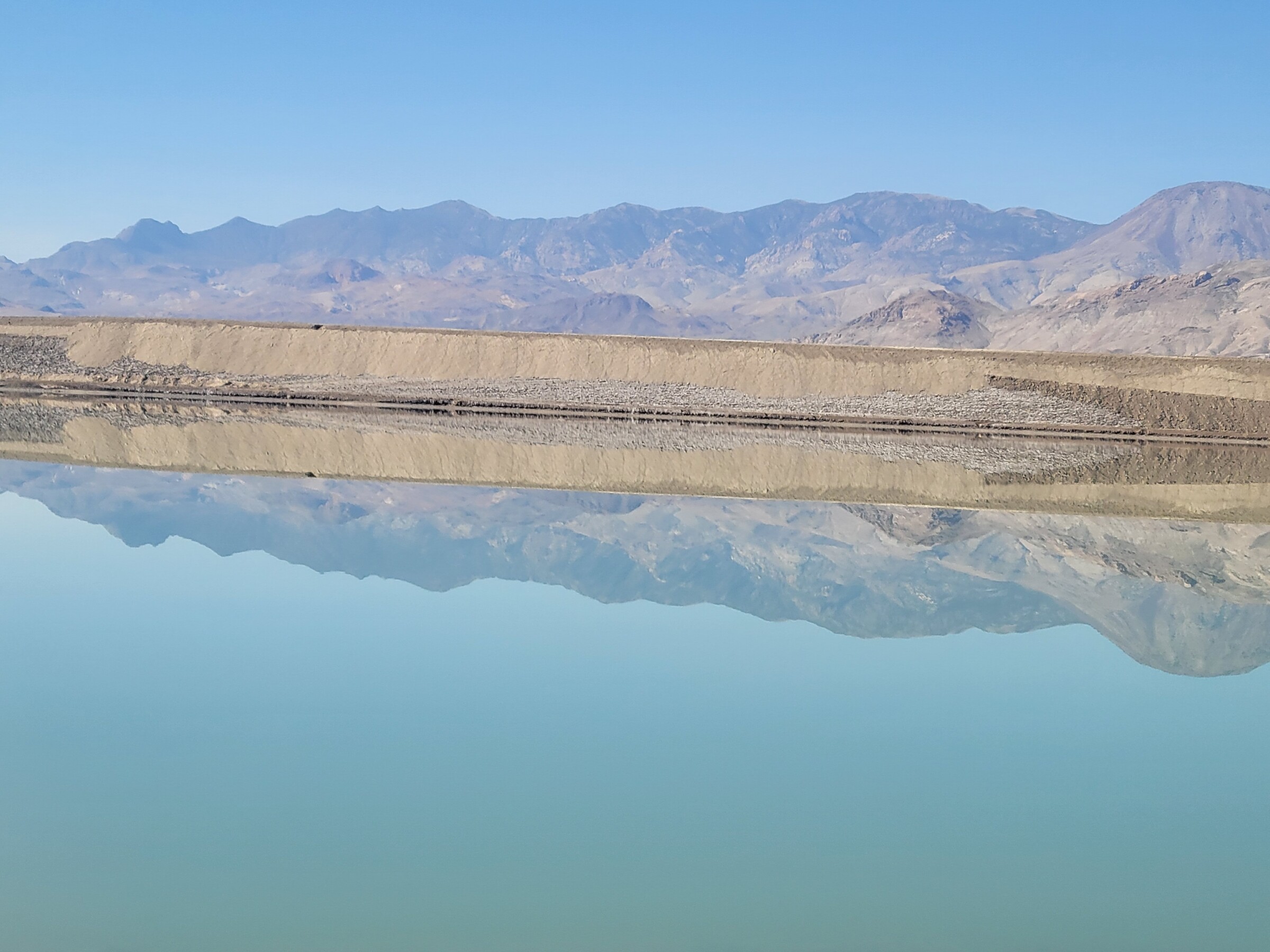
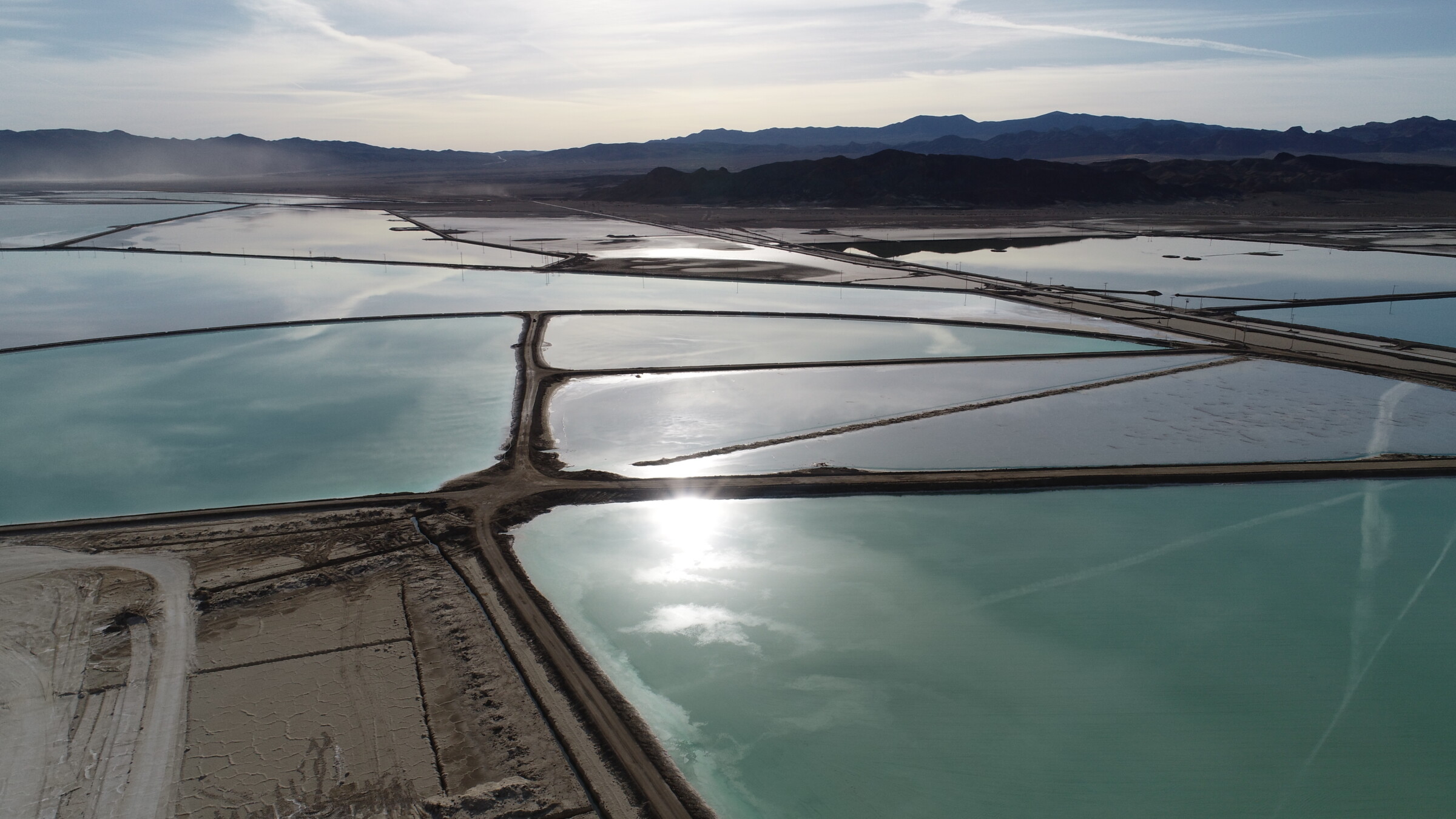
The sky reflects off a lithium evaporation pond at Silver Peak Mine. A salt storage pile is visible in the background.
A: Speed, protection from legal liability and, above all, schedule certainty.
A: Clients usually want to know whether the FAST-41 process will help their project, whether their project is large enough to qualify, and whether entering the process could create tension with their existing lead agency. Cost is another common concern, along with timing—specifically, whether their project is at the right stage to pursue FAST-41.
Most mining projects are large enough to qualify, but very early-stage exploration projects generally are not.
A: That concern does come up, because FAST-41 introduces additional oversight. However, when managed correctly, it typically does not create conflict. The key is understanding when and how to engage with the program, so it complements rather than complicates existing agency relationships.
A: Timing is critical. FAST-41 is often described as a one-year permitting timeline, but that only works if the project is ready. If a client enters the process without having key information prepared, that year can become extremely stressful and counterproductive.
Projects need to reach a certain level of maturity before FAST-41 makes sense. While it’s possible to apply early and formally enter later, clients still need a clear understanding of when they will be ready to meet FAST-41 expectations.
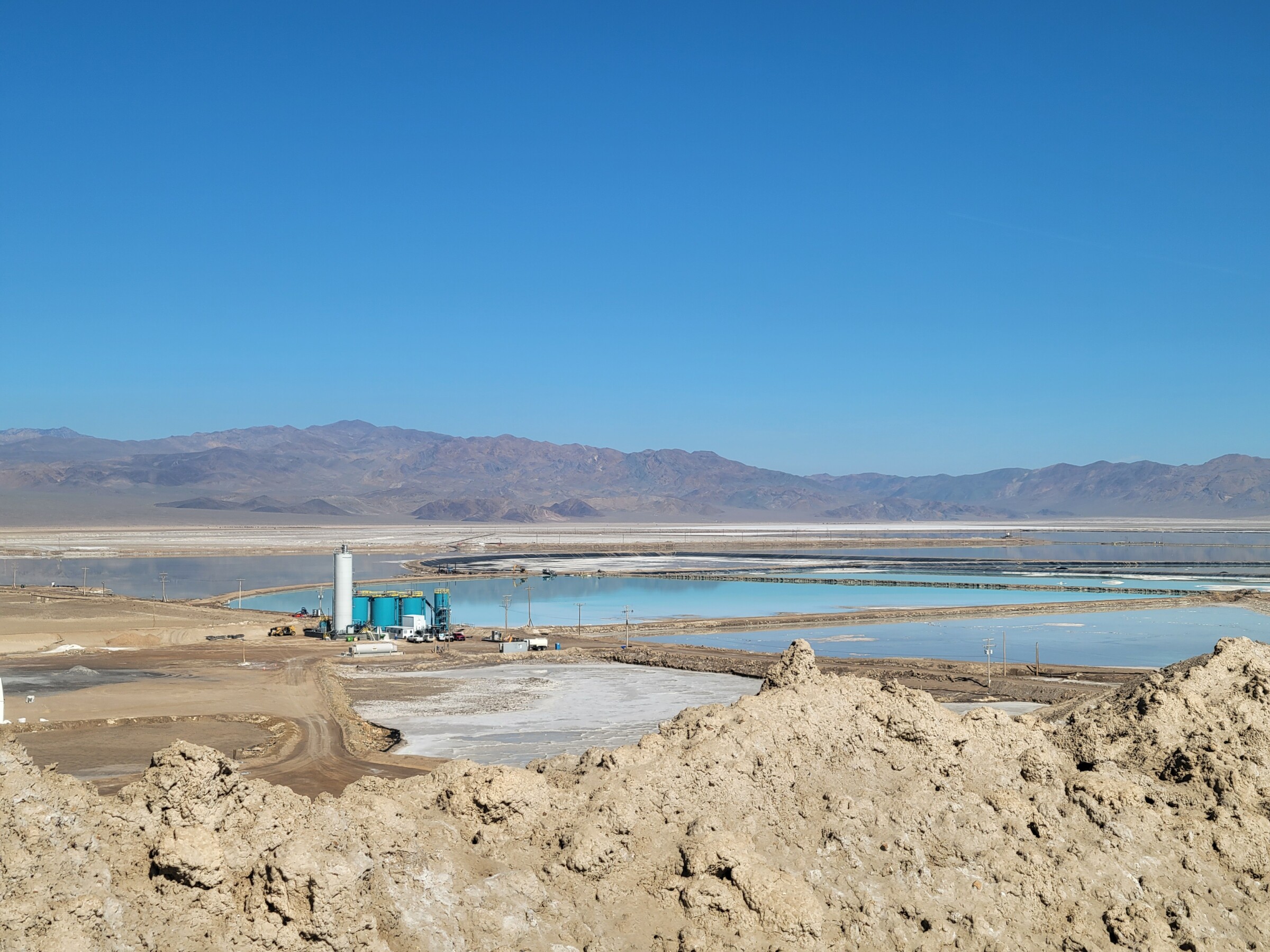
View from on top of a salt storage pile overlooks evaporation ponds and processing facilities.
A: One of the biggest challenges is verifying that baseline reports and technical studies are actually complete and meet agency expectations.
Some consultants submit reports that technically exist but do not contain the level of detail agencies require, which causes delays.
Another challenge is internal capacity. Some clients simply don’t have enough in-house permitting staff to manage the complexity and coordination required.
A: Silver Peak participated as a FAST-41 transparency project rather than a covered project. It’s a lithium mine that was ready to permit and it was politically visible, so it was a good candidate for transparency listing. While it did not have a dedicated FAST 41 coordinator, the transparency status still provided leverage. When approvals stalled in Washington, D.C., referencing FAST-41 timelines helped push the authorization through very quickly.
A: It was pretty far along… We had a well-developed mine plan with analysis of alternatives and good baseline environmental data. The EIS was relatively straightforward, because the project involved limited physical changes at an already disturbed mine site. Much of our work involved reconciling legacy issues from previous ownership and bringing documentation up to date.
But the project illustrates how FAST-41 can be especially effective when a project is already well prepared. In fact, it took exactly one year to move from the Notice of Intent to receiving our Record of Decision approving the Silver Peak expansion.
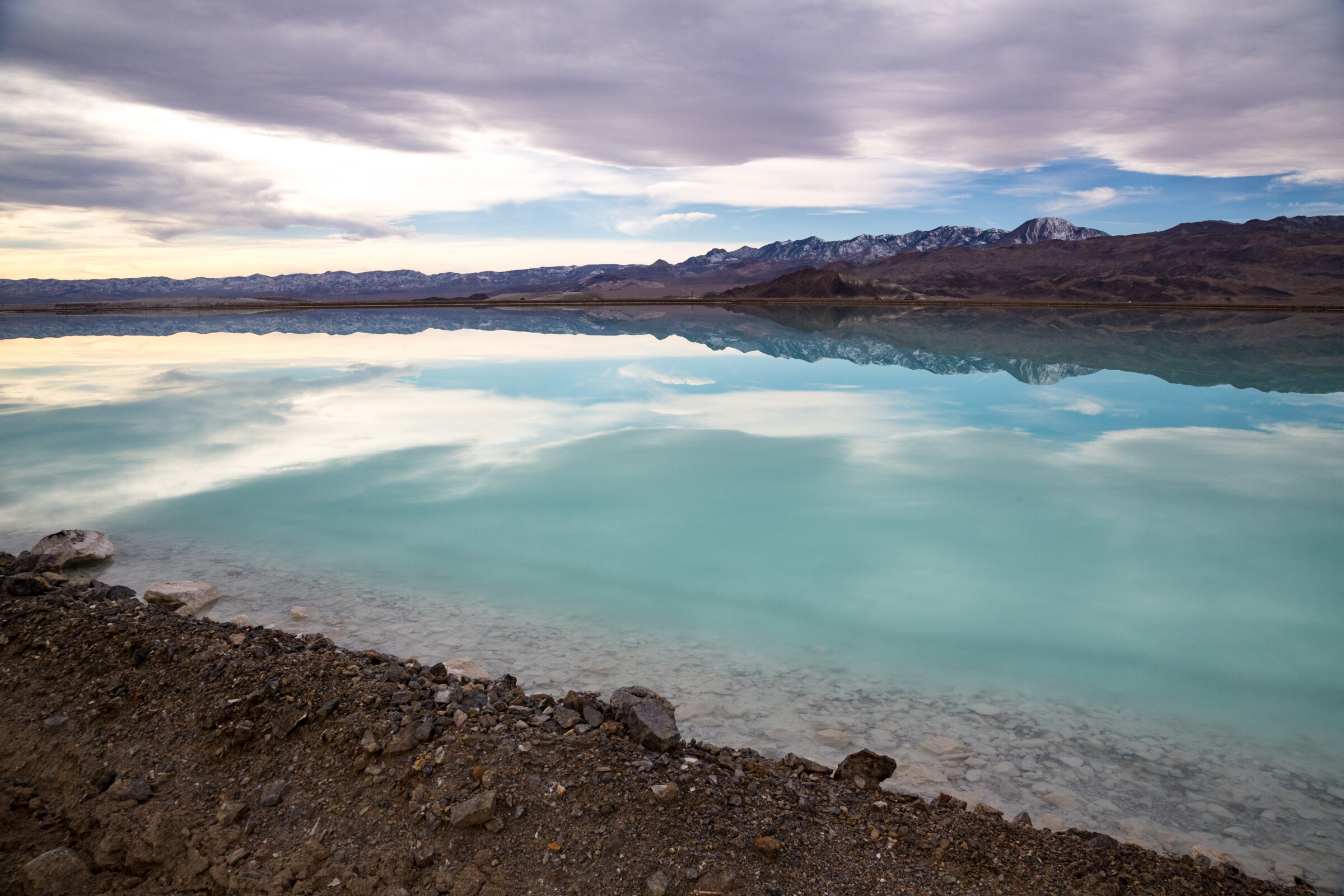
View shows an evaporation pond at the Silver Peak Mine in Tonopah, Nevada.
A: FAST-41 itself doesn’t necessarily increase costs, but being adequately prepared to meet FAST-41 timelines can. Developing baseline data, alternatives analysis, and project design earlier may require higher upfront investment, but it reduces the risk of delays and surprises later.
Of course, we don’t have to tell anyone in the mining business the value of schedule certainty.
A: SWCA understands what agencies expect, so we help confirm that baseline reports are complete and defensible when submitted. We also provide strategic guidance on the permitting pathway, including which surveys are needed and when.
In many cases, SWCA effectively functions as an extension of the client’s permitting team, providing first-party support where internal resources are limited.
If you have any questions about FAST-41 or how to effectively implement your project, please contact one of our experts.
See Beyond Policy Change to What Matters for Your Project
Regulatory Radar is a subscription intelligence service that scans the policy horizon for changes that could affect planning, permitting, schedules, and risk, then turns those signals into clear takeaways and practical next steps.