
2026
Comparably’s Best Company Outlook
* Providing engineering services in these locations through SWCA Environmental Consulting & Engineering, Inc., an affiliate of SWCA.


From the experts we hire, to the clients we partner with, our greatest opportunity for success lies in our ability to bring the best team together for every project.
That’s why:

At SWCA, sustainability means balancing humanity’s social, economic, and environmental needs to provide a healthy planet for future generations.
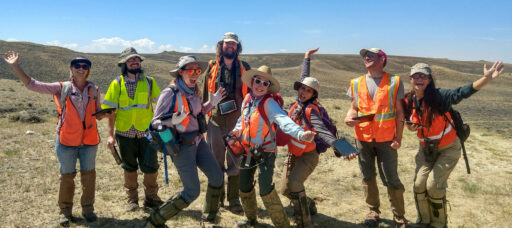
SWCA employs smart, talented, problem-solvers dedicated to our purpose of preserving natural and cultural resources for tomorrow while enabling projects that benefit people today.

At SWCA, you’re not just an employee. You’re an owner. Everyone you work with has a stake in your success, so your hard work pays off – for the clients, for the company, and for your retirement goals.
Demystifying Operations and Maintenance Plans for Transmission
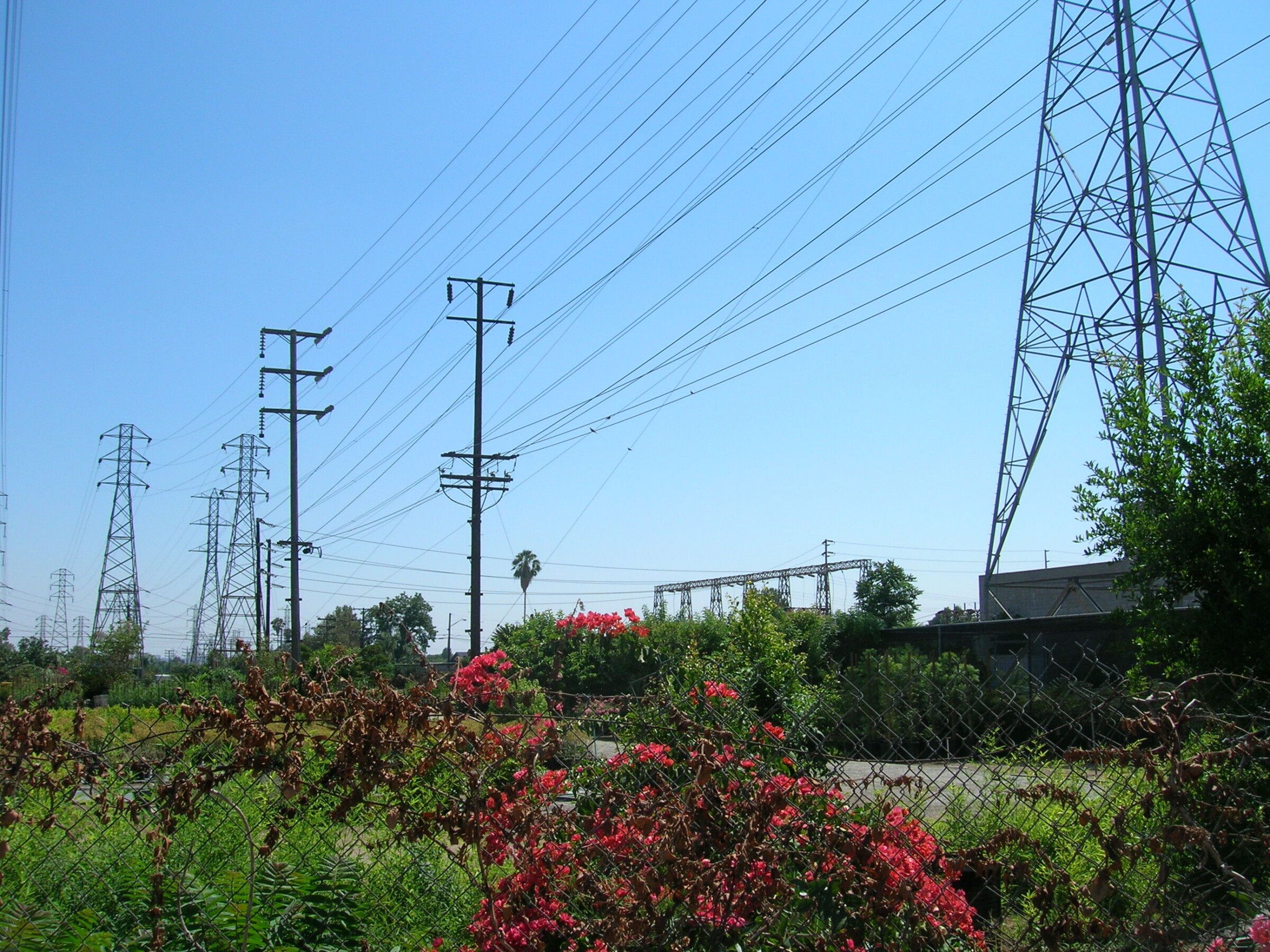
Seth has over 15 years of experience with natural resources management and specializes in linear utility projects. He has provided environmental review, permitting, and construction compliance for numerous pipeline projects.

Stephanie is a principal project manager with over 22 years of experience. She has led SWCA’s support of several Pacific Power O&M Plans with US national forests in California and Oregon.

Carly is a senior project manager with more than 20 years of experience in federal and state environmental compliance for wildfire mitigation and forest management. She brings deep expertise in hazardous fuels and vegetation management planning, post-fire values at risk assessment and mitigation, efficient interdisciplinary team leadership, landscape scale NEPA compliance, and wildfire mitigation CEQA.




Operations and maintenance (O&M) plans have become essential tools for utilities managing transmission infrastructure across federal lands. While these plans help satisfy regulatory requirements, their greatest value may be in improving wildfire risk management, streamlining agency coordination, and creating predictable pathways for maintaining critical energy infrastructure.
While utilities have maintained transmission systems for decades, increasing wildfire risk and a shifting regulatory context have changed how O&M activities are documented and reviewed.
Across the western United States, wildfires are growing larger and more destructive, and power-line ignitions have contributed to several high‑profile events. This has highlighted the role that routine operations—especially vegetation management—can play in mitigating that risk. In this context, O&M plans are more than compliance documents; they’re a way of keeping our communities safe and protecting our environment.
This shift in understanding the function of O&M plans is changing how utilities develop them and how agencies review them.
A 2018 amendment to the Federal Land Policy and Management Act (FLPMA), which added Section 512, directed federal land management agencies to establish requirements governing the review and approval of electric power operations, maintenance, fire prevention, and facility management plans and agreements for rights-of-way (ROW) on federal lands. Subsequent rules and guidance from the U.S. Forest Service (USFS) and Bureau of Land Management (BLM) clarified expectations around grid reliability, wildfire prevention, and vegetation management.
The practical effect of this framework has been a move away from piecemeal maintenance authorizations toward programmatic O&M plans that define activity classes and outline approval and notification processes. For both utilities and agencies, this creates an opportunity to reduce administrative friction.
Well-assembled O&M plans can streamline project review, reduce repeated consultation, and save time for agencies and utilities. They help create predictable pathways for routine and non-routine maintenance and can reduce uncertainty when emergency responses are needed. At SWCA, we’ve already seen how the relationships cultivated through O&M planning have improved coordination and accelerated wildfire responses.
However, these benefits depend on how the planning process is managed.
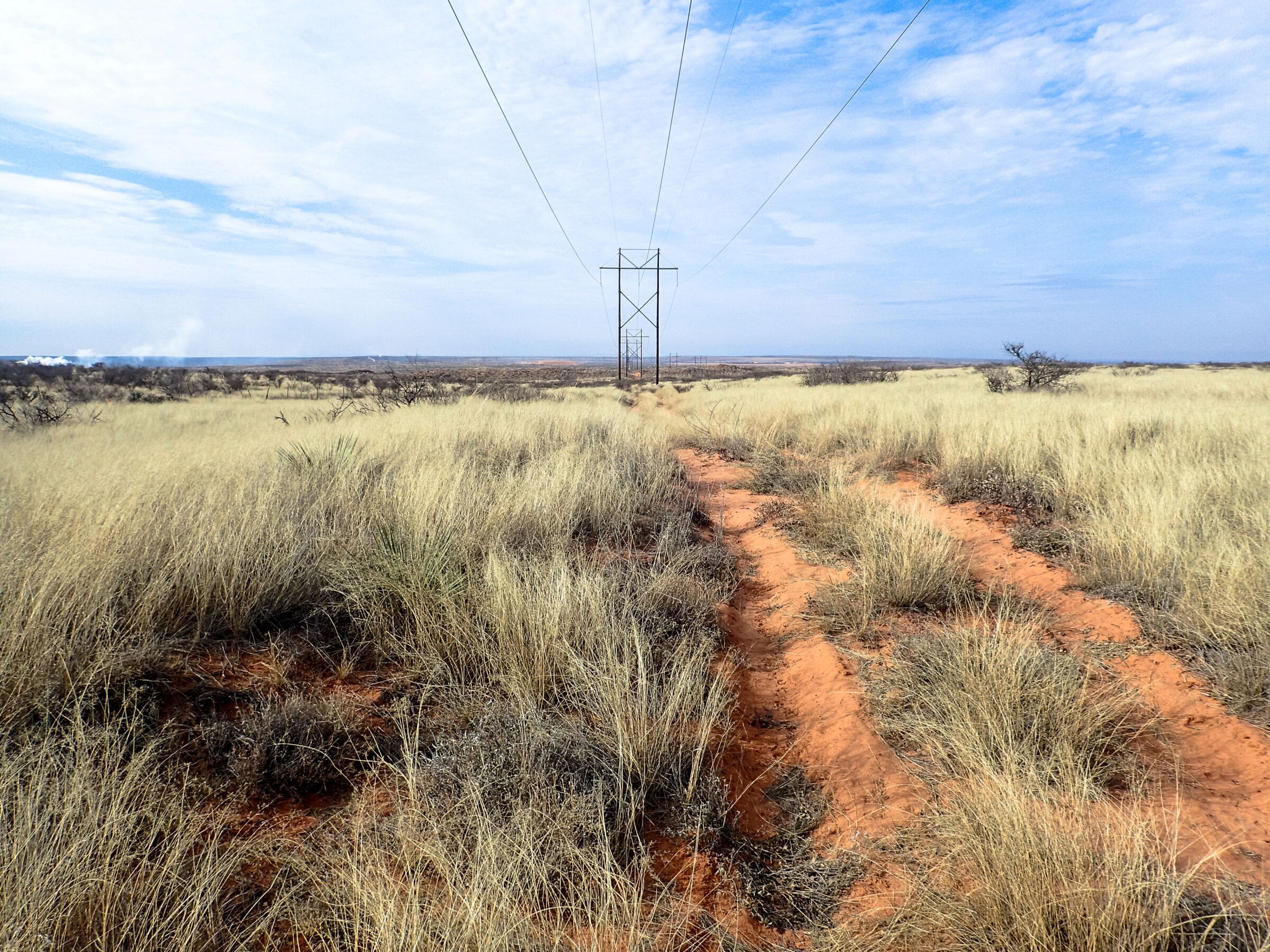
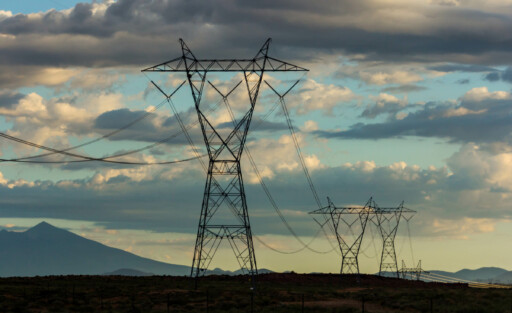
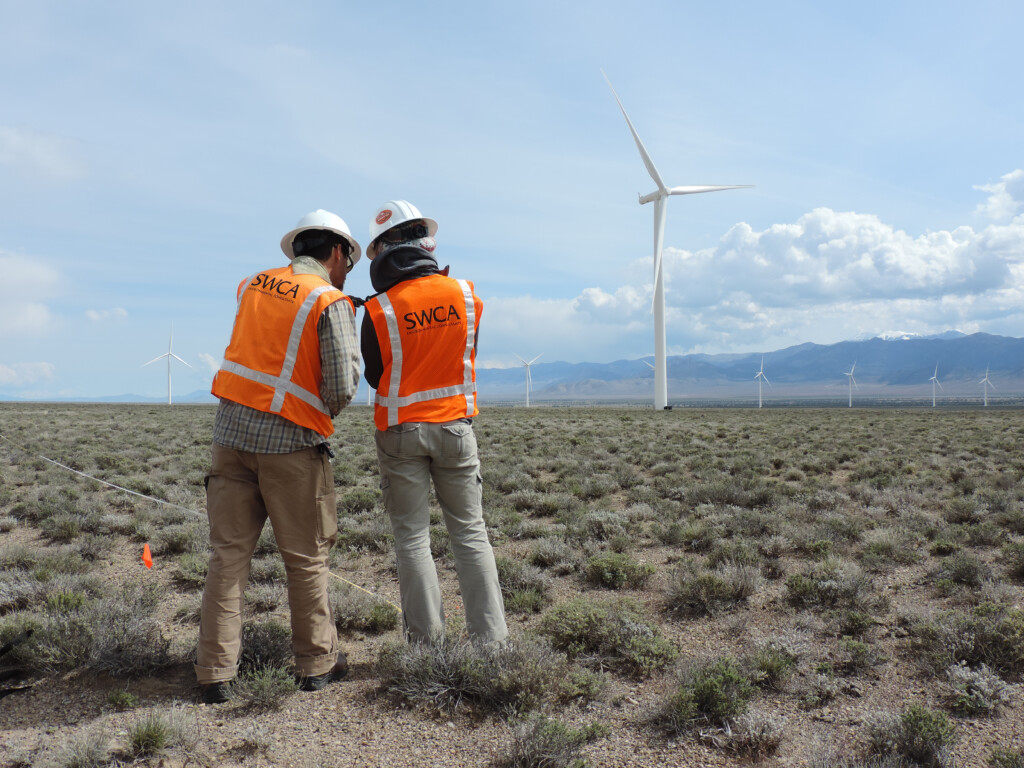
Transmission line in the field
Utilities and agencies are both navigating changing expectations. For utilities, multiagency coordination can be daunting. At the same time, agencies may struggle with capacity or inconsistent institutional knowledge. Successful planning teams should recognize these realities and account for them with intentional engagement.
SWCA recently partnered with Pacific Power and the USFS to develop a transmission line O&M plan that covered portions of the Six Rivers National Forest. A combination of GIS-informed habitat modeling and site visits played a key role in developing a common understanding of plan activities and potential biological impacts.
With approval from the utility’s strategy team, SWCA’s biologists and GIS specialists worked with USFS biologists to develop habitat models for three federally listed species for the 25-mile-long utility corridor. To develop the habitat models, the team integrated knowledge of the local landscape using LiDAR tree height and canopy cover spatial signatures with well-researched, habitat-based functional relationships to identify areas most likely to support listed species’ breeding activity. Together, SWCA and USFS biologists performed site visits that helped ground-truth those models over a few days. This allowed us to quickly identify a small subset of areas along the transmission route that would require enhanced avoidance measures for listed species protections (e.g., noise disturbance restrictions based on distance from breeding habitat). The geographic scope and avoidance measures were then shared with the utility operation team, who confirmed that they could integrate those measures into their annual workflow for activities like vegetation management.
This reduced the need for additional surveys or consultation with USFWS and reduced the workload for the agency and utility.
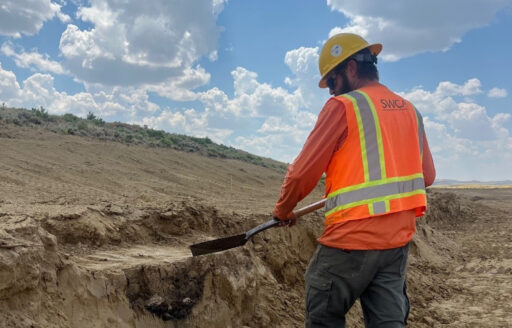
Site visits not only help keep the team’s approach grounded in existing conditions but also clarify the actual scope of proposed activities. In addition to the habitat mapping exercise, SWCA facilitated visits to observe typical O&M activities in action. This allowed agency specialists to measure noise levels on-site at set distances from the work location. Observing sound dissipation directly helped the project team develop pragmatic measures to avoid noise disturbance to nesting and denning wildlife without hindering normal operations.
Taking the time to make sure that all parties shared a robust understanding of on-the-ground conditions and the practical implications of proposed actions helped identify and resolve critical issues more quickly than a purely desktop-based approach. The effort also fostered a more concrete understanding of what O&M activities entail and provided a common baseline for everyone to reference when evaluating them.
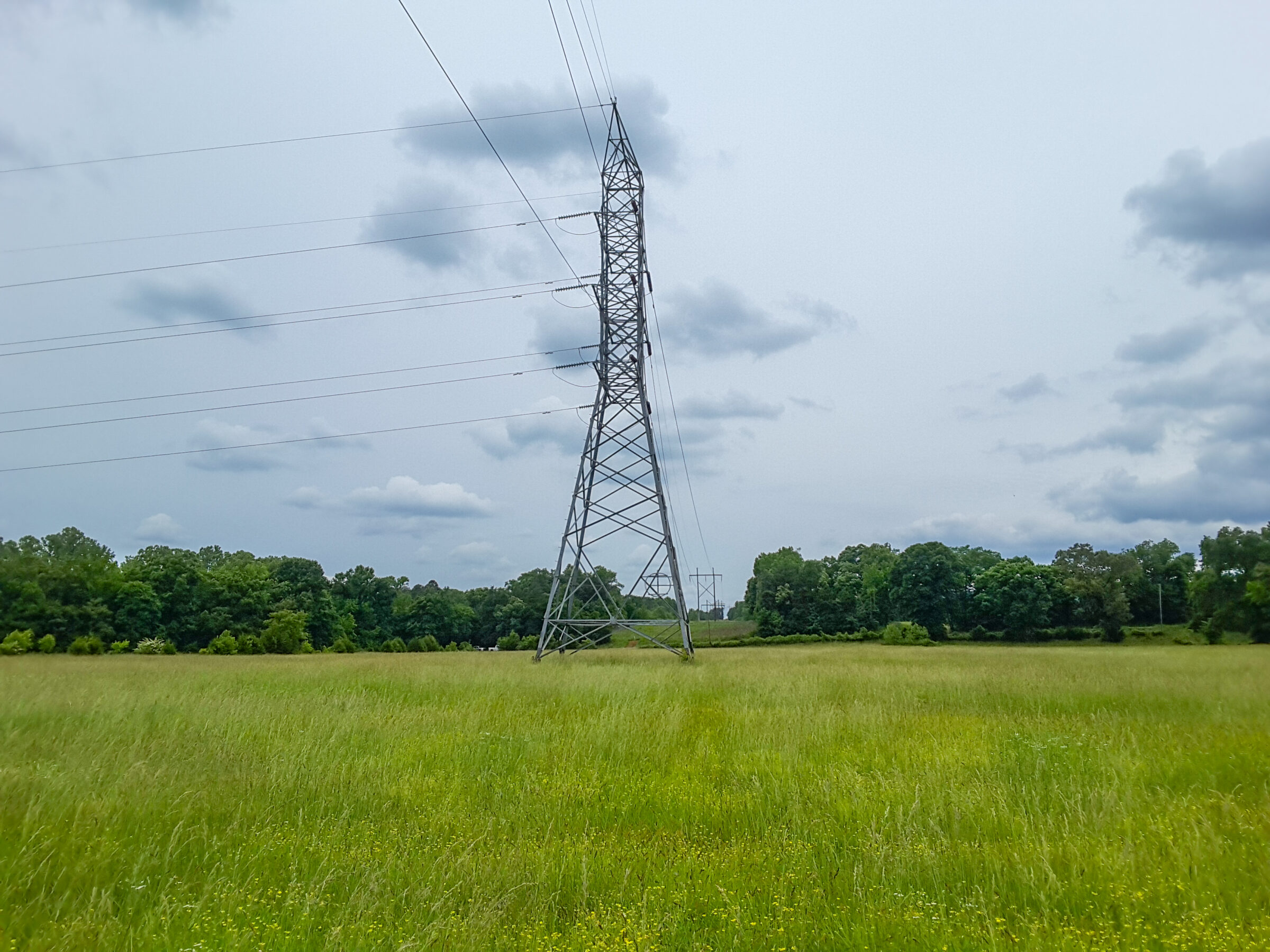
Transmission line in the field.
Even with strong engagement some challenges are unavoidable:
O&M planning is more than an administrative exercise. For transmission projects that intersect with federal lands, they function as risk management tools, wildfire mitigation strategies, and mechanisms for long-term agency coordination. Their success depends on early alignment, consistent engagement, and repeated reinforcement of intent. Utilities that treat O&M plans as strategic tools rather than compliance documents will be better positioned to protect infrastructure, natural resources, and the communities that depend on them.
If you have any questions about building effective O&M Plans, please contact one of our experts.
See Beyond Policy Change to What Matters for Your Project
Regulatory Radar is a subscription intelligence service that scans the policy horizon for changes that could affect planning, permitting, schedules, and risk, then turns those signals into clear takeaways and practical next steps.