
2026
Comparably’s Best Company Outlook
* Providing engineering services in these locations through SWCA Environmental Consulting & Engineering, Inc., an affiliate of SWCA.


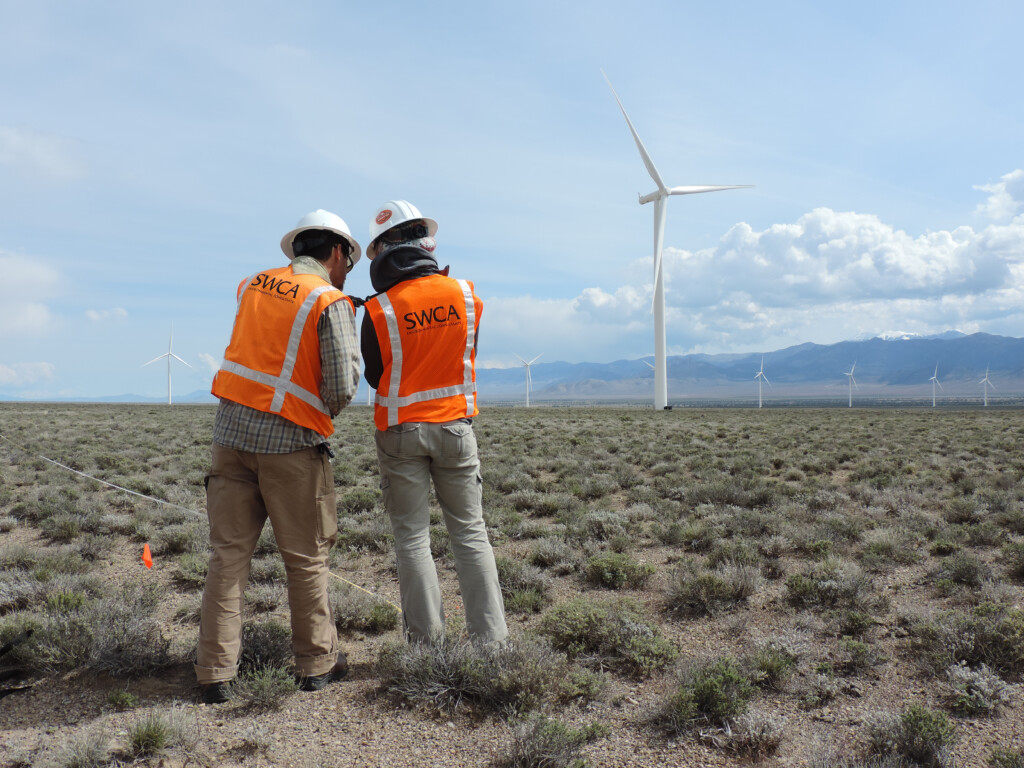
From the experts we hire, to the clients we partner with, our greatest opportunity for success lies in our ability to bring the best team together for every project.
That’s why:
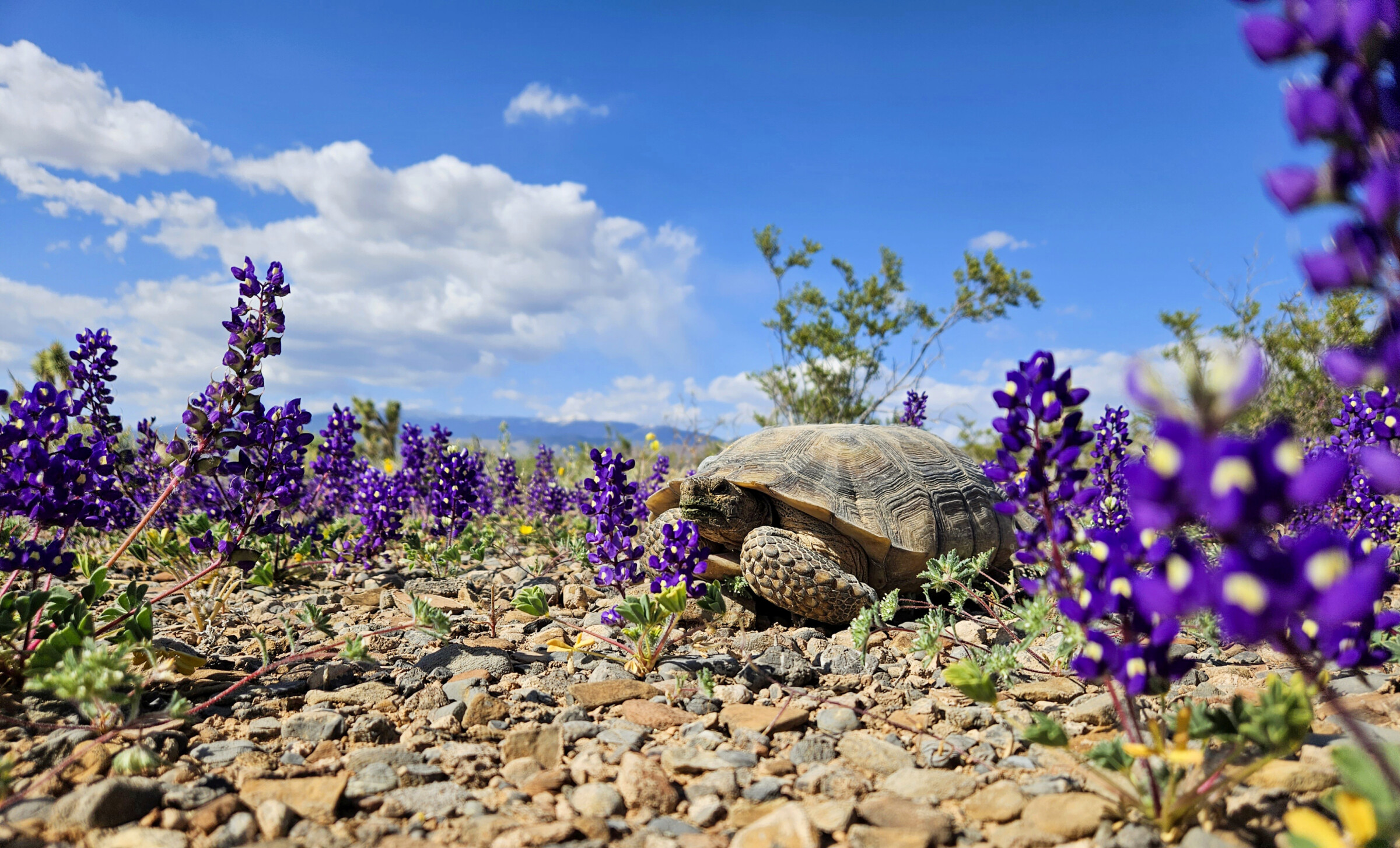
At SWCA, sustainability means balancing humanity’s social, economic, and environmental needs to provide a healthy planet for future generations.
SWCA employs smart, talented, problem-solvers dedicated to our purpose of preserving natural and cultural resources for tomorrow while enabling projects that benefit people today.
At SWCA, you’re not just an employee. You’re an owner. Everyone you work with has a stake in your success, so your hard work pays off – for the clients, for the company, and for your retirement goals.
Stories of SWCA: Sydney Lance
Dani Ryder began her journey with SWCA as a summer 2025 intern in Colorado, where she had the opportunity to connect with some of the local staff. She now serves as a Marketing Assistant, focusing on internal communications and sharing stories from across the company. Originally from Boulder, Colorado, Dani is a student at the University of Arizona, majoring in journalism with a minor in marketing, and is set to graduate in spring 2026.


Stories of SWCA is a new monthly series highlighting the people behind our work. Each feature explores an employee’s background and career journey—what brought them to SWCA, what drives them, and how their work contributes to our mission and impact.
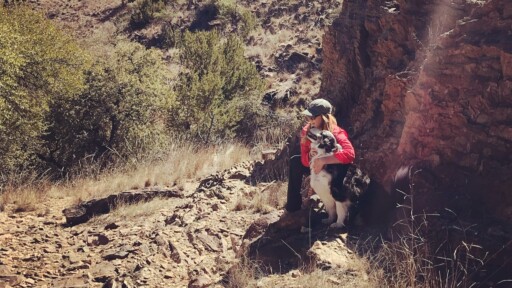
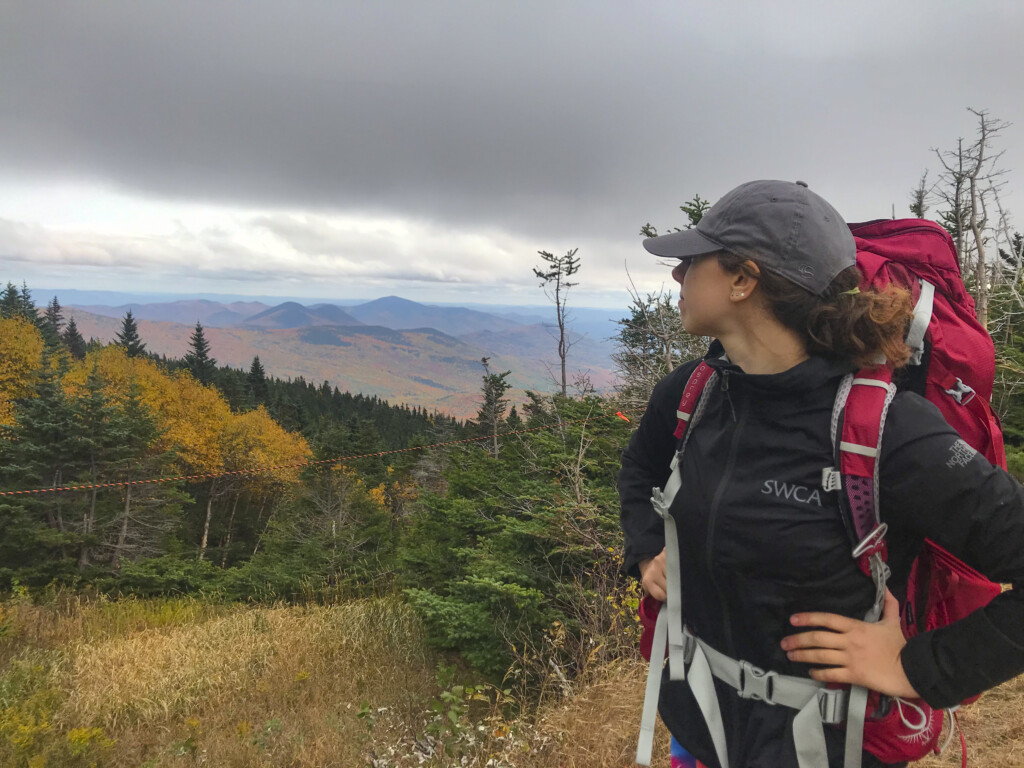
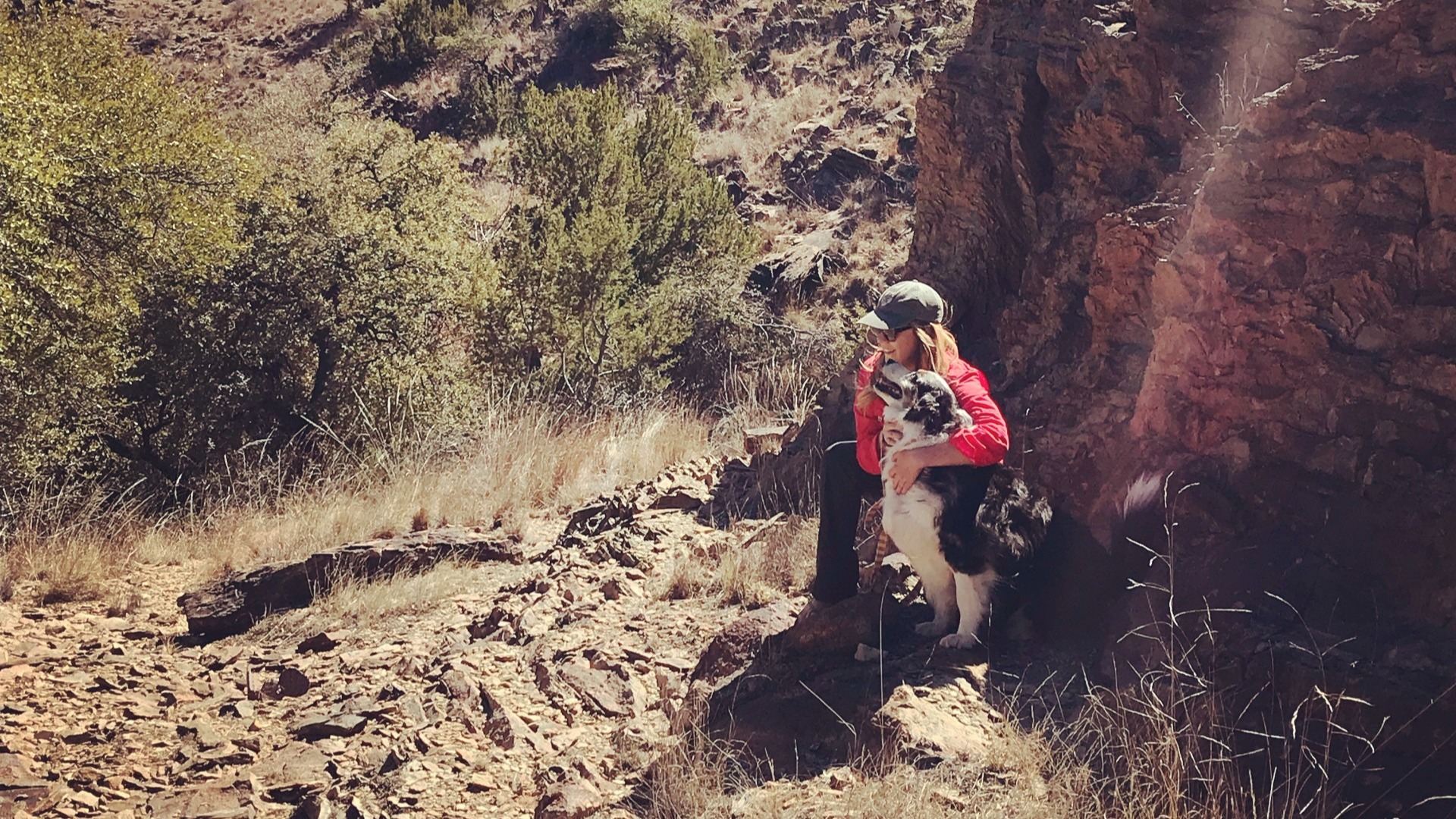
Before leading restoration teams across the Rocky Mountain Plains, Sydney Lance’s story started with a dog, a pile of mesquite, and long summers on her family’s ranch near Big Bend National Park. What began as childhood chores, clearing brush and restoring habitat, grew into a lifelong commitment to land stewardship that still shapes her work today.
Let’s meet Sydney.
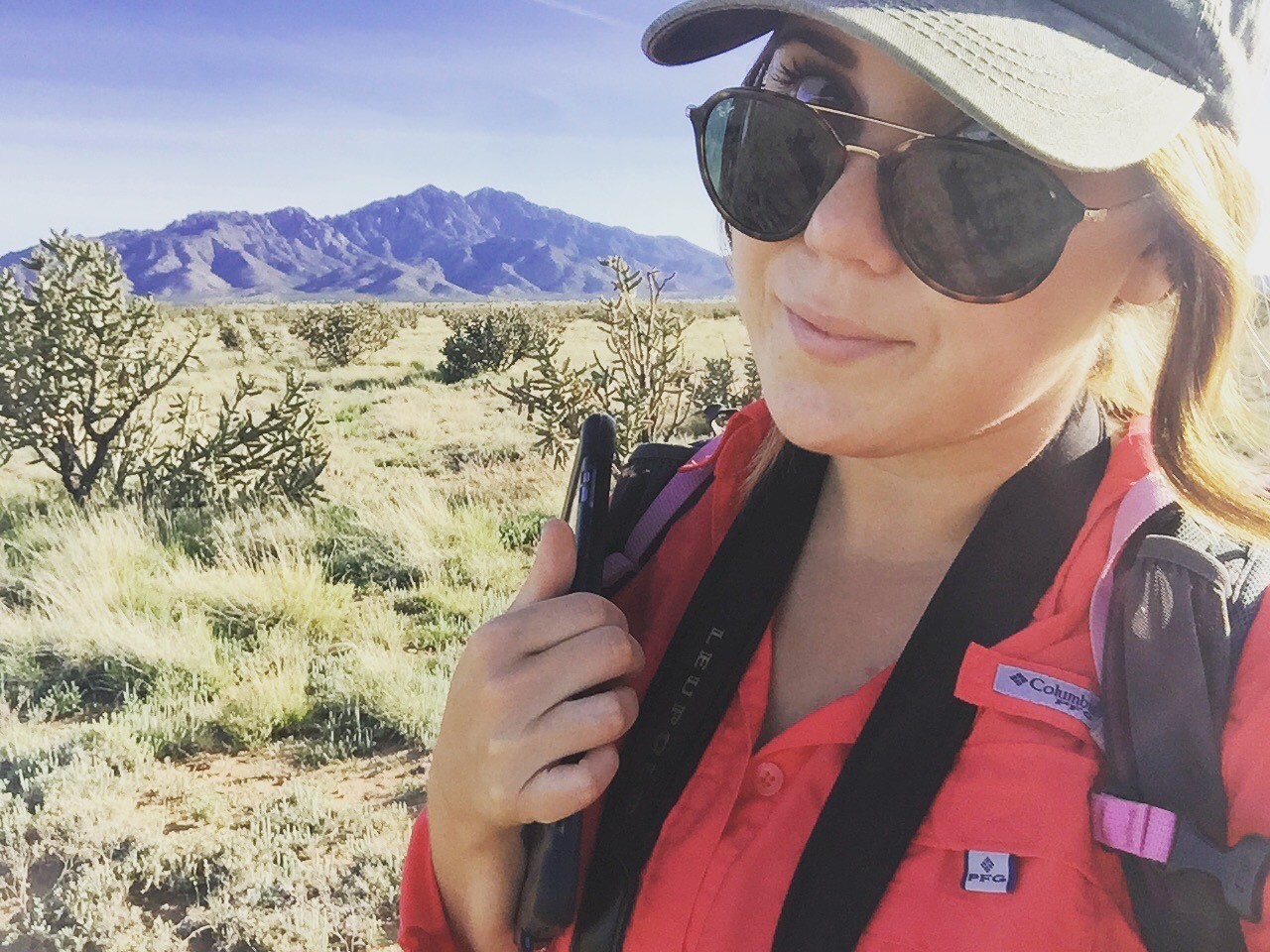
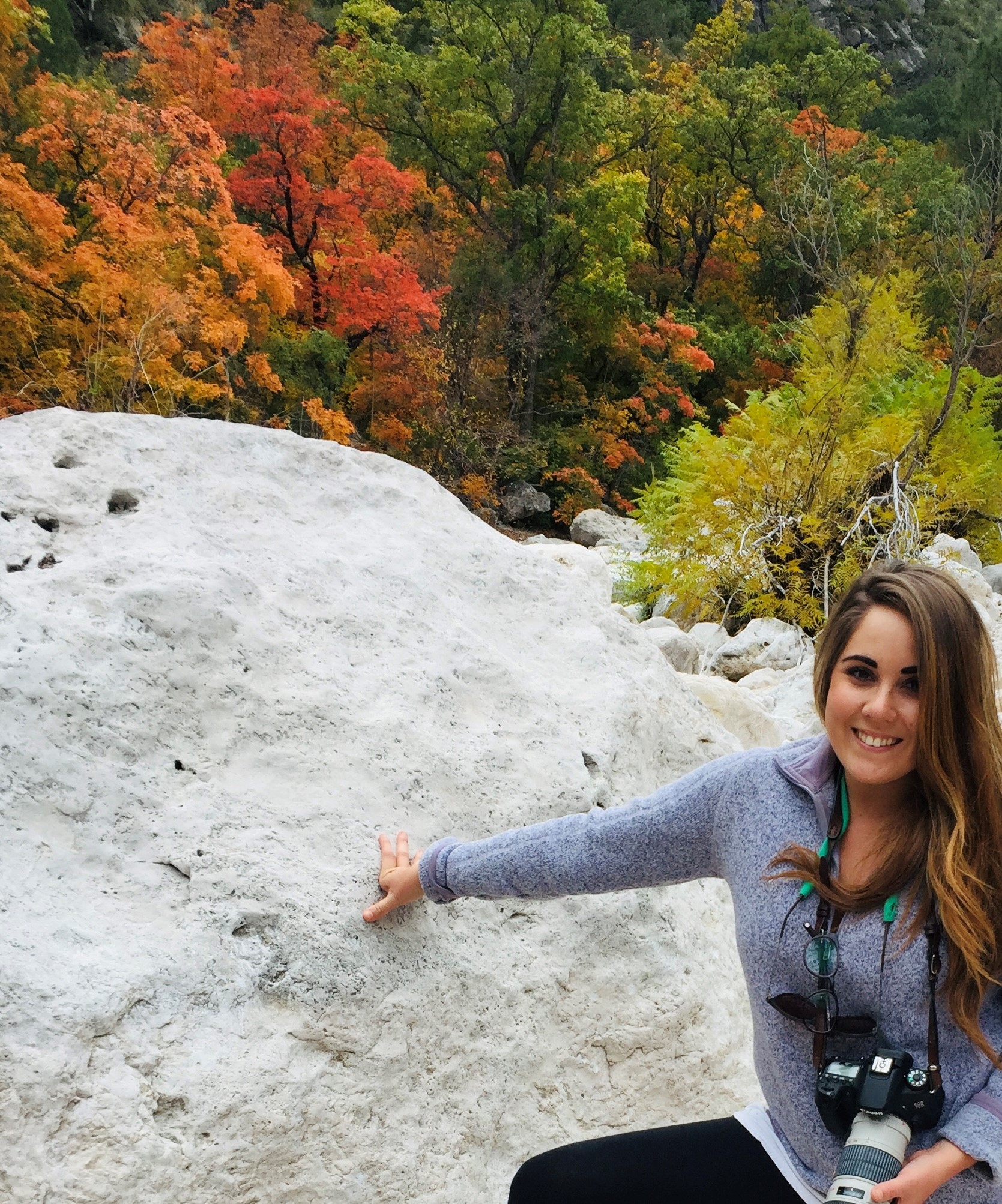 Sydney’s path to SWCA was driven by a desire to do restoration the right way. After early experience in environmental consulting and several years with the Texas Parks and Wildlife Department, she saw firsthand how quickly the landscape was changing, especially with the rise of large-scale solar development.
“I didn’t always love what was being planted,” she explains, noting the heavy use of fast-growing, non-native grasses. That realization pushed her to find a place where she could advocate for native ecosystems and long-term land stewardship.
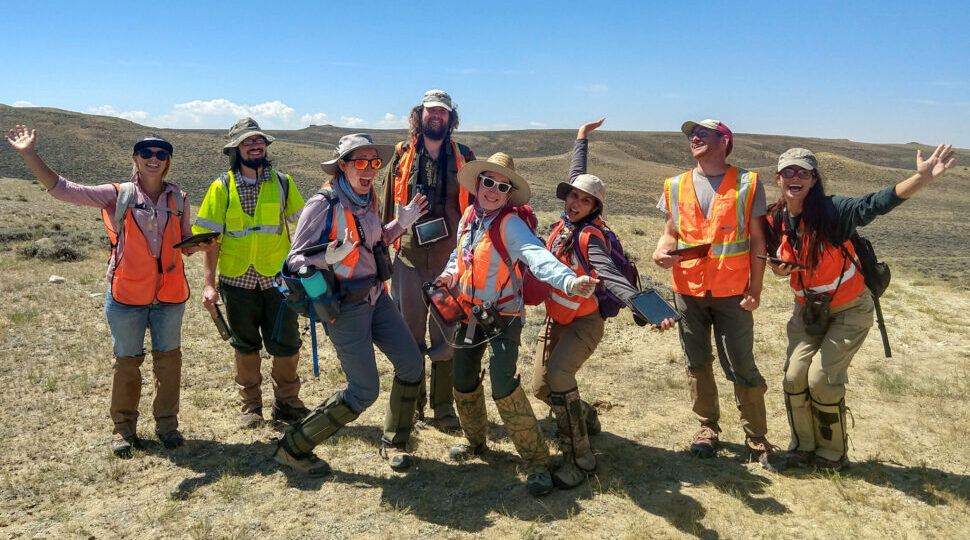
She joined SWCA four years ago and has since helped build the company’s vegetation management capabilities, working to expand restoration and reclamation efforts across multiple regions. Today, as a Project Restoration Ecologist, she’s focused on growing a strong team in the Rocky Mountain Plains and showing clients what’s possible when restoration is done well and how their projects can benefit from that.
Sydney’s journey wasn’t linear. She initially pursued photography before realizing her lens kept returning to the same subject: plants and landscapes. That insight led her to Sul Ross State University, where she immersed herself in ecology. She competed in wildland plant identification contests and contributed to wildlife and rangeland restoration projects for the Borderlands Research Institute while completing her Natural Resources Management degree with a focus in Conservation Biology.
From there, she built a career that blended science, fieldwork, and advocacy, including jobs in both the public and private sectors. Whether documenting species, remapping ecoregions, or working directly with landowners, Sydney developed a reputation for pushing projects beyond minimum requirements.
A great example can be found in the project stories section of the recently published Sustainability Report (page 15). Sydney is part of the team researching and developing restoration actions for the endangered Dunes Sagebrush Lizard.
“One of my proudest moments,” she says, “is convincing clients to invest in restoration and land stewardship even when it’s not required, leaving land equal to or better than before.”
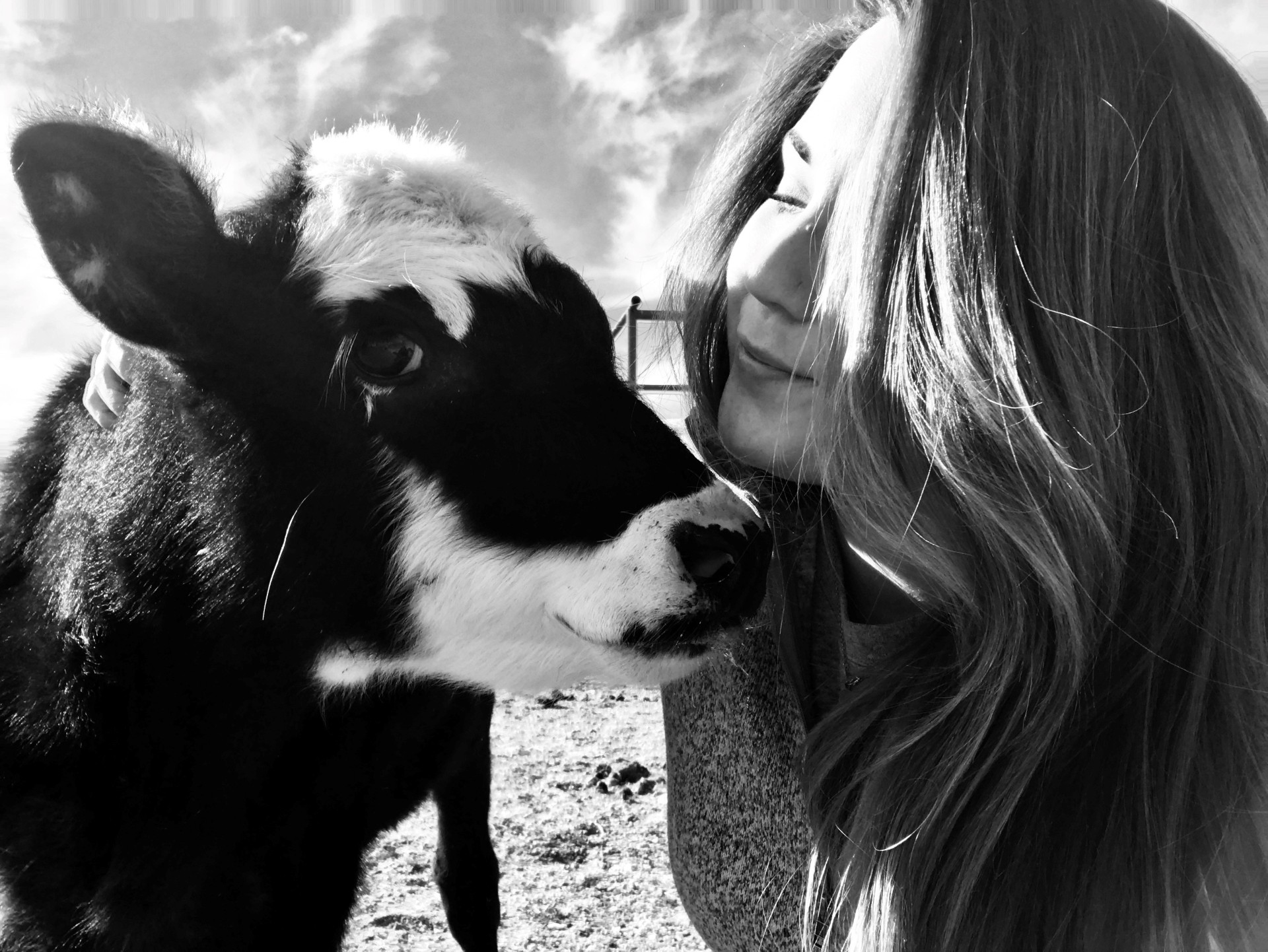
For Sydney, employee ownership starts with people. She approaches team building the same way she approaches restoration, from the ground up.
“It’s about giving people confidence, experience, and support,” she says. “If you build a strong foundation, everything else follows.”
That philosophy shows up in how she mentors her team and creates space for new ideas, often learning just as much from early-career staff as she teaches.
Sydney encourages her colleagues to think beyond the obvious. Uplands and rangelands, often overlooked, are critical to the health of entire ecosystems. By taking a holistic approach and investing in these landscapes, SWCA teams can drive meaningful, lasting impact.
See Beyond Policy Change to What Matters for Your Project
Regulatory Radar is a subscription intelligence service that scans the policy horizon for changes that could affect planning, permitting, schedules, and risk, then turns those signals into clear takeaways and practical next steps.