
2026
Comparably’s Best Company Outlook
* Providing engineering services in these locations through SWCA Environmental Consulting & Engineering, Inc., an affiliate of SWCA.


From the experts we hire, to the clients we partner with, our greatest opportunity for success lies in our ability to bring the best team together for every project.
That’s why:
At SWCA, sustainability means balancing humanity’s social, economic, and environmental needs to provide a healthy planet for future generations.
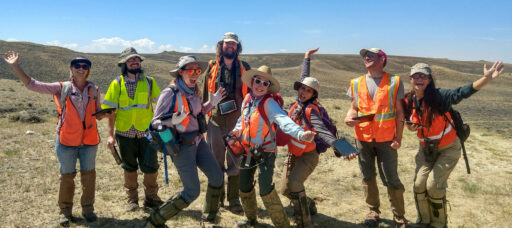
SWCA employs smart, talented, problem-solvers dedicated to our purpose of preserving natural and cultural resources for tomorrow while enabling projects that benefit people today.

At SWCA, you’re not just an employee. You’re an owner. Everyone you work with has a stake in your success, so your hard work pays off – for the clients, for the company, and for your retirement goals.
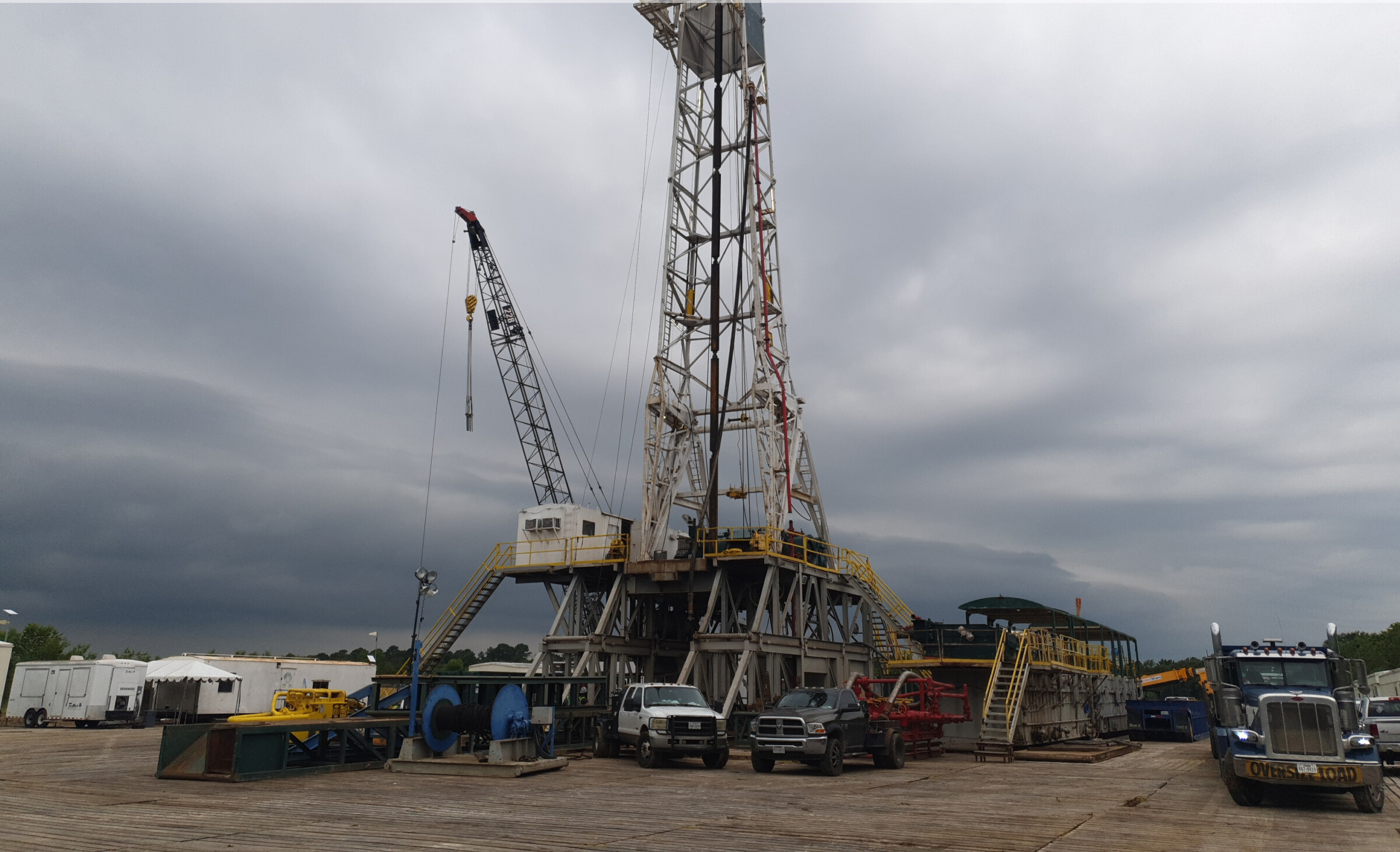
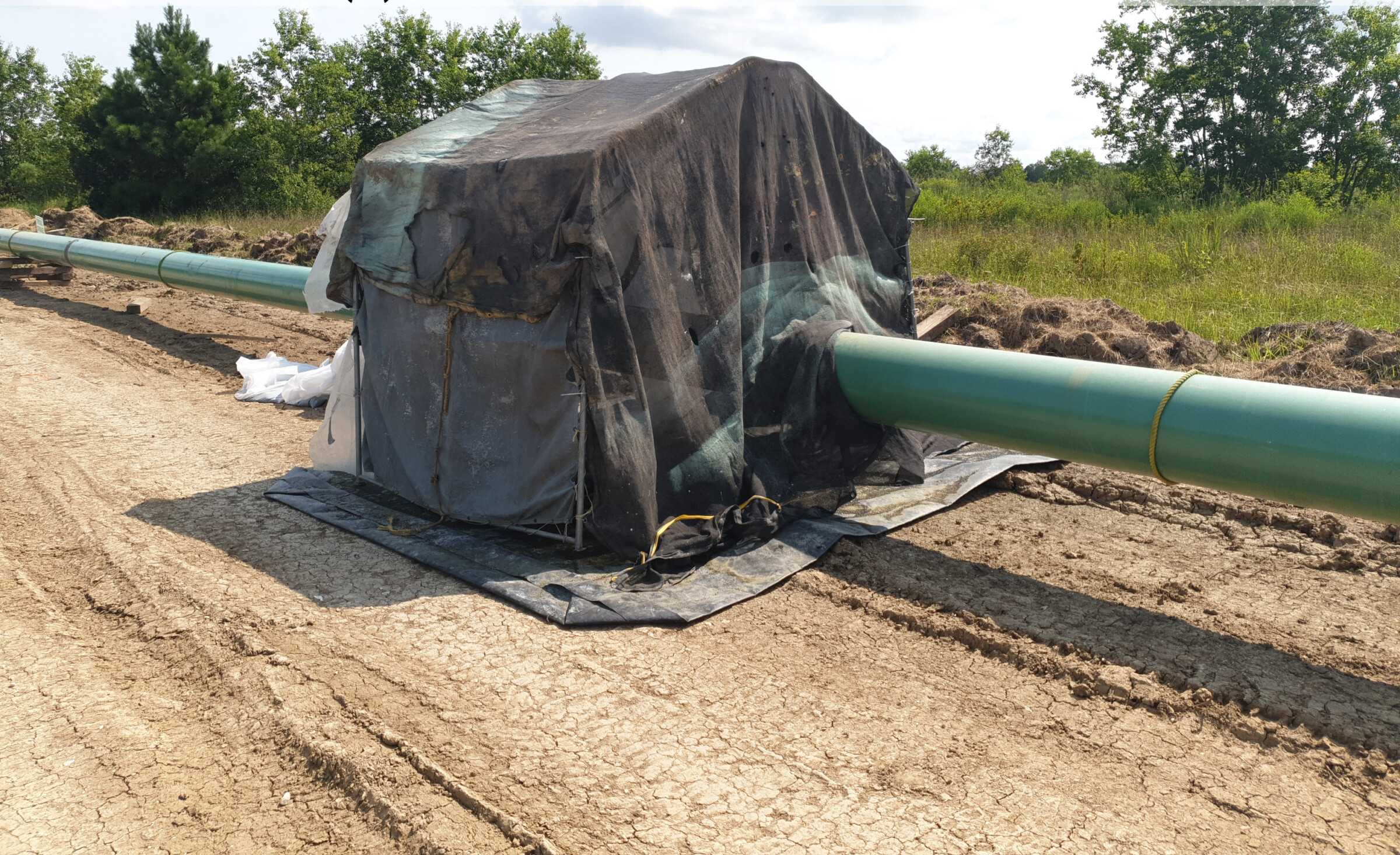
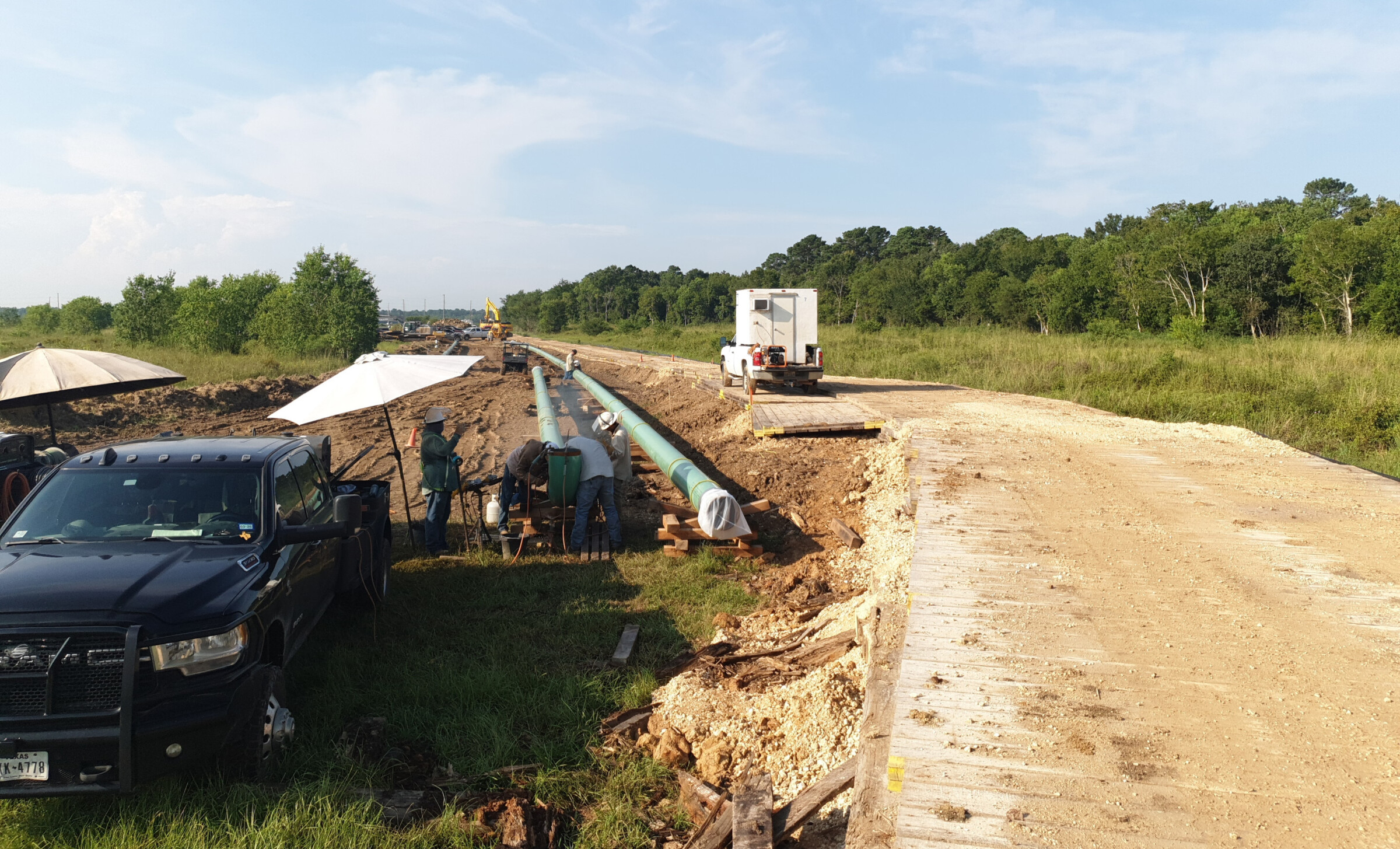
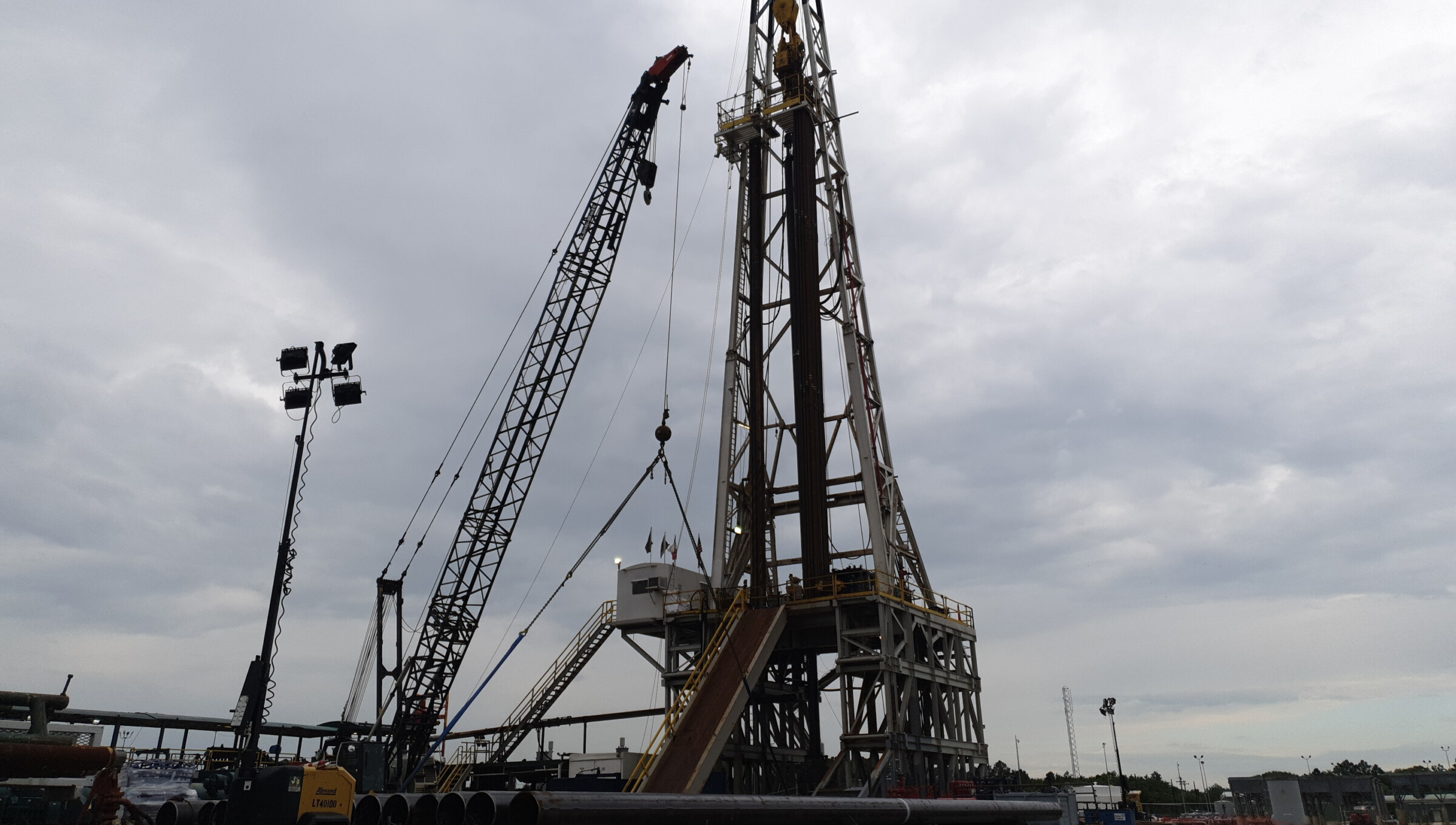
Golden Triangle Storage Reapplication
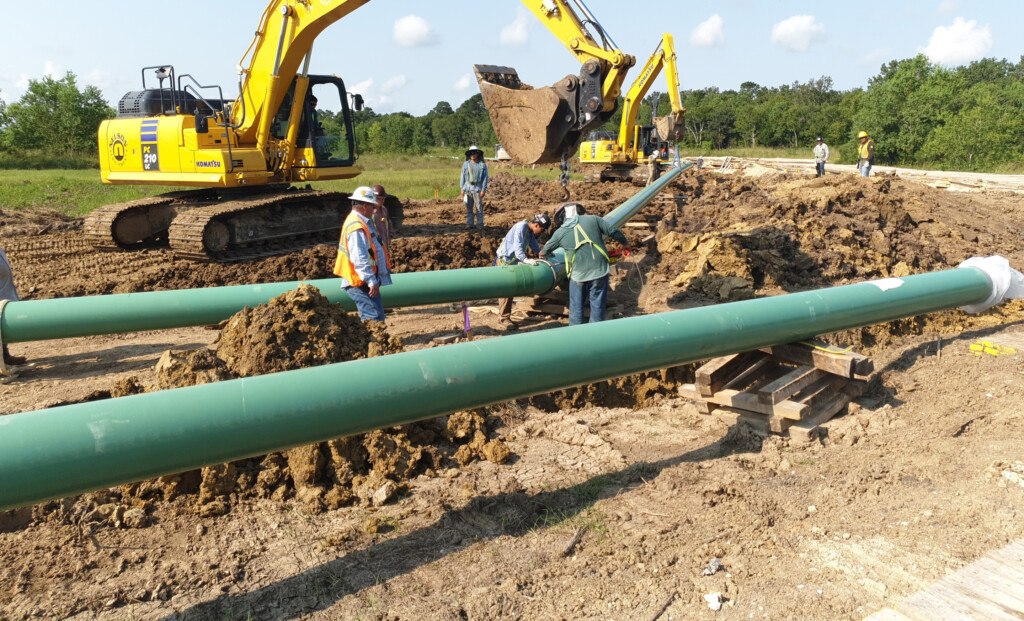
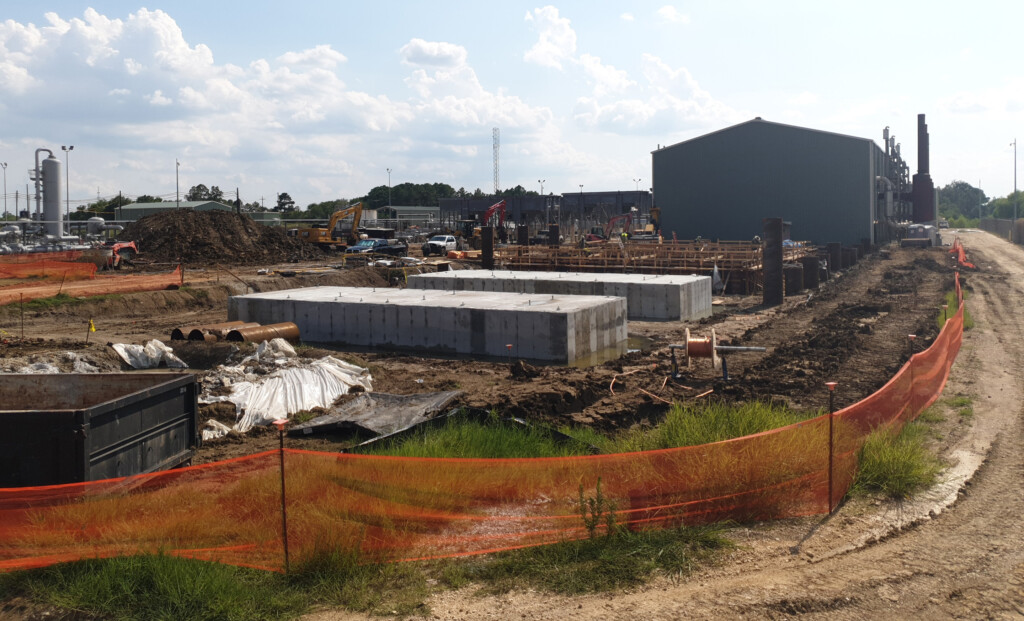
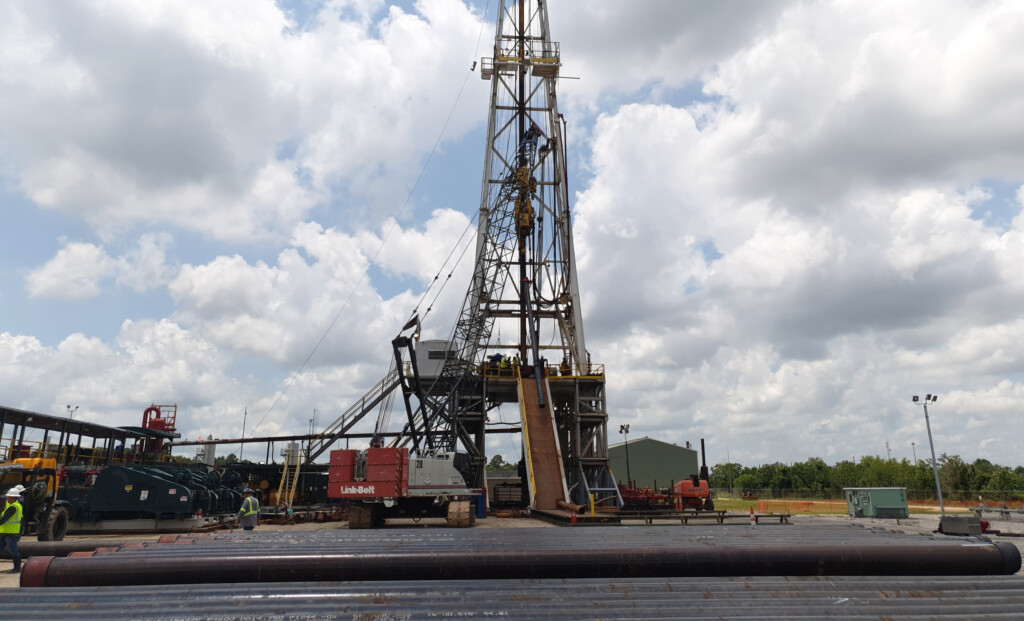
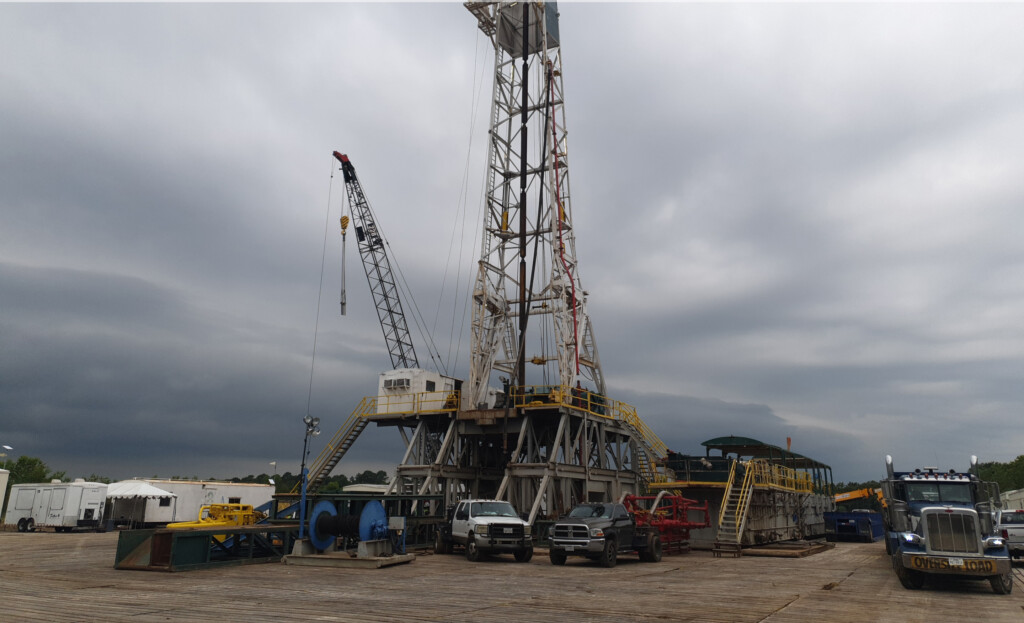
The Golden Triangle Storage (GTS) Reapplication Project in Beaumont, Texas, aimed to secure FERC re-certification for two salt dome natural gas storage caverns.
For questions or further information, please fill out the form below.

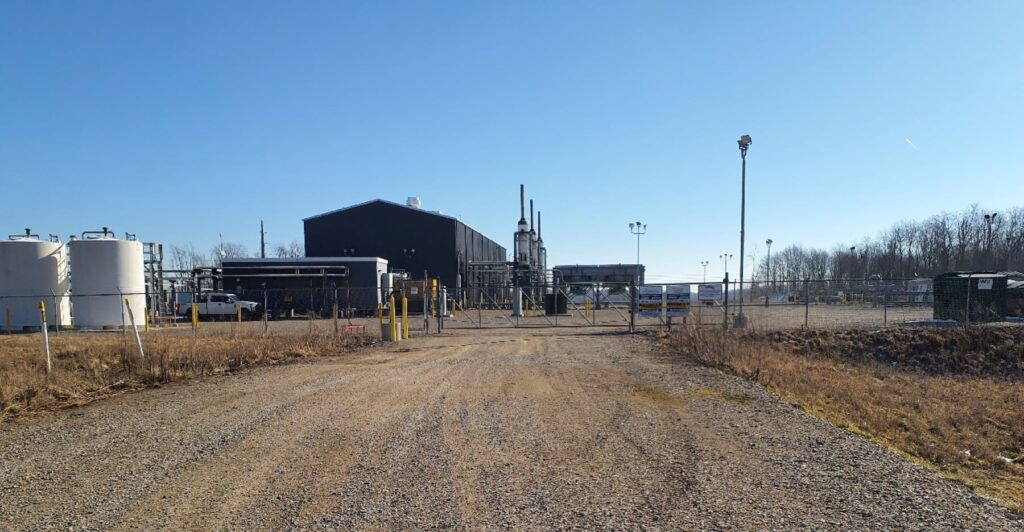
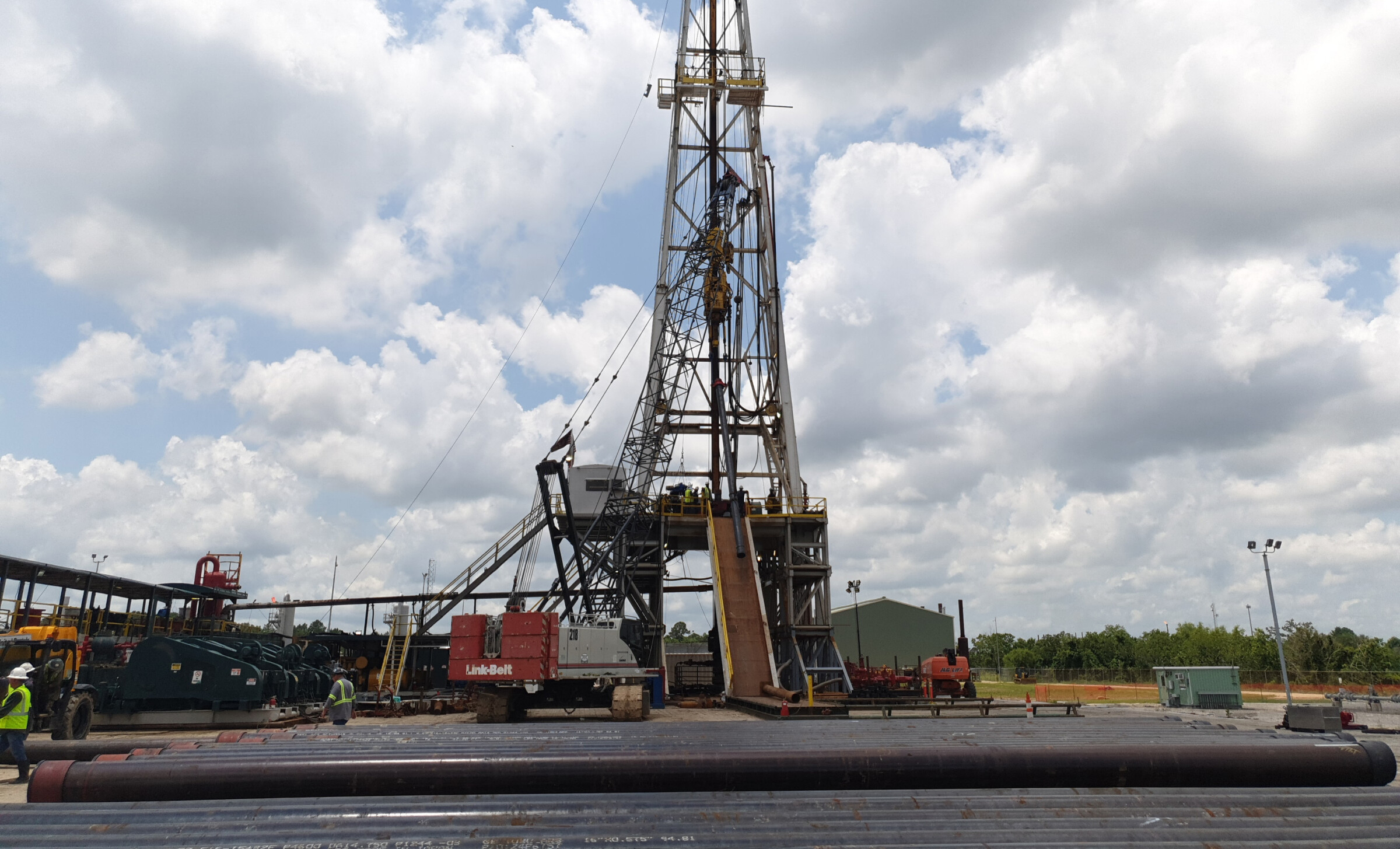
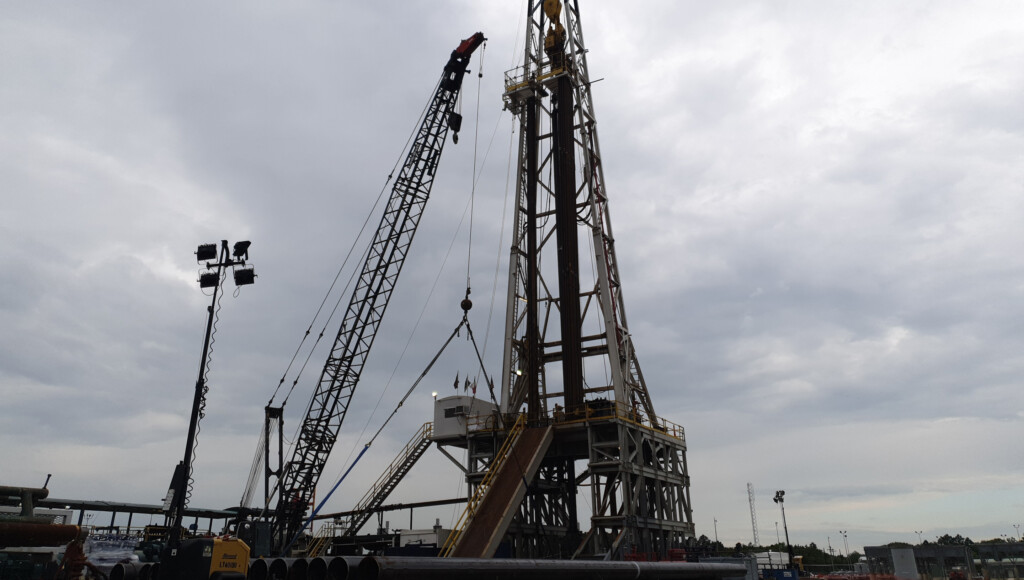
The Golden Triangle Storage (GTS) Reapplication Project, located in Beaumont, Texas, was a pivotal effort aimed at securing Federal Energy Regulatory Commission (FERC) re-certification for two salt dome natural gas storage caverns, Caverns 3 and 4. This project formed a crucial part of the broader GTS Underground Storage Expansion (GTS Expansion) initiative. SWCA was entrusted with providing a comprehensive suite of environmental services to ensure the project’s successful execution.
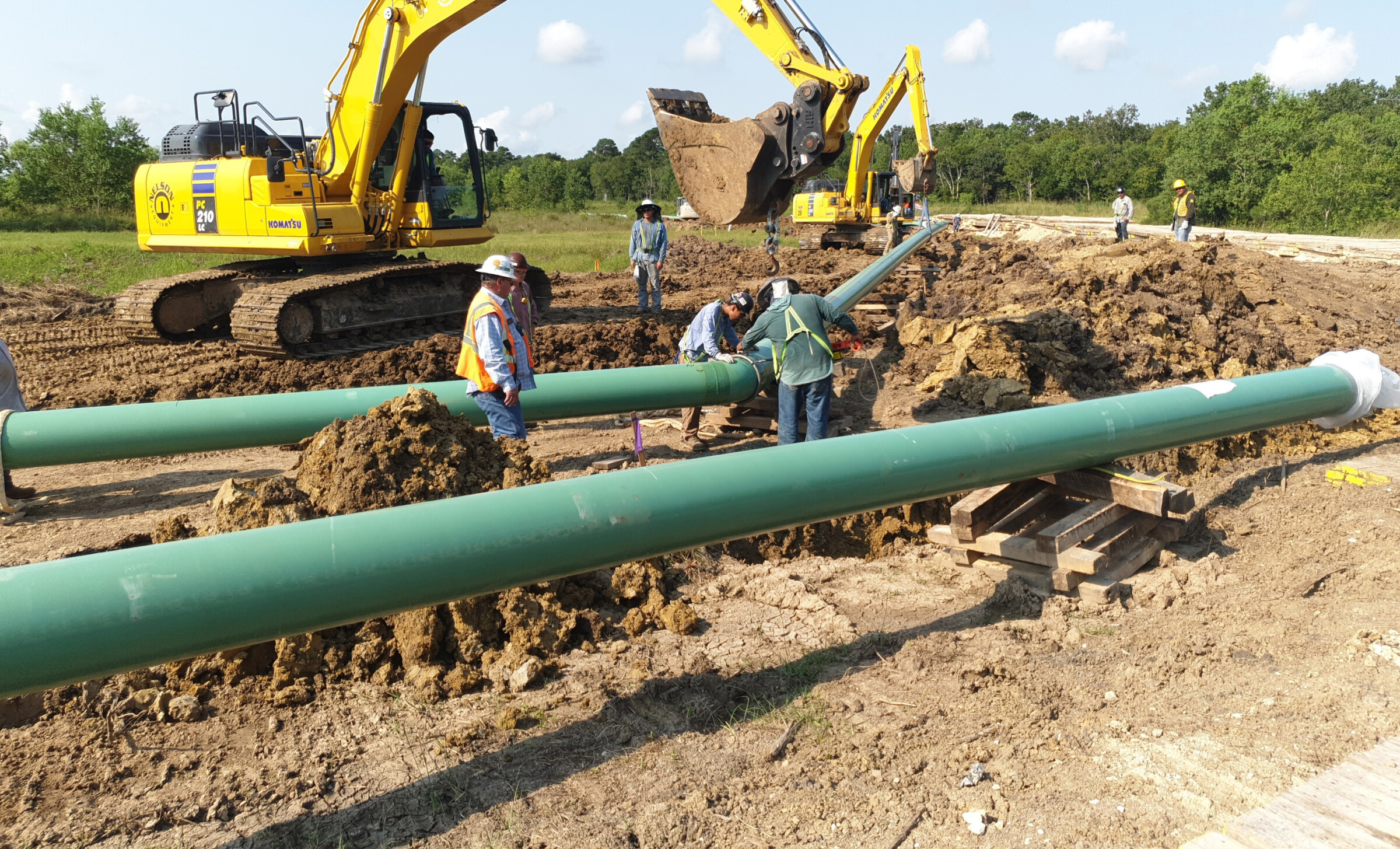
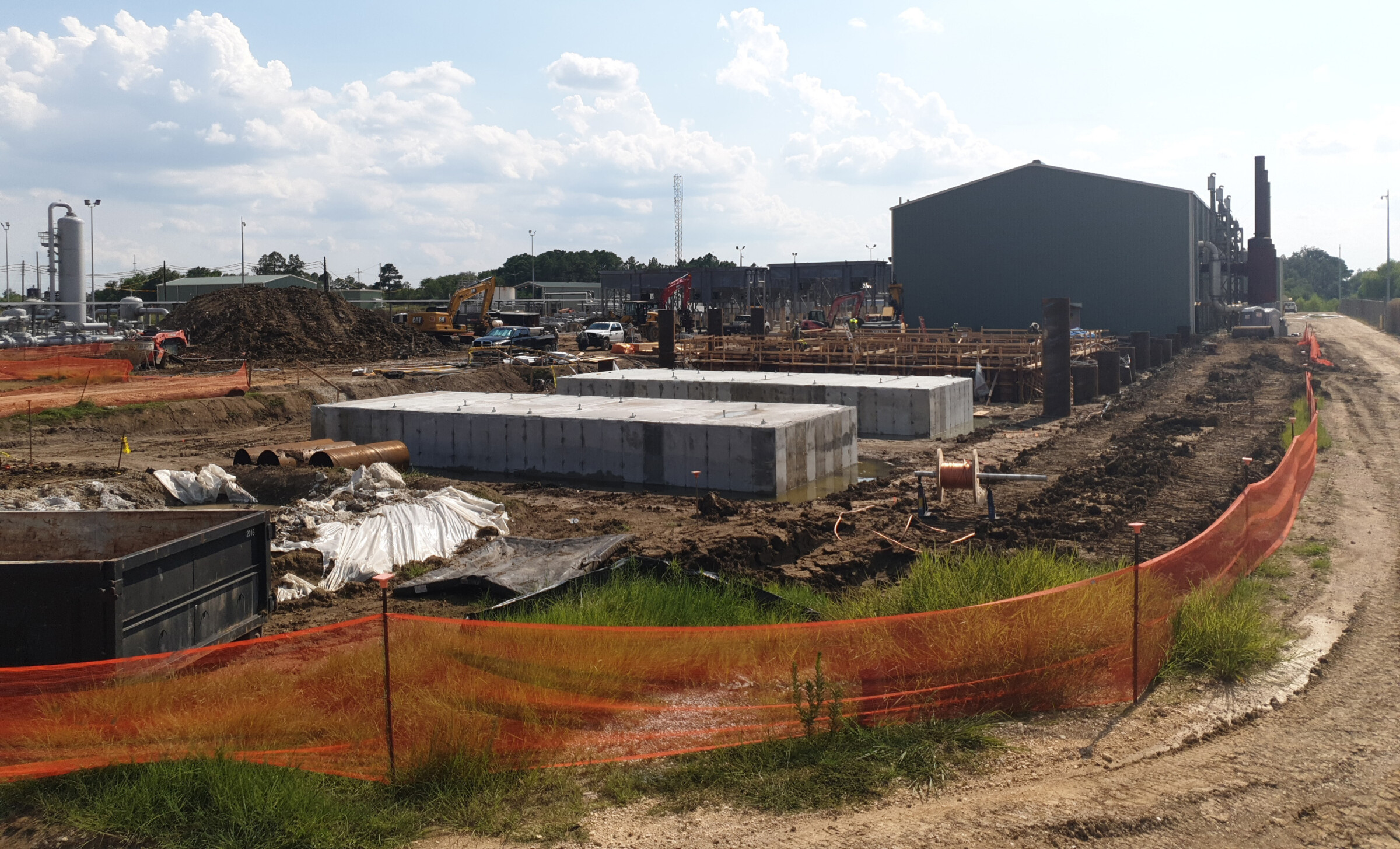
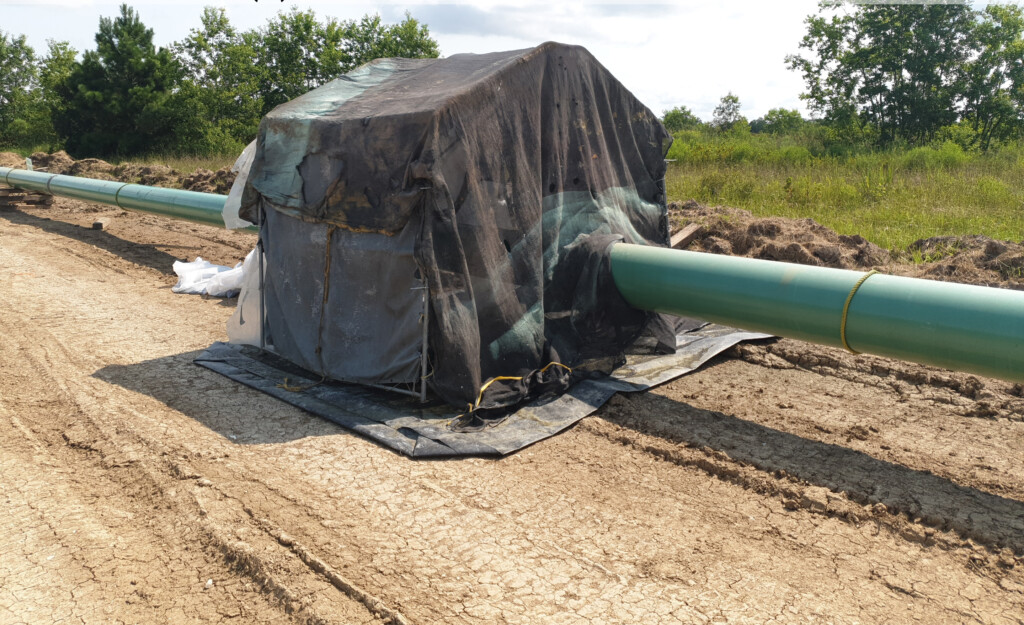
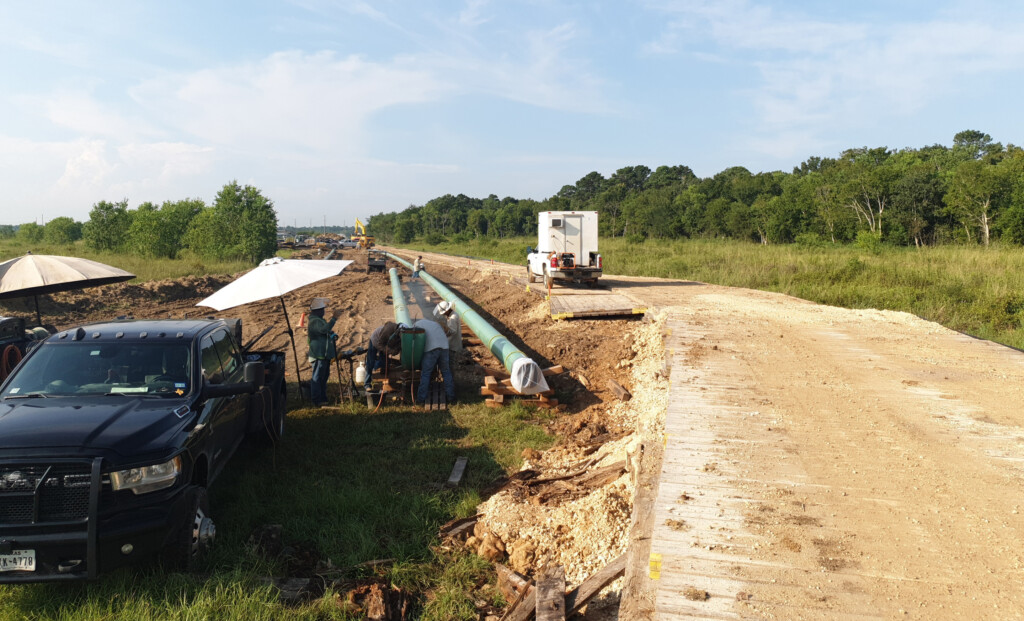
The project scope encompassed several key tasks, including project management, field surveys, noise monitoring, FERC filing support, permitting, and post-filing assistance. Specifically, SWCA oversaw the construction of service corridors that incorporated injection/withdrawal natural gas pipelines, a raw water supply pipeline, a brine return pipeline for cavern leaching operations, an instrument air pipeline, and conduit runs for electrical and control systems. Additionally, new access roads were constructed to facilitate operations. These facilities were located within the existing GTS Central Storage Site, a 90-acre area, with the project area confined to approximately 30 acres as depicted in maps from the 2011 FERC Application.
Regulatory compliance was a critical component of the project, requiring adherence to the National Environmental Policy Act (NEPA), the Endangered Species Act (ESA), Section 106 of the National Historic Preservation Act (NHPA), and other relevant federal and state regulations. The project utilized the FERC 7(c) Traditional Filing process to meet these requirements.
As the project evolved, additional efforts were undertaken to address modifications, including the revision of Resource Reports (RR) and the integration of up to seven engine-driven gas compressors, a brine disposal well, and additional drying equipment. These changes required further modeling and analysis beyond the original scope of RR9, which covered air and noise impacts.
Ms. Riley has over 39+ years of experience managing projects and preparing EISs, EAs, wetland and habitat assessments, FERC environmental reports, and state/federal permit applications. She evaluates infrastructure and development projects for environmental concerns and regulatory requirements, and guides clients through the approval process. Ms. Riley provides pre-project planning and route optimization advice and facilitates project and regulatory meetings. She has hands-on experience performing field studies, habitat assessments, and endangered species surveys; conducting critical issue evaluations; delineating and monitoring tidal and non-tidal wetlands; preparing plans for the creation, enhancement, and preservation of wetland and terrestrial habitats; and evaluating alternative alignments for environmental constraints.

Dana Edgell has more than 13 years of experience in the fields of biology, environmental science, and environmental management, specializing in construction compliance, preparation of FERC filings, NEPA documents including EISs and EAs, and federal, state, and local environmental permitting for oil and gas pipelines, gas storage facilities, LNG terminals, other linear projects, and federal government projects. Additionally, Dana has experience with wetland delineations, biological surveys, Biological Assessments (BAs), Health and Safety Plans (HASPs), and Best Management Plans (BMPs). Dana brings to each project a solid background in environmental management, operations and logistics, is proficient at conducting in-depth research, analyses, developing targeted plans, and delivering solutions within budgets and timelines. Additionally, she has been involved with evaluating the environmental impact of numerous energy operations including midstream developments.