
2025
Comparably’s Best Company Outlook
* Providing engineering services in these locations through SWCA Environmental Consulting & Engineering, Inc., an affiliate of SWCA.


From the experts we hire, to the clients we partner with, our greatest opportunity for success lies in our ability to bring the best team together for every project.
That’s why:
At SWCA, sustainability means balancing humanity’s social, economic, and environmental needs to provide a healthy planet for future generations.
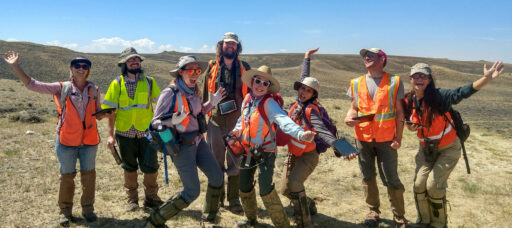
SWCA employs smart, talented, problem-solvers dedicated to our purpose of preserving natural and cultural resources for tomorrow while enabling projects that benefit people today.

At SWCA, you’re not just an employee. You’re an owner. Everyone you work with has a stake in your success, so your hard work pays off – for the clients, for the company, and for your retirement goals.
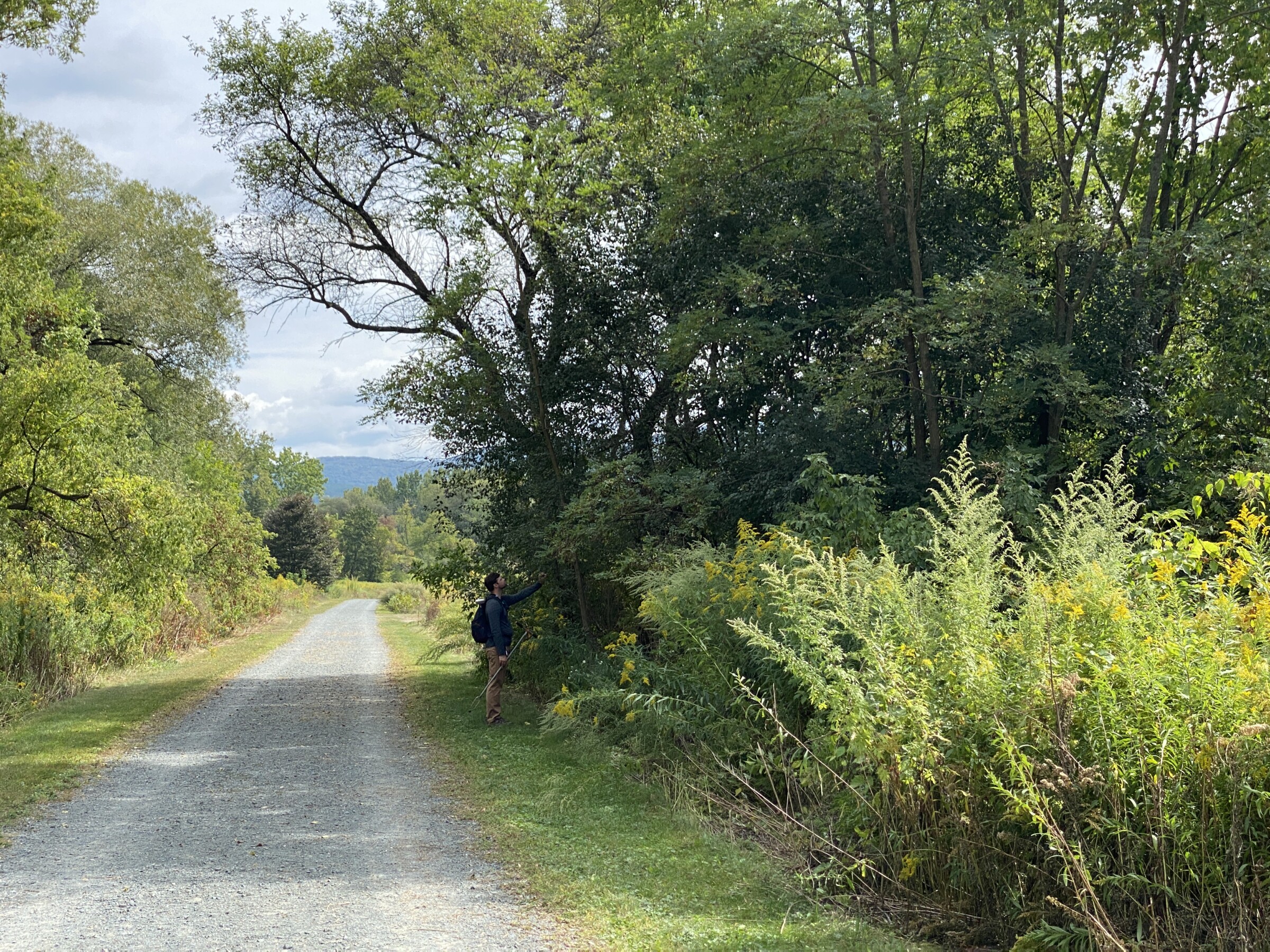
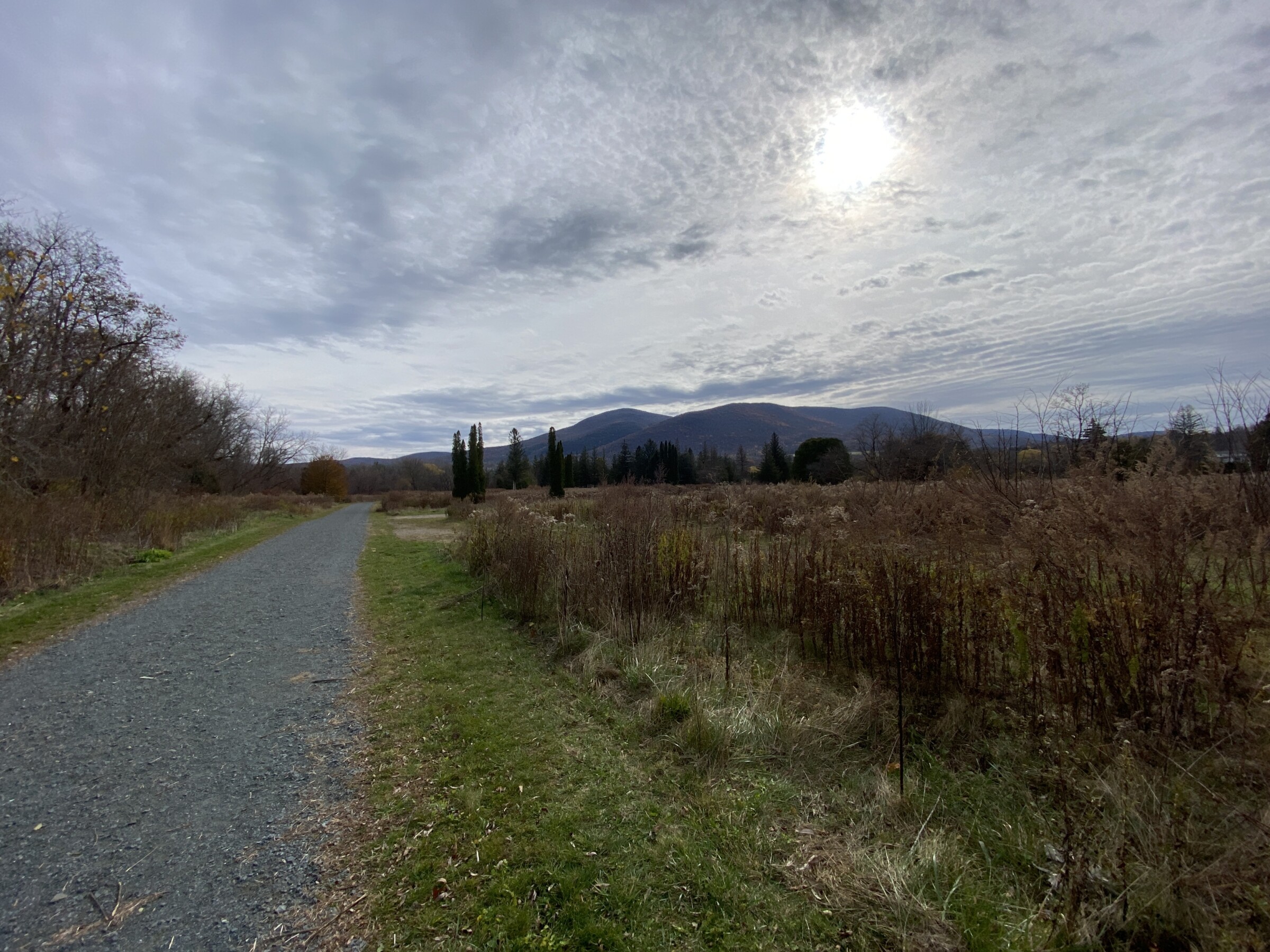
Massachusetts Riparian Zone Replanting Program
SWCA is helping the Massachusetts Executive Office of Energy and Environmental Affairs (EEA) develop a statewide program to identify, design, and implement targeted riparian zone restoration projects.
For questions or further information, please fill out the form below.
2027
Massachusetts Executive Office of Energy and Environmental Affairs
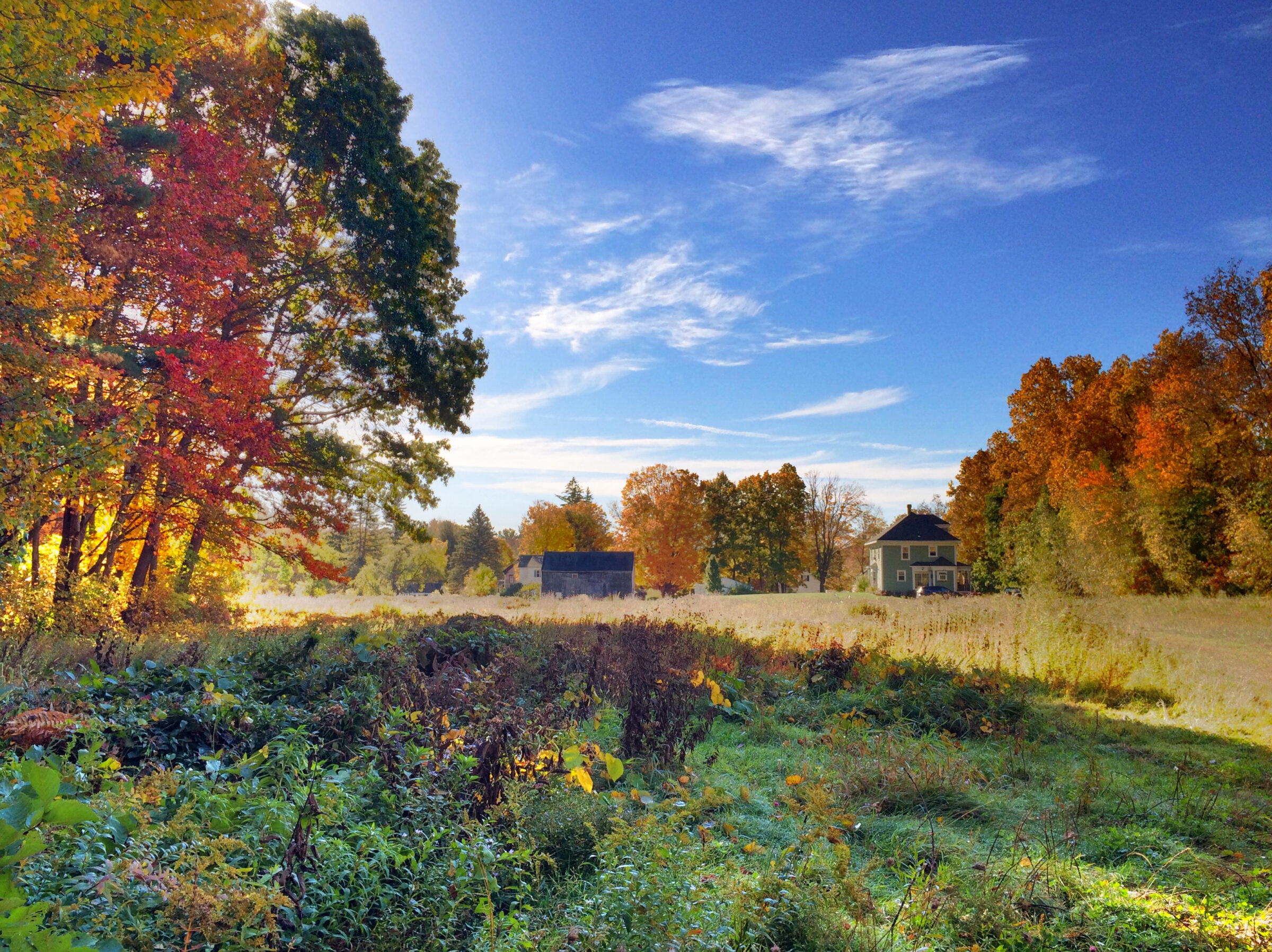
SWCA is helping the Massachusetts Executive Office of Energy and Environmental Affairs (EEA) to develop a statewide program to identify, solicit, design, and implement targeted riparian zone restoration projects. While improving flood storage, water filtration, biodiversity, and ecosystem health, the program will contribute to the Commonwealth’s climate resiliency goals.
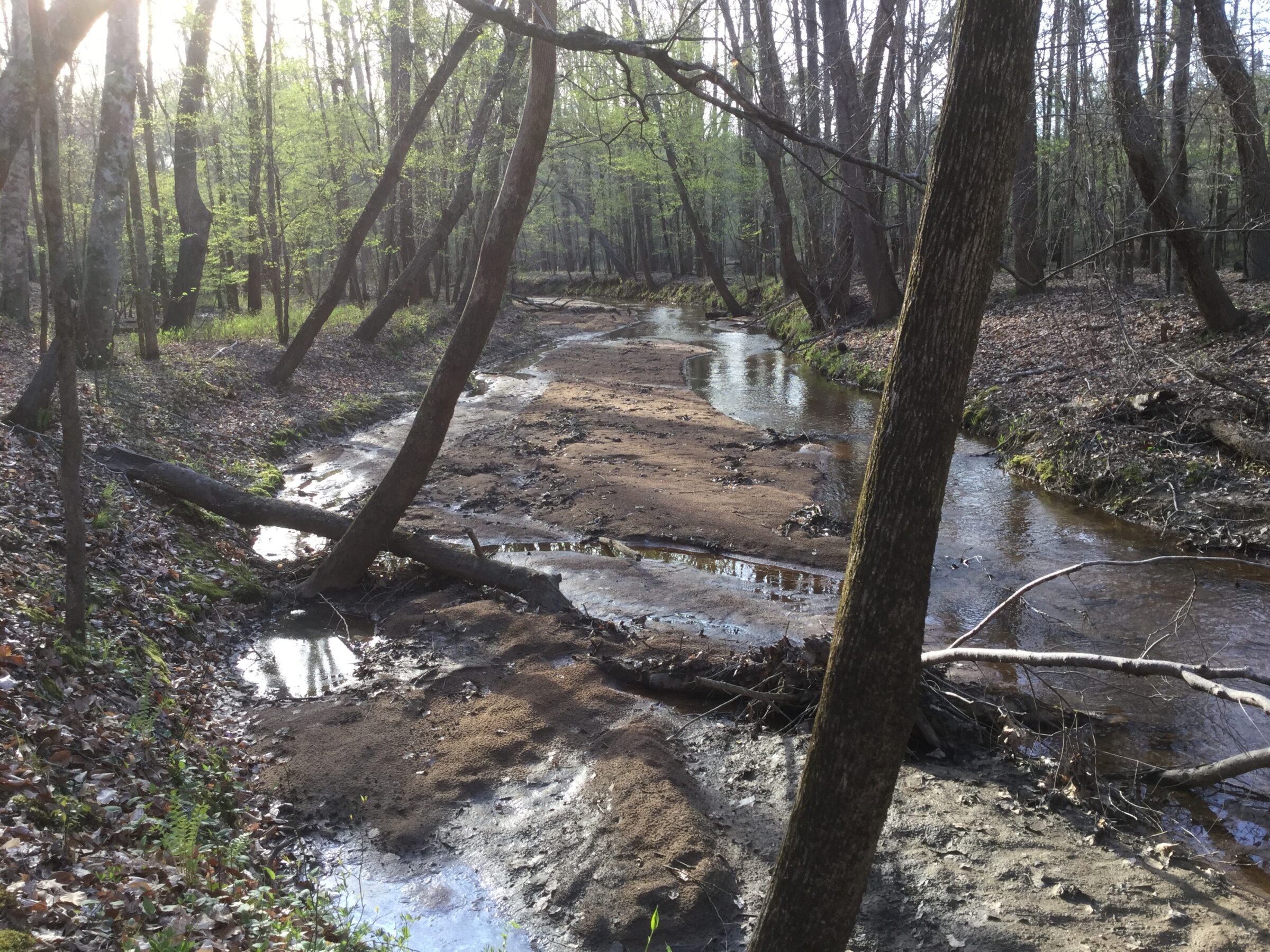
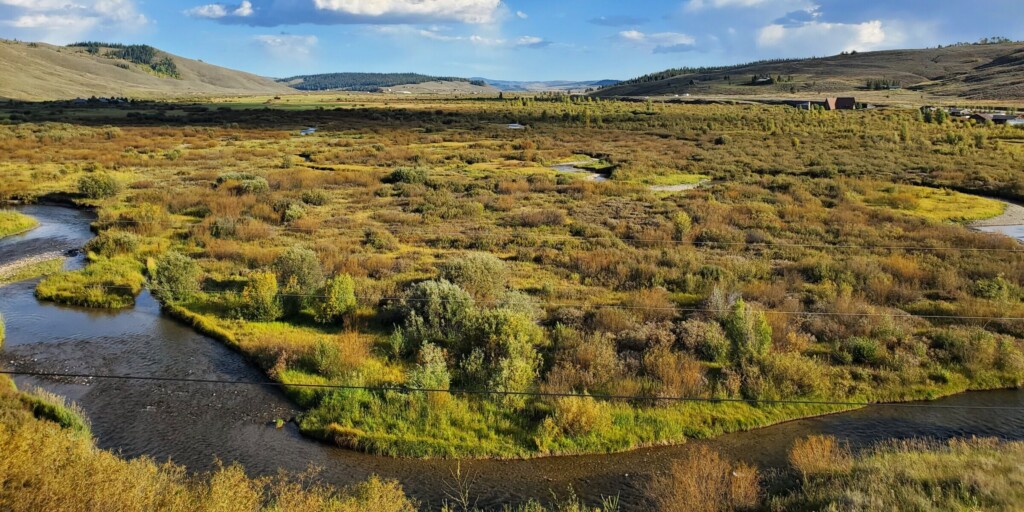
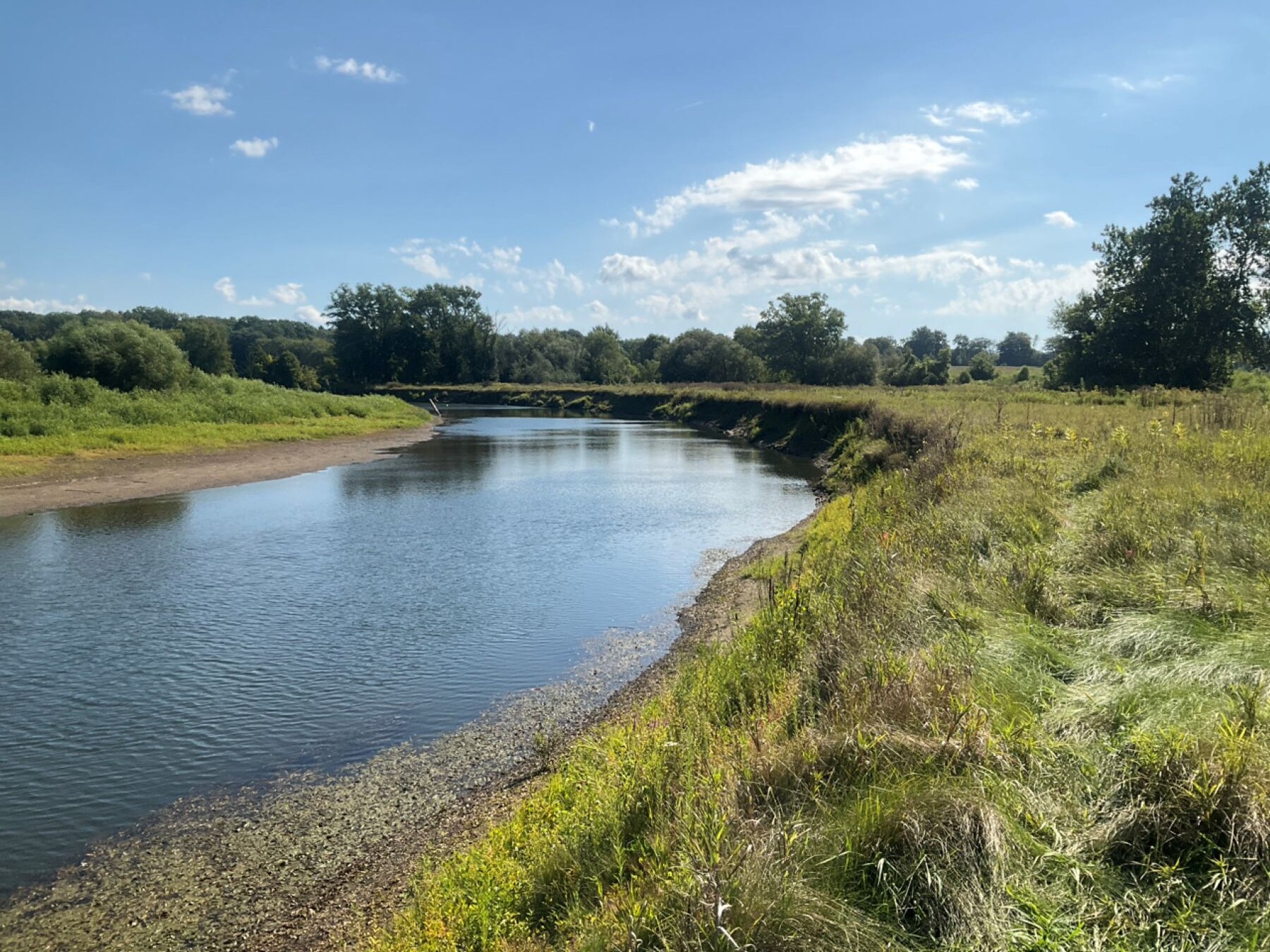
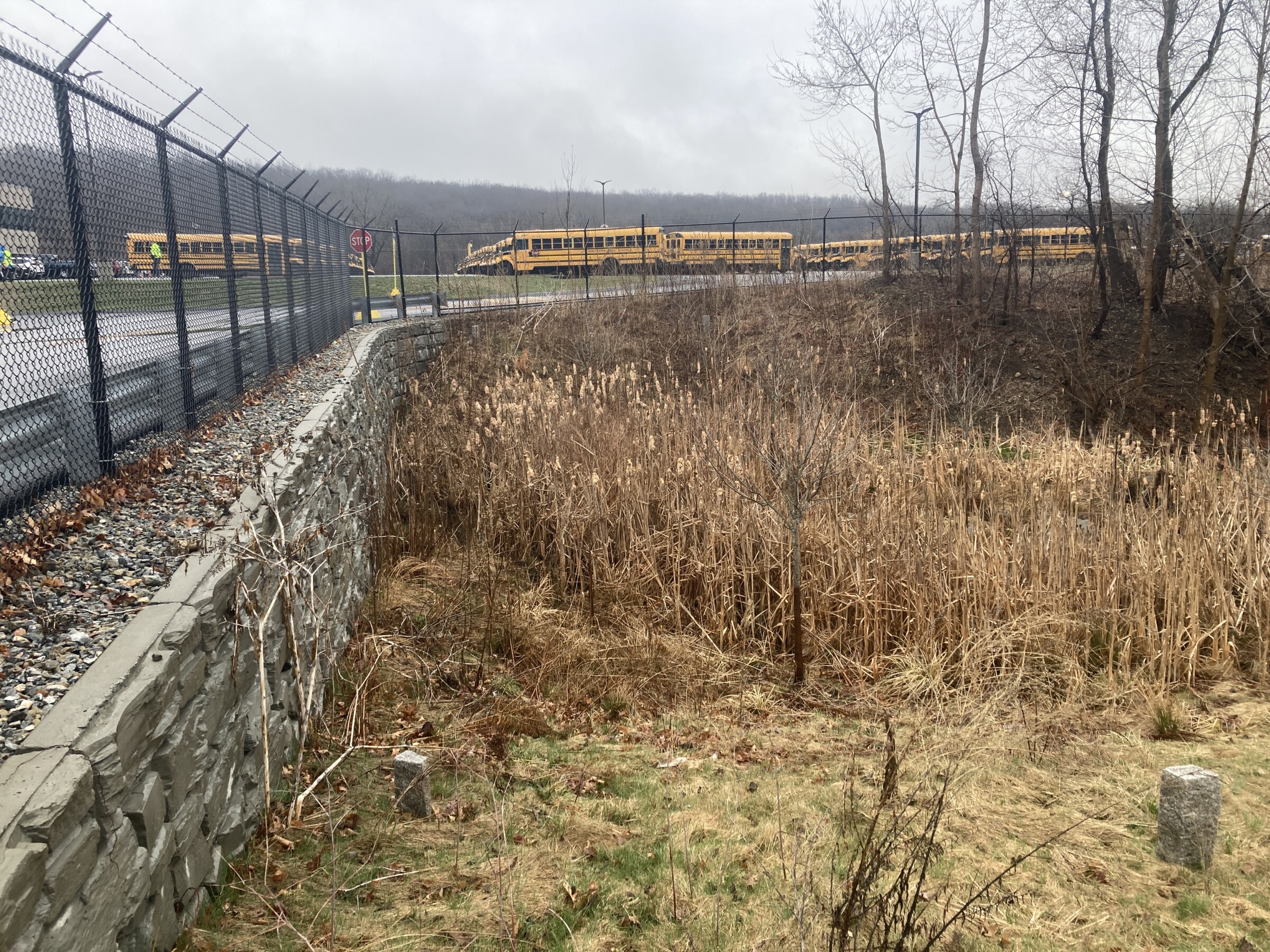
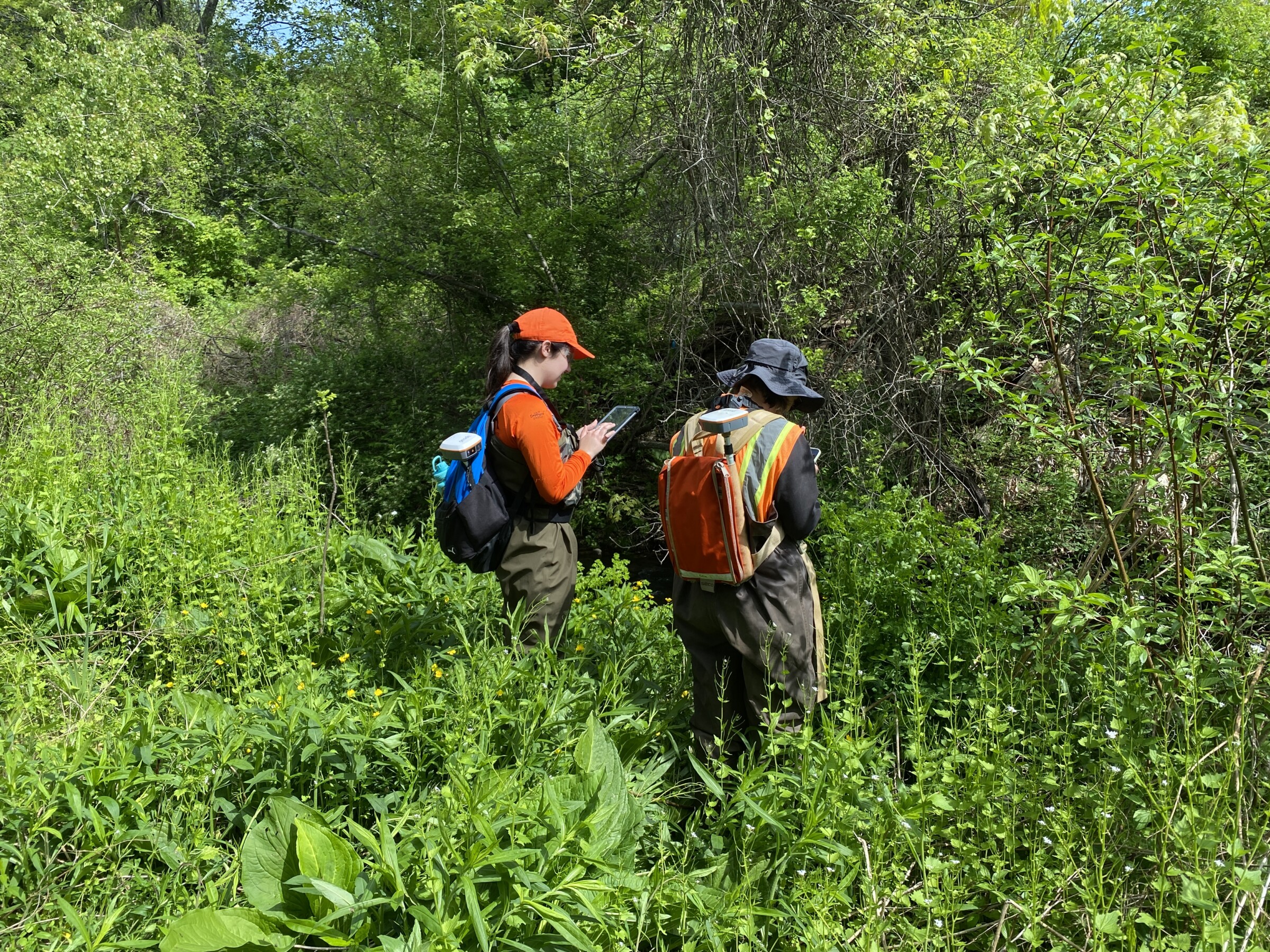
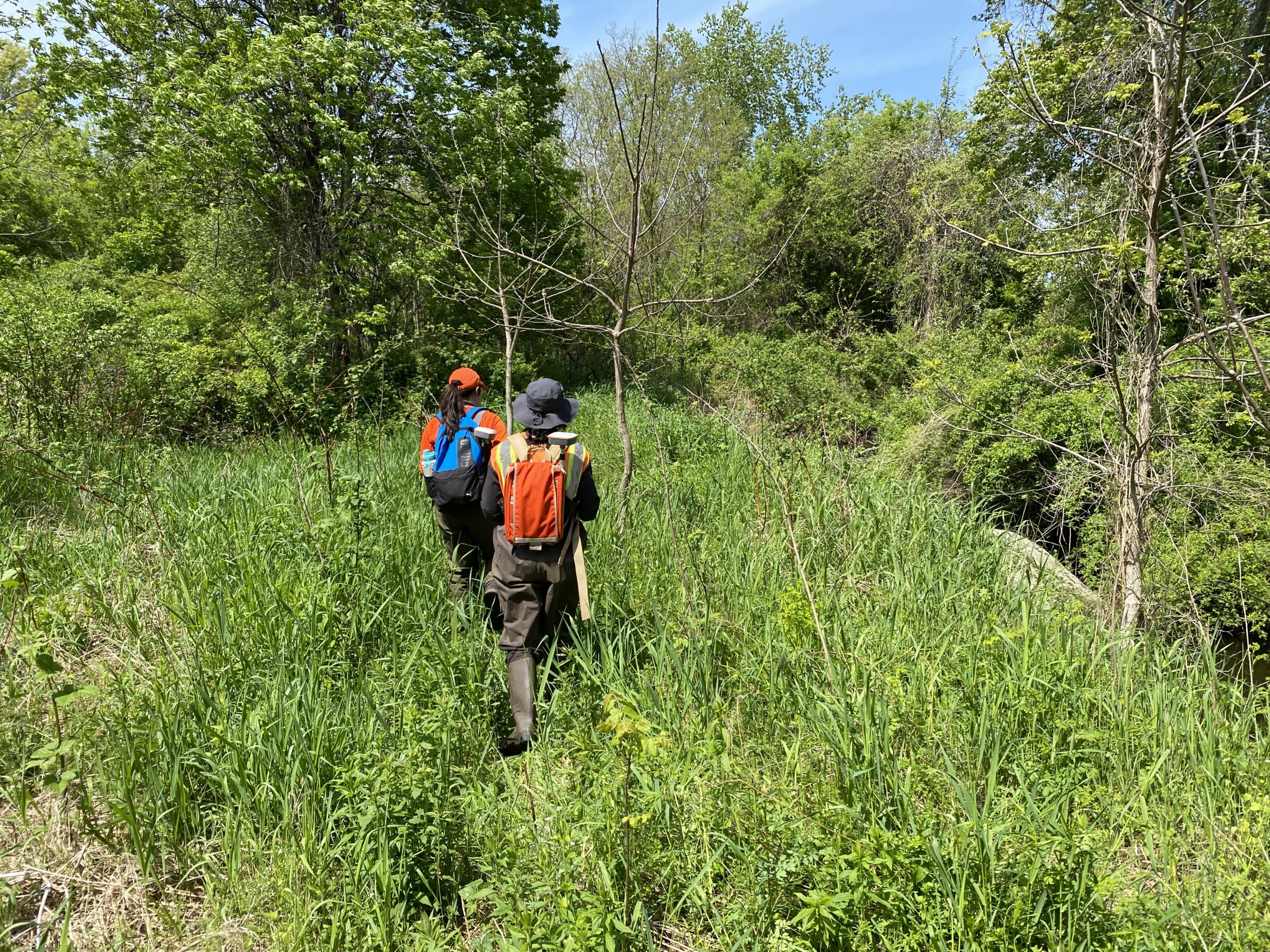
Focusing on riparian zones, along rivers, streams, tributaries, wetlands, lakes, and ponds, SWCA is evaluating the potential impact of restoration efforts at riparian sites throughout the Commonwealth. After creating a comprehensive list of potential restoration sites, SWCA worked with EEA to evaluate those sites, then enlisted private and public landowners to participate in restoration efforts. The effort involves documenting the sites’ biodiversity, invasive species, flood patterns, soil erosion, and herbivore activity. Additionally, SWCA is assisting with mapping, boundary identification, the development of restoration plans, permitting, and implementation at the selected sites.
In the first year, SWCA completed intensive site identification and outreach effort. In the second and third years of the project, the team continues to work with landowners and regulators to identify, secure, design, permit, and implement site restorations.
This is an ongoing effort. If you believe your property may be a good candidate for restoration, please contact Scott Fisher. To learn more about the Massachusetts Riparian Zone Restoration Program, visit the program website.
One of the oldest and most densely populated states in the U.S., Massachusetts’s long history of development has fundamentally reshaped its environment. While English settlers arrived in the early 17th Century, by the mid-1800s, approximately 80% of the Commonwealth ’s landscape had been cleared for agriculture.
The trend continues today. Under pressure from ongoing development, native and non-native pests, intense wind and ice storms, droughts, flooding, and other stresses , Massachusetts loses approximately 5,000 acres of forest each year.
Spearheaded by the Commonwealth’s Executive Office of Energy and Environmental Affairs (EEA), the Massachusetts Riparian Zone Restoration Program aims to reverse this trend by replanting trees and shrubs along degraded riverbanks, floodplains, and other waterside spaces across the state. Contributing to the Commonwealth’s goal of planting 16,100 new acres of urban and riparian tree cover by 2030, the program also aims preserve coldwater and coolwater fisheries, increase biodiversity, improve stormwater management, filter runoff and pollution, mitigate riverbank erosion, provide urban cooling, manage invasive species, and increase carbon sequestration.
Scott Fisher has 28 years of experience in ecological restoration. He is a restoration specialist, overseeing coastal and inland ecological restoration projects. Scott oversees projects requiring soil bioengineering installations for bank restoration projects, wetland design, mitigation and restoration projects and the control of invasive plant species through herbicide application or removal. Scott conducts site suitability assessments and oversees the installation of sediment and erosion control devices on construction projects and in the protection of rare species. Scott has managed golf course environmental design and restoration projects, pond restoration, and planting projects. He is also trained in stream restoration and applied fluvial geomorphology.