
2026
Comparably’s Best Company Outlook
* Providing engineering services in these locations through SWCA Environmental Consulting & Engineering, Inc., an affiliate of SWCA.


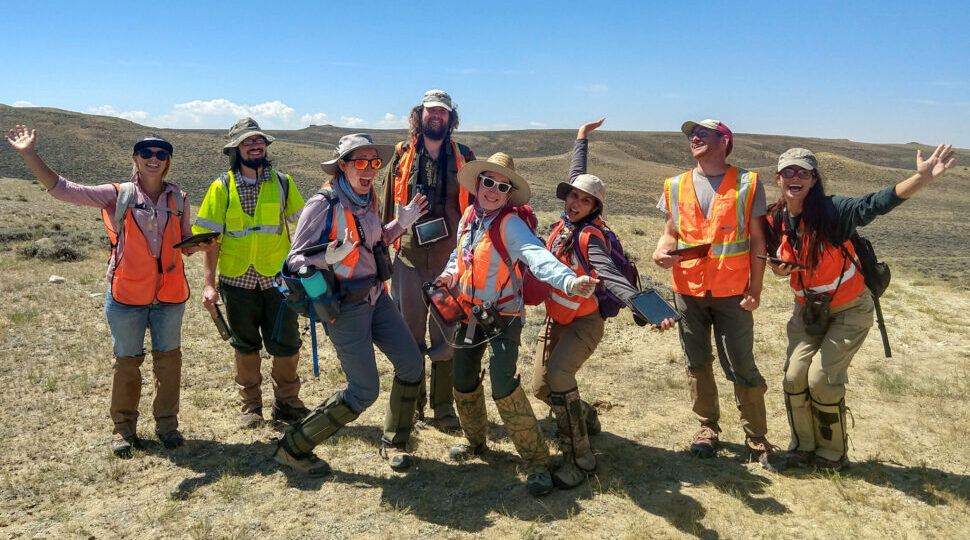
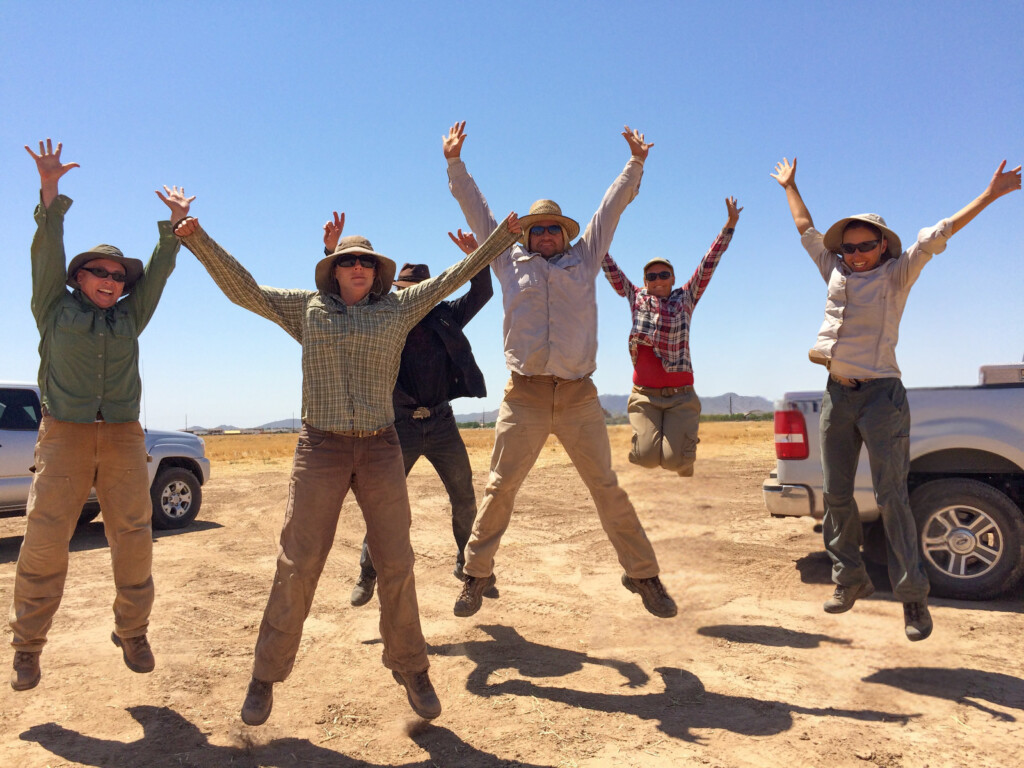
From the experts we hire, to the clients we partner with, our greatest opportunity for success lies in our ability to bring the best team together for every project.
That’s why:
At SWCA, sustainability means balancing humanity’s social, economic, and environmental needs to provide a healthy planet for future generations.
SWCA employs smart, talented, problem-solvers dedicated to our purpose of preserving natural and cultural resources for tomorrow while enabling projects that benefit people today.
At SWCA, you’re not just an employee. You’re an owner. Everyone you work with has a stake in your success, so your hard work pays off – for the clients, for the company, and for your retirement goals.
Resilience Services

Building stronger communities through science, innovation, and nature-based solutions.
For questions or further information, please fill out the form below.
In response to the ever-increasing costs of disaster recovery, there is a strong call to establish resilient communities that can withstand future risks. Accompanying this call are increased funding programs at all levels of government focused on resilience projects with the intention to mitigate the losses to life and infrastructure from future natural disasters.
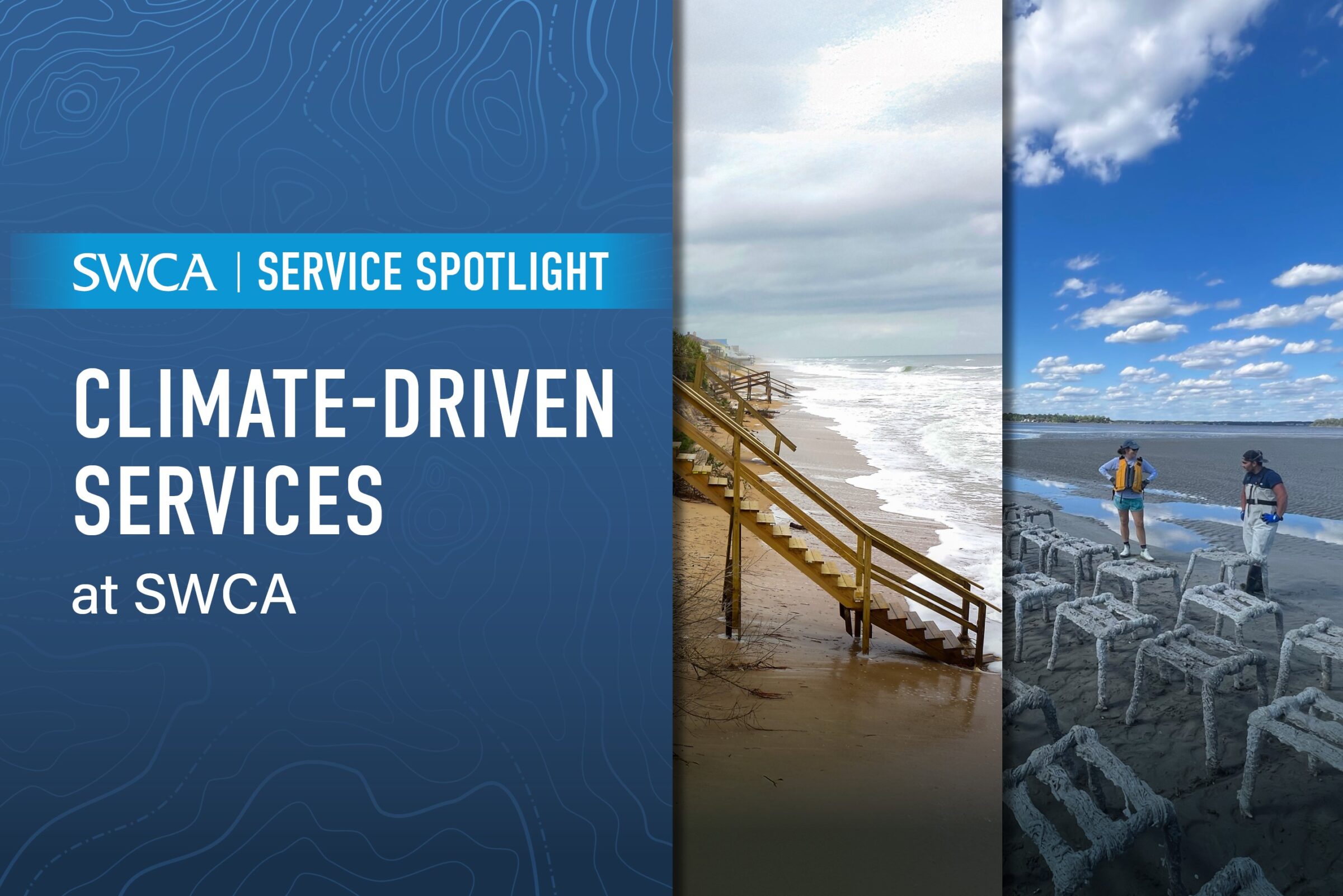
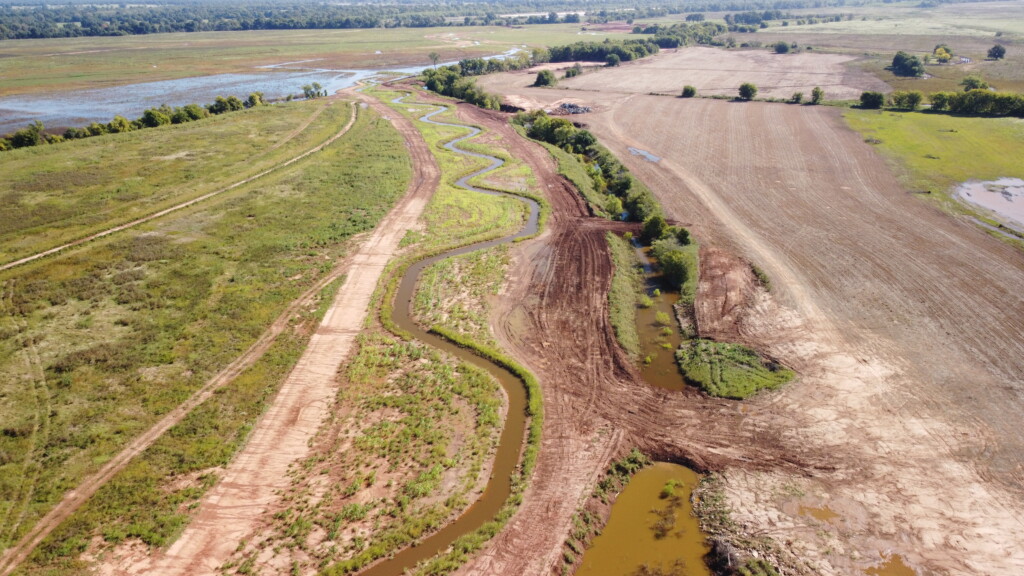
SWCA has long been a leader in National Environmental Policy Act (NEPA) regulatory compliance and ecosystem restoration services, including coastal restoration, natural channel design, green infrastructure, and wildfire mitigation projects that have an impact on the resilience of our lived environment. Our climate resilience experts provide support for federal, state, and local agencies, private companies, and non-profits in conceptualizing and completing resilience projects—incorporating nature-based solutions at any scale.
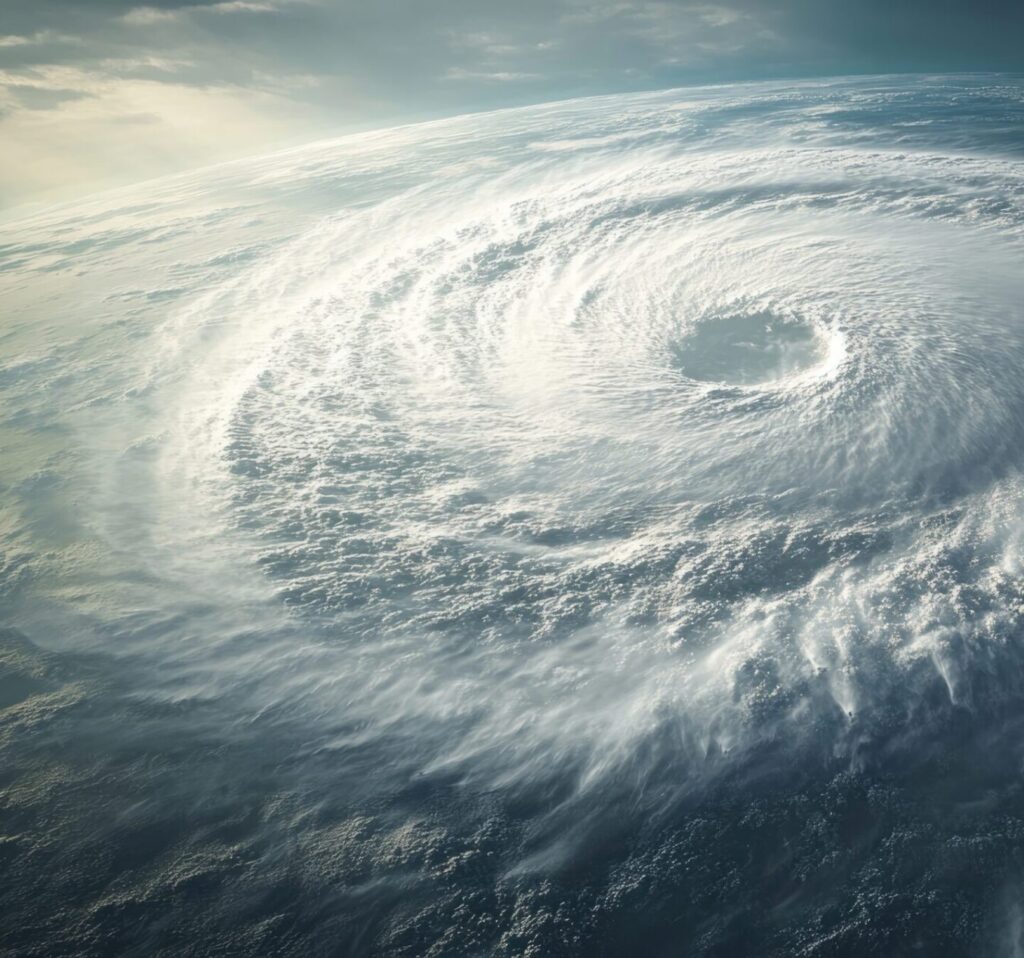
SWCA recognizes the increasing threat posed by changes in the global climate. Environmental changes will exert a broad range of impacts on natural resources including wildfires, coastal flooding, and the spread of invasive species. As one of the nation’s oldest and largest environmental science and planning firms, SWCA’s experts possess the skills and experience to assist our clients in identifying climate risks within their projects and properties. We then develop strategies that will address those risks and support sustainability long term.
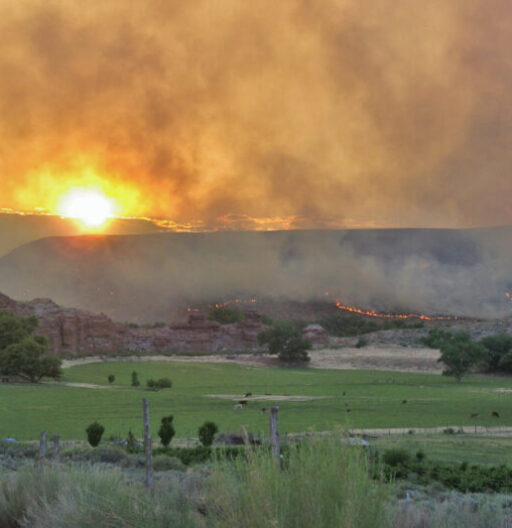
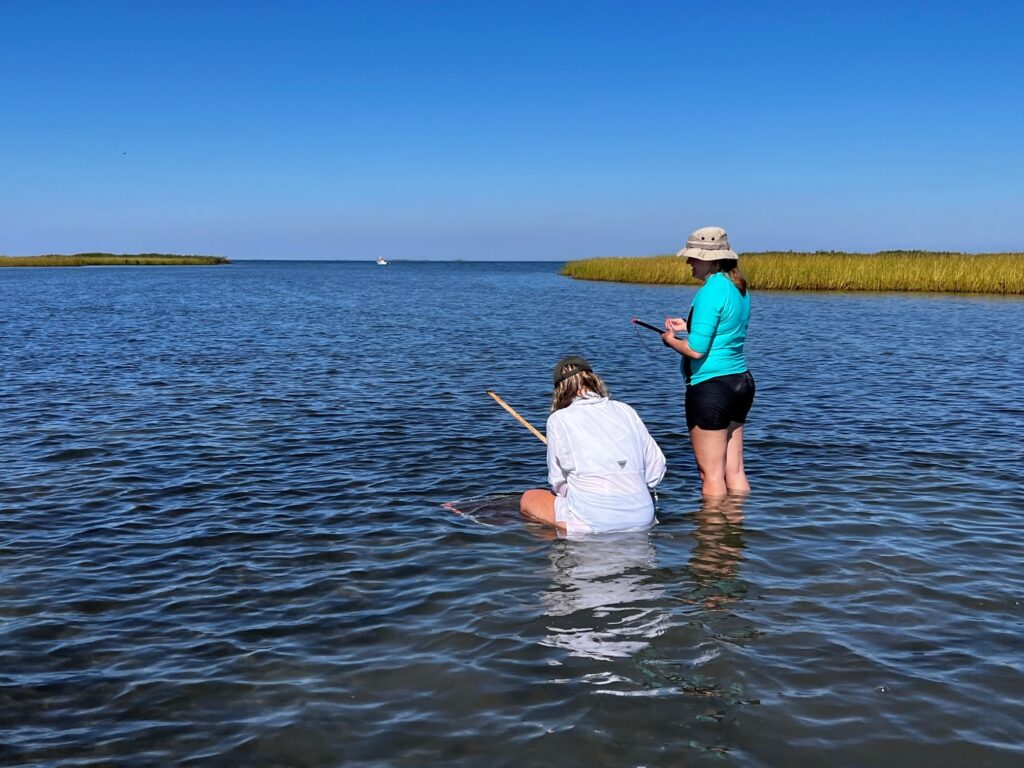
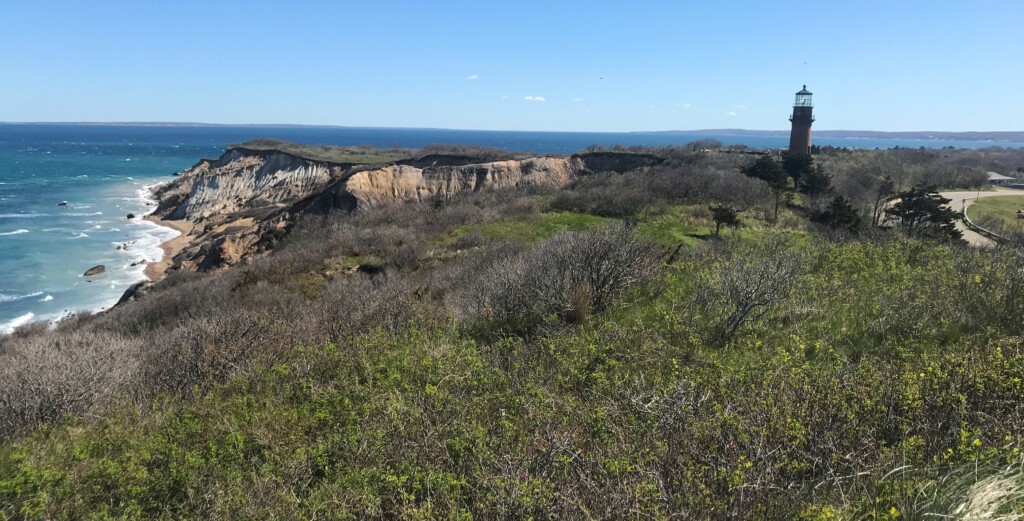
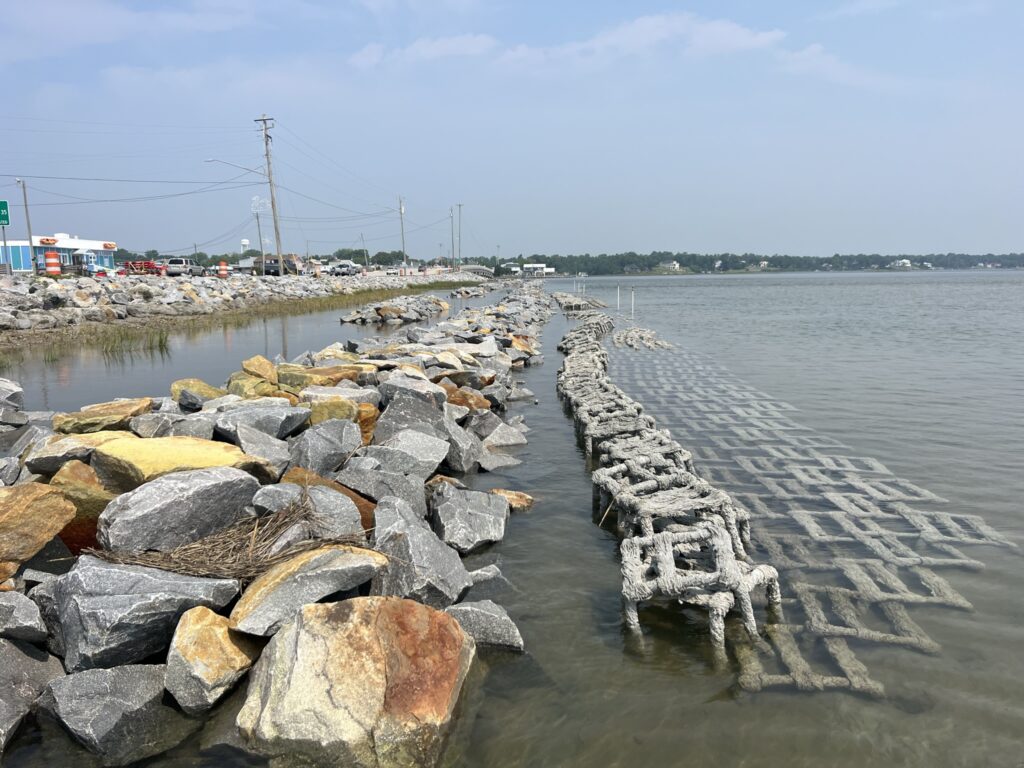
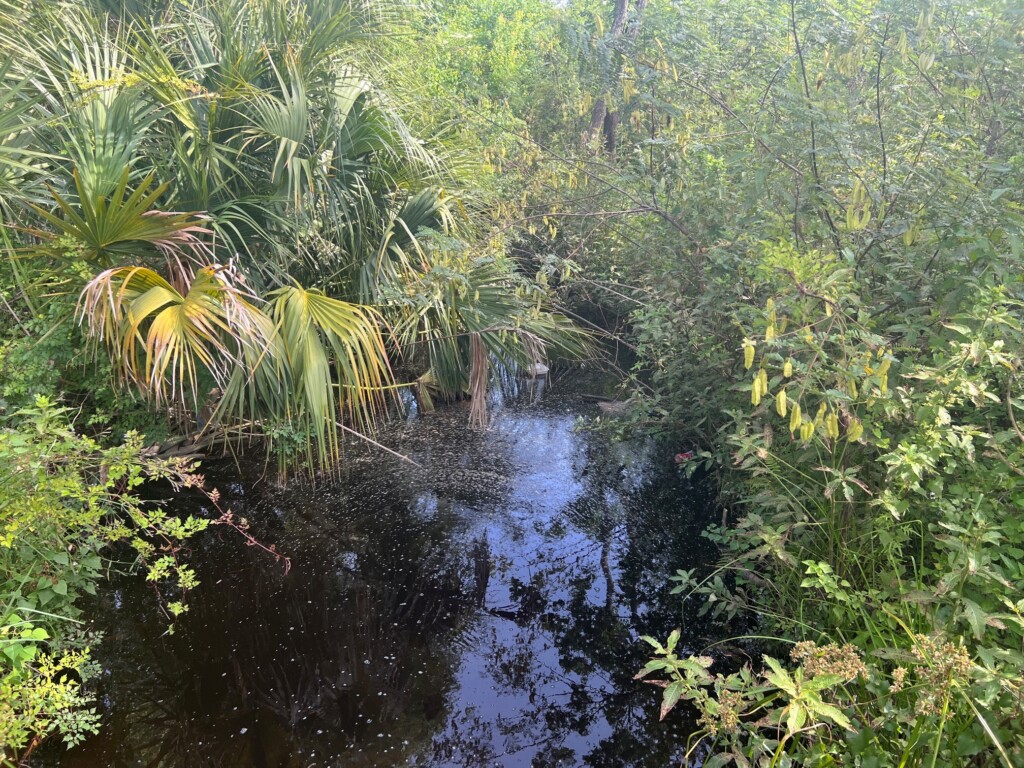
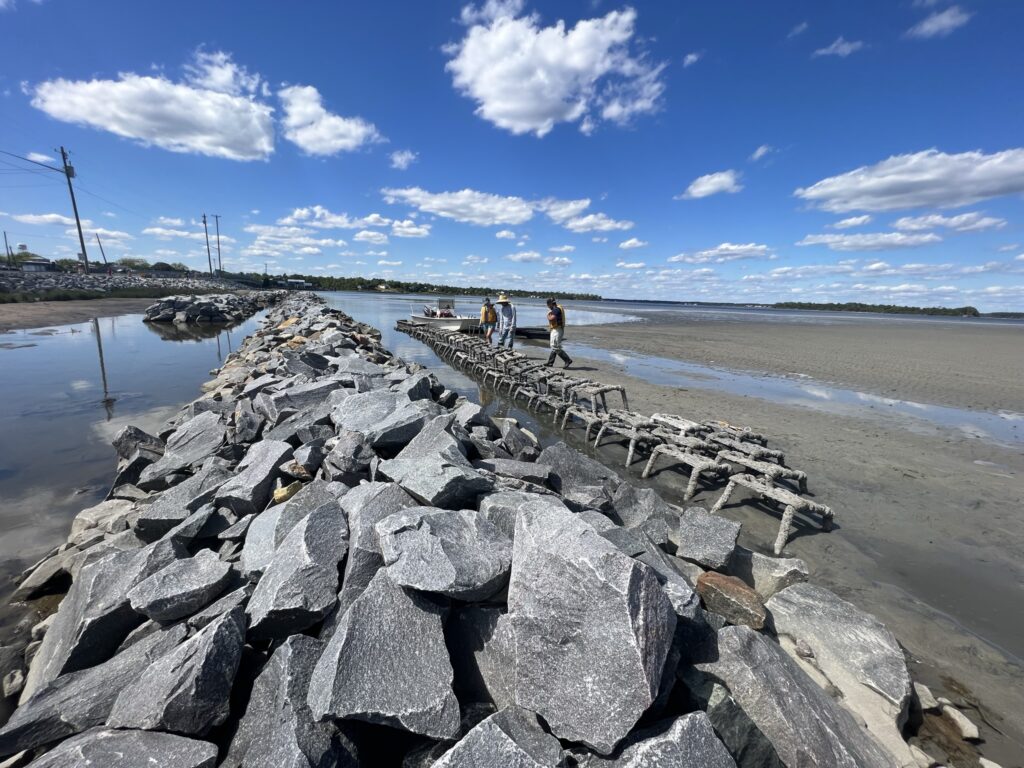
Across the U.S., coastal wetlands are experiencing crucial losses. Coastal wetlands include freshwater and saltwater wetlands that can spread for miles beyond the coast into inland areas. These wetlands are critical to the wellbeing of the environment and the people who live near them. Wetlands play a significant role in protecting upland areas from flooding, filtering water before it reaches the ocean, providing habitats for threatened and endangered species, and preventing coastline erosion.
With rising sea levels, storms, and urban and rural development, maintaining and protecting our coastal wetlands is critical to maintaining the environment.
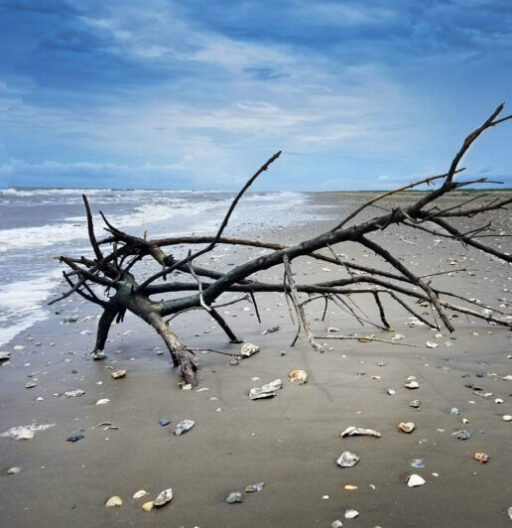
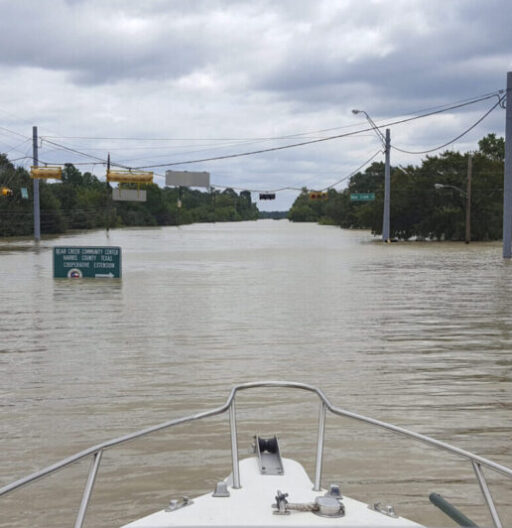
Hurricanes, tornadoes, fires, and other natural disasters can have devastating impacts on communities. The aftermath can seem overwhelming. SWCA have personally weathered these disasters, so we understand firsthand how to help move recovery efforts forward quickly, effectively, and economically.
SWCA’s disaster recovery experts can help to navigate the maze of environmental regulations required throughout the recovery process including through grants from the Federal Emergency Management Agency (FEMA) and the Department of Housing and Urban Development (HUD). Our experts have experience with FEMA Public Assistance and Community Development Block Grant Disaster Recovery (CDBG-DR) funded disaster recovery programs, Federal Highway Administration Emergency Relief (FHWA-ER), Natural Resources Conservation Service Emergency Watershed Protection program (NRCS-EWP), and the Hazard Mitigation Grant Program (HMGP), among others. Our specialists include wetland, water, and stream restoration scientists; fire scientists and post-fire specialists; threatened species specialists; ecologists; National Environmental Policy Act (NEPA) planners; archaeologists; and architectural historians. We provide on-the-ground and regulatory support for individuals, private companies, non-profits, and municipal agencies—anyone needing environmental expertise that will enable them to move forward in their disaster recovery.
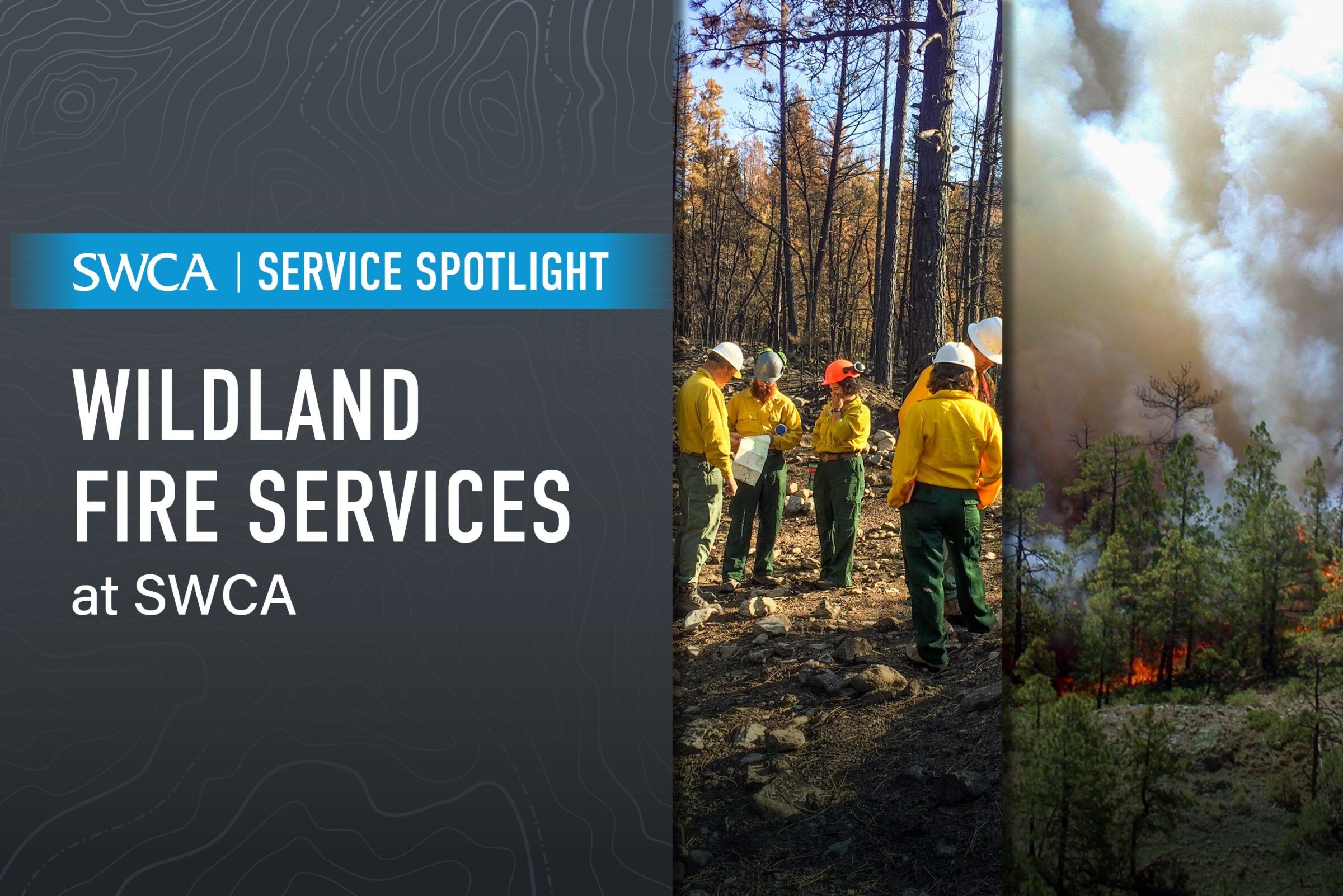
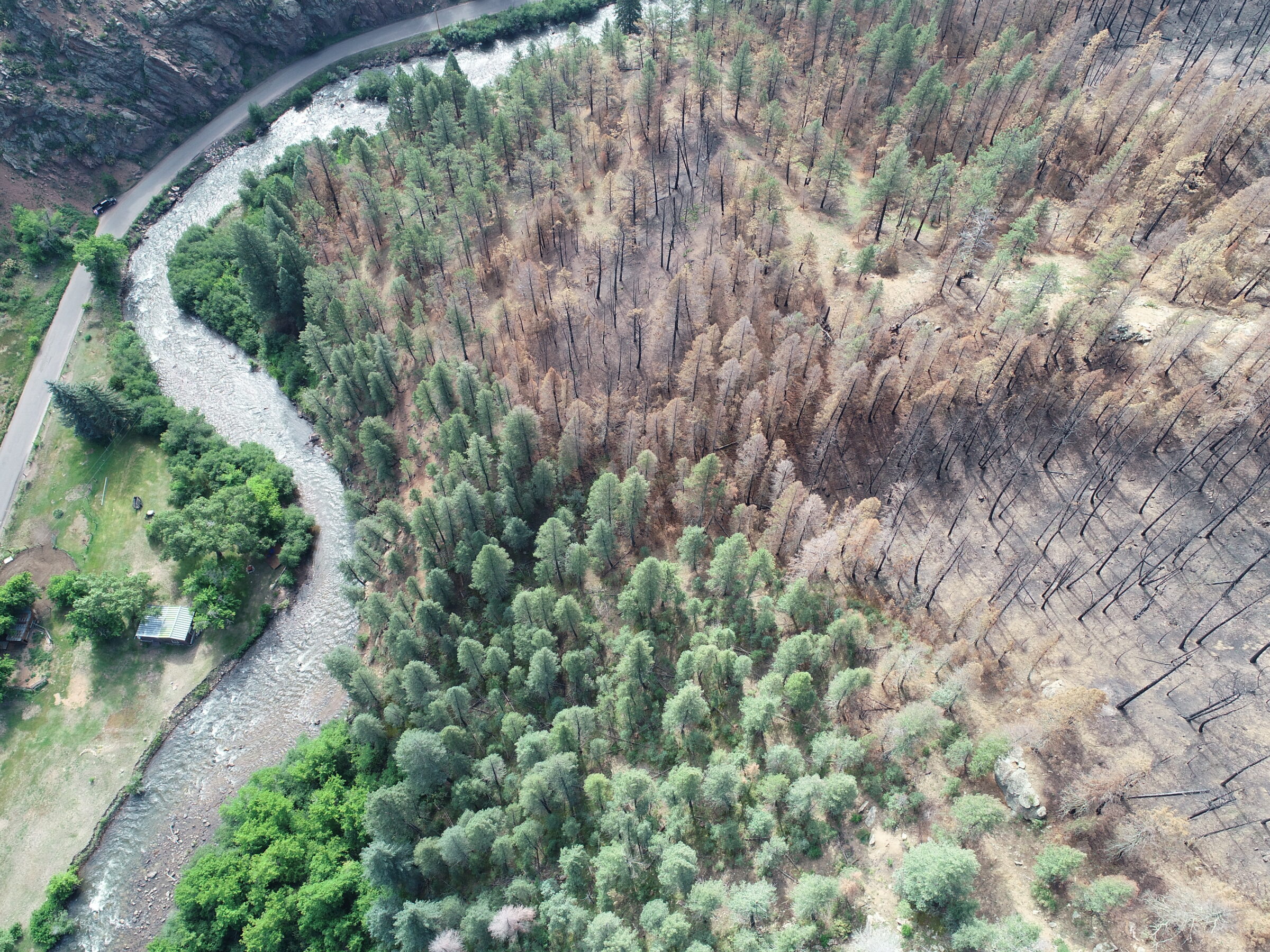
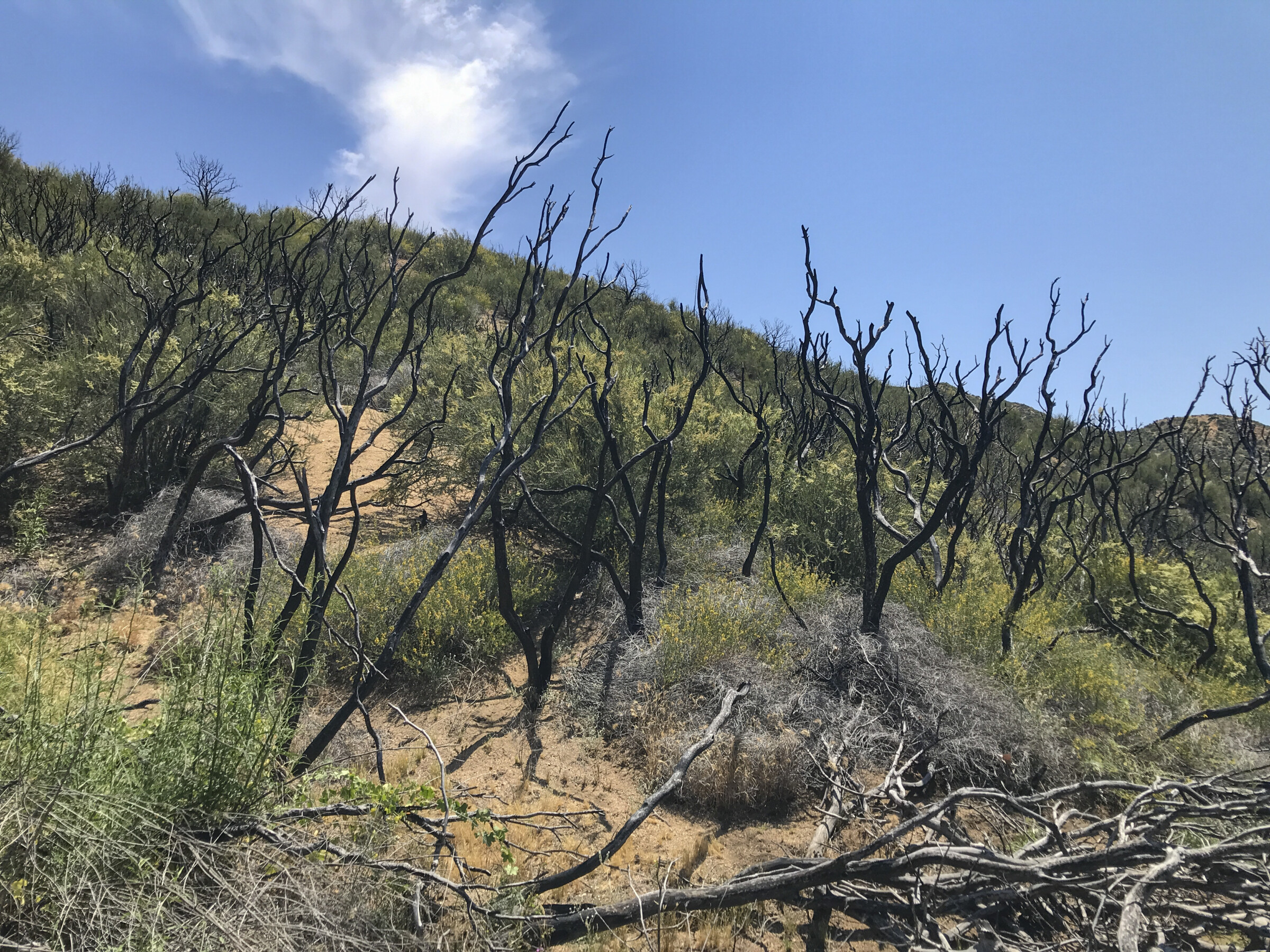
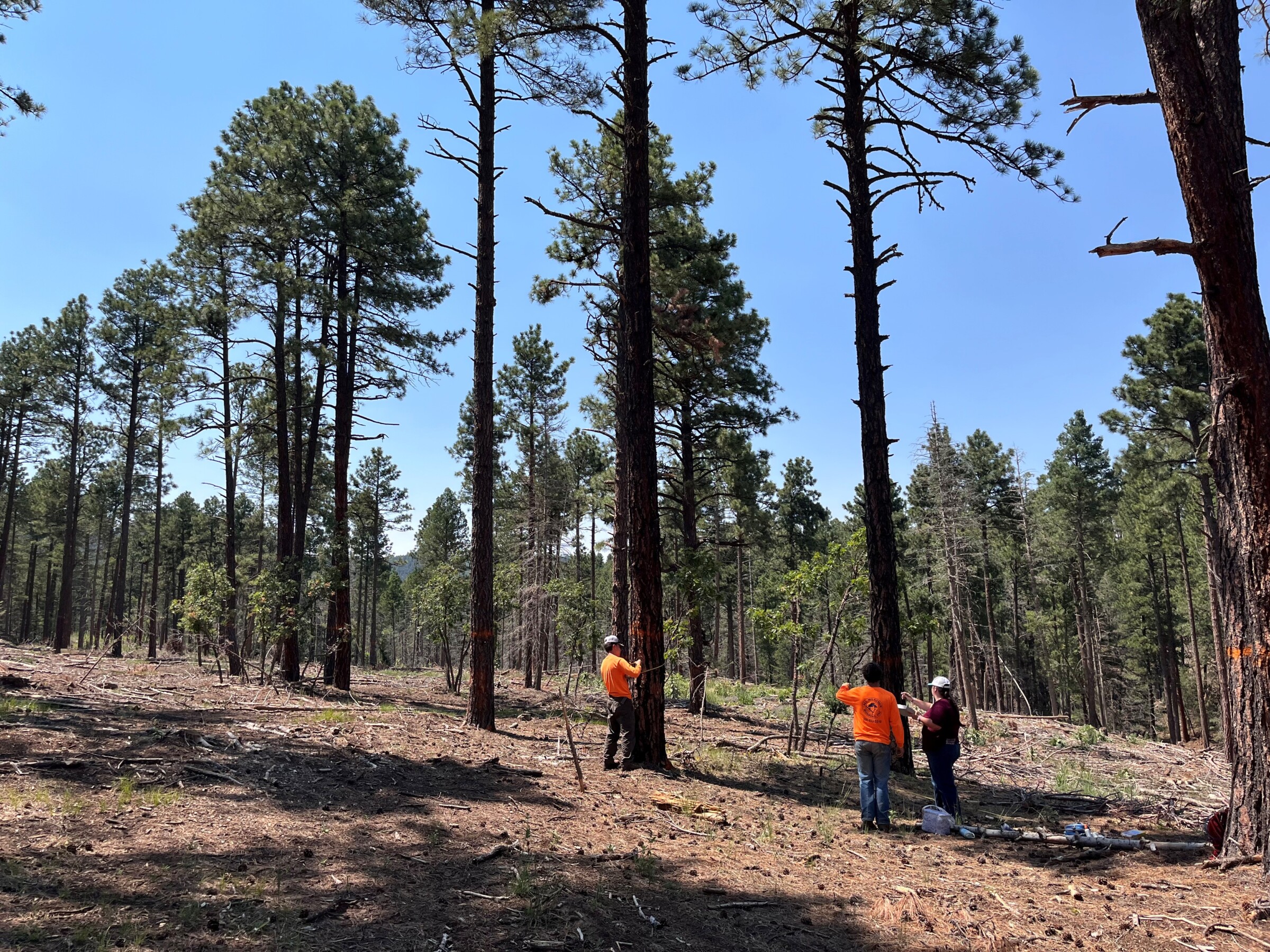
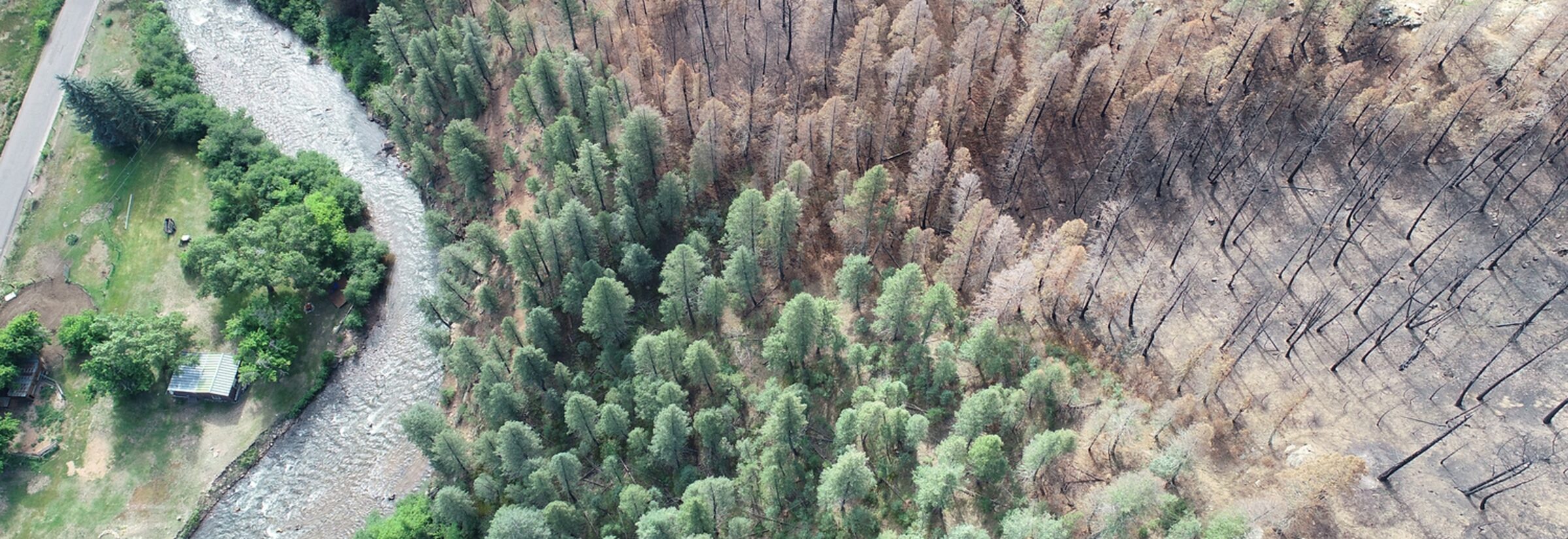
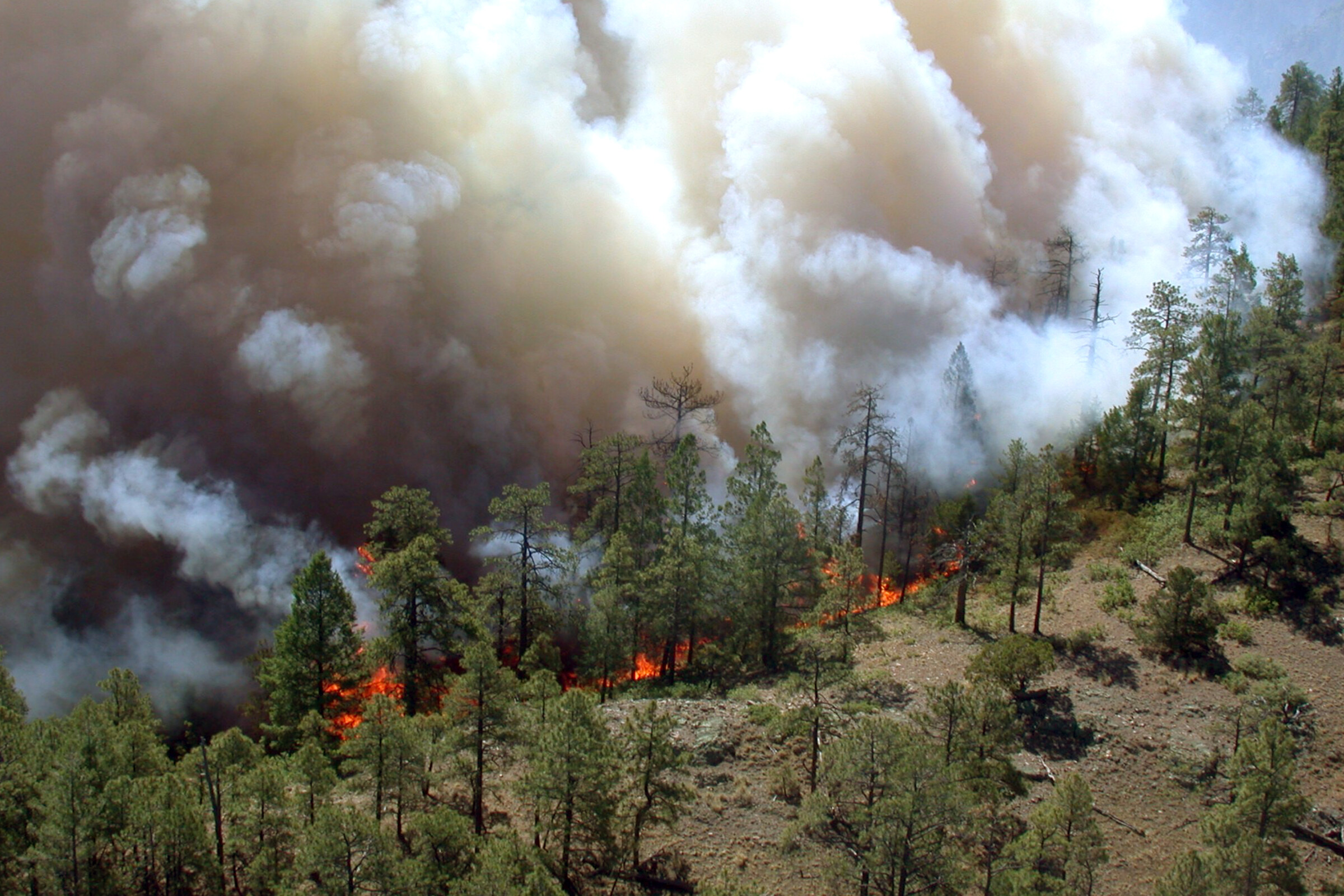
With almost three decades of experience in wildfire sciences, SWCA is a recognized expert in the U.S., delivering wildfire solutions grounded in sound science and applied research. We emphasize collaboration with federal, tribal, state, and local government agencies, non-governmental organizations, private industry, and communities to support informed decision-making that is both technically defensible and operationally effective. We recognize and embrace the essential role wildfire plays in many regions, providing important ecosystem services for fire-adapted landscapes.
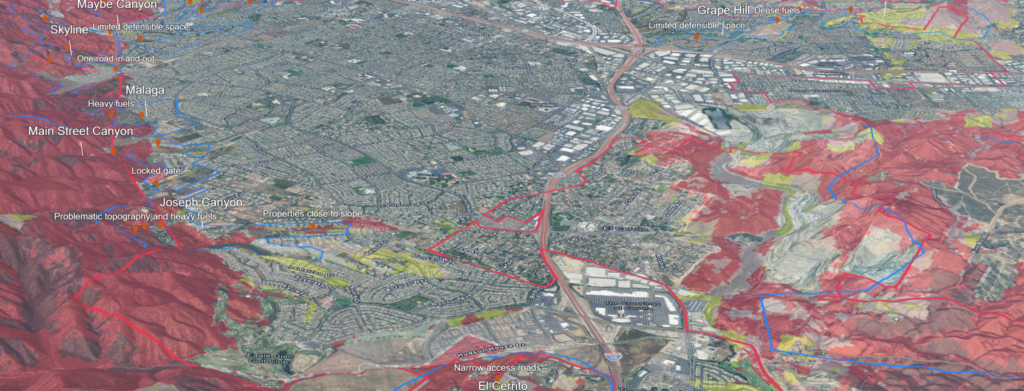
At the same time, increasing wildfire severity, expanding development in fire-prone areas, and changing environmental conditions require proactive, science-based planning across the full wildfire cycle—readiness, response, recovery, and restoration. SWCA helps communities and land managers evaluate risk, prioritize actions, and implement strategies rooted in the best available data, fire ecology, and land management practices to strengthen resilience and long-term sustainability.
Our wildfire mitigation and management experts provide a comprehensive suite of services and customized solutions to address both large-scale regional objectives and the unique needs of individual communities. Our work aligns with the National Cohesive Wildland Fire Management Strategy, as well as applicable state guidance and policies, ensuring recommendations are practical, defensible, and aligned with regulatory and planning frameworks.
Read more about our Wildfire service here.
Anne has more than 18 years of experience and specializes in multi-hazard risk and resilience planning and mitigation. Her expertise includes compliance monitoring, procurement, multiagency coordination, public information, closeout processes, and audit support.

Dr. Stropki has been researching and working with fire in the southwest since 2002. He is a certified fire ecologist and watershed science expert who focuses on pre- and post-fire mitigation to make landscapes more resilient to climate change.

Alaina serves as Business Line Director for Disaster and Resilience in SWCA’s South Region. In this role, she leads and supports disaster resilience teams across the region, with a primary focus on overseeing environmental review processes for HUD-assisted disaster recovery and resilience projects. She provides technical guidance and assistance to staff, subrecipients, and project partners, and works collaboratively across disciplines to ensure project needs are met through consistent, high-quality program procedures and technically sound outcomes.
Alaina brings more than 11 years of experience managing large, federally funded grant programs, primarily through the U.S. Department of Housing and Urban Development (HUD). Her expertise spans disaster recovery, resilience planning, and environmental compliance for complex, multi-stakeholder programs.

Victoria has a background in forestry, fire ecology, and natural resource management and has managed and developed over 100 CWPPs and Fire Management Plans. She started with SWCA in early 2007 and now leads the company’s fire and forestry team.
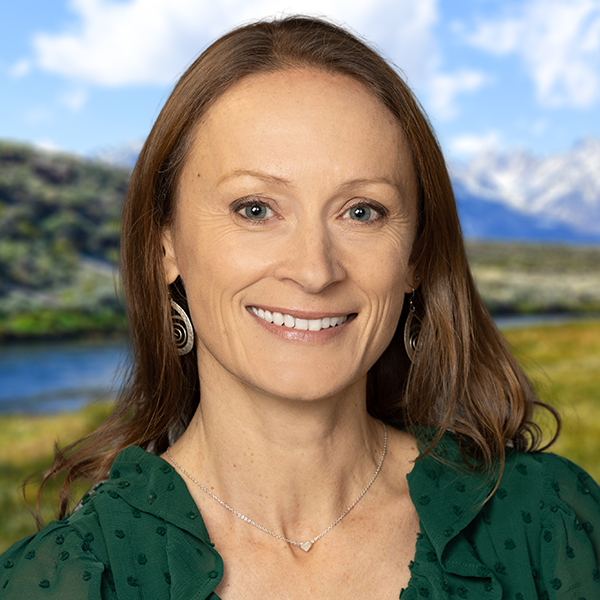
Meg Perry is an experienced facilitator and stakeholder engagement specialist who specializes in water resources and resilience planning. She is trained in multi-party environmental conflict resolution and consensus building and has facilitated over 400 virtual and in-person meetings in the last five years. Meg’s experience with complex planning and stakeholder engagement processes in 17 states includes coastal resilience planning, statewide hazard mitigation planning, and collaborative water management with state and local agencies, U.S. Army Corps of Engineers, and the Bureau of Reclamation. In addition to facilitation expertise, Meg has graduate-level training in hydrology, river processes, ecological resilience, and decision science.
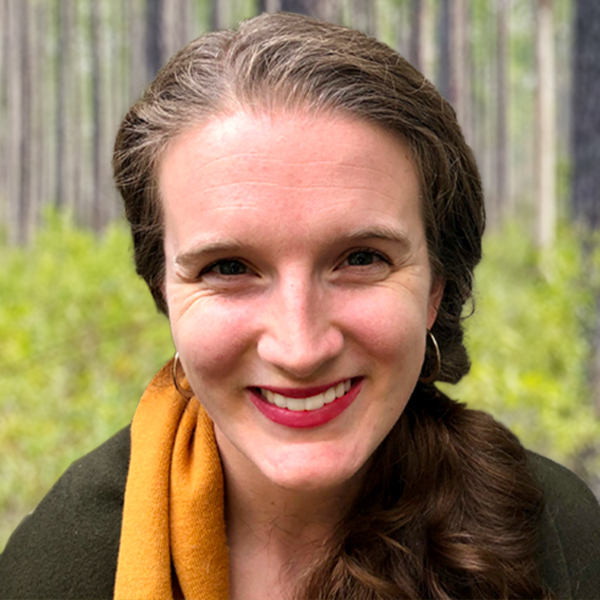
Josh has more than 16 years’ experience working on site stabilization, renewable energy, and ecosystem restoration projects across the country. He has spent much of his career in North Carolina and South Carolina serving both private- and public-sector clients. Josh works on a variety of projects, including solar site stabilization, solar site hydrologic and hydraulic modeling for stability analysis, floodplain vegetation/stabilization, stream and wetland restoration, and resiliency planning. Josh has extensive experience acquiring federal, state, and local permits for his projects, especially erosion and sediment control and stormwater permits such as NPDES Phase II permits, 401 Water Quality Certifications (WQC), and state and local land disturbance permits. All of his projects also have a revegetation component. Revegetation components are typically based on an appropriate nearby reference community and developed to restore the appropriate strata (canopy, understory, shrub, and herbaceous layers) for the site.
Subscribe to The Wire, SWCA’s quarterly newsletter that delivers the latest industry news, important regulatory updates, local events, and more straight to your inbox.