

2026
Comparably’s Best Company Outlook
* Providing engineering services in these locations through SWCA Environmental Consulting & Engineering, Inc., an affiliate of SWCA.


From the experts we hire, to the clients we partner with, our greatest opportunity for success lies in our ability to bring the best team together for every project.
That’s why:

At SWCA, sustainability means balancing humanity’s social, economic, and environmental needs to provide a healthy planet for future generations.
SWCA employs smart, talented, problem-solvers dedicated to our purpose of preserving natural and cultural resources for tomorrow while enabling projects that benefit people today.

At SWCA, you’re not just an employee. You’re an owner. Everyone you work with has a stake in your success, so your hard work pays off – for the clients, for the company, and for your retirement goals.
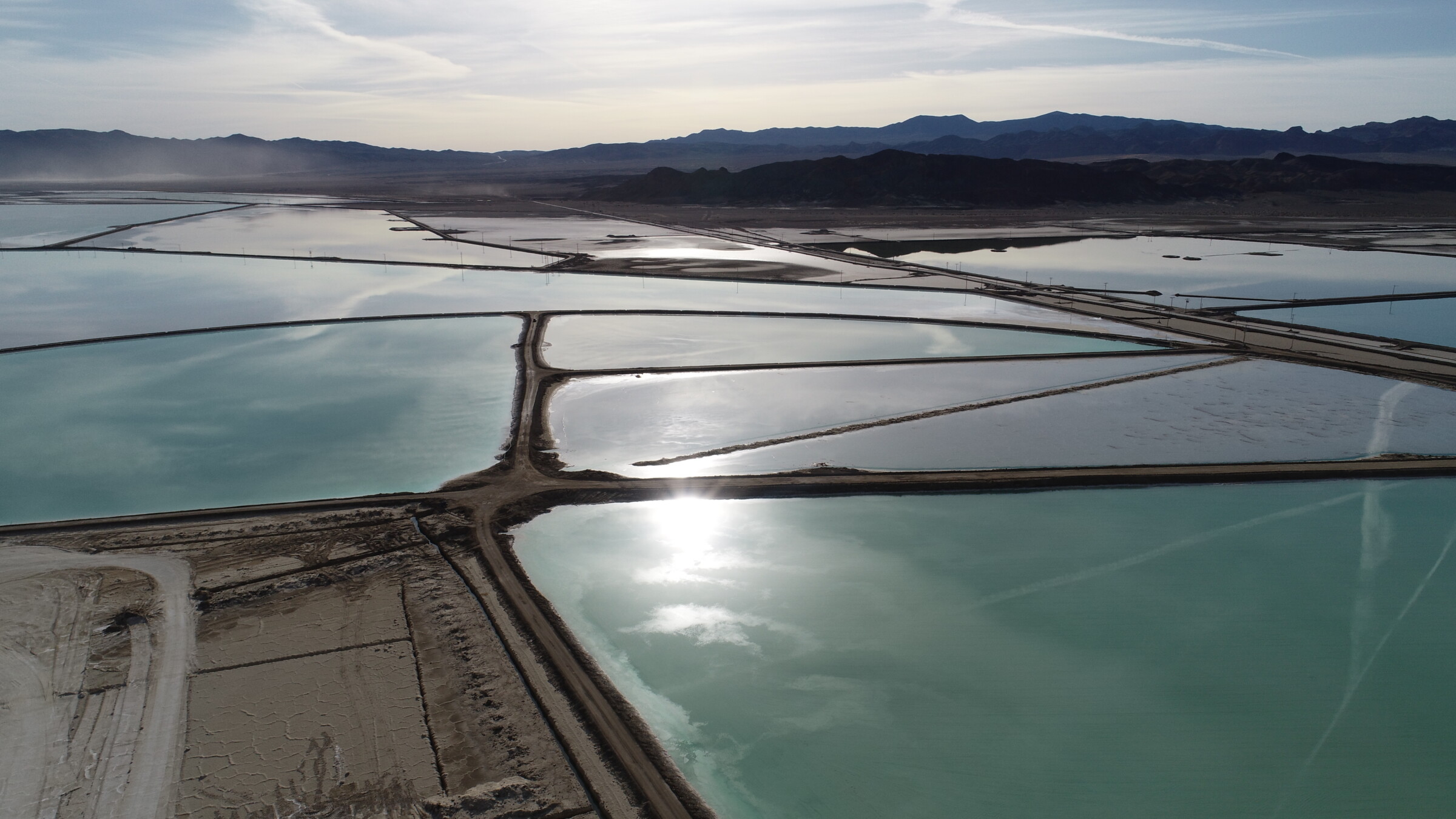
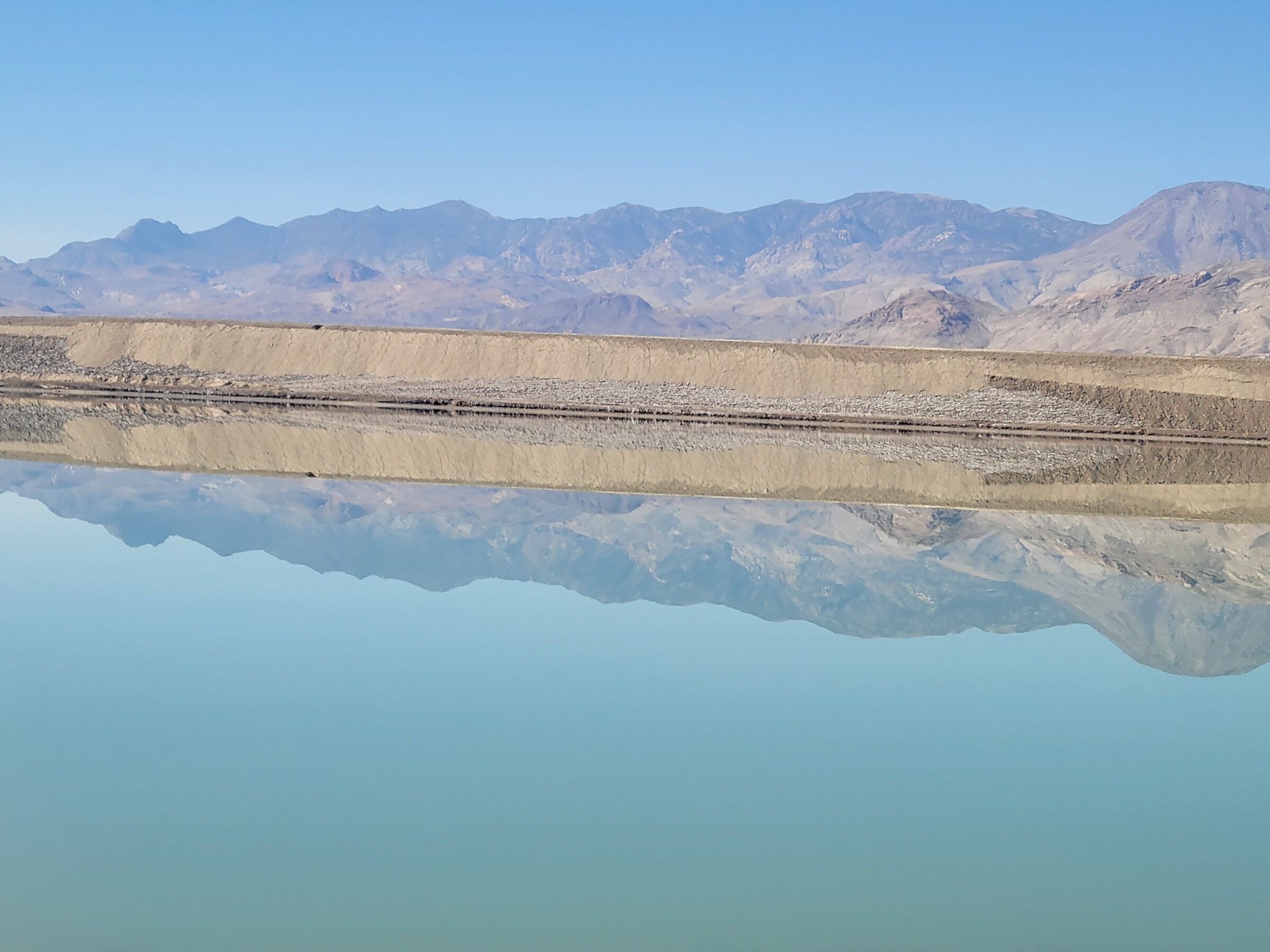
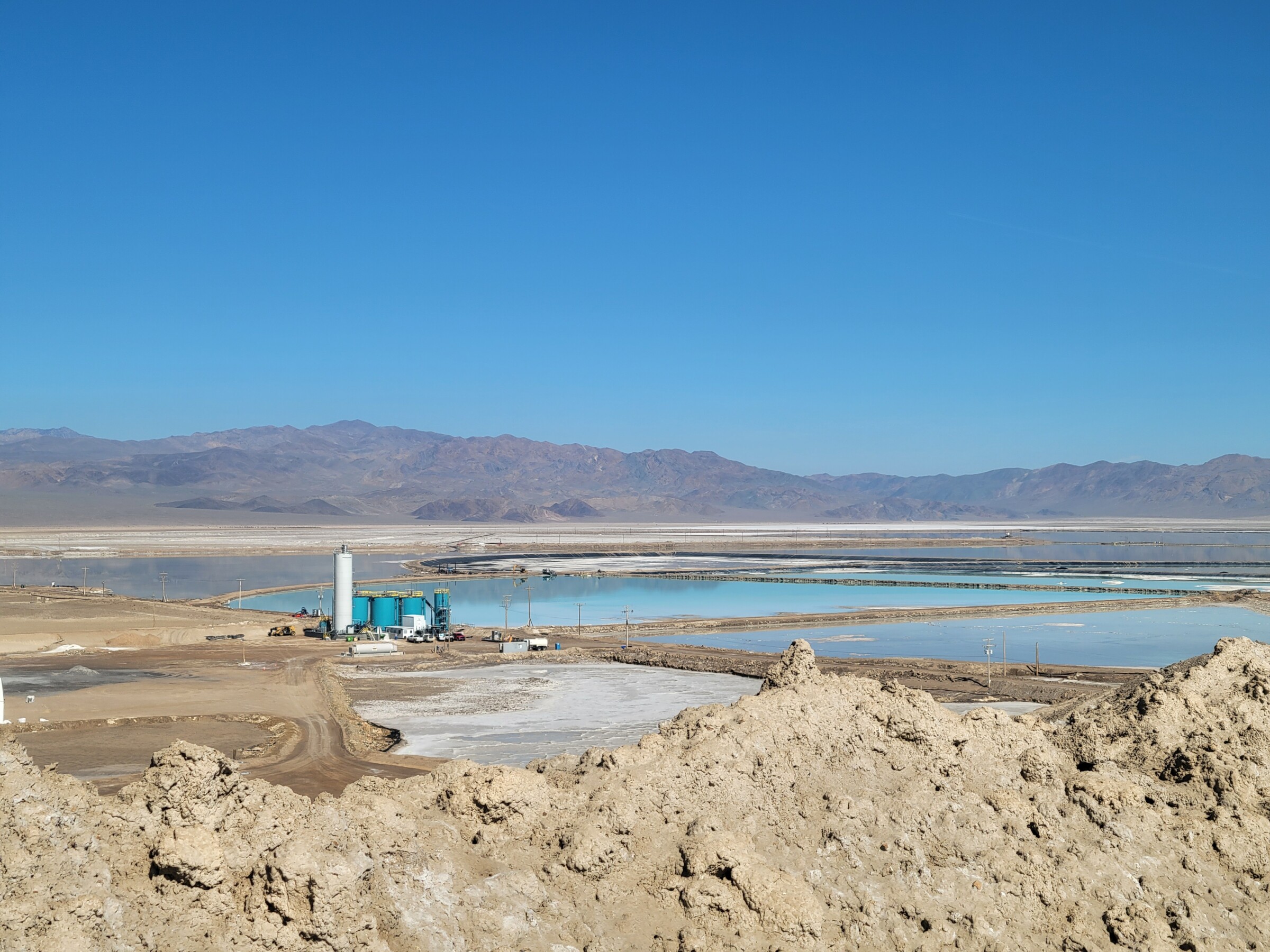
Silver Peak Lithium Mine Expansion – Environmental Impact Statement
SWCA supported Albemarle’s pond expansion at the Silver Peak Lithium Mine, preparing the EIS, completing natural and cultural resource studies, and helping guide FAST‑41 permitting.
For questions or further information, please fill out the form below.
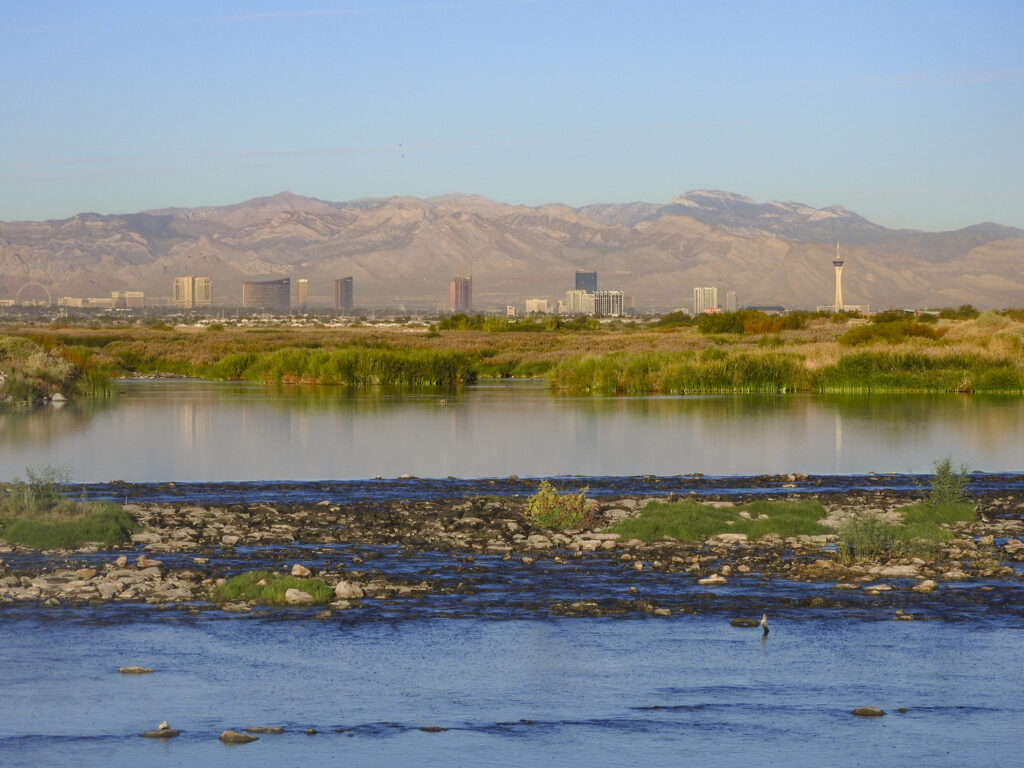
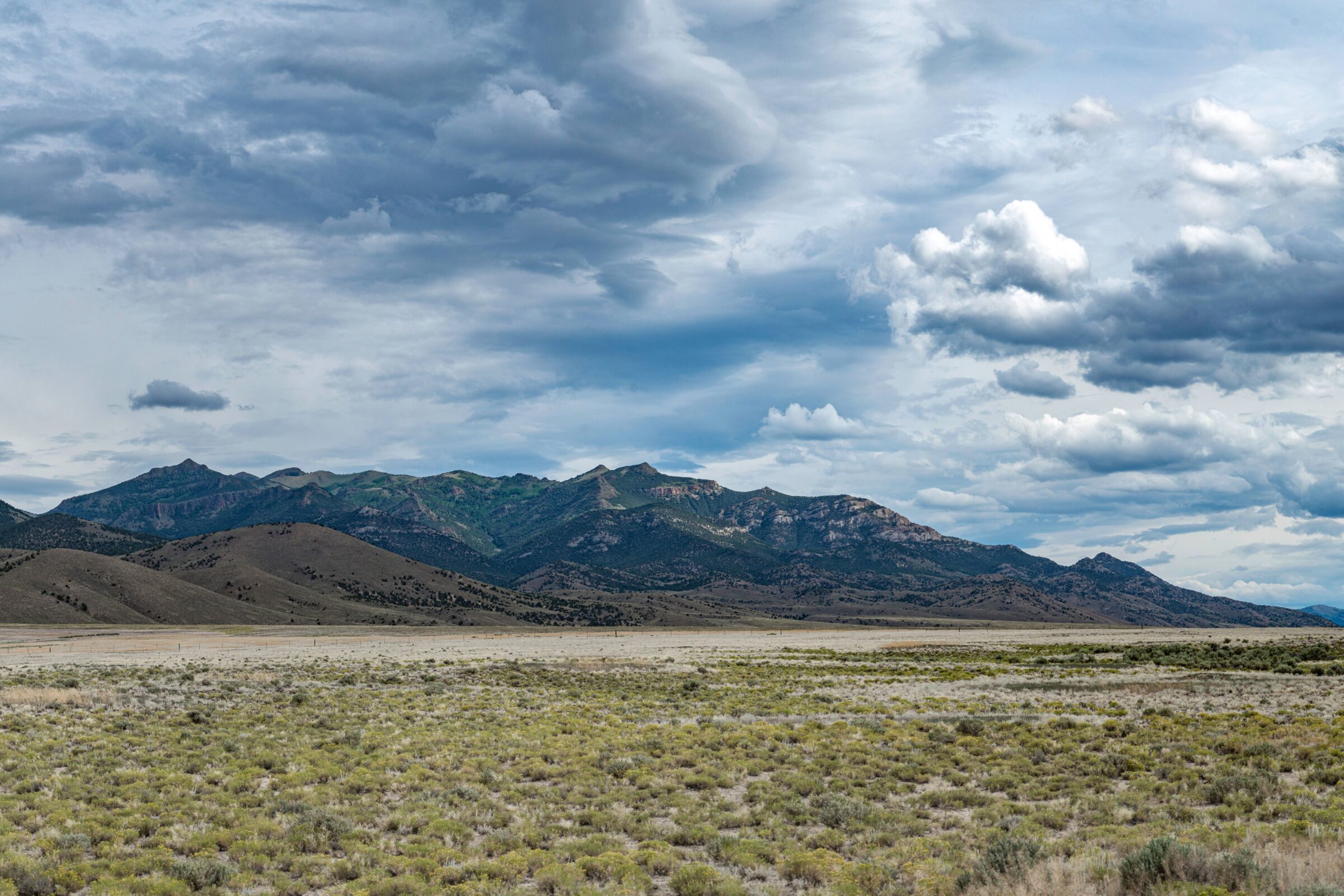
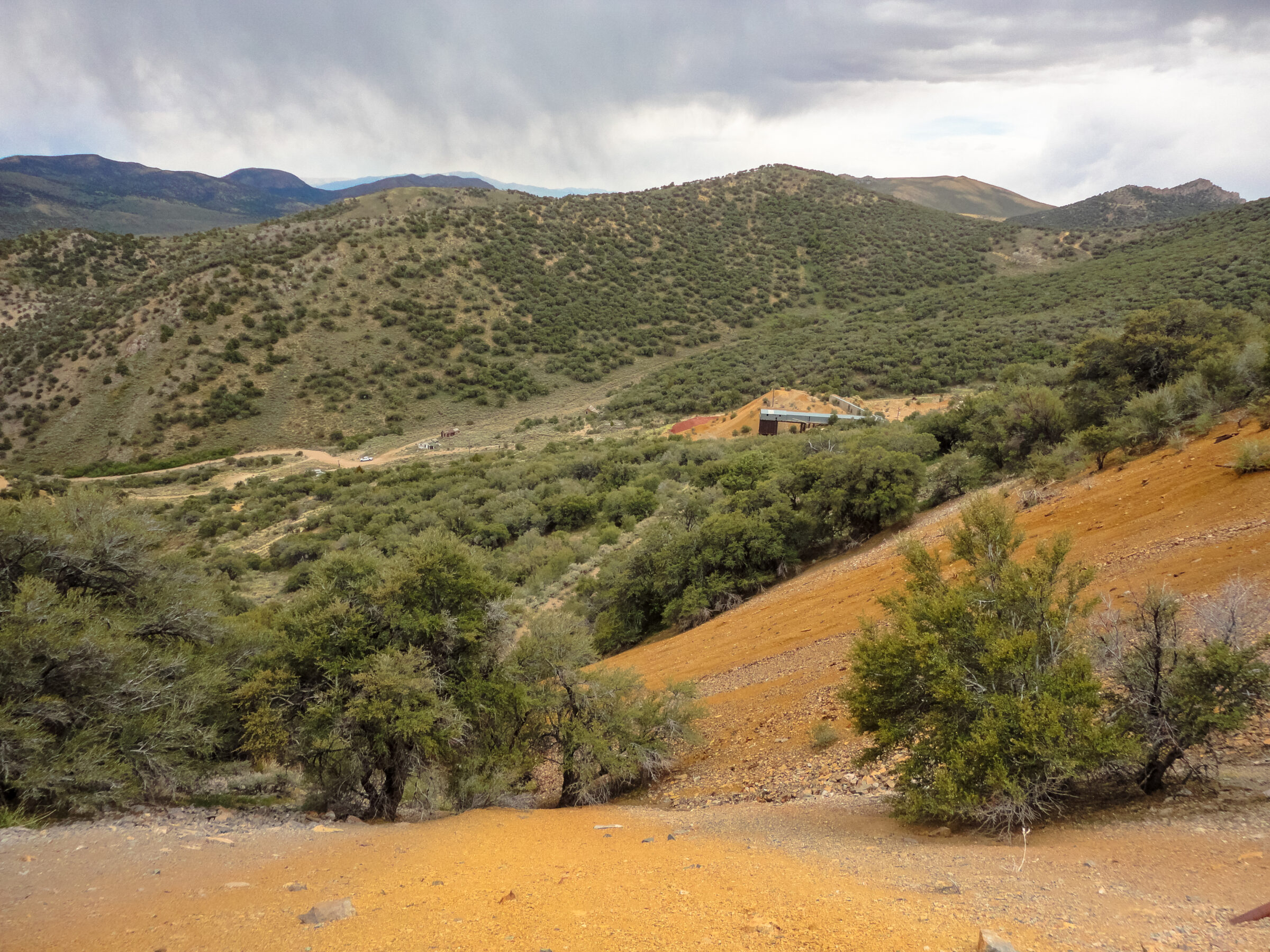
Located in southwest, Nevada, Silver Peak is the only active lithium mine in the United States. A key component in batteries used for electric vehicles and renewable energy storage, technologies for defense and space exploration, and a wide range of industrial applications, the mine forms an essential link in the nation’s critical minerals supply chain.
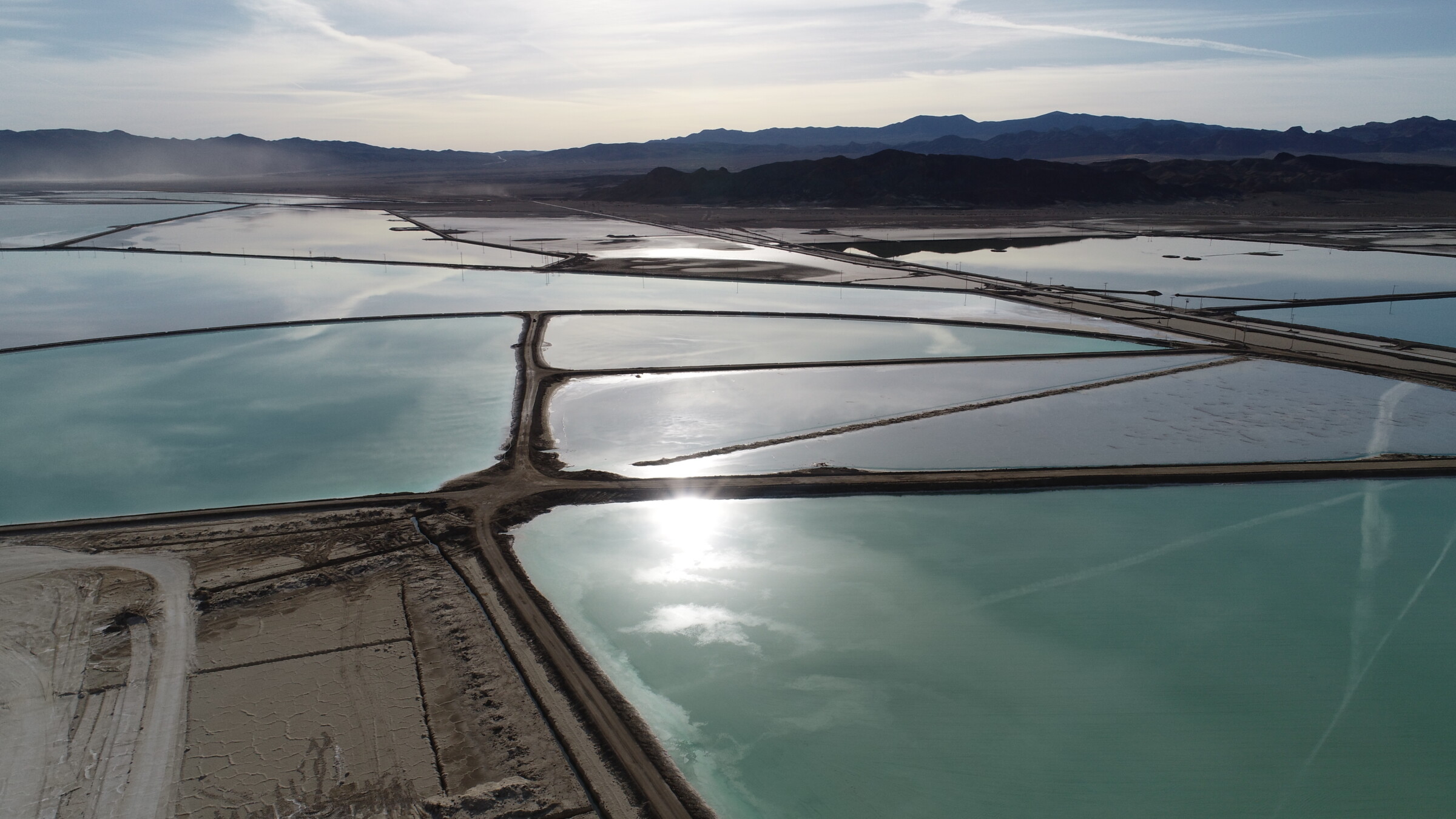
Silver Peak extracts lithium salts from non-potable saltwater within aquifers 300-2,000 feet below the desert’s surface. After being pumped to the surface, the brine—which contains high concentrations of lithium—is transferred between a series of solar evaporation ponds where the lithium becomes more concentrated.
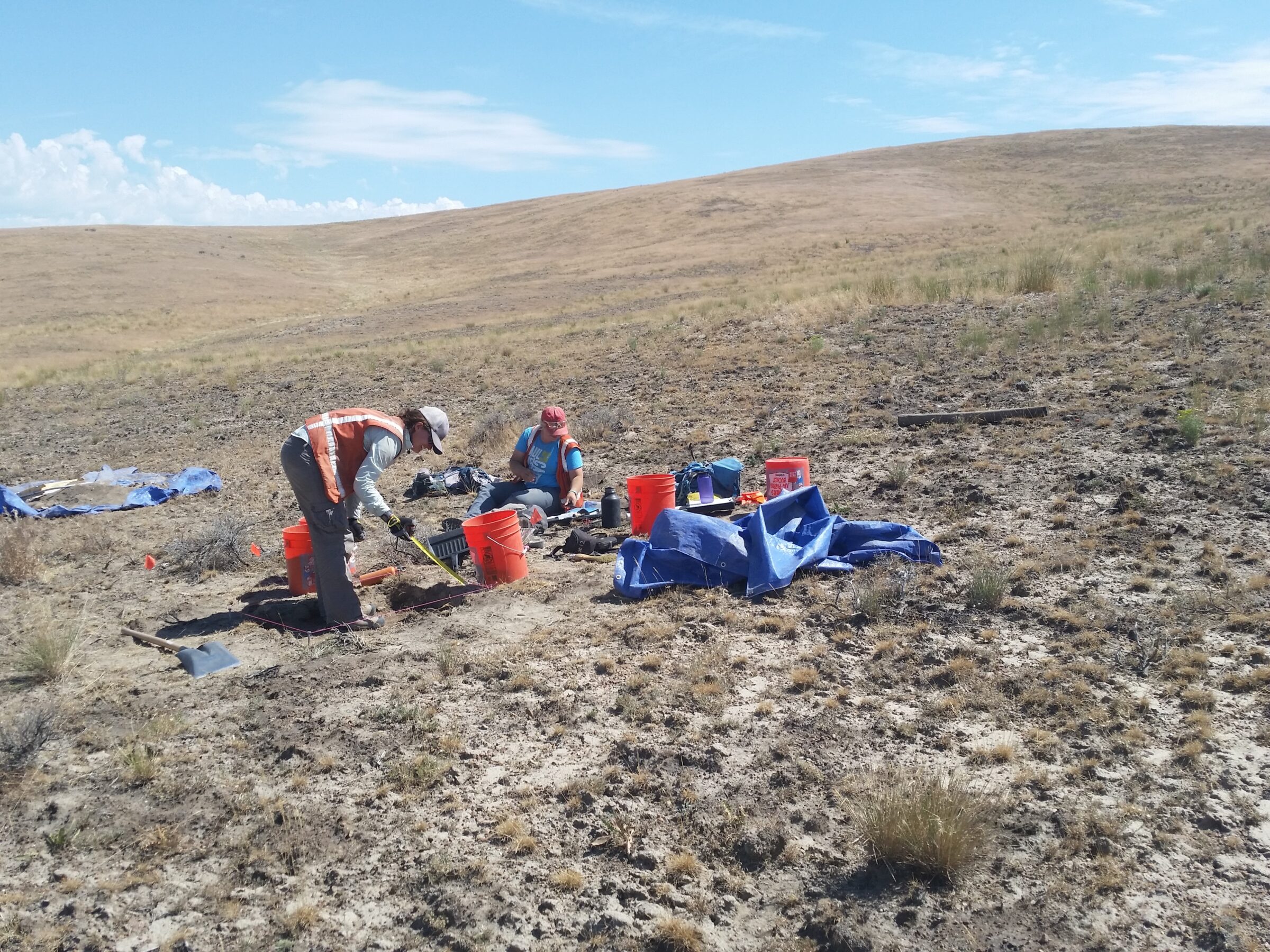
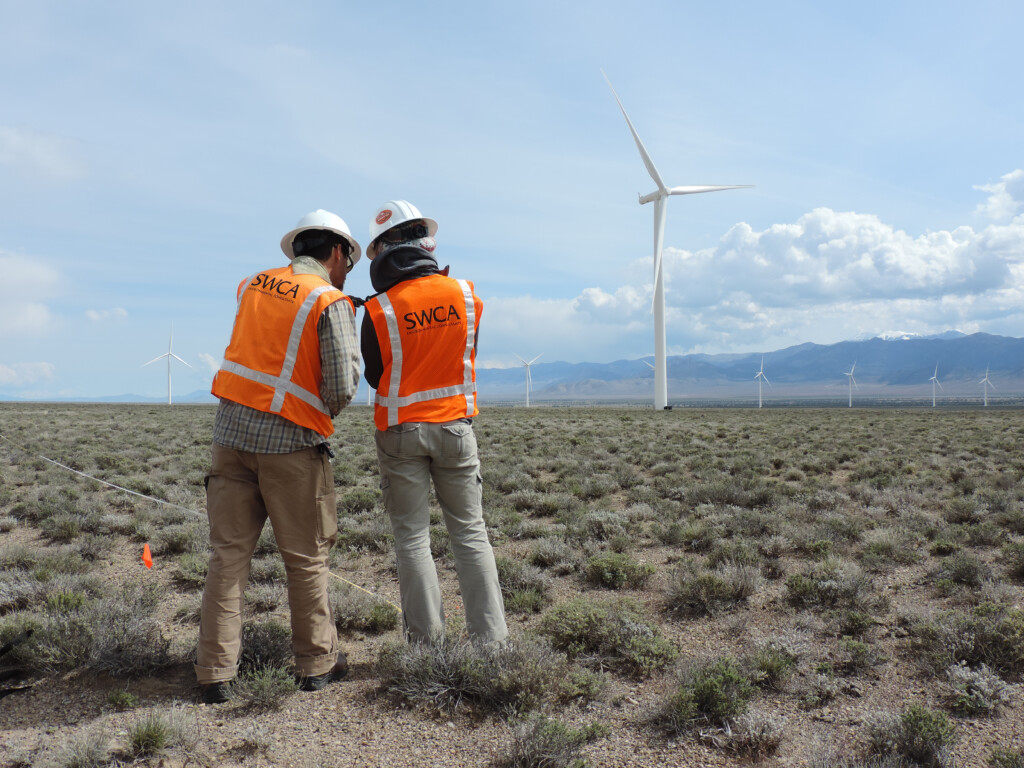
As demand for lithium grows, Silver Peak is taking steps to add two ponds and other infrastructure to its evaporation pond system. In support of this project, SWCA Environmental Consultants offered a variety of services. Early in the process, SWCA worked closely with the mine’s owner, Albermarle, to develop a mine plan. This became the basis for the NEPA compliance process, including the preparation of the initial and final draft of the Environmental Impact Statement (EIS) and the public comment review/response period – both of which, SWCA conducted. Along the way, SWCA also conducted the requisite natural resources studies (surface water, botany, wildlife, and vegetation surveys) and cultural resources surveys. The team also coordinated with federal and state agencies to keep the project on track. Recently, the team helped the project successfully complete the FAST-41 permitting process, which was expanded in 2025 to include critical minerals projects.
Part of the 2015 Fixing America’s Surface Transportation Act (FAST Act), the FAST-41 process seeks to improve speed, predictability, and transparency in the federal environmental review and land-use permitting process for large infrastructure projects. Initially developed for transportation infrastructure, FAST-41 was expanded by a March 2025 executive order to cover critical minerals, like lithium, uranium, copper, potash, gold and other elements needed for renewable energy, defense and artificial intelligence technologies.
Increasingly viewed as a matter of economic and national security, the effort to bring permitting reform to critical mineral operations aims to grow the domestic supply chain.
This is good news for mining firms, but will this reform really increase projects’ speed-to-market?
We turned to SWCA Environmental Consultants’ Mining Director, Andrew Harley, and Planning Director, Donna Morey, for answers.
Donna has worked for more than a decade on large mining environmental impact statements involving multiple federal agencies and addressing NEPA, Clean Water Act, Endangered Species Act, realty actions, and state environmental regulations.

Andrew has more than 35 years of experience delivering environmental solutions to resource and industrial clientele. With a background in geochemistry, soil science, plant nutrition, and agronomy, Andrew integrates innovative solutions to reduce costs and improve efficiencies throughout the mine life cycle. Recent mining work includes geochemical evaluation and waste rock characterizations; supporting permit and license applications for proposed mining, ore processing and smelting operations; and supporting mining companies with water quality issues, including overburden characterization and land application of treated water. Andrew combines extensive field experience and academic research to evaluate new soil amendments and fertilizers aimed at improving reclamation of severely disturbed soils resulting from resource extraction.