
2026
Comparably’s Best Company Outlook
* Providing engineering services in these locations through SWCA Environmental Consulting & Engineering, Inc., an affiliate of SWCA.


From the experts we hire, to the clients we partner with, our greatest opportunity for success lies in our ability to bring the best team together for every project.
That’s why:

At SWCA, sustainability means balancing humanity’s social, economic, and environmental needs to provide a healthy planet for future generations.
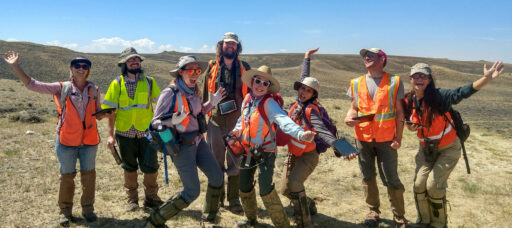
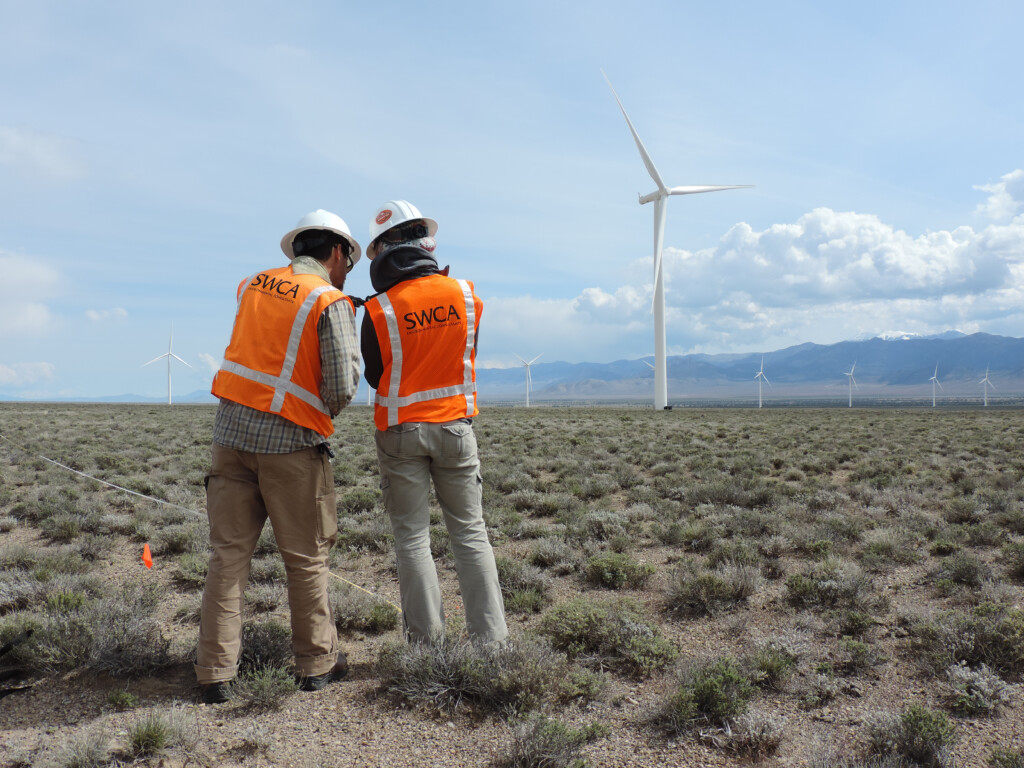
SWCA employs smart, talented, problem-solvers dedicated to our purpose of preserving natural and cultural resources for tomorrow while enabling projects that benefit people today.

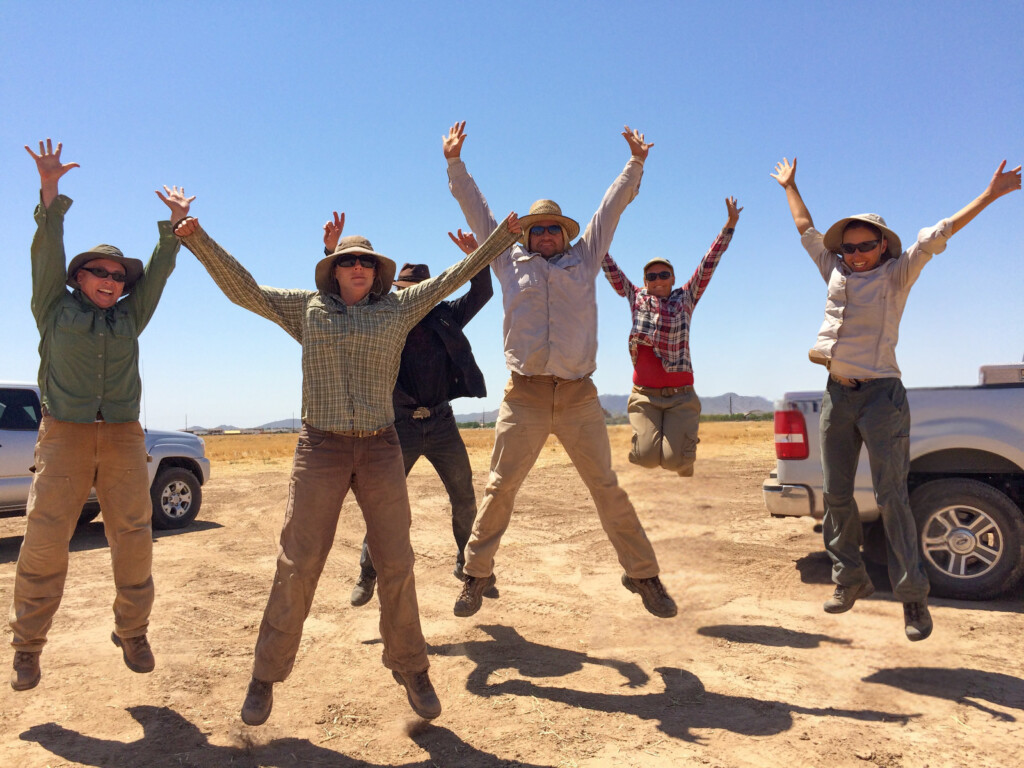
At SWCA, you’re not just an employee. You’re an owner. Everyone you work with has a stake in your success, so your hard work pays off – for the clients, for the company, and for your retirement goals.
Proposed Changes to Section 106: What Project Owners Need to Know
On July 24, 2026, ACHP voted 15 to 5, with 2 abstentions, to advance a proposed overhaul of the Section 106 regulations at 36 CFR Part 800. The rules have not changed yet.
Ross is a recognized expert in infrastructure permitting with over a decade of experience in project, program, and policy development across federal, state, tribal, and local governments. His work focuses on improving the efficiency and transparency of complex permitting processes while advancing environmental stewardship and meaningful public engagement. Ross helps clients navigate evolving regulatory landscapes by translating policy developments into practical permitting and project delivery strategies.
Scott is a Senior Technical Director who leads Cultural Resources Management, Regulatory Affairs, and Indigenous Government Relations across SWCA. He has developed his expertise and acumen since entering the field in 1990 and has provided leadership in these areas at SWCA since 2001.
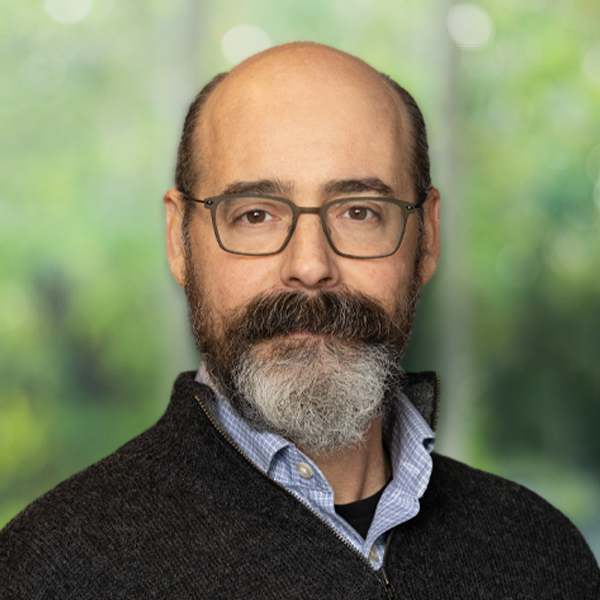


Section 106 is not going away. Federal agencies will still have to consider effects on historic properties before approving undertakings, and those properties will still need to be identified and evaluated. What may change is how the process runs: what qualifies as a federal undertaking, how effects are weighed, and how much consultation is required.
While ACHP’s proposal has moved forward procedurally, it remains a draft and is expected to face public comment and legal scrutiny. There is no basis to change your project strategy or consultation approach today. If your project is in consultation, continue under the current rules.
Section 106 of the National Historic Preservation Act (NHPA) of 1966 requires federal agencies to consider how their undertakings may affect historic properties that are listed on, or eligible for, the National Register of Historic Places, which now includes more than 1.4 million sites. The regulations at 36 CFR Part 800 have been in place since 2001 with only minor amendments.
Based on the draft under review, the revisions would:
ACHP circulated a draft revision of 36 CFR Part 800 to members on July 17, 2026, for an email vote that closed July 24. Members voted 15 yeas, 5 nays, and 2 abstentions to advance the draft as a formal Notice of Proposed Rulemaking (NPRM). Any final rule would follow a review of public comments and could differ from the current draft.
ACHP says the revisions will enhance clarity, provide regulatory certainty, and align the rules with current statutory and policy directives. The draft argues that the current process has produced uncertainties, delays, and regulatory burdens, and frames the changes to speed and simplify consultation.
The draft also includes transition provisions. Ongoing consultations would continue under the existing framework, and proponents could elect to use the revised procedures rather than move automatically to the new process. The specific terms would be set in the final rule.
Section 106 applies to any federal undertaking, including projects that require federal permits, federal funding, or federal land authorizations. That covers a large share of infrastructure, energy, transmission, natural gas, transportation, mining, and land development projects. Any significant change to how the review works affects project timelines, documentation requirements, consultation strategies, and litigation exposure.
Two changes could have a significant impact on scoping and review. If the APE is tightened, the geographic area within which historic properties must be identified and evaluated shrinks. If the range of undertakings is narrowed, some projects that require review today may no longer be subject to Section 106 review. Either change could reduce the scope of required analysis.
The removal of avoidance and minimization as a required consideration matters most for projects in places with significant cultural resources. Under the current framework, when an agency finds an adverse effect, Section 106 requires consultation with parties that include State Historic Preservation Officers (SHPOs) and Tribes to explore alternatives that could avoid or minimize it. The proposal would shift that requirement toward mitigation. Where avoidance is feasible, but mitigation is not an equivalent outcome, this changes how an adverse effect is resolved.
Changes to Tribal consultation are likely to draw the strongest response. Tribal consultation is a primary way that Tribes participate in federal decisions about properties of traditional cultural and religious significance. The reduction is expected to generate substantial comments from Tribal governments, Tribal Historic Preservation Officers (THPOs), and allied organizations, and to become a prominent litigation target after any final rule.
For planning purposes, three variables are worth watching: review scope, schedule certainty, and litigation risk. Review scope will affect how broad the survey area may be, and which resource types must be evaluated. Schedule certainty will depend on how much discretion agencies have over timelines. Litigation risk will depend on whether efforts to streamline the process withstand legal challenge. Until a final rule is issued, the current regulations remain in effect.
We have followed this rulemaking since the ACHP began discussing modifications to Section 106 in January, and advancing with the recent vote, which arose faster than most observers expected. We are evaluating the draft provisions and what they mean for current and future work.
Whatever happens with Section 106, cultural resources will continue to shape federal project decisions. If you have a project with a federal nexus, contact us to discuss what this proposal could mean for your scope and schedule. SWCA always remains available to assist with cultural resources consultation, federal or non-federal, in support of project planning and development, addressing historic preservation values and community relations, and derisking projects.