
2026
Comparably’s Best Company Outlook
* Providing engineering services in these locations through SWCA Environmental Consulting & Engineering, Inc., an affiliate of SWCA.


From the experts we hire, to the clients we partner with, our greatest opportunity for success lies in our ability to bring the best team together for every project.
That’s why:
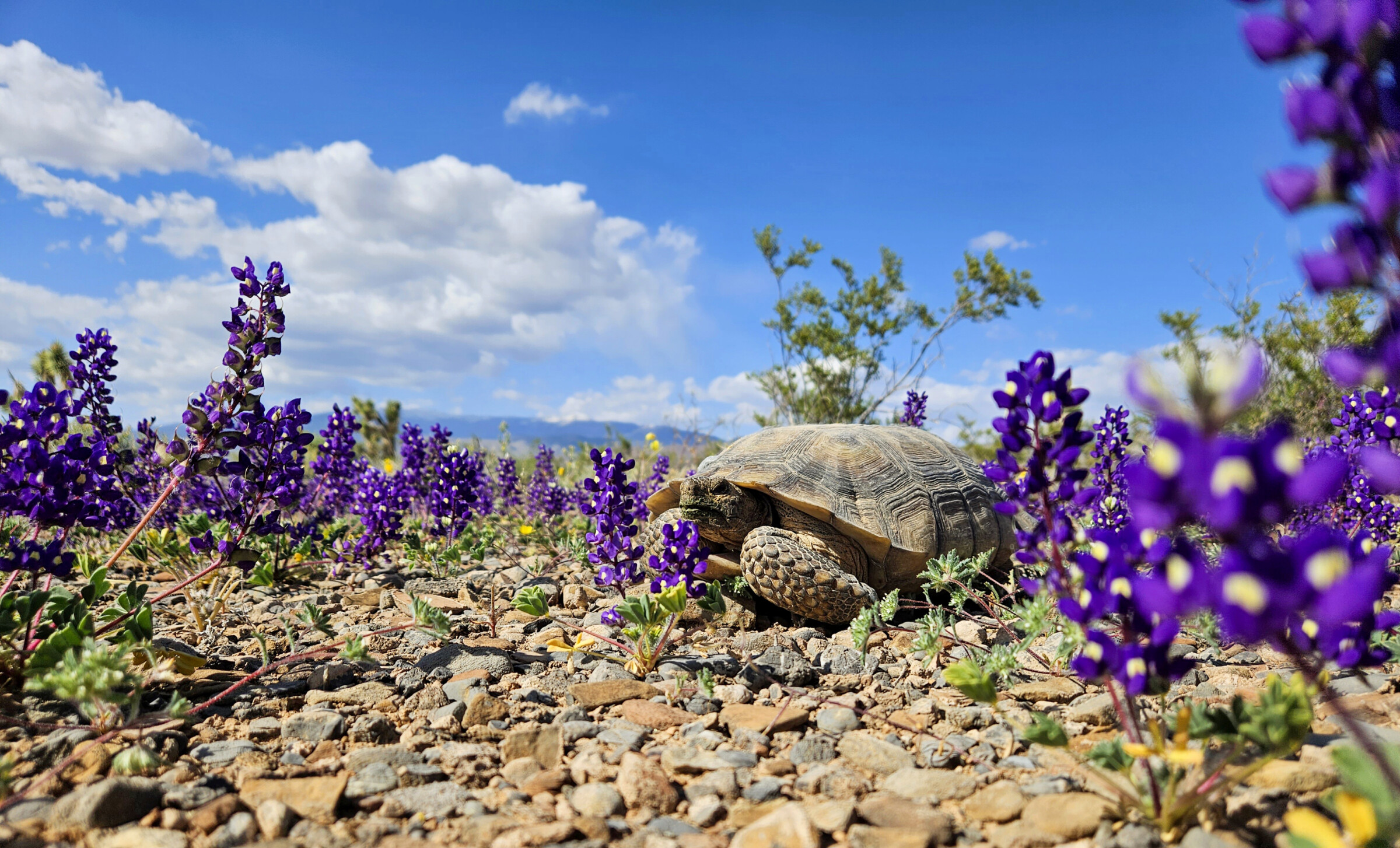
At SWCA, sustainability means balancing humanity’s social, economic, and environmental needs to provide a healthy planet for future generations.
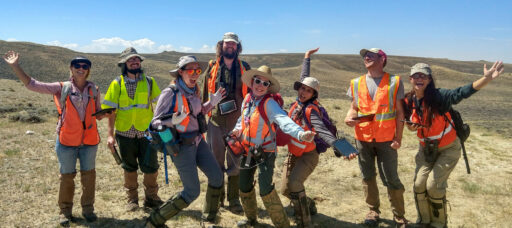
SWCA employs smart, talented, problem-solvers dedicated to our purpose of preserving natural and cultural resources for tomorrow while enabling projects that benefit people today.
At SWCA, you’re not just an employee. You’re an owner. Everyone you work with has a stake in your success, so your hard work pays off – for the clients, for the company, and for your retirement goals.
Partnership Fosters Resilience in Hawaiʻi: Wildfire Management Plans for Two Islands
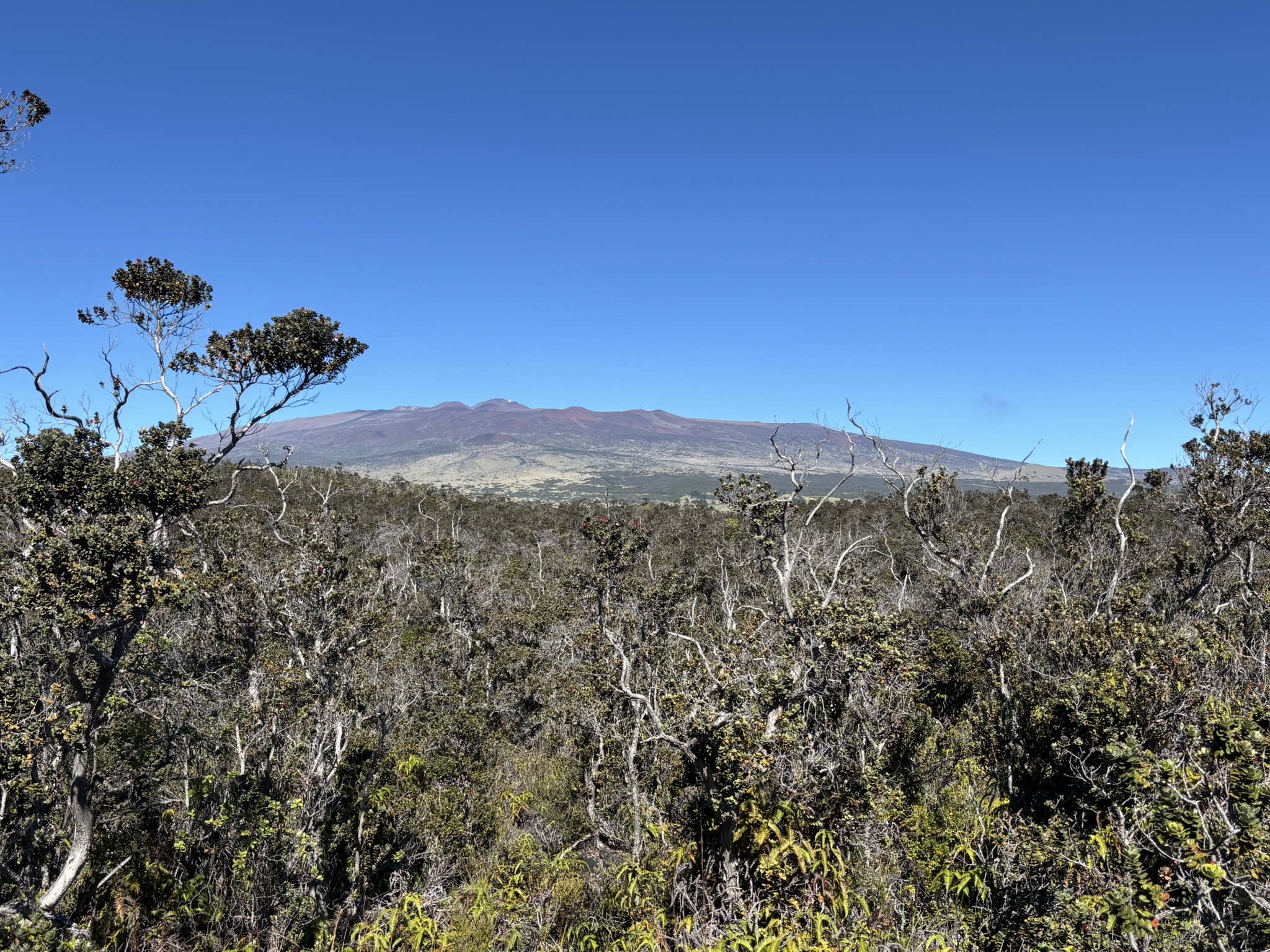
SWCA Environmental Consultants recently partnered with the University of Hawaiʻi at Mānoa to develop two Ecoregional Wildfire Management Plans for landscapes adjacent to U.S. Army Garrison properties on the islands of Hawaiʻi and Oʻahu.
Once relatively uncommon in Hawaiʻi, wildfire poses an increasing risk to the islands’ ecosystems, infrastructure, and communities. Fueled by invasive grasses and shrubs, and triggered by human sources of ignition, this threat extends to the USAG in Hawaiʻi, which views wildfire resilience as a matter of military readiness.
This prompted USAG to enlist the university’s help in systematically assessing wildfire risks and developing coordinated mitigation strategies near its properties. The university, in turn, sought assistance from SWCA.
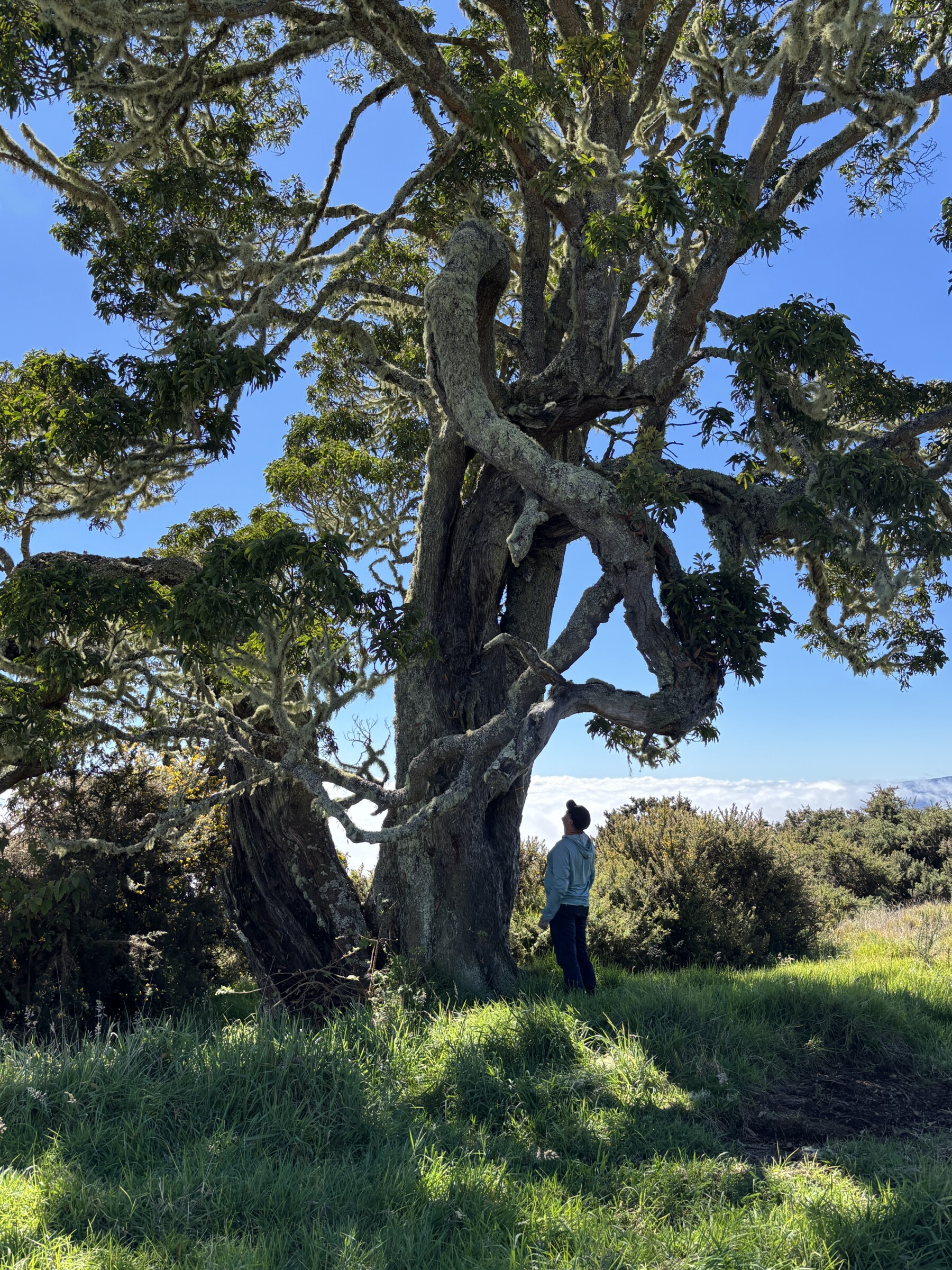
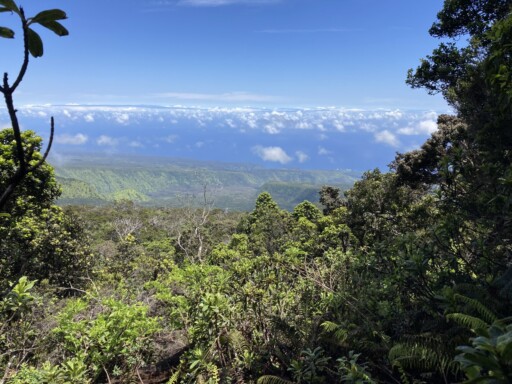
Ben Gager, associate project manager from SWCA’s Denver office, examines a large koa tree (Acacia koa) on the slopes of Mauna Kea. The project team met with the Mauna Kea Watershed Alliance to learn how the partnership is protecting native forests from wildfire.
“The University had started to develop the Wildfire Management Plans – and had carried out a lot of engagement work with land managers and stakeholders, as well as fieldwork across the islands, before getting to a point in the planning process where they were looking for technical assistance to help them over the finish line,” says Victoria Amato, principal fire planner at SWCA. Having worked with SWCA’s Honolulu office before, they reached out to learn about the firm’s wildfire services.
“From there, it was very organic,” Amato says. Informal discussions established the client’s needs and SWCA’s capacity to help. The university team continued to act as the principal author of the plan, but SWCA would provide technical assistance, drafting appendices that would help translate the plan’s goals and strategies into actionable projects.”
The project’s timeline was a key challenge. “Due to the growing wildfire risk and a fast-approaching funding deadline, the university wanted to get the project completed quickly, and we have a reputation for being able to hit the ground running,” says Amato. “In the end we wrapped the project up within six months.”
The quick turnaround came despite challenging weather. SWCA’s fieldwork coincided with the Kona Low, a seasonal weather phenomenon that took historic form in March 2026. The storm dumped 5-10 inches of rain statewide (some places registered 30 inches) while producing 60-75 mph winds and causing flooding, landslides and power outages. Oʻahu was especially hard hit.
“The weather was intense,” says Amato, “and we were out on the ground, doing exploratory work, meeting with landowners, and developing preliminary project ideas. We just had to make the most of our field time, because the budget and timeframe were tight and we knew we couldn’t reschedule it.”
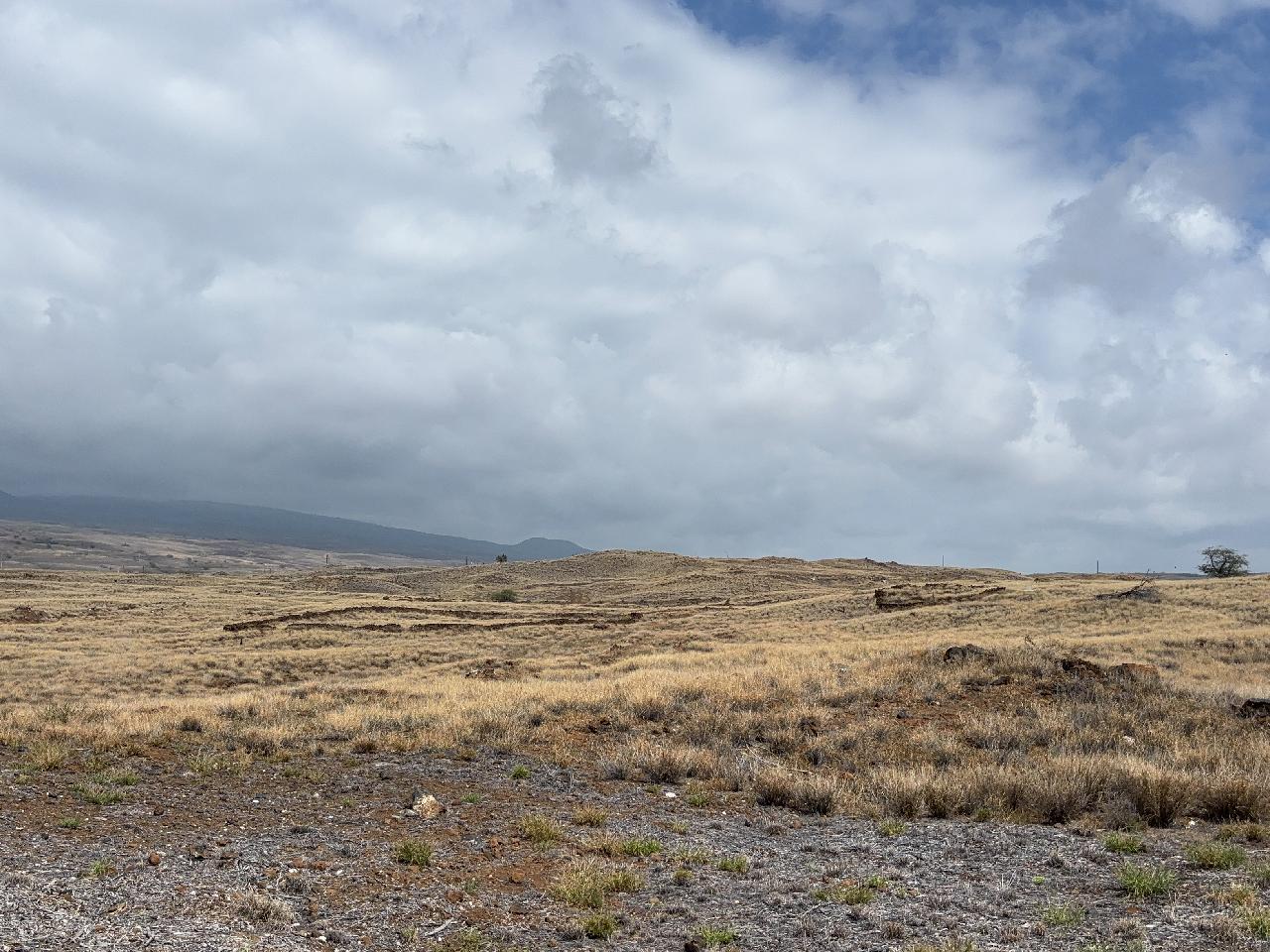
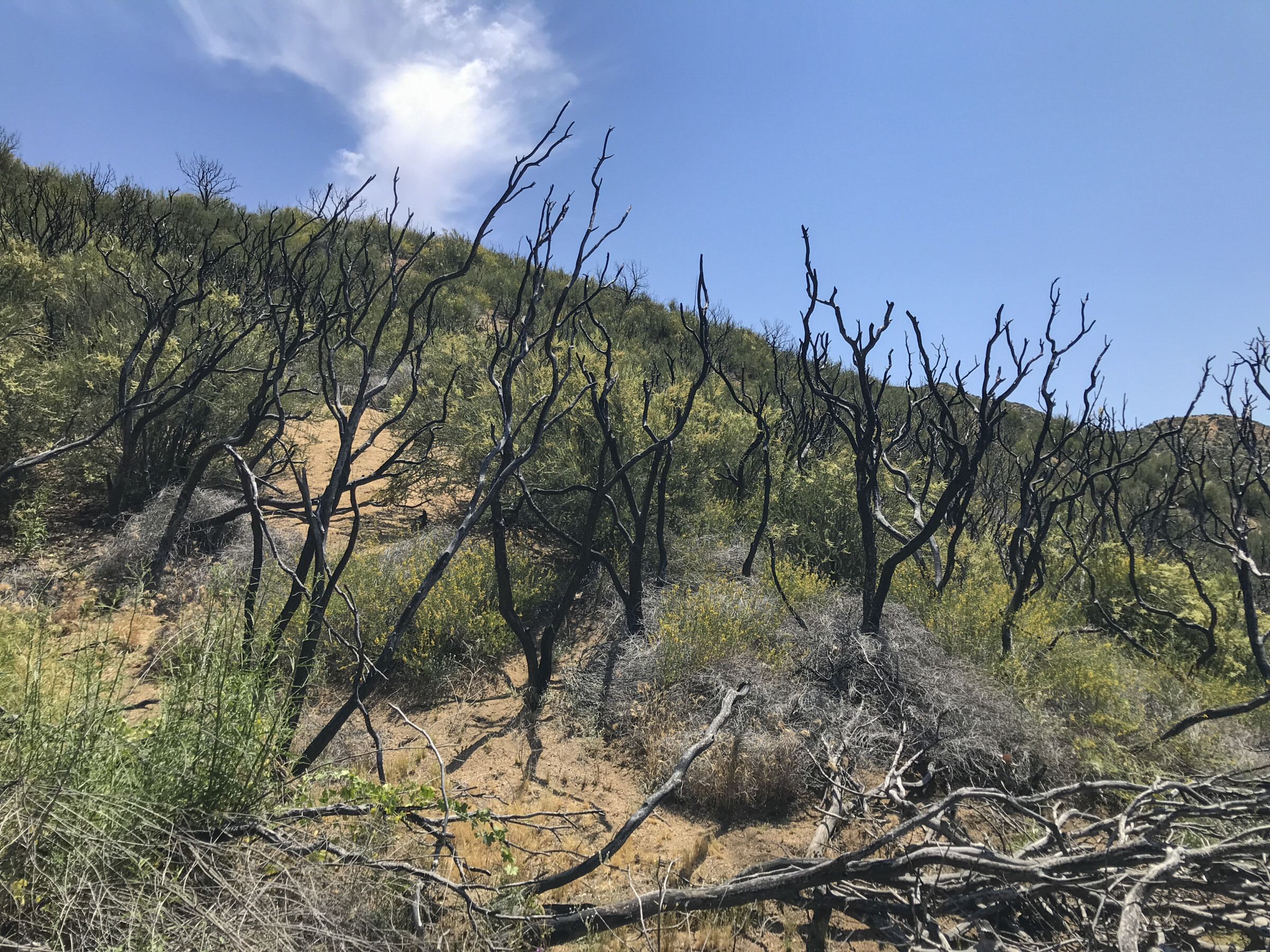
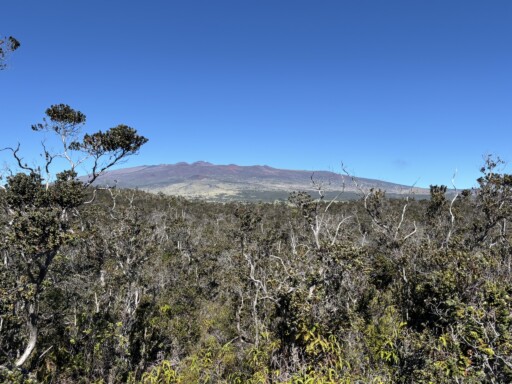
Fire-promoting grasses, such as fountain grass (Cenchrus setaceus) and buffelgrass (Cenchrus ciliaris), stretch to the horizon on the Kona side of Hawaiʻi Island. These nonnative grasses burn readily and regrow quickly after fire.
The Client/Consultant relationship was unusually close for these Wildfire Management Plans, Amato points out. While the university team focused on the main body of the plan and SWCA’s primary responsibility was the technical appendices, there was a lot of crossover.
SWCA’s technical experts regularly reviewed the university’s plans and provided feedback on how to improve them, and the university team did the same for SWCA’s appendices.
“There were many iterations of the drafts and a lot of back-and-forth,” Amato says, “that was the challenging part of the project – figuring out how to make sure that the whole was consistent and written in one voice, despite multiple teams being involved.”
A dispersed team that worked across multiple time zones, between Denver and Honolulu made close collaboration even more challenging, Amato notes. But she credits SWCA’s Honolulu office for effectively coordinating with the client and other interested parties.
It was a fruitful collaboration. “These plans will guide wildfire mitigation efforts for the next decade or more,” says Richard Pender, senior natural resources team lead for Hawaiʻi and the Pacific Islands. “The two teams worked well together and learned a great deal along the way. We look forward to supporting UH again.”
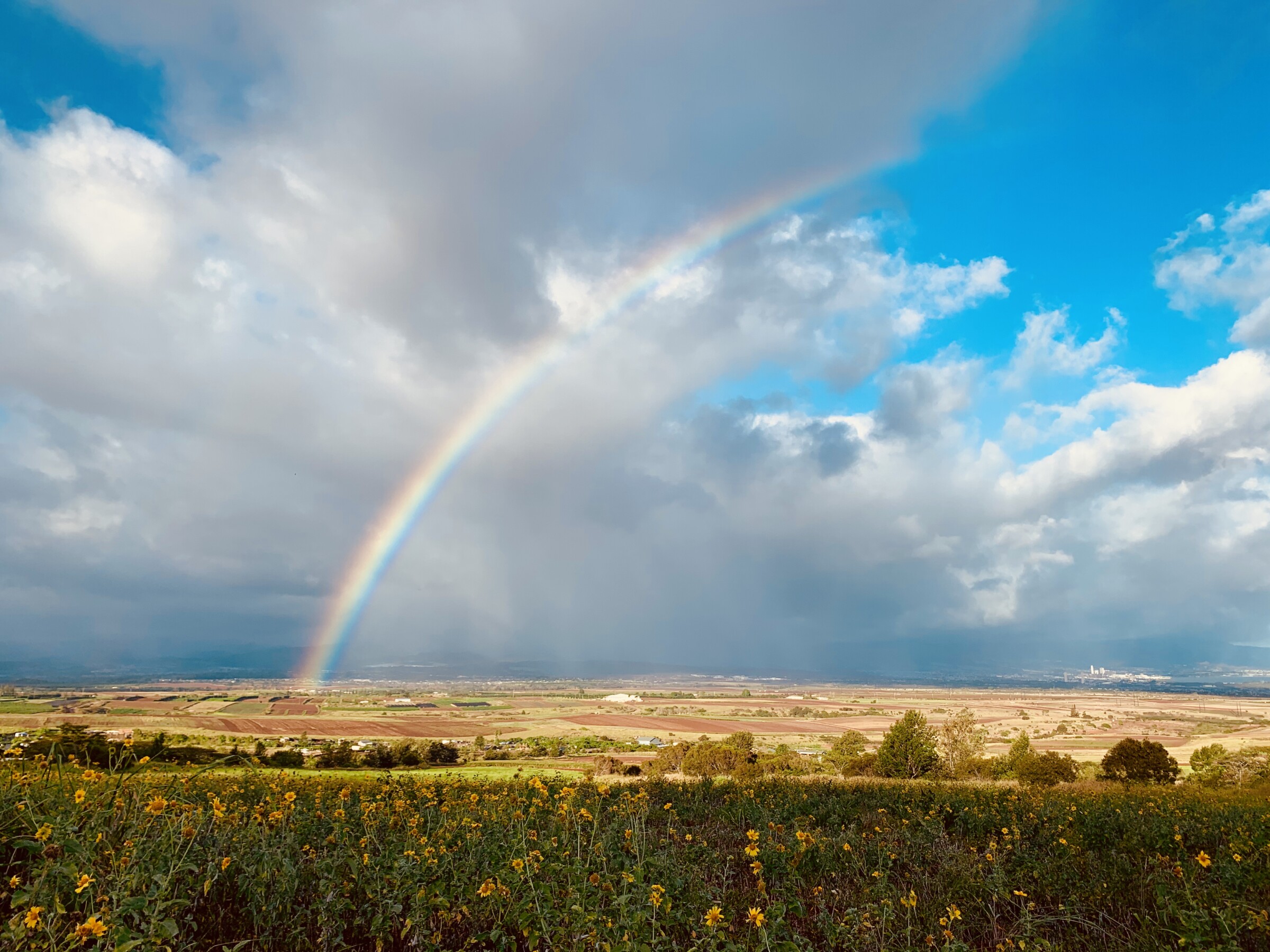
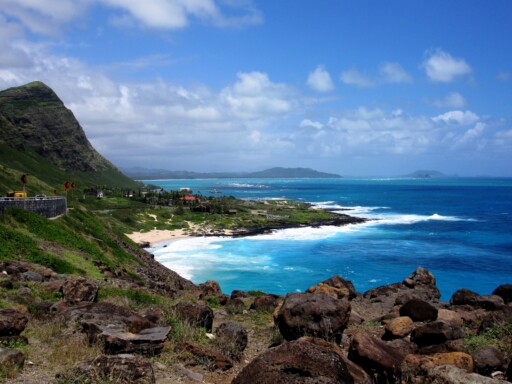
A rainbow arcs over the central plain of Oʻahu, between the Waiʻanae and Koʻolau mountain ranges. The plain, where Army lands border farms and neighborhoods, was one of the focus areas for the Oʻahu plan.
Driven by invasive grasses and shrubs (and human sources of ignition), the increasing scale of wildfires in Hawaiʻi in recent decades is a newer phenomenon. While community planning for wildfire has been prevalent for a number of years, wildfire mitigation planning and suppression efforts at the landscape scale remain relatively new to the state.
How do wildfire mitigation specialists assess and plan for wildfire risks in a new environment?
It is important that wildfire planning and practices adapt.
“A lot of wildfire planning is shaped by experience in the western U.S.,” says Sam Lashley, SWCA wildfire mitigation specialist. “But Hawai‘i has a very different fire environment, so mitigation strategies need to be adapted. Invasive grasses and high winds can drive fast-moving fires across relatively small islands, and because those grasses grow back so quickly, annual vegetation treatment alone isn’t enough. Our approach focused on identifying potential control lines and operational boundaries that can support firefighting operations and help guide strategic fuel break and water resource planning.”
Beyond the environmental differences, the team also emphasizes the importance of accounting for different cultural and historical experiences with fire.
“Many of us are used to working in environments on the mainland that are fire-adapted (meaning they need fire),” says Amato. “Those environments are not very common in Hawaiʻi. So, certain practices, like prescribed fire, are alien to many people.”
Wildland fire crews also have different experiences, training opportunities, and different levels of familiarity with practices that might be more common elsewhere, Amato notes. So, offering effective guidance requires understanding that larger context.
“On the Fire Team,” Amato says, “we are used to working with highly experienced, decisive leaders—fire chiefs, for instance—who expect us to demonstrate our expertise right away. That’s how you establish credibility in that context.”
“In Hawai‘i, we wanted to be thoughtful about how we approached the work. We knew we had a lot to learn from the experience and knowledge of local people, so it was important for us to listen first, build relationships, and understand the local context.”
“After almost a decade of working to find where SWCA’s fire services could help most in Hawaiʻi, it was rewarding to finally see that work come together,” adds Danielle Frohlich, lead ecologist on the project. “Watching our Denver colleagues absorb the local context while sharing their extensive wildfire experience from other landscapes was a good reminder of why we need both local knowledge to get the approach right and outside experience to know what has worked in other places.”
See Beyond Policy Change to What Matters for Your Project
Regulatory Radar is a subscription intelligence service that scans the policy horizon for changes that could affect planning, permitting, schedules, and risk, then turns those signals into clear takeaways and practical next steps.