
2026
Comparably’s Best Company Outlook
* Providing engineering services in these locations through SWCA Environmental Consulting & Engineering, Inc., an affiliate of SWCA.


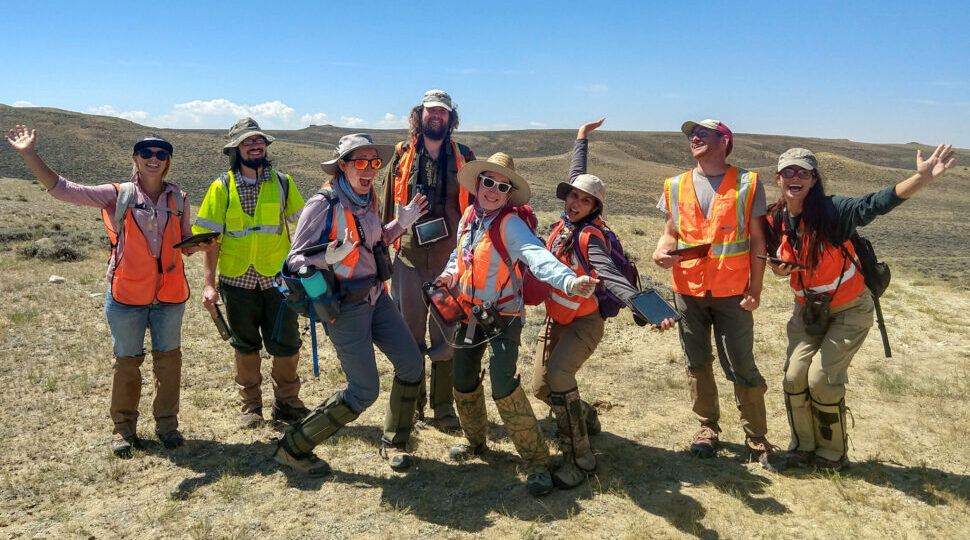
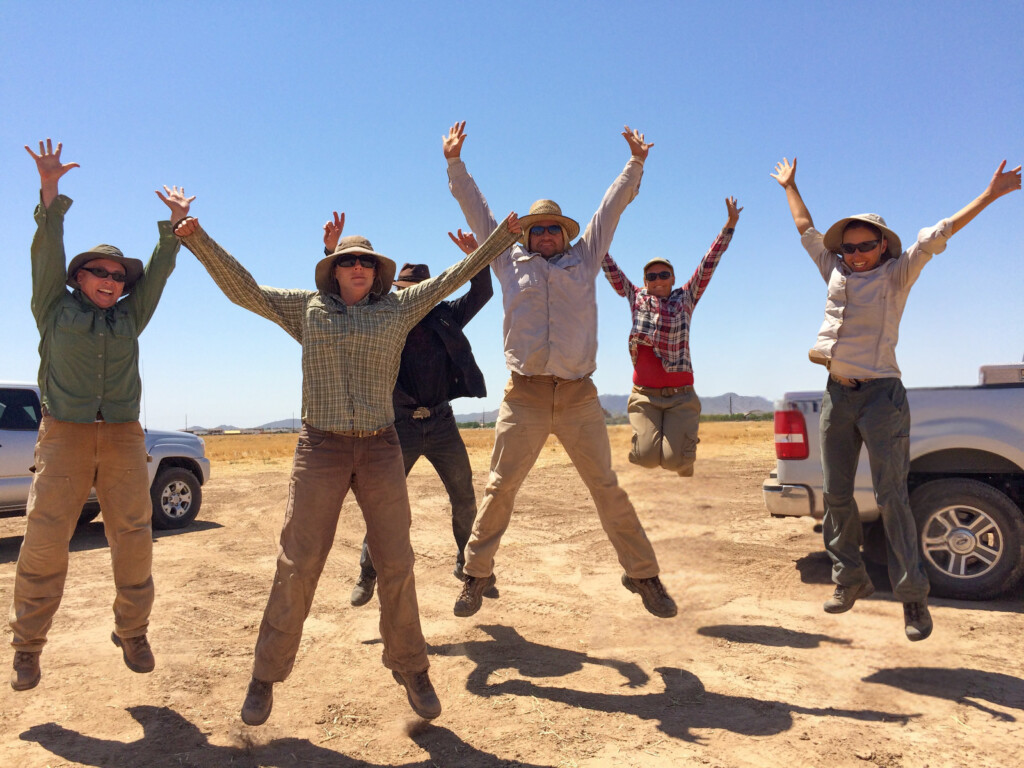
From the experts we hire, to the clients we partner with, our greatest opportunity for success lies in our ability to bring the best team together for every project.
That’s why:

At SWCA, sustainability means balancing humanity’s social, economic, and environmental needs to provide a healthy planet for future generations.
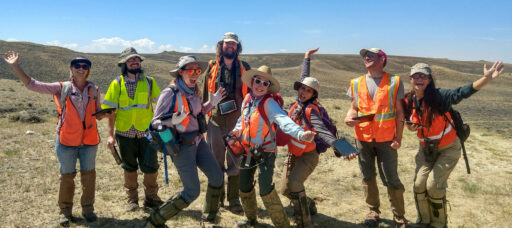
SWCA employs smart, talented, problem-solvers dedicated to our purpose of preserving natural and cultural resources for tomorrow while enabling projects that benefit people today.

At SWCA, you’re not just an employee. You’re an owner. Everyone you work with has a stake in your success, so your hard work pays off – for the clients, for the company, and for your retirement goals.
USFWS Issues New Guidance on ESA "Take" Following Final Harm Rule
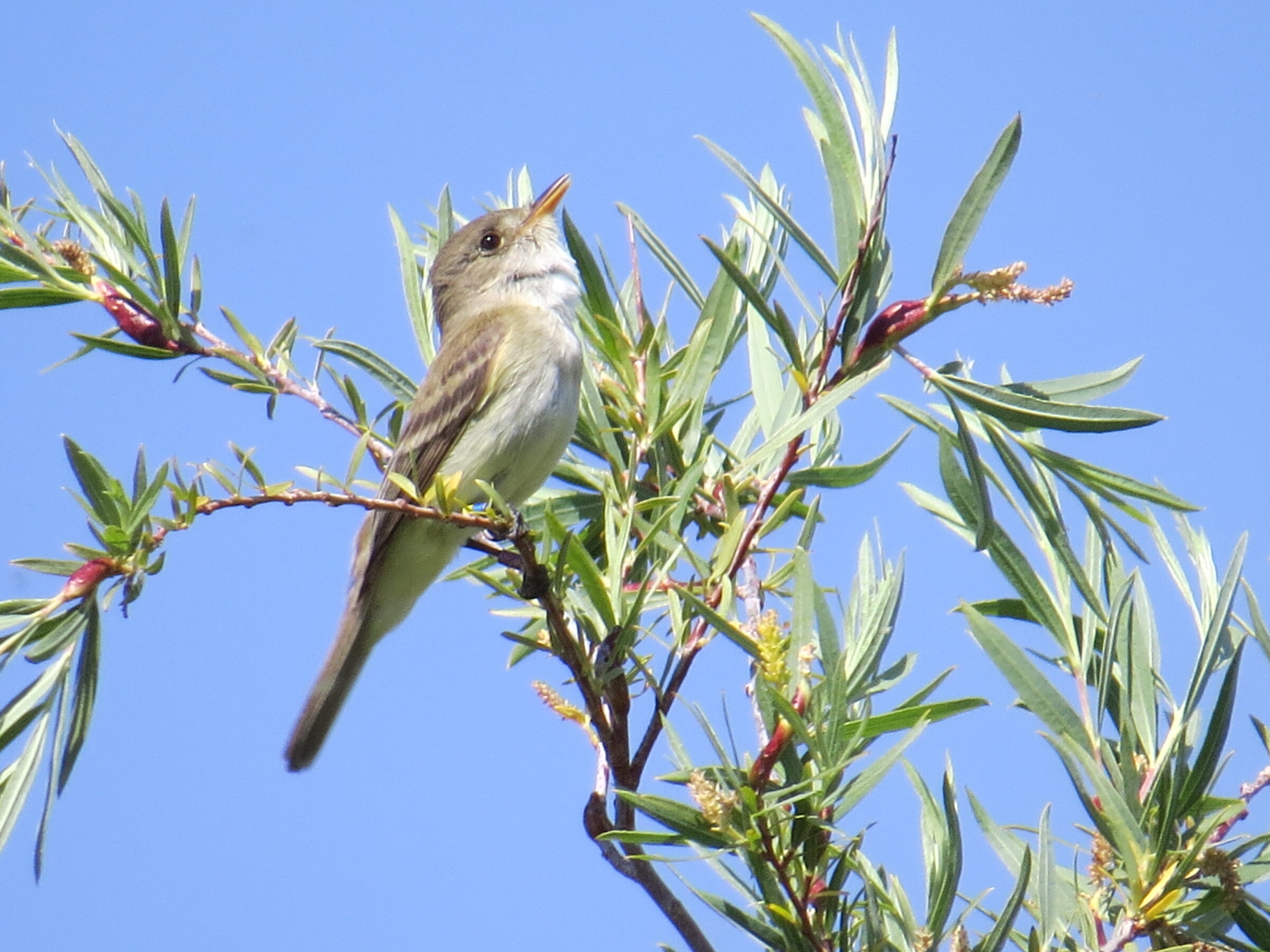
Following the final rule rescinding the regulatory definition of harm under the Endangered Species Act, new U.S. Fish and Wildlife Service guidance indicates that the USFWS will interpret take as applying only to affirmative conduct intentionally directed toward particular animals. The memorandum asserts that habitat modification, by itself, does not constitute take.
Amanda Glen is SWCA’s senior natural resources technical director for biological services and provides strategic guidance on permitting and compliance for matters involving protected wildlife, plants, and habitats. Currently managing a national practice, she has more than 25 years of consulting experience with an emphasis on the Endangered Species Act (ESA) and how compliance with the ESA influences other regulatory programs. Her wealth of experience pertaining to endangered species issues includes research, permitting, consultations, status reviews, and conservation planning. Her experience includes negotiating compliance solutions for critically imperiled species facing potential determinations of jeopardy or adverse modification of designated critical habitats. She has led efforts to delist species no longer requiring the protections of the ESA when supported by sound science, and has been involved in voluntary conservation planning to help preclude the need to list species. Amanda frequently presents at regional and national conferences on matters related to the ESA, including new listings, regulatory and policy changes, and trends in compliance strategies.

Ross is a recognized expert in infrastructure permitting with over a decade of experience in project, program, and policy development across federal, state, tribal, and local governments. His work focuses on improving the efficiency and transparency of complex permitting processes while advancing environmental stewardship and meaningful public engagement. Ross helps clients navigate evolving regulatory landscapes by translating policy developments into practical permitting and project delivery strategies.

Stephanie brings more than 20 years of experience in natural resource management across the private, nonprofit, and federal sectors, including work at the USFWS and BLM. Her expertise includes fire ecology and ecosystem health, mitigation, post-fire restoration, wildfire communications, and formal facilitation. Her interdisciplinary approach engages agencies, tribal entities, and communities in the development of effective wildfire collaboratives, and she is a known expert in supporting communities pre-, during, and post-fires.




On September 14, 2026, the final rule rescinding the regulatory definition of “harm” under the Endangered Species Act (ESA), issued by the U.S. Fish and Wildlife Service (USFWS) and National Marine Fisheries Service (collectively, the Services), became effective. The rule removed the longstanding regulatory definition of harm but did not amend the ESA’s statutory definition of take.
That same day, USFWS Director Brian Nesvik issued a memorandum stating that the USFWS will interpret take as applying only to affirmative conduct intentionally directed toward particular animals. The memorandum asserts that habitat modification, by itself, does not constitute take unless undertaken with the intent of acting on an animal and for the purpose of affecting the animal. While the memorandum is specific to the USFWS, the language mirrors the rationale presented in the joint-agency final rule.
The new interpretation of take suggests that the Services will not issue incidental take statements or permits for most activities, even when those activities have foreseeable, even significant, adverse effects on ESA-listed species. Existing Service regulation and policy establishes that the agencies should not issue such exemptions when take is not reasonably certain to occur.
This is a significant agency policy position, but it is not settled law. Multiple legal challenges to the final rule are pending. Following the Supreme Court’s decision in Loper Bright, courts are no longer required to defer to an agency’s interpretation of an ambiguous statute. The Services’ interpretation of take will therefore likely be evaluated by the courts, which may agree with, modify, or reject the agencies’ position as litigation proceeds.
Core ESA requirements remain unchanged by this policy action. Section 7 consultation requirements, jeopardy analyses, adverse modification analyses, and existing permits and biological opinions remain in effect. Other federal and state laws may also continue to require species conservation separate from the ESA.
For project proponents, the immediate takeaway is that the Services have adopted a significantly narrower interpretation of take, but the legal durability of that position remains uncertain. Project proponents should continue evaluating effects to listed species and critical habitats while monitoring future agency guidance, agency actions on similar projects, and court decisions.
SWCA is actively monitoring implementation of the final rule, related litigation, and emerging guidance to help clients understand potential project-specific implications. Please reach out to your SWCA Project Manager or one of SWCA’s regulatory and policy advisors for support in evaluating how this policy change may affect your project.
See Beyond Policy Change to What Matters for Your Project
Regulatory Radar is a subscription intelligence service that scans the policy horizon for changes that could affect planning, permitting, schedules, and risk, then turns those signals into clear takeaways and practical next steps.