

2026
Comparably’s Best Company Outlook
* Providing engineering services in these locations through SWCA Environmental Consulting & Engineering, Inc., an affiliate of SWCA.


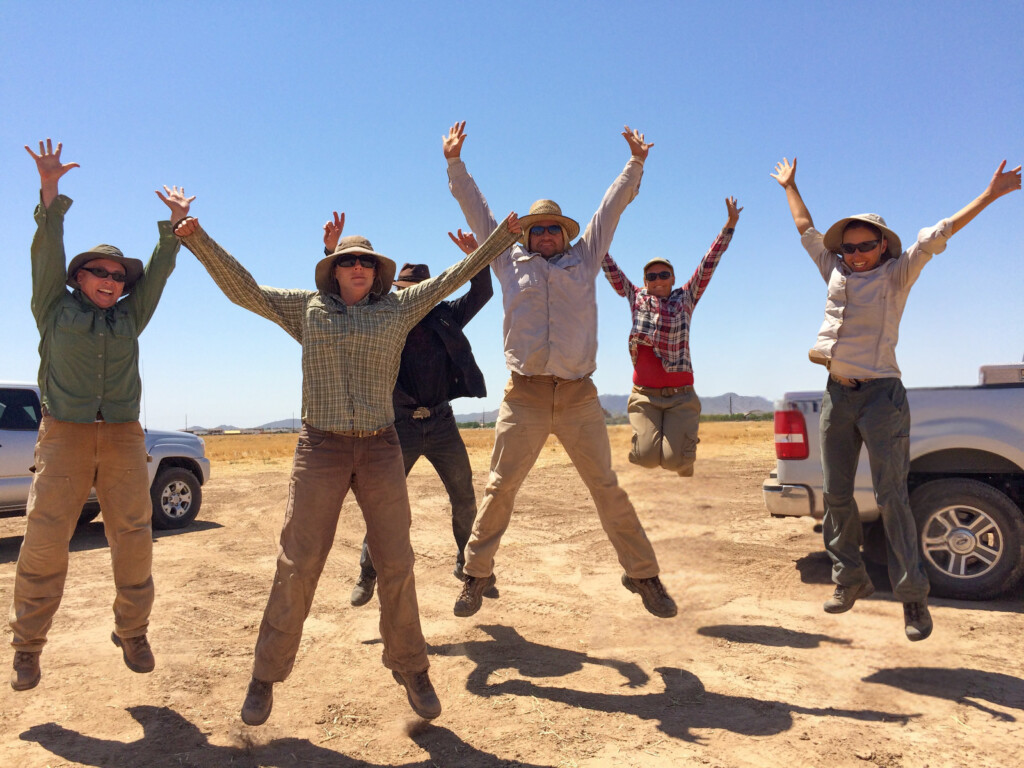
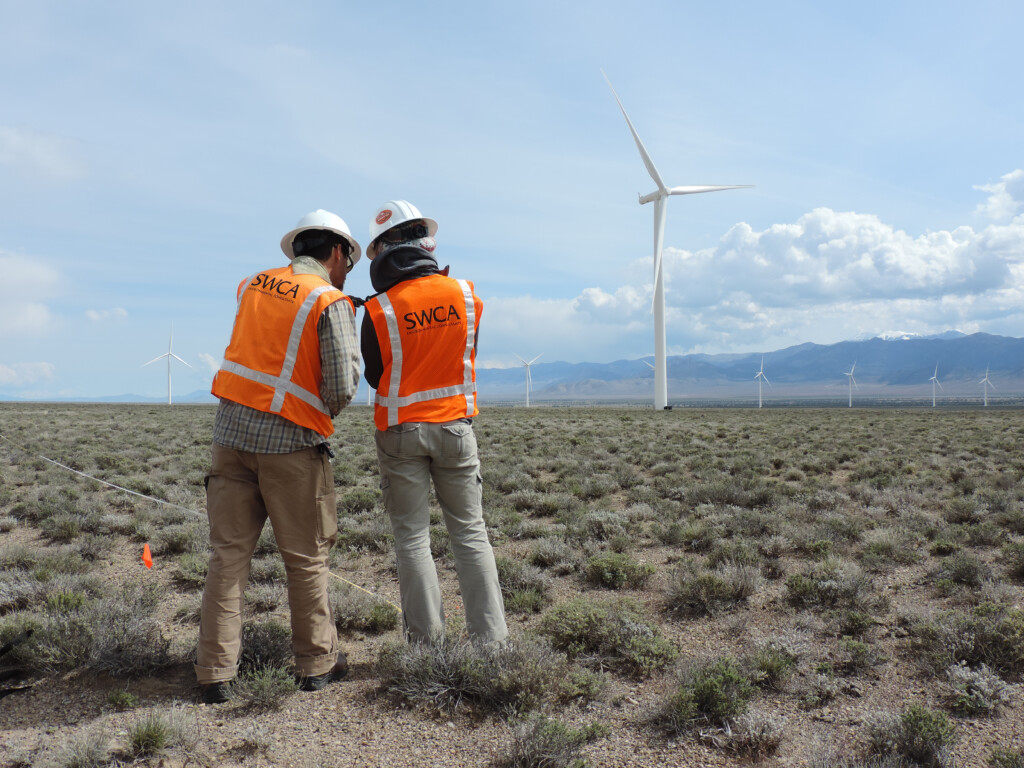
From the experts we hire, to the clients we partner with, our greatest opportunity for success lies in our ability to bring the best team together for every project.
That’s why:
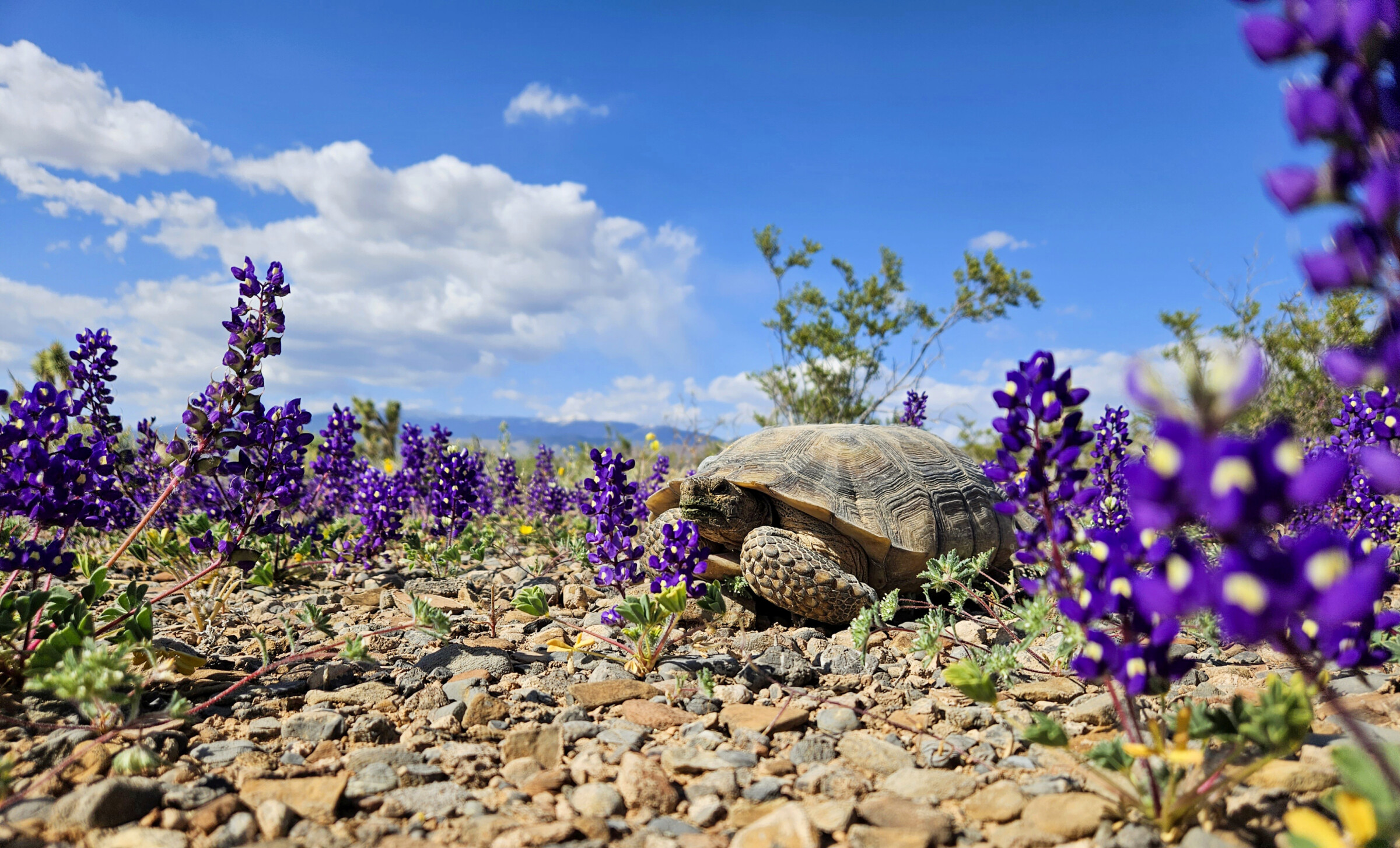
At SWCA, sustainability means balancing humanity’s social, economic, and environmental needs to provide a healthy planet for future generations.
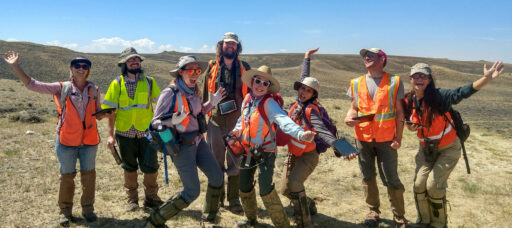
SWCA employs smart, talented, problem-solvers dedicated to our purpose of preserving natural and cultural resources for tomorrow while enabling projects that benefit people today.
At SWCA, you’re not just an employee. You’re an owner. Everyone you work with has a stake in your success, so your hard work pays off – for the clients, for the company, and for your retirement goals.
Safeguarding the City of Boulder: A Collaborative Approach to Wildfire Preparedness for a Resilient Future
Meghan has been a member of SWCA’s Marketing Team since 2023. As a marketing coordinator, she supports proposal development across the New Mexico-Four Corners sub region, partnering with project managers and technical staff to highlight SWCA’s people, projects, and services. Meghan enjoys the collaborative nature of proposal work and loves helping teams bring their stories to life through clear, engaging content.
In 2022, Meghan graduated from Christopher Newport University with a bachelor’s degree in Communication and a minor in Digital Humanities. Born and raised in Richmond, Virginia, she now lives in Washington, D.C., where she enjoys discovering the city’s rich history and exploring its many museums.

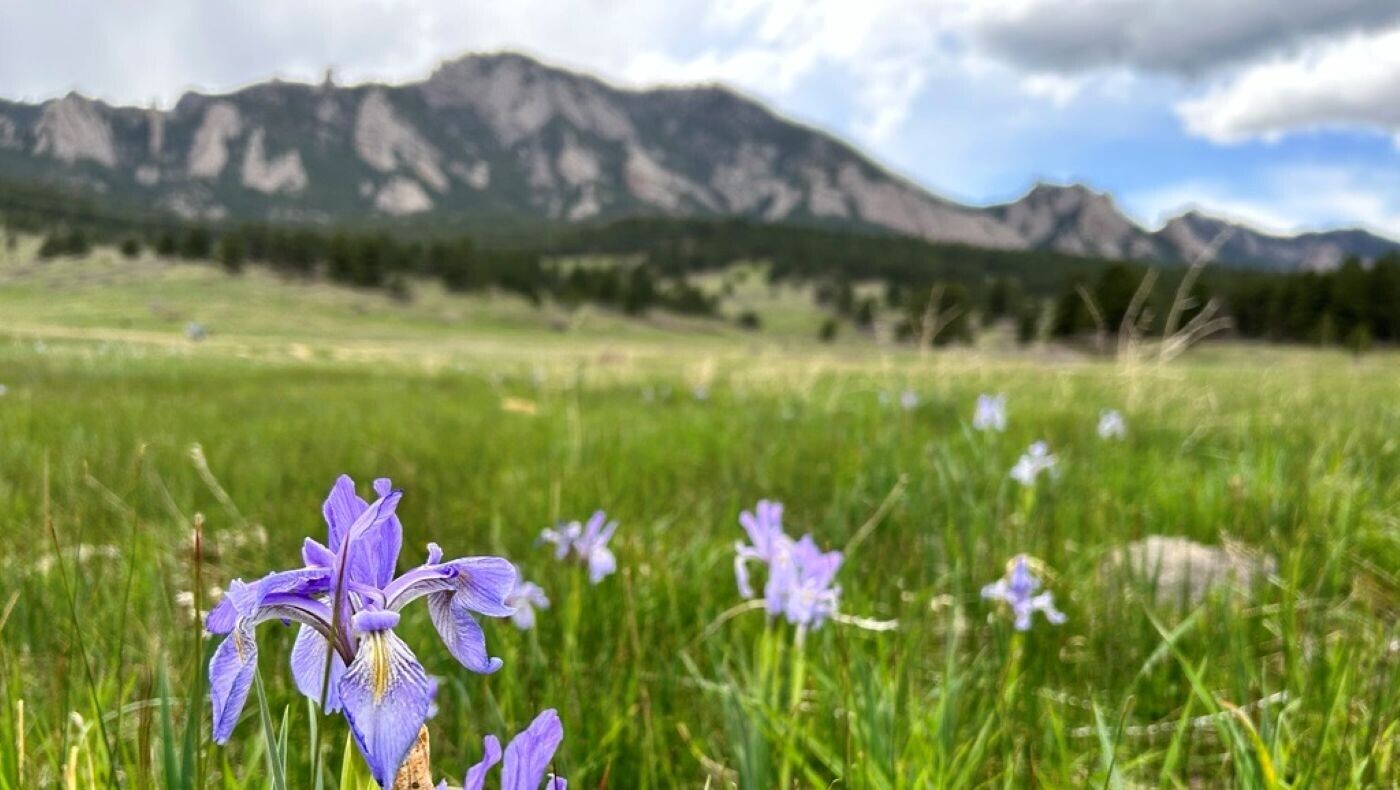
As wildfires in Boulder, Colorado, become more frequent and severe, the City recognized the urgent need for a community-driven plan that would reduce risk and improve preparedness. Located in the foothills of the Rocky Mountains, Boulder is home to more than 100,000 residents, a major research university, and a community deeply connected to the outdoors. Residents take an active interest in local land management and wildfire resilience, making public participation a key part of the planning process.
To help meet this challenge, the City of Boulder chose SWCA Environmental Consultants to update its Community Wildfire Protection Plan (CWPP). SWCA’s team worked closely with local agencies and residents to create practical, forward-looking solutions tailored to Boulder’s landscape, values, and wildfire risk.
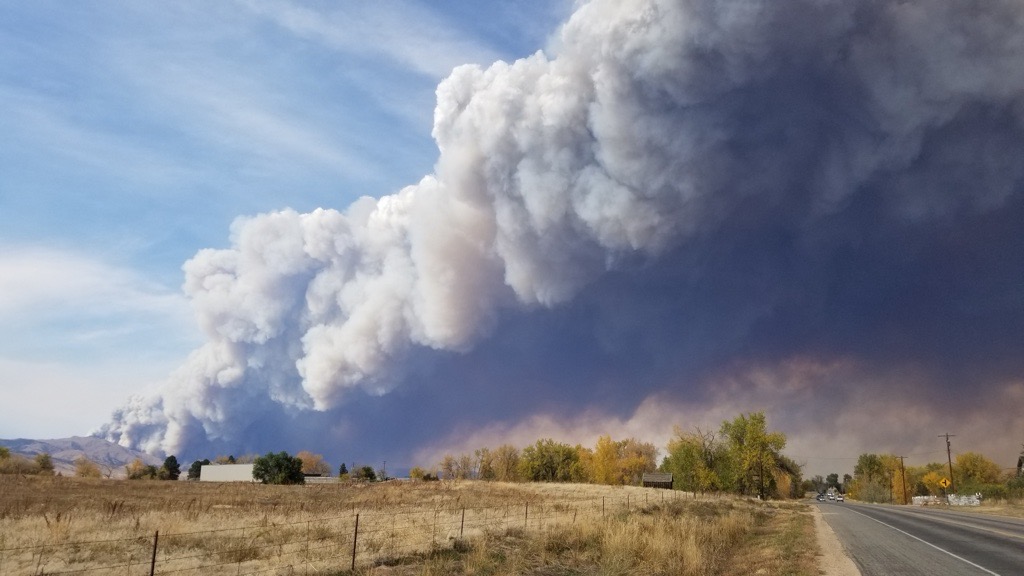
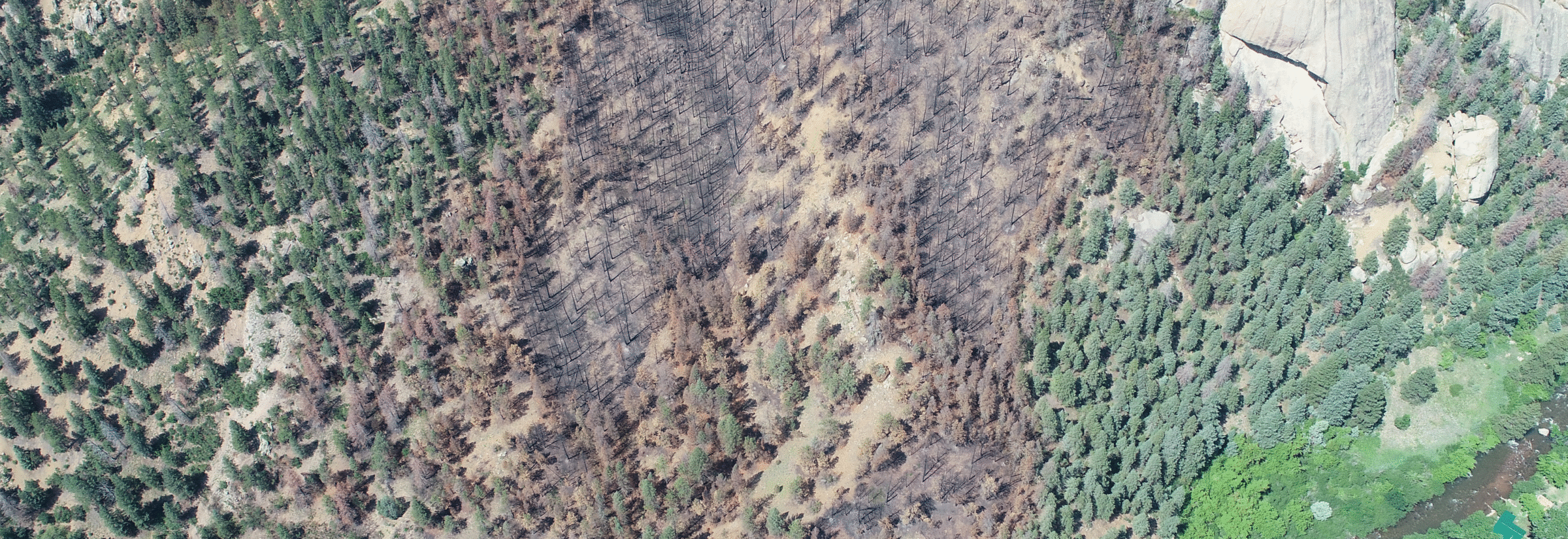
Active wildfire burning on the front range in Colorado.
In 2023, the City of Boulder launched an effort to update its CWPP, aiming to better protect people, property, critical infrastructure, and natural resources across the region. SWCA collaborated with city departments, fire and emergency responders, and regional partners to assess wildfire risks and develop mitigation strategies grounded in both data and community insight.
The updated wildfire preparedness plan focuses on high-risk areas, especially those within the wildland-urban interface (WUI)—the zone where human development intermingles with undeveloped wildland vegetation, making it particularly vulnerable to wildfire. Public involvement played a central role throughout the process, with community input gathered through open houses and public comment periods. SWCA released a draft of the updated CWPP in March 2024 and completed final revisions by June of the same year.
“The City of Boulder is a community that cares deeply and works hard to plan for wildfire risk,” says SWCA’s Lead Project Manager – Disaster & Resilience, Arianna Porter. “Our process is designed to create a locally tailored plan by engaging as many interested parties as possible – and the plan benefited from the expertise of local fire professionals; local, county, state, and federal partners; as well as academic partners who contributed to novel fire modelling approaches that put the City at the forefront of wildfire risk reduction.”
SWCA’s Wildfire Services Team addressed a wide range of challenges, including rising temperatures and increasingly dry conditions, shifting land use, and resource limitations. Years of drought and higher-than-average temperatures had made wildfire a more persistent threat, with the 2021 Marshall Fire serving as a stark reminder of the region’s vulnerability.
Sitting largely within the WUI, where homes mingle with forests, grasslands, or other fire-prone vegetation, the City of Boulder is vulnerable to high-intensity wildfire that spreads between buildings and vegetation, increasing potential losses. Many of its neighborhoods are built into the foothills or are surrounded by natural, open spaces, where wildfires can spread quickly and unpredictably. Factors such as dense vegetation, steep terrain, and limited access routes contribute to elevated risk. In response, the updated CWPP aligned with Colorado’s statewide goals and federal standards while also incorporating local input regarding structural ignitability and emergency response. The plan went beyond physical risk by outlining strategies to engage the community, address wildfire resources and staffing challenges, and support long-term wildfire resilience.
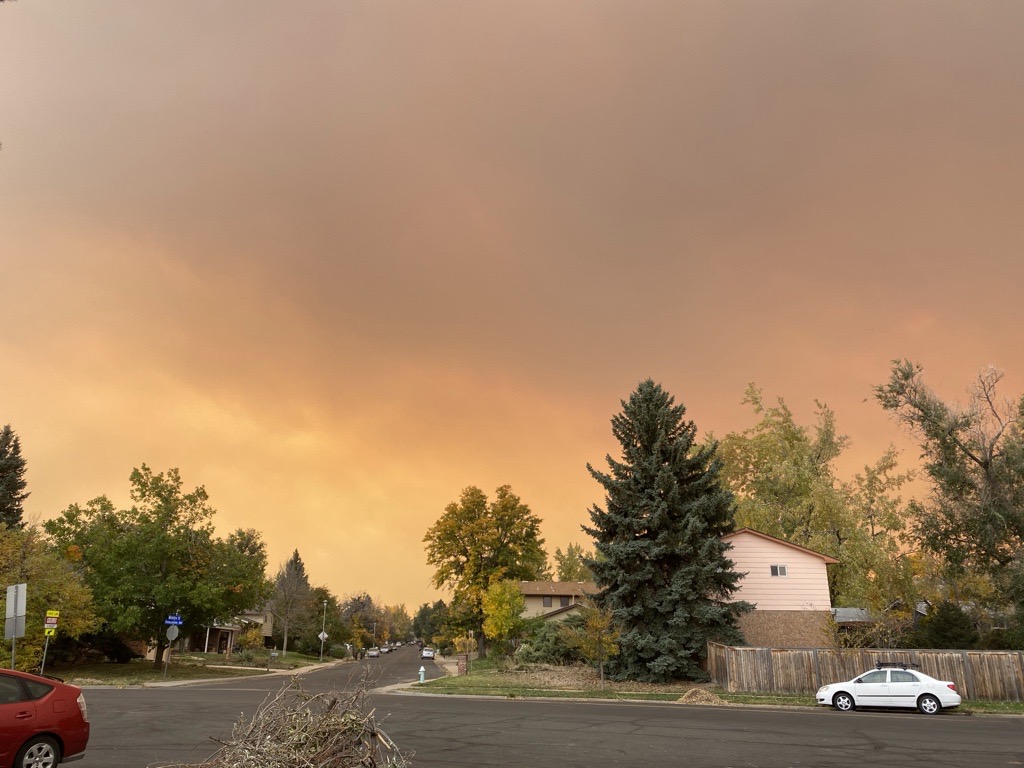
Wildfire smoke impacts visible in Boulder, Colorado from nearby Front Range wildfires.
SWCA brought together a team of wildfire specialists, planners, GIS analysts, and community engagement professionals to support the project. Using wildfire modeling tools, climate projections, and local fire data, the team identified high-risk areas and helped prioritize mitigation actions.
GIS experts created interactive maps to support emergency response planning and inform vegetation management strategies. Fire modeling allowed the team to understand how wildfire might behave in specific locations. Public workshops and outreach efforts helped ensure the plan reflected the concerns and priorities of those most affected.
Throughout the project, SWCA worked closely with the city staff and local fire departments to integrate on-the-ground knowledge and operational experience. The team also translated technical findings into clear, actionable recommendations that could be easily understood and implemented by interested parties from across the community.
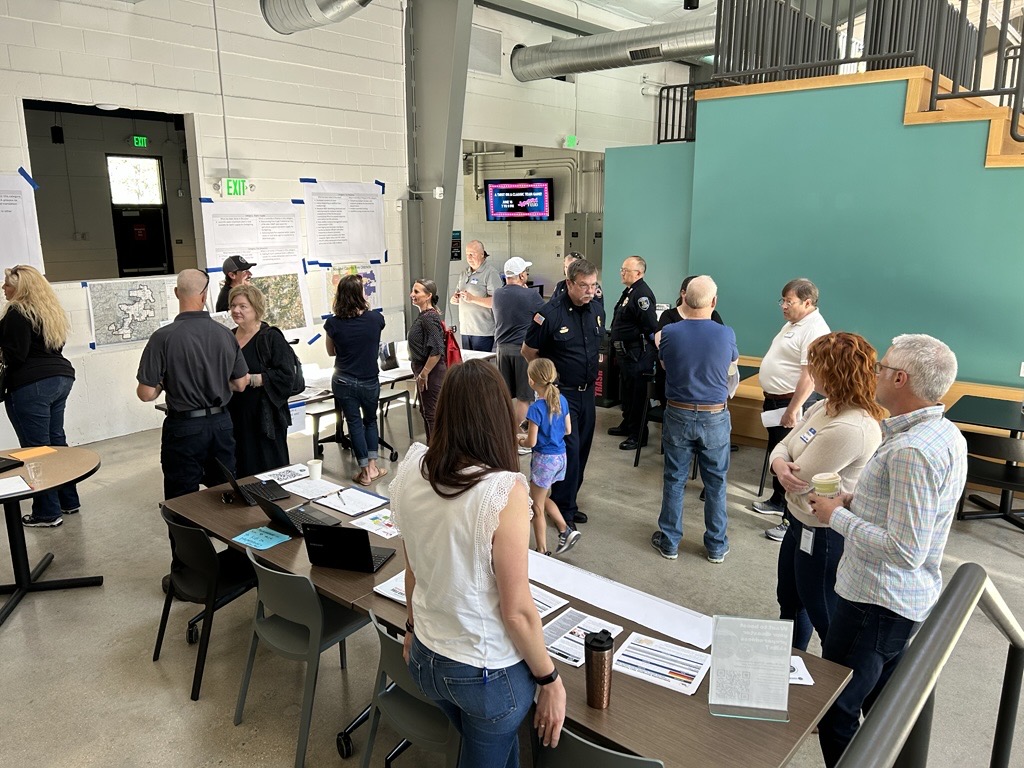
Boulder County CWPP Public Meeting in 2023
The final CWPP outlined clear steps the city should take to reduce wildfire risk. It included actions such as encouraging structure hardening initiatives, creating defensible space, establishing fuel breaks, and implementing vegetation treatments. The plan offers a roadmap that communities could begin using immediately while also supporting long-term resilience efforts. The Boulder community also benefits from the fact that the City CWPP was developed in conjunction with Boulder County’s updated CWPP, which explored wildfire risk adjacent to city boundaries. SWCA developed both plans, allowing synergies between both planning efforts while aligning recommendations and actions.
The plan and SWCA’s unique online project tracking tool emphasize project sustainability and adaptive management, supporting public education, wildfire preparedness, and ongoing monitoring. It sets measurable goals, such as risk reduction targets and benchmarks for community outreach and vegetation management, to track progress over time.
By bringing together scientific expertise, local knowledge, and community perspectives, the City of Boulder and SWCA created a plan that will help protect lives, homes, and ecosystems while strengthening the community’s ability to face wildfire threats.
To learn more about the City of Boulder CWPP or wildfire planning services at SWCA, please contact Project Manager, Ari Porter or Principal Fire Planner, Victoria Amato.