
2026
Comparably’s Best Company Outlook
* Providing engineering services in these locations through SWCA Environmental Consulting & Engineering, Inc., an affiliate of SWCA.


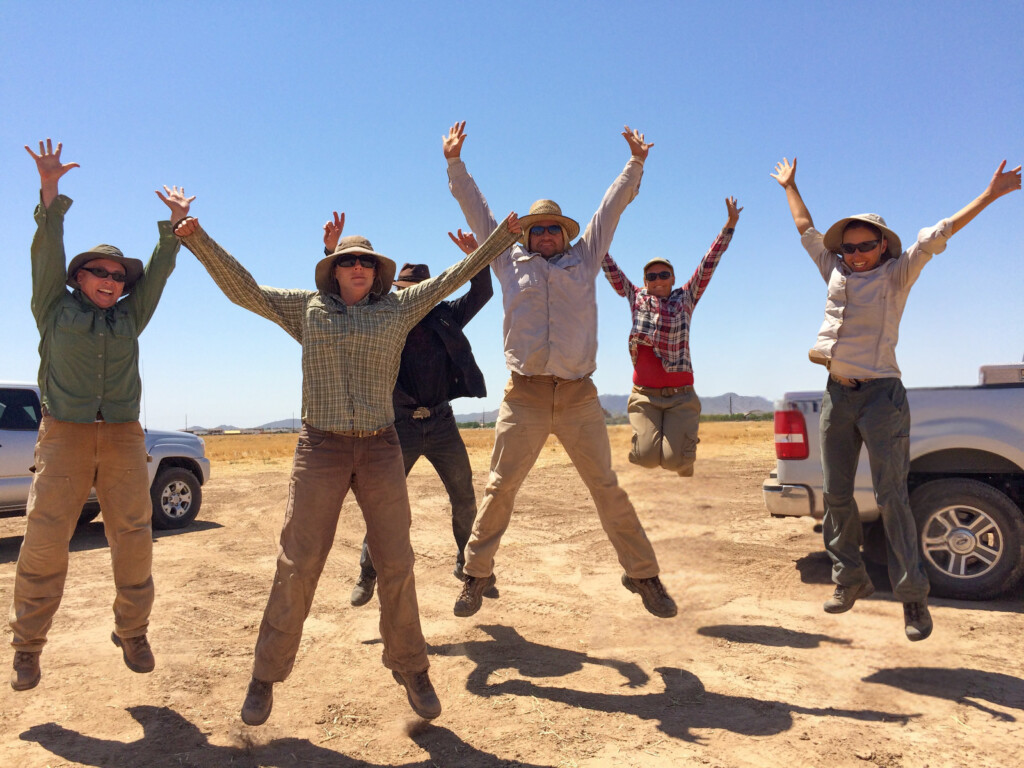
From the experts we hire, to the clients we partner with, our greatest opportunity for success lies in our ability to bring the best team together for every project.
That’s why:

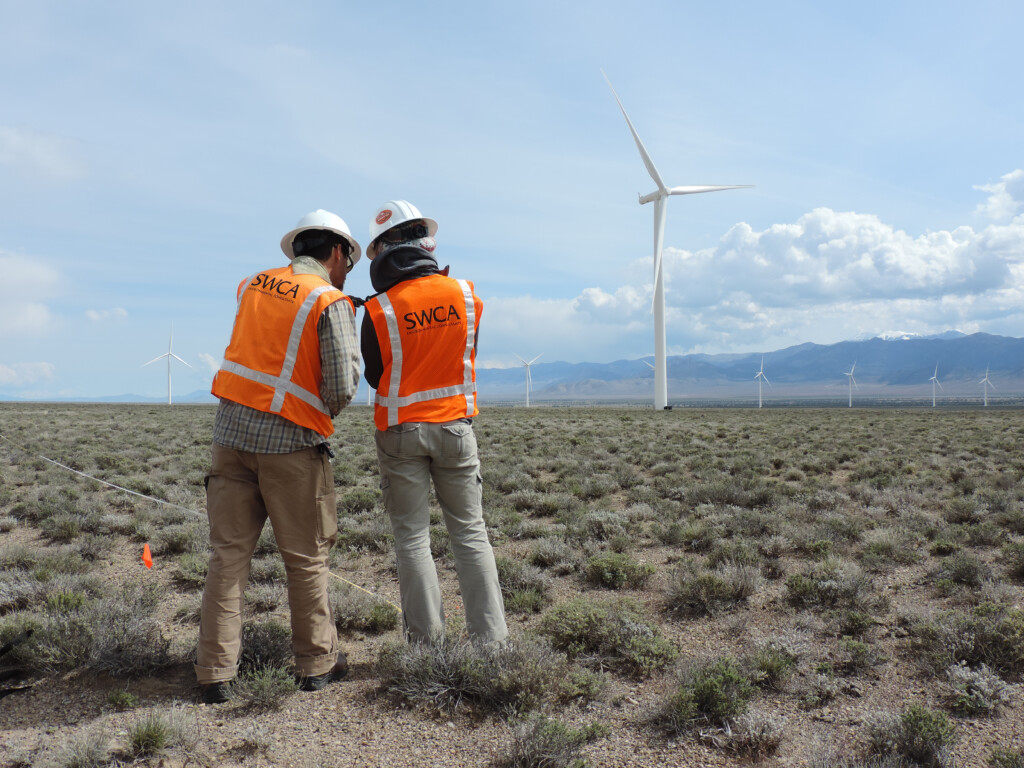
At SWCA, sustainability means balancing humanity’s social, economic, and environmental needs to provide a healthy planet for future generations.
SWCA employs smart, talented, problem-solvers dedicated to our purpose of preserving natural and cultural resources for tomorrow while enabling projects that benefit people today.

At SWCA, you’re not just an employee. You’re an owner. Everyone you work with has a stake in your success, so your hard work pays off – for the clients, for the company, and for your retirement goals.
Building SWCA’s Regulatory Radar
Ross is a recognized expert in infrastructure permitting with over a decade of experience in project, program, and policy development across federal, state, tribal, and local governments. His work focuses on improving the efficiency and transparency of complex permitting processes while advancing environmental stewardship and meaningful public engagement. Ross helps clients navigate evolving regulatory landscapes by translating policy developments into practical permitting and project delivery strategies.


I recently had the privilege to act as a reviewer for the Council on Environmental Quality’s Permitting Innovators Expo. The experience reinforced something I’ve been thinking about for years.
The opportunity in front of teams working on infrastructure development is not simply to build better tools. It is to build a better way to understand regulatory change as a strategic factor that shapes schedules, investment decisions, stakeholder expectations and the path from concept to construction.
With its capacity to quickly organize large volumes of information, AI is changing how compliance work gets done. But environmental and infrastructure work is not only a data problem. It’s about interpretation, coordination and, ultimately, human judgment. This is where experienced regulatory and environmental professionals remain essential.
Over the last year, I’ve been working with SWCA’s technical leaders to turn that belief into something practical: a way for project teams to prepare regulatory change earlier, before it creates project disruptions.
Regulatory Radar is SWCA’s new, subscription-based approach to making regulatory intelligence more useful for the people responsible for moving projects forward. Instead of simply reporting that policy changed, it translates emerging environmental policy into practical context—what changed, why it matters, and how project teams may need to think differently about timing, risk, compliance and execution.
In short, Regulatory Radar is built to help project teams move beyond awareness of policy change and toward readiness for what that change may mean on active and future projects.
For regulatory intelligence to be useful, it has to do more than identify a new rule, guidance document, or court decision. It has to help project teams quickly understand what has changed and what they can do about it.
That is the purpose of each Regulatory Radar insight: to compress complex developments into a format that supports action without oversimplifying the underlying issue. Each insight is organized around key questions:
Regulatory newsletters, agency notices, and legal alerts all play an important role in helping organizations understand regulatory developments. What project teams often still need is practical context about how those developments may affect permitting, compliance, schedules, budgets and decisions on active projects.
Regulatory Radar is designed to answer that question by drawing on the insight of SWCA’s policy and technical leaders across disciplines, geographies, regulatory frameworks, and project types. Their perspective comes from the practical work of helping project proponents and agencies move from regulatory language to on-the-ground implementation and compliance.
That experience includes pre-application strategy, biological assessments, environmental impact statements, agency consultations, cultural resources reviews, water resources issues, and other technical work that often determines how a policy shift will affect real project schedules or risk profiles.
The result is insight that is grounded in policy awareness and project delivery. Regulatory Radar is not just tracking what regulators publish; it is informed by what SWCA specialists are seeing in agency conversations, permitting processes and active project work across the country.
It’s like sitting down with someone who translates environmental policy into project work every day to ask, “What’s this mean for my project?” That’s the SWCA Lens, and it’s designed to keep infrastructure projects on track.
See Beyond Policy Change to What Matters for Your Project
Regulatory Radar is a subscription intelligence service that scans the policy horizon for changes that could affect planning, permitting, schedules, and risk, then turns those signals into clear takeaways and practical next steps.