

2026
Comparably’s Best Company Outlook
* Providing engineering services in these locations through SWCA Environmental Consulting & Engineering, Inc., an affiliate of SWCA.


From the experts we hire, to the clients we partner with, our greatest opportunity for success lies in our ability to bring the best team together for every project.
That’s why:

At SWCA, sustainability means balancing humanity’s social, economic, and environmental needs to provide a healthy planet for future generations.
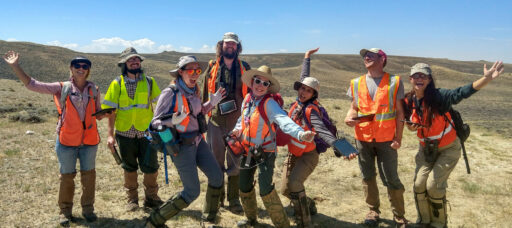
SWCA employs smart, talented, problem-solvers dedicated to our purpose of preserving natural and cultural resources for tomorrow while enabling projects that benefit people today.

At SWCA, you’re not just an employee. You’re an owner. Everyone you work with has a stake in your success, so your hard work pays off – for the clients, for the company, and for your retirement goals.
Navigating the NEPA Process with Confidence: Risk Management for Transmission Line Projects
Many transmission developers assume that avoiding a National Environmental Policy Act (NEPA) review will reduce project risk and accelerate development. In reality, avoiding NEPA can introduce its own set of risks, including years of route development that may ultimately lead back to a NEPA trigger and a delayed permitting process.
Eric brings a diverse background with many years of experience in electric utilities, commercial transmission, and renewables development. His transmission and generation experience includes transmission line and utility-scale solar and wind development, acquisitions, and utility partnerships from New England to Alaska.

Stephanie Strength has more than 20 years of expertise in National Environmental Policy Act (NEPA), siting, renewable energy, community, and environmental planning at the local, state, and federal levels. She is skilled in policy analysis, NEPA, National Historic Preservation Act (NHPA) Section 106 consultations, public relations, environmental sciences, impact assessment, alternatives evaluation, and authoring environmental regulations.

Vince is a content developer at SWCA, where he helps subject matter experts tell their stories. An engaging storyteller and translator of technical information, he loves communicating the significance of his colleagues’ work.




“Clients often ask us to find a permitting path that doesn’t trigger NEPA, or more specifically, an Environmental Impact Statement.” says SWCA Vice President of Strategic Growth Eric Myers. “And we can often do that depending on project flexibility, but there is always going to be the risk that something happens along the way that pulls us back into NEPA. So, the tough conversation that we have is, ‘Okay, we can carefully thread our way around NEPA, but we’re going to spend a lot of time and energy doing that—and there’s still a risk that we will wind up going through the NEPA process.’ Not only that, but the process will start later for the time we spent avoiding it.”
Working in tandem with environmental laws like the Clean Air Act, Clean Water Act, and the Endangered Species Act, NEPA is a process law that helps agencies and the public understand the environmental, cultural, and community consequences of proposed federal actions before decisions are made. But NEPA also has a reputation for slowing down energy infrastructure development.
Is avoiding NEPA always the best strategy? To better understand the risks and benefits, we spoke with SWCA’s Vice President of Strategic Growth Eric Myers and Stephanie Strength, Senior Environmental Planner, both of whom bring decades of transmission experience.
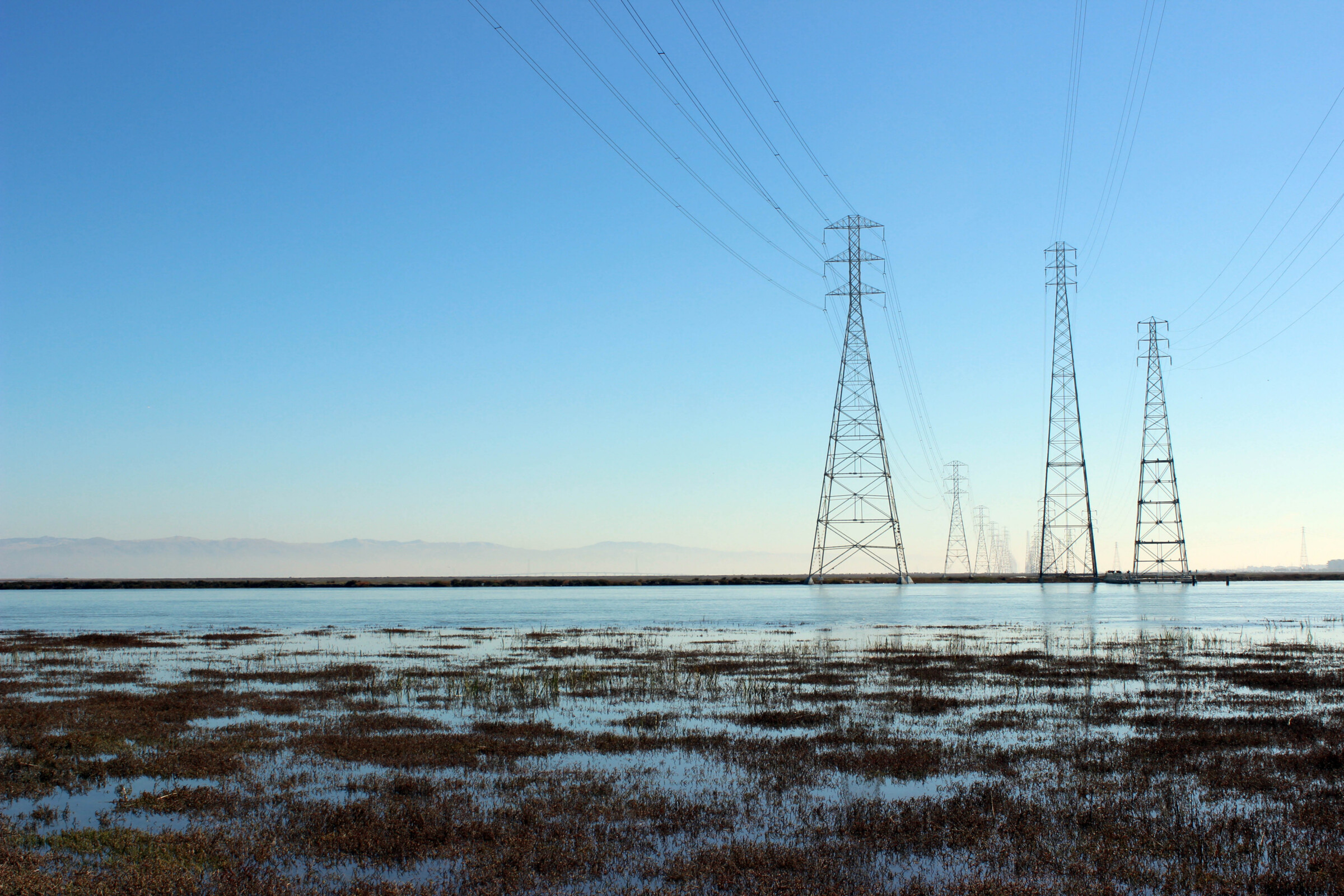
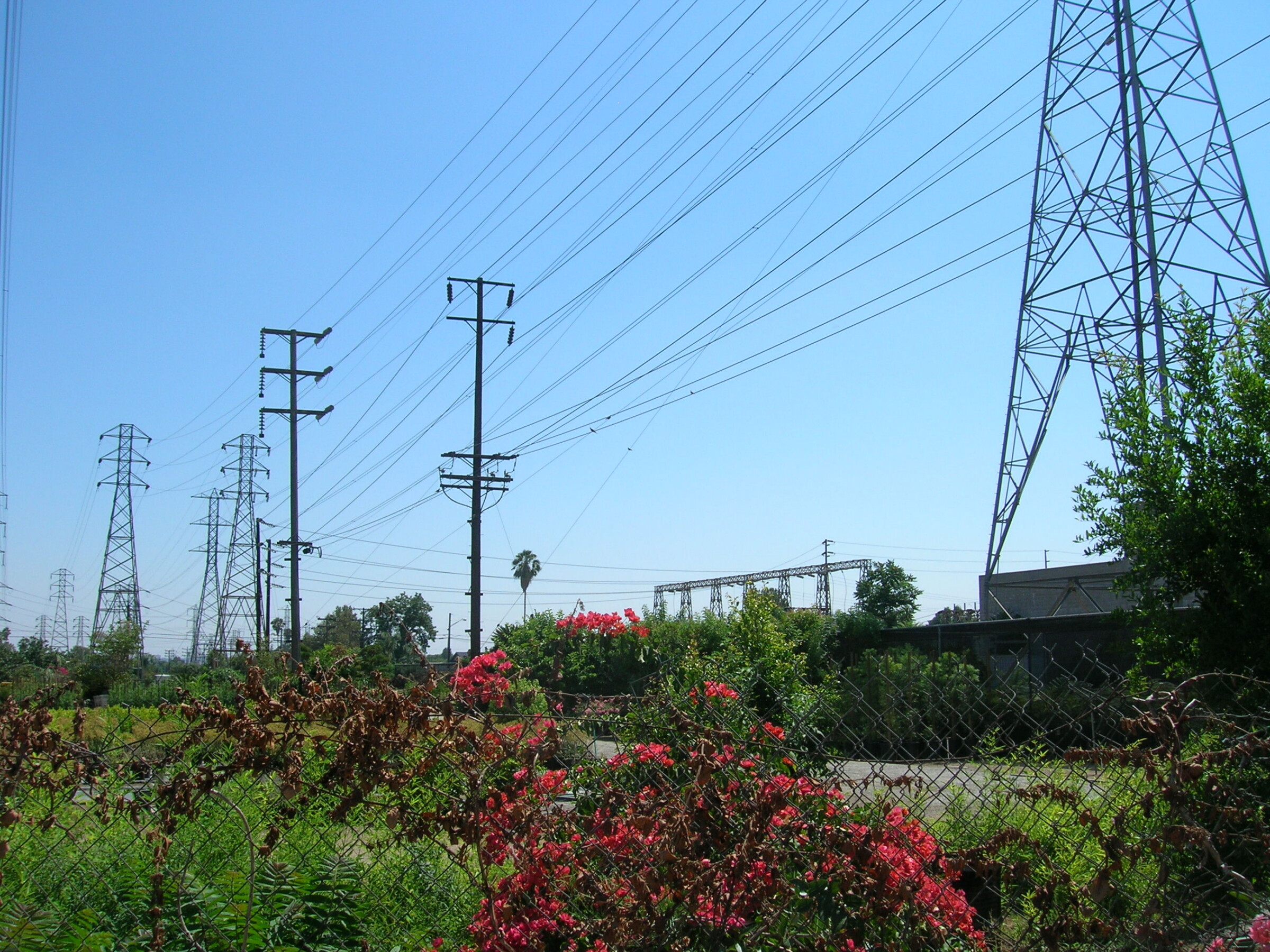
California transmission lines
First, it’s important to understand this conversation is about risk management. NEPA involves some risks, but so does avoidance of the NEPA process. It’s important to clearly understand the risks of both.
When we hear a client is nervous about NEPA, there are two things that come to mind:
An additional observation: Transmission line development has been going on for a long time. The easy routes have already been built. There is less open space on the map, so anything you build today—especially, long linear projects, like transmission lines—is going to cross something. That doesn’t necessarily mean a NEPA trigger, but assembling new routes is more complicated than ever.
The big risk in avoidance is that the project team spends two years or so developing a route that avoids NEPA, only to uncover a NEPA trigger that requires it. Suddenly, you’re two years in and you’re just starting the NEPA clock.
There are many triggers for NEPA that are easy to identify from the start, like crossing a national forest. Others are more difficult to spot – for example, state land that requires federal action due to funding.
So, if by routing, you could just avoid crossing any federal lands that would trigger NEPA compliance, by all means, pursue it. But if there is any likelihood that you’re going to trigger NEPA anyway, you should seriously consider leaning into the process from the start.
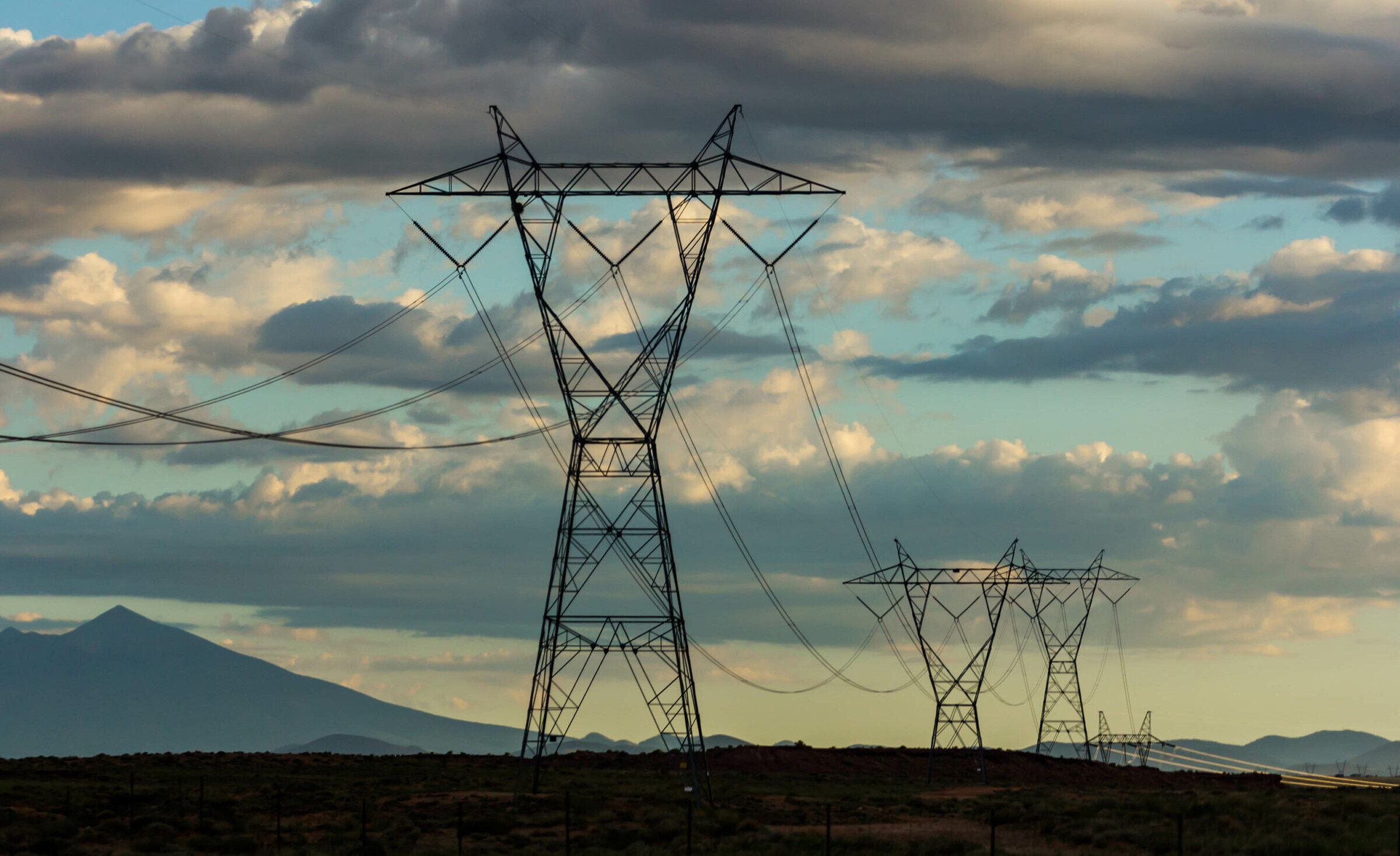
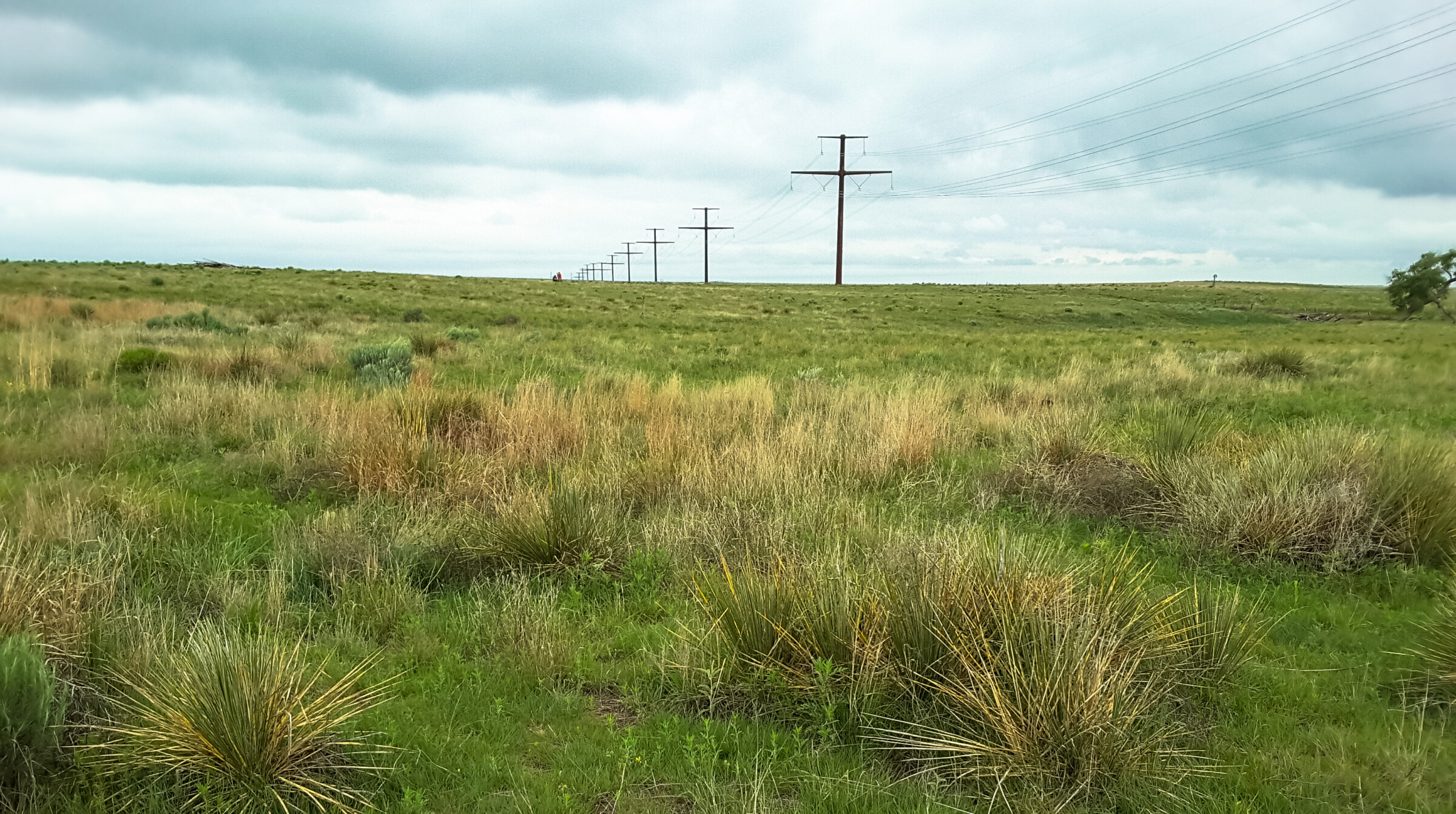
Power supply line composed by many pylons transposed in line
A big question is how much of the project is subject to NEPA? Will it be a “small handle” review, meaning, just part of the project requires a federal decision and is subject to a NEPA review? Or will it be the whole thing? The answer is determined by the “but for test.” This test asks (roughly), “would this project be possible ‘but-for’ the place where it crosses federal land (or triggers federal action)?” If the answer is “no,” meaning that the federal action is unavoidable, then the whole project may be subject to NEPA. If the answer is “yes, we could take an alternative route,” then even though you’re not taking the alternative, NEPA will likely only apply to the portion with the NEPA trigger.
So, if your team wants to limit the scope to a small handle review, it’s important to establish an alternative that avoids the federal trigger for NEPA. It’s also important that the alternative holds up, because if something disqualifies it, then the scope would be adjusted to cover the whole project.
As we noted before, you can manage the risk involved in NEPA by how you position the project. If it looks like you’re going to have a NEPA trigger with an agency that is not very familiar with transmission projects, you might consider restructuring it to get a lead agency whose process is better established and more knowledgeable. For instance, you could apply for funding from the Rural Utilities Service, so that it becomes the lead.
In the same vein, you should carefully articulate your narrative, purpose, and need at that start of the process, because everything else flows from that framework (your baseline, route, alternatives, etc.). So, if those pieces change, that increases the risk that you’ll have to restart the clock or rework the analysis.
The framework you develop for your NEPA analysis should also integrate some flexibility. This is especially important for transmission projects, because they take time to assemble and they have so many moving pieces. For instance, if your lead federal agency only approves a 200-foot Right-of-Way (ROW) and something changes during Tribal or state review, it could risk pushing you outside what has been approved. You might consider asking for approval within a larger corridor to allow for those kinds of shifts.
What’s fascinating is that every state is different in terms of what they require. Some are very minimal; others basically ask for a mini-Environmental Impact Statement.
The most important thing is to get someone who is very familiar with the federal and state requirements together with someone from the client’s development team, who has a very clear understanding of the realty acquisition and construction processes. Then you can map out the sequence of federal, state, and acquisition requirements. Where do the federal and state requirements align? Where can you combine them to minimize the fatigue of the public involved in the engagement process? Can you hold combined state/federal meetings? If the state process is unfolding first, where do you need to insert caveats to allow for developments at the federal level? There’s a lot to align in terms of those processes.
If you have questions about how your transmission line project can navigate the NEPA process with confidence, please contact one of our experts.
See Beyond Policy Change to What Matters for Your Project
Regulatory Radar is a subscription intelligence service that scans the policy horizon for changes that could affect planning, permitting, schedules, and risk, then turns those signals into clear takeaways and practical next steps.