
2026
Comparably’s Best Company Outlook
* Providing engineering services in these locations through SWCA Environmental Consulting & Engineering, Inc., an affiliate of SWCA.


From the experts we hire, to the clients we partner with, our greatest opportunity for success lies in our ability to bring the best team together for every project.
That’s why:

At SWCA, sustainability means balancing humanity’s social, economic, and environmental needs to provide a healthy planet for future generations.
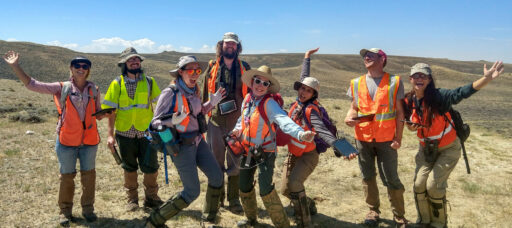
SWCA employs smart, talented, problem-solvers dedicated to our purpose of preserving natural and cultural resources for tomorrow while enabling projects that benefit people today.

At SWCA, you’re not just an employee. You’re an owner. Everyone you work with has a stake in your success, so your hard work pays off – for the clients, for the company, and for your retirement goals.
Road to Renewable Energy: Michigan’s New Energy Permitting Process

Carol McKnight is a principal project manager for SWCA’s Northeast/Midwest operations with more than 28 years of experience guiding natural resource permitting, environmental planning, and regulatory strategy and multidisciplinary project delivery for complex energy and infrastructure projects. Carol’s background includes extensive experience with the Federal Energy Regulatory Commission, the National Environmental Policy Act, the Endangered Species Act, U.S. Army Corps of Engineers permitting, Ohio Power Siting Board and Michigan Public Service Commission filings, state and local approvals, wetland and stream mitigation, National Historic Preservation Act Section 106 compliance, and environmental documentation.

Dr. Brandon Gabler, Strategic Growth Director at SWCA, has more than 20 years of experience working on professional archaeological projects and more than 10 years of experience directing projects throughout the United States. During his career, Dr. Gabler has documented cultural resources in both academic (research-based) and contract (client-based) settings in the Midwest, Northeast, Southeast, Mid-Atlantic, Southwest, Great Basin, and Mojave Desert regions. His substantial experience with project management, agency and Tribal consultation, budget oversight, quality control, database development and management, data analysis, GIS data collection and analysis, and cartographic production have been instrumental in fulfilling client’s needs and project requests. His experience includes developing cultural resources best practices documents, increasing early engagement of cultural resources staff in the project development process, standardizing and centralizing administrative processes, enhancing technical capabilities, and developing protocol to improve safety, information technology, marketing, and communication. Dr. Gabler is focused on business growth in the upper Midwest and Great Lakes states and provides strategic direction for cultural resources projects and staff in the region.

Carlos Escalante serves as SWCA’s Senior Generation Business Line Director, bringing over 33 years of experience in renewable energy projects across the nation. His expertise primarily lies in natural resource management, encompassing tasks such as wetland delineations, securing United States Army Corps of Engineers (USACE) 404/Section 10 permits, NEPA compliance, Section 7 coordination, project management, and client engagement.
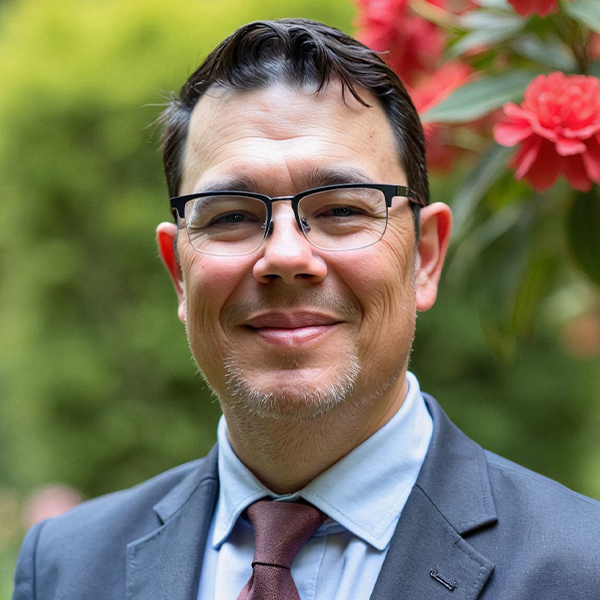
Aleyda Galán is a seasoned Project Manager and Wildlife Biologist with a strong background in utility-scale renewable energy development and Endangered Species Act Compliance, operating out of SWCA’s Chicago office. Aleyda has over 8 years of experience managing complex multi-disciplinary wind and solar projects throughout the central and eastern United States. Additionally, she has over 15 years of experience developing and conducting wildlife surveys and habitat assessments throughout the Americas.

Erik Hartung is a lead project manager and permitting specialist experienced in local, state, and federal permitting for utility-scale solar, wind, and battery energy storage projects. Erik has supported land use permitting, National Environmental Policy Act (NEPA) assessments, threatened and endangered species habitat assessments, biological evaluations, water resources delineations, and U.S. Army Corps of Engineers Clean Water Act Section 404 permitting. Since joining SWCA in 2021, Erik has supported more than 30 renewable energy projects nationwide.

Hailey is a natural resources team lead and wetland specialist with natural resources consulting expertise in permitting, agency coordination, leading wetland delineations; writing technical reports; and preparing Section 401, 404, and related permit applications at the county, state, and federal levels to ensure compliance. She has demonstrated her expertise on multiple projects in the Midwest, where she has coordinated and conducted wetland delineations, habitat assessment surveys, agency meetings, and permitting efforts for proposed projects. Hailey regularly coordinates with the U.S. Army Corps of Engineers, EGLE, Michigan Department of Natural Resources, the U.S. Fish and Wildlife Service, various soil and water conservation districts, and other state and local agencies.

As the director of SWCA’s Chicago office, Sarah focuses on team building and people leadership, as well as financial management and program development. Her technical background is aquatic plants, ecosystem restoration, invasive species control, and wetlands. She is a graduate of Washington and Jefferson College in Pennsylvania, and her professional development certifications include Six Sigma Green Belt, Executive Management, and Project Management – Lean Process Certification from MSI.

Vince is a content developer at SWCA, where he helps subject matter experts tell their stories. An engaging storyteller and translator of technical information, he loves communicating the significance of his colleagues’ work.
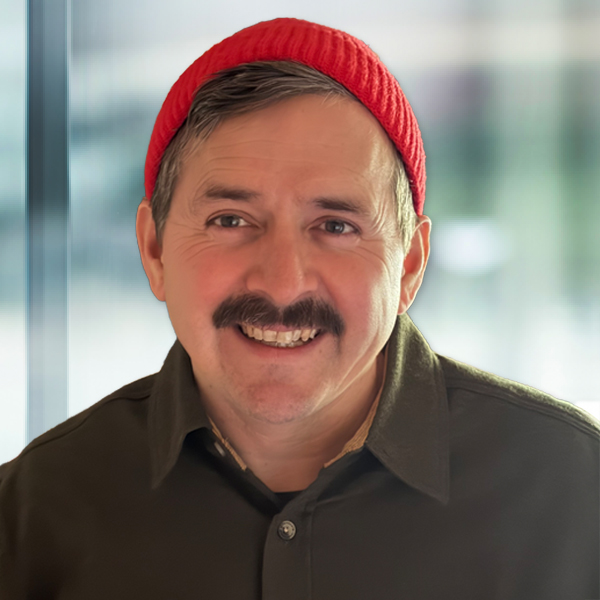







The State of Michigan recently implemented a new energy permitting process for renewable energy projects across the state. Passed in late 2023, Public Act 233 created an alternative pathway under which developers of qualifying utility-scale wind, solar and Battery Energy Storage System projects can seek a siting certificate from the Michigan Public Service Commission.
This new pathway opened in late 2024. Since then, SWCA Environmental Consultants has been helping three of the earliest project proponents navigate the process. We are also supporting two additional projects that will be submitted to MPSC soon. Those applications are ongoing, but our subject matter experts are ready to share some lessons learned.
We recently talked to SWCA’s Carol McKnight, Carlos Escalante, Brandon Gabler, Erik Hartung, Sarah Zink, Aleyda Galán and Hailey Preston about it to learn more.
Before PA 233, large renewable energy projects in Michigan were generally subject to local zoning and permitting decisions, which meant that individual townships and counties could effectively block or significantly constrain projects. Between moratoriums and local opposition, local and county-level permitting processes were frequently closed to renewable energy development.
This was preventing the state from meeting its goals of achieving 60% clean energy by 2035 and 100% by 2040.
So, the new process opens an energy permitting path where one didn’t previously exist. However, the state is striking a balance between its commitment to developing clean energy and the need to address local concerns over the management of finite resources and project impacts.
The process opens a way forward for developers of wind and solar generation facilities, as well as Battery Energy Storage Systems.
Still, it is a demanding process. Comparable to a state-NEPA process, the MPSC energy permitting pathway mandates many of the same environmental reviews that have typically been required by the National Environmental Policy Act and National Historic Preservation Act. There are biological surveys, cultural resources surveys, Tribal consultation, wetland protections, local outreach, alternatives and more.
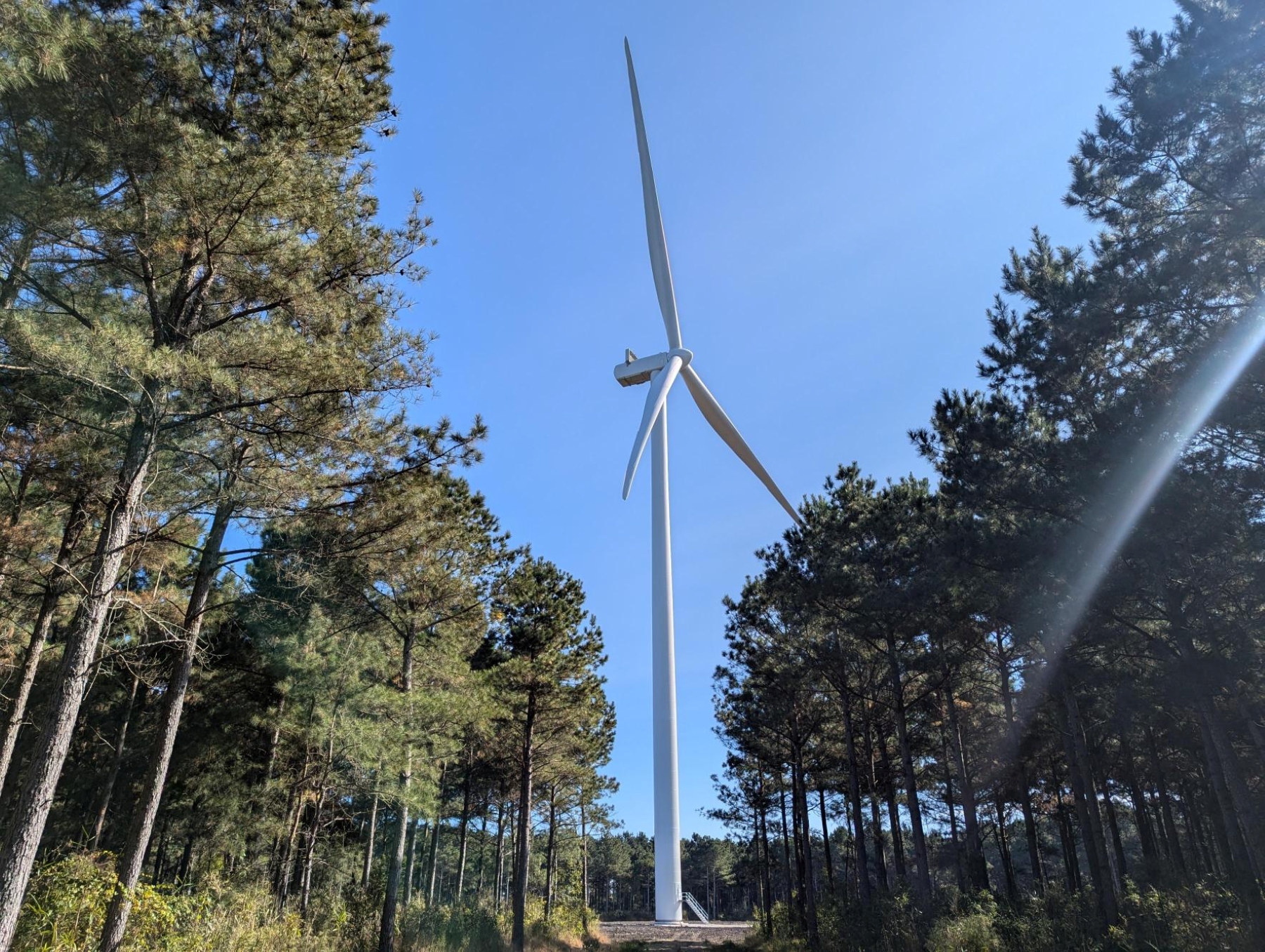
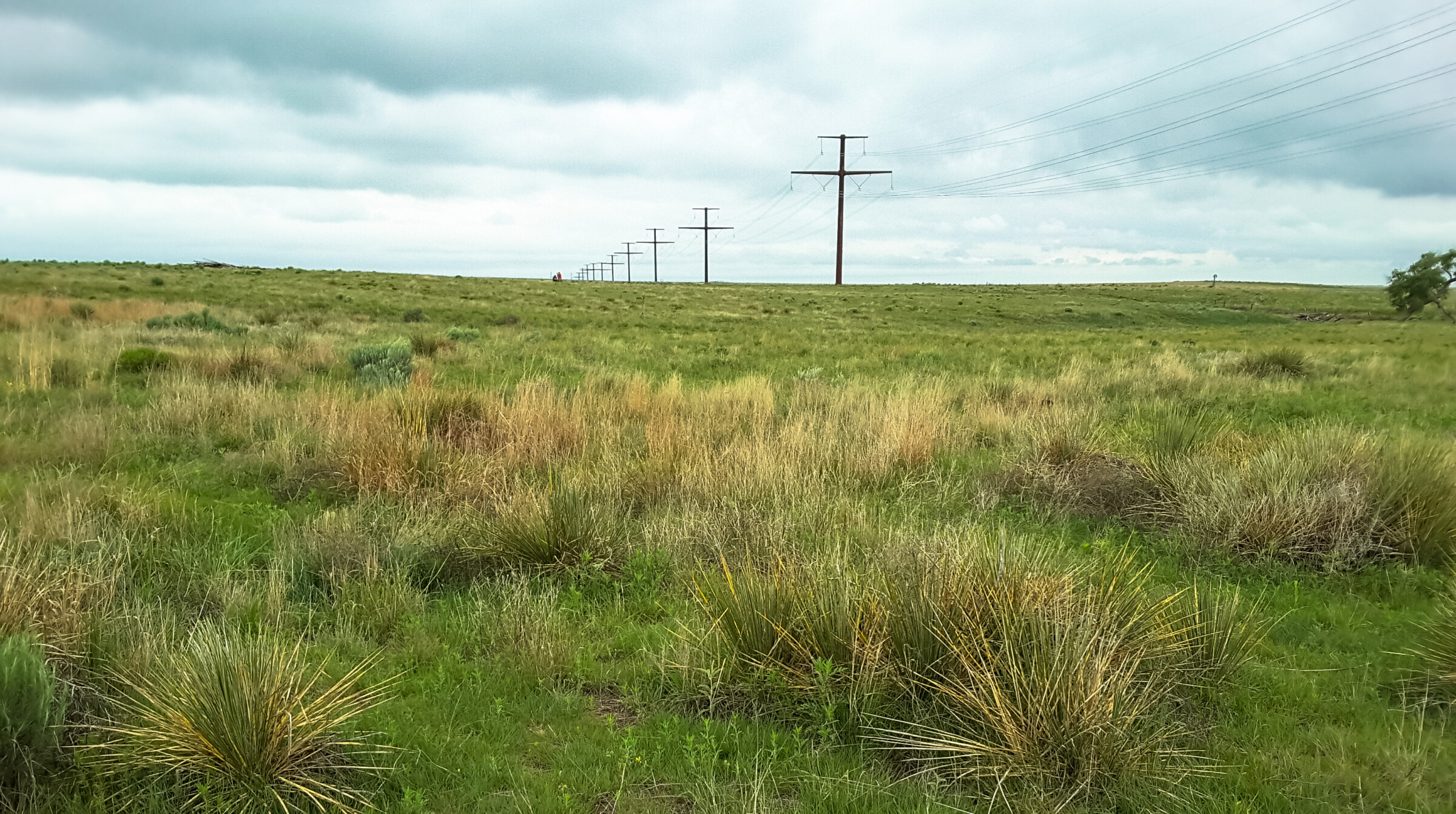
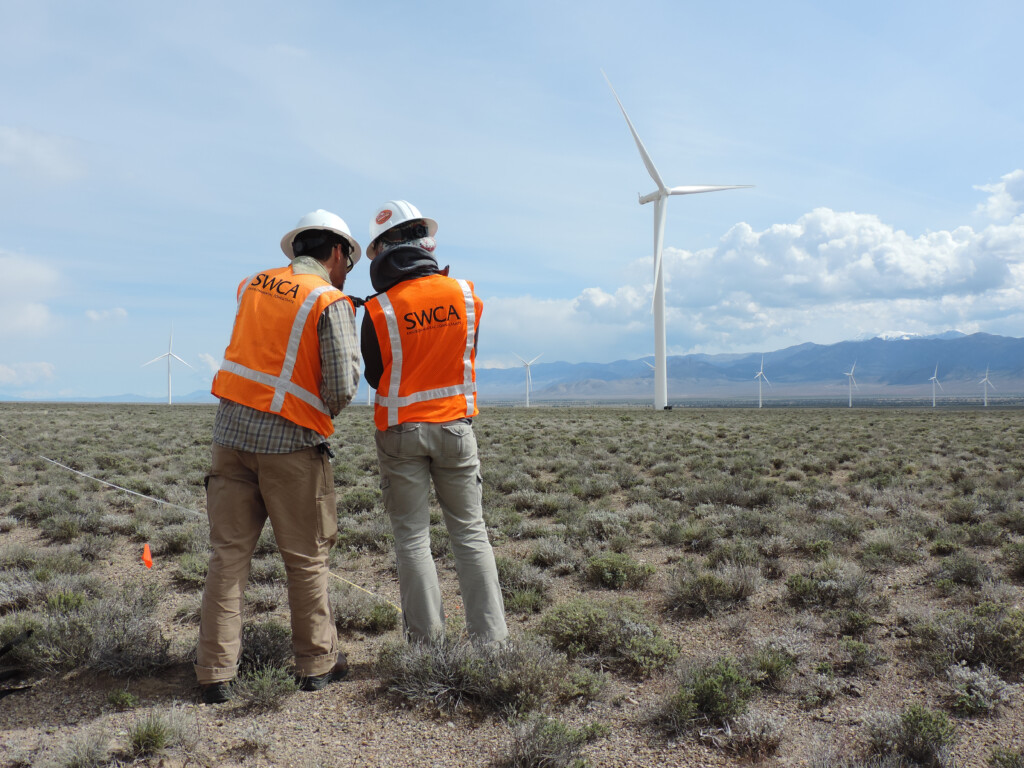
Wind energy development project
A couple of observations:
The MPSC process is not just an application process that you submit once and are done with. It’s less like a building permit, and more like a NEPA application. Developers should look at the process as an effort to build an administrative record that can hold up to legal scrutiny. It is also a process that creates conditions that shape how the project should be designed, built and operated.
The process is new and its kinks are still being worked out, both in terms of how it is administered and through litigation. This will likely change in the coming years as the process becomes more routine, but in the near term, there will be some uncertainty in terms of what to expect. Developers should anticipate that and take any steps they can to build flexibility into their projects, especially project schedules.
For instance, one of our clients had followed the existing MPSC guidance and progressed roughly two-thirds of the way through the year-long MPSC siting certificate process before a legal challenge to PA 233’s definition of “affected local unit” required the client to resubmit its application.
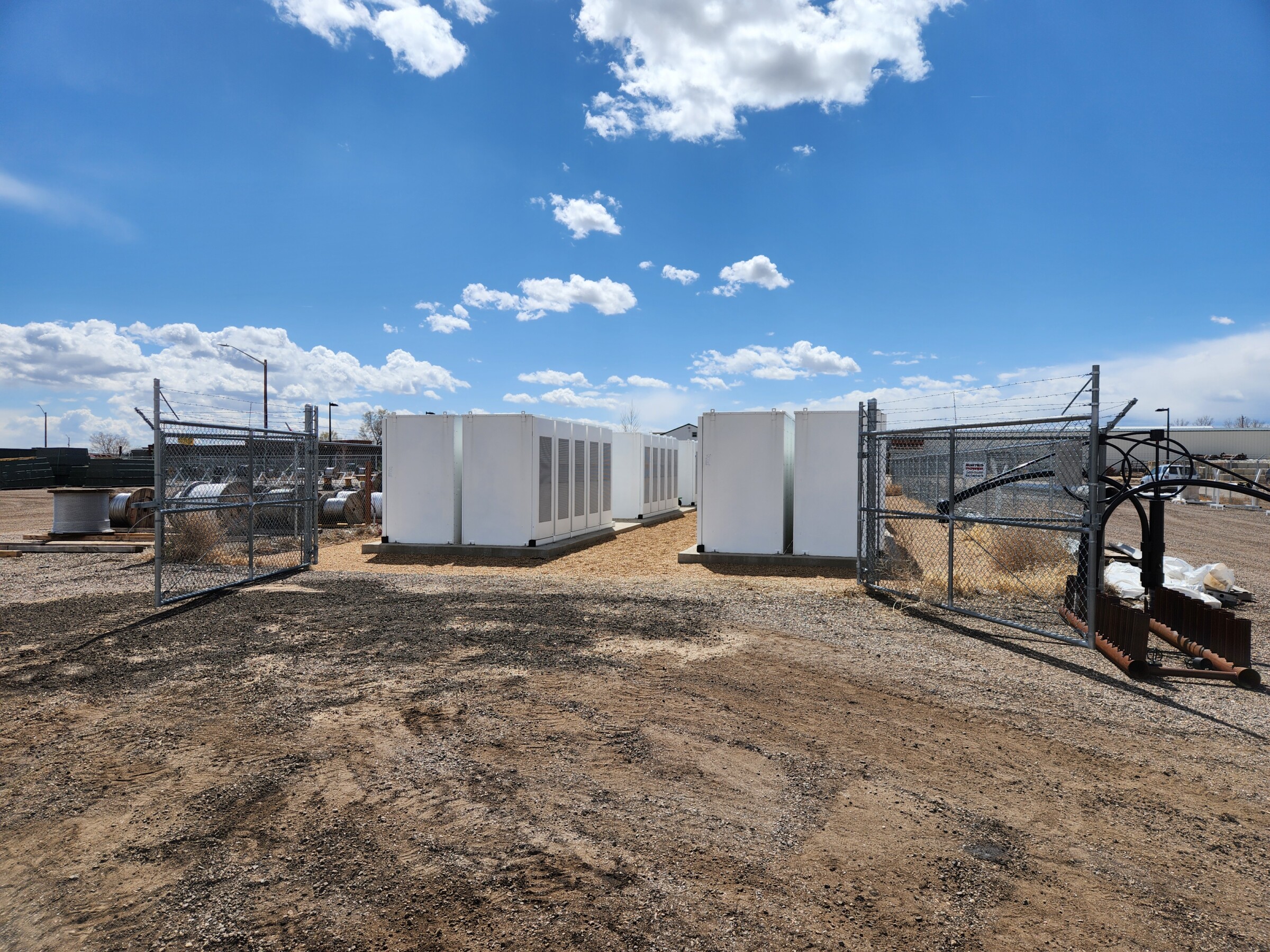
4 MW Battery Energy Storage Site (BESS)
Yes, local engagement still matters. With a state process replacing a local one, some developers may think that they no longer need to worry about engaging the local municipality, the community or Tribal governments. Having faced strong pushback from local communities in the past, they may be inclined to skip over that kind of engagement—or, more likely, to view it as a box to check.
That’s a mistake.
Under PA 233, local public engagement is more than a procedural milestone—it is an early test of how well a project team has aligned permitting strategy, community outreach and design readiness. Before submitting an application to the MPSC, project proponents must complete the required public meeting process and give communities sufficient time to review key project materials. That includes making the required site plan exhibits publicly available on a website at least 30 days before the public meeting. For developers, this timing requirement is an important reminder that outreach cannot be treated as a final pre-submittal step. It needs to be integrated into the project’s critical path, alongside technical studies, design refinement and application preparation.
Additionally, the contested case process that the MPSC uses to evaluate completed applications preserves a meaningful role for interested parties as “interveners,” allowing them to raise objections or considerations for the record. This requires the applicant and other parties to respond while leaving final determinations—including whether any project changes or conditions are warranted—to the MPSC. So, local communities still have a way of shaping the process. Of course, municipalities and other local players can also mount legal challenges. The more you can engage local communities on the front end of the process, the better positioned the project team will be to resolve some issues early and reduce project risk.
The biggest challenge with local engagement is building trust. Local communities are invested in preserving the character of the place they call home, and many have had the experience of outside developers coming in and breaking their promises. They don’t necessarily trust the developer or that the MPSC process will have the teeth to hold the developer accountable.
Once lost (even if through no fault of your own), trust is hard to get back. Engaging communities early enough for the plan to accommodate their issues, concerns and expectations, along with consistent, transparent messaging can help.
We should also note that PA 233 preserves a local pathway where an affected local unit has adopted a Compatible Renewable Energy Ordinance. In that circumstance, project proponents generally must seek approval through the local CREO process first. If the local siting application is denied or the local unit does not act within the required timeframe, the proponent may then seek a siting certificate from the MPSC. The key limitation is that a CREO may not be more restrictive than the state standards. Where a viable CREO pathway exists, developers may find that local review offers a more direct or predictable route, depending on the local ordinance and context.

Rear view of an audience in a lecture hall
We’d point to a couple of closely-related items:
It takes time and boots on the ground to develop it. And some forms of data collection (for instance, cultural resources surveys, wetland delineations or Tribal engagement) require time for appropriate planning given agricultural land uses, seasonal survey windows, and sensitive resources in some areas.
It’s no secret: Good data is critical to shaping your design. It is needed to avoid, minimize and mitigate any adverse environmental effects. As our colleagues wrote in another SWCA Insight, “the scope and duration of any review is substantially influenced by how well-prepared the project team is at the outset.” The quality of baseline data shapes the project’s review timeline, process, and legal exposure.
The MPSC process allows the design to change to some extent. The application requirements include an exhibit addressing anticipated changes and that enables project proponents to anticipate their response to conditions that they may discover as the project progresses. The MPSC has defined major and minor changes. Minor changes are not required to be submitted to the MPSC. Major changes, such as a change to stormwater runoff or expanding the footprint, must be included in the application. However, it is unclear to what extent the process can accommodate change outside the parameters of that exhibit. If, for instance, the project team discovers an unanticipated condition, it is possible that it may require additional review or resubmittal.
So, having your baseline data and your design in order at the front of the process is a smart, risk-management strategy. Ultimately, success under PA 233 will depend less on treating the MPSC process as a filing exercise and more on approaching it as an integrated strategy—one that brings together defensible baseline data, mature project design, proactive public engagement, and a clear administrative record from the outset.
If you have questions about how to navigate the MPSC permitting process, please contact one of our experts.
See Beyond Policy Change to What Matters for Your Project
Regulatory Radar is a subscription intelligence service that scans the policy horizon for changes that could affect planning, permitting, schedules, and risk, then turns those signals into clear takeaways and practical next steps.