
2026
Comparably’s Best Company Outlook
* Providing engineering services in these locations through SWCA Environmental Consulting & Engineering, Inc., an affiliate of SWCA.


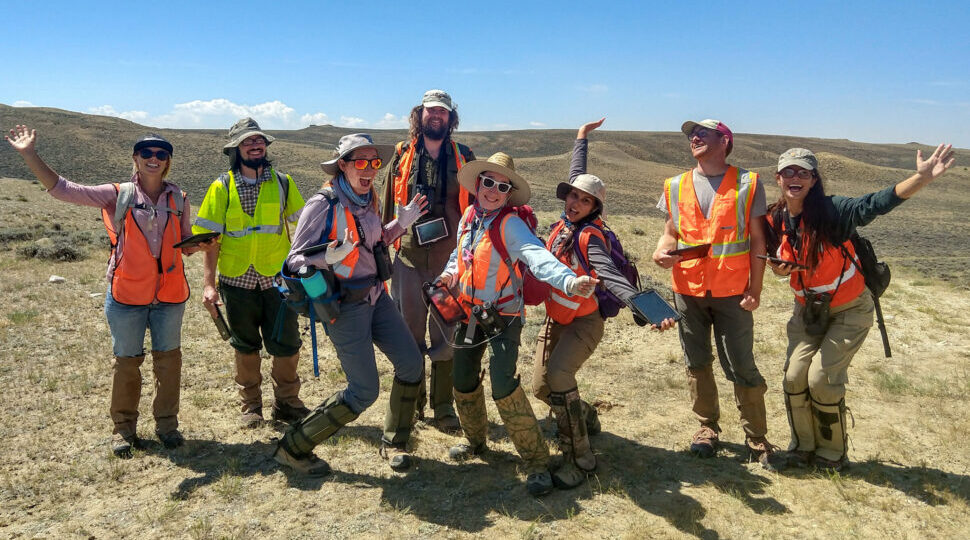
From the experts we hire, to the clients we partner with, our greatest opportunity for success lies in our ability to bring the best team together for every project.
That’s why:

At SWCA, sustainability means balancing humanity’s social, economic, and environmental needs to provide a healthy planet for future generations.
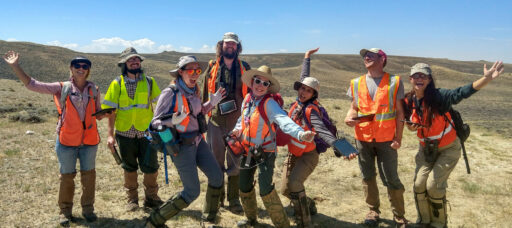
SWCA employs smart, talented, problem-solvers dedicated to our purpose of preserving natural and cultural resources for tomorrow while enabling projects that benefit people today.

At SWCA, you’re not just an employee. You’re an owner. Everyone you work with has a stake in your success, so your hard work pays off – for the clients, for the company, and for your retirement goals.
When the Service Goes Quiet: ESA Consultation Delays and Schedule Risk
Amanda Glen is SWCA’s senior natural resources technical director for biological services and provides strategic guidance on permitting and compliance for matters involving protected wildlife, plants, and habitats. Currently managing a national practice, she has more than 25 years of consulting experience with an emphasis on the Endangered Species Act (ESA) and how compliance with the ESA influences other regulatory programs. Her wealth of experience pertaining to endangered species issues includes research, permitting, consultations, status reviews, and conservation planning. Her experience includes negotiating compliance solutions for critically imperiled species facing potential determinations of jeopardy or adverse modification of designated critical habitats. She has led efforts to delist species no longer requiring the protections of the ESA when supported by sound science, and has been involved in voluntary conservation planning to help preclude the need to list species. Amanda frequently presents at regional and national conferences on matters related to the ESA, including new listings, regulatory and policy changes, and trends in compliance strategies.


U.S. Fish and Wildlife Service (Service) field office staff have been telling project teams, informally but consistently, that the agency has suspended issuance of Biological Opinions, letters of concurrence, and take permits under the Endangered Species Act (ESA). There has been no public announcement and no end date has been offered.
For projects late in environmental review, this may create a significant schedule risk. Biological Opinions and concurrence letters conclude Section 7 consultation for federal actions that may affect listed species or critical habitat, and incidental take permits address otherwise prohibited take before work begins. When finalizing these documents slips, downstream milestones can slip as well.
Several legal and policy developments are affecting these documents concurrently.
These changes affect standard language in every Biological Opinion, concurrence, and permit. We expect the Service is revising templates and analysis thresholds and will send project-specific take conclusions for added legal review.
By the time a decision document is in draft, other approvals and milestones are often scheduled around it. Whether a delay stops work depends on the project:
In practice, available mechanisms for compelling compliance with ESA consultation timelines may be limited and are highly fact-specific.
After initiation of consultation, Section 7(d) prohibits the federal agency and any applicant from making any “irreversible or irretrievable commitment of resources” that has the effect of “foreclosing the formulation or implementation of any reasonable and prudent alternative measures”. Reasonable and prudent alternatives are alternative actions that the Service believes would avoid the likelihood of jeopardizing the continued existence of listed species or resulting in the destruction or adverse modification of critical habitat. While the Service holds a Biological Opinion or concurrence letter, consultation remains open and Section 7(d) continues to apply.
Section 7(d) does not stop all activity. Design, contingent procurement, and work in areas with no effects to listed species may proceed if they do not foreclose those alternatives or cause unauthorized take. The action agency, not the Service, makes that determination and should document it in writing for each activity.
Notably, a non-federal project with a pending application for an incidental take permit is also subject to Section 7(d).
For non-federal projects, the proponent is responsible for avoiding take, with or without a permit. If a pending incidental take permit stalls, or the Service says one is not needed under its new interpretation of take, the proponent must still decide, ideally with legal counsel, whether and how to proceed.
The Service’s current position indicates how the agency presently intends to administer and enforce the ESA, but it does not conclusively establish the governing legal interpretation of take.
Before proceeding without a permit, proponents should weigh:
Proponents who proceed should document the basis for that decision: survey results, avoidance and minimization measures built into the design and schedule, and written correspondence with the Service, all in consultation with legal counsel. A “no take anticipated” or “no action” letter from the Service helps show good faith, but it is not a permit.
No single strategy will address the delay for every project. These are the tools we are discussing with clients now.
The pause has no announced end date, and projects late in permitting carry the most risk. A delay does not shift responsibility: federal agencies remain bound by Section 7(d), and non-federal proponents remain responsible for avoiding take under Section 9.
Clients can reduce the impact by acting now. Consider confirming the status of each pending decision document with the Service, in writing where possible. For federal actions, work with the action agency to identify which work can proceed under Section 7(d). For non-federal projects, decide with advice from legal counsel whether and how to proceed without a permit, and document (internally at least) that decision. In either case, adjust schedules, seasonal work windows, and contract milestones to account for potential delay before it affects a critical project milestone.
Please contact our team to discuss how the pause affects a specific project.
See Beyond Policy Change to What Matters for Your Project
Regulatory Radar is a subscription intelligence service that scans the policy horizon for changes that could affect planning, permitting, schedules, and risk, then turns those signals into clear takeaways and practical next steps.